


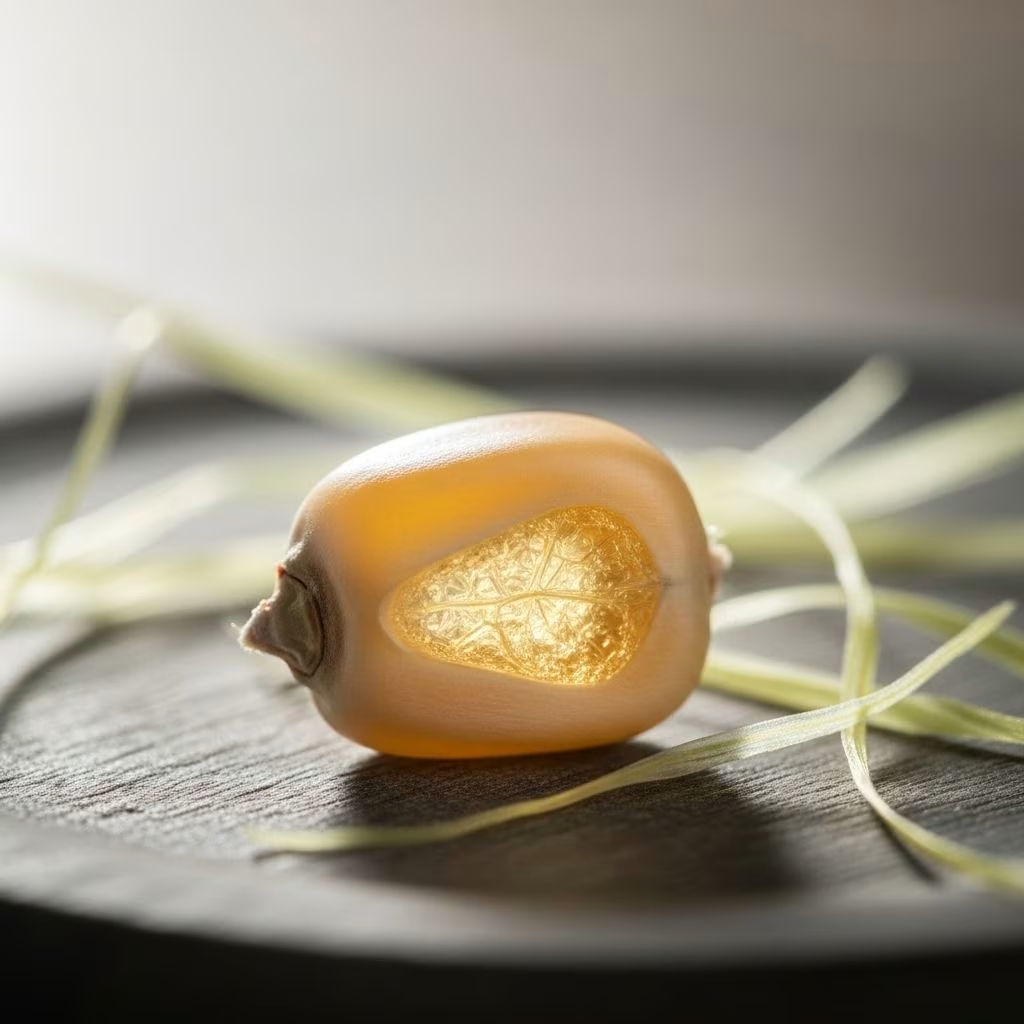
Zein is a unique prolamine protein that is naturally found in maize (corn). As a major component of corn protein, zein has drawn significant research and commercial interest due to its desirable physical and chemical properties, safety profile, and versatility across food and non-food industries. This comprehensive guide investigates zein’s structure, its diverse benefits and uses, nutritional and functional characteristics, and its distinct taste profile.
Introduction to Zein
Zein is the primary storage protein in corn and accounts for nearly half the total protein content of maize kernels. As a member of the prolamine family of proteins, zein is rich in the amino acid proline and is characterized by its hydrophobic—water-repellent—nature.
First isolated in the late 19th century, zein rapidly gained attention for its unique ability to form tough, glossy, and flexible films. The US Food and Drug Administration (FDA) recognizes zein as one of the safest biological materials, paving the way for its application in both edible and non-edible industries.
The Science of Zein: Structure and Variants
Zein is not a single protein, but a class of closely related proteins with subtle differences in amino acid composition and structure. These component types impart various physical and functional attributes to corn-based products.
Major Zein Types
| Type | Proportion in Maize | Key Features |
|---|---|---|
| α-Zein | 70–85% | High in nonpolar amino acids (leucine, proline, alanine), very hydrophobic, soluble in aqueous ethanol, forms films easily, lacks certain essential amino acids. Molecular weight: ~19–22 kDa |
| β-Zein | 10–20% | Contains more sulfur amino acids (cysteine, methionine), forms aggregates, soluble in slightly more polar solvents like 60% ethanol. Molecular weight: ~14–17 kDa |
| γ-Zein | 5–10% | Higher in cysteine, forms stable aggregates due to disulfide bonds, contributes to the structural stability of zein-based films. Molecular weight: ~27 kDa |
The dominance of α-zein in corn protein accounts for zein’s main performance characteristics in food processing and industrial uses.
Production and Sources of Zein
Zein is typically manufactured from corn gluten meal—a byproduct of corn starch processing. The extraction process involves solubilizing zein with aqueous ethanol and then precipitating, filtering, and drying the protein.
Corn grown throughout the Americas and elsewhere serves as the global source, and zein represents the most extensively studied plant protein due to its availability and unique functional qualities.
Benefits of Zein
Zein stands out not just as a protein but as a multifunctional biomaterial with several core benefits:
- Safe and Biocompatible: Recognized by the FDA as food-safe, biodegradable, and possessing low immunogenicity, making it suitable even for pharmaceutical applications.
- Versatile Material Modification: The abundance of free hydroxyl and amino groups enables the creation of hybrids and functionalized products, which can be custom-tailored for drug delivery and packaging.
- Unique Film-Forming and Encapsulation Properties: Zein can form tough, glossy, flexible, and waterproof films. These attributes allow it to serve as a coating, edible film, or microencapsulation agent in food and pharmaceutical products.
- Gluten-Free Structuring Agent: In gluten-free baked goods and doughs, zein mimics the viscoelastic networks of gluten, improving texture and structure for celiac-safe products.
- Sustained Release and Targeted Delivery: In drug delivery, zein’s hydrophobicity and encapsulation ability enable controlled, sustained, and targeted release of active substances.
Uses of Zein
The multi-functionality of zein enables a broad spectrum of applications across diverse industries.
Food Industry Applications
- Edible Films and Coatings:
- Used as a coating for candies and nuts, zein provides shine and acts as a moisture, oil, and oxygen barrier, extending shelf life.
- Applied as a fruit and vegetable coating to slow spoilage.
- Encapsulation: Zein is used to encapsulate flavors, vitamins, and bioactives, protecting them from oxidation and ensuring time- or site-specific release in the digestive tract.
- Gluten-Free Bakery Products: Zein forms viscoelastic networks to enhance the structure, chew, and volume of gluten-free breads and pastries.
- Meat Analogues: In plant-based meats, zein provides binding and flexible texture, simulating the chewiness and mouthfeel of animal protein.
- Microencapsulation for Nutrient Delivery: Zein microcapsules protect sensitive nutrients (e.g., omega-3 oils or probiotics) during processing and storage.
Pharmaceutical and Biomedical Applications
- Drug Delivery Systems:
- Zein nanoparticles, hydrogels, and microneedles enable oral, intravenous, pulmonary, and transdermal delivery of drugs—especially for sustained and targeted therapy.
- Zein-based carriers can improve the bioavailability and stability of poorly soluble drugs and sensitive biomolecules.
- Nutraceutical Delivery: Zein encapsulates bioactive compounds for controlled release in the gut, boosting absorption and efficacy.
Industrial, Agricultural, and Other Uses
- Biodegradable Plastics: Zein-based materials serve as alternatives to petroleum-based plastics in containers, films, and packaging due to their renewability and environmental safety.
- Coatings for Seeds and Fertilizers: Used as a coating to protect agricultural inputs, controlling release and improving handling.
- Textiles and Fibers: Zein has historical and emerging uses in producing textile fibers, yarns, sponges, and as a finish for fabrics.
- Adhesives and Inks: The hydrophobic properties of zein are leveraged in specialty inks, paints, and adhesives that require moisture resistance.
Nutritional Properties and Health Considerations
Zein, while abundant in corn, lacks essential amino acids such as lysine and tryptophan. This makes zein an incomplete protein, less suitable as a sole protein source for human nutrition.
- Protein Quality: Zein’s high proportion of nonpolar, hydrophobic amino acids grants excellent functional properties but limits its nutritional completeness.
- Digestibility: Zein’s hydrophobicity makes it resistant to digestion, which can be beneficial for certain slow-release applications, but reduces its direct food protein value.
- Allergenicity: Zein is considered to have low immunogenicity compared to wheat gluten, making it generally safe for most people, including those with celiac disease.
To compensate for the missing amino acids, foods high in zein are often combined with other protein sources to ensure dietary balance.
Taste and Palate Experience
Packed with neutral sensory qualities, pure zein is generally described as clear, odorless, tasteless, hard, and water-insoluble.
- It does not impart flavor or aroma when incorporated into foods.
- Its film-forming and coating capabilities add texture (a slight, edible crispness or gloss) but virtually no flavor on their own.
- Because zein carries no strong taste, it is ideal for food and pharmaceutical applications where flavor neutrality is desired.
However, some processed products that use zein as a matrix or encapsulant may develop slight aftertastes due to interaction with encapsulated compounds (e.g., vitamins or oils), but this effect is minimal and generally masked within complex food formulations.
Zein in Gluten-Free and Vegan Diets
Zein’s gluten-like viscoelasticity makes it a valuable asset in gluten-free foods, providing structure, chew, and elasticity to products that otherwise lack the properties gluten imparts to wheat-based doughs.
- Gluten-Free Bakery Products: It mimics gluten, benefiting people with celiac disease or wheat allergy.
- Vegan Alternatives: Zein, being plant-derived and free from animal allergens, suits vegan applications particularly for plant-based meats and dairy analogues.
- Allergen Considerations: Zein is not related to wheat gluten, making it safer for most gluten-sensitive individuals.
Limitations and Challenges
Despite its versatility, zein faces several limitations:
- Incomplete Nutrition Profile: Its lack of certain essential amino acids restricts its use as a primary protein source in the diet.
- Hydrophobicity: While valuable for encapsulation, its resistance to water can make it difficult to formulate in some foods or pharmaceuticals without special processing.
- Economic and Practical Barriers: Extraction and purification costs may challenge large-scale adoption for some applications.
- Stability Variability: Zein’s mechanical and barrier properties can vary with environmental humidity, requiring formulation adjustments.
- Regulatory Approvals: While generally recognized as safe, new uses—especially in pharmaceuticals—m ay require additional safety data and regulatory approvals.
Frequently Asked Questions (FAQs)
Q: Is zein safe for consumption?
A: Yes, zein is recognized by the US FDA as food-safe, edible, and biocompatible.
Q: Is zein a complete protein?
A: No, zein is low in essential amino acids such as lysine and tryptophan, so it should be balanced with other protein sources in the diet.
Q: Does zein contain gluten?
A: No, zein is naturally gluten-free and suitable for people with celiac disease or gluten intolerance.
Q: What does zein taste like?
A: Pure zein is tasteless and odorless, contributing no flavor to foods in which it is used.
Q: Can zein be used in vegan foods?
A: Absolutely. Zein is plant-derived and compatible with vegan and vegetarian diets, often used in plant-based meats and dairy substitutes.
Q: Are there any common allergens associated with zein?
A: Zein is considered to have low allergenic potential; however, those with rare corn allergies should avoid it.
Conclusion
Zein represents a fascinating intersection of plant biology, material science, and culinary technology. As an FDA-recognized safe, multifunctional protein derived from corn, its versatility stretches from food and pharmaceutical applications to industrial and environmental innovations. Tasteless, odorless, and rich in unique functional qualities, zein continues to bridge the needs of gluten-free and vegan consumers, health-conscious innovators, and sustainability-minded industries worldwide.
References
- https://pmc.ncbi.nlm.nih.gov/articles/PMC10198181/
- https://en.wikipedia.org/wiki/Zein
- https://drdavisinfinitehealth.com/2018/10/let-me-introduce-you-to-zein/
- https://www.sciopen.com/article/10.1016/j.fshw.2021.02.018
- https://www.zeinproducts.com/what-is-zein/
- https://www.merriam-webster.com/dictionary/zein
- https://www.ams.usda.gov/sites/default/files/media/Zein_TR.pdf
- https://pmc.ncbi.nlm.nih.gov/articles/PMC11119329/


