


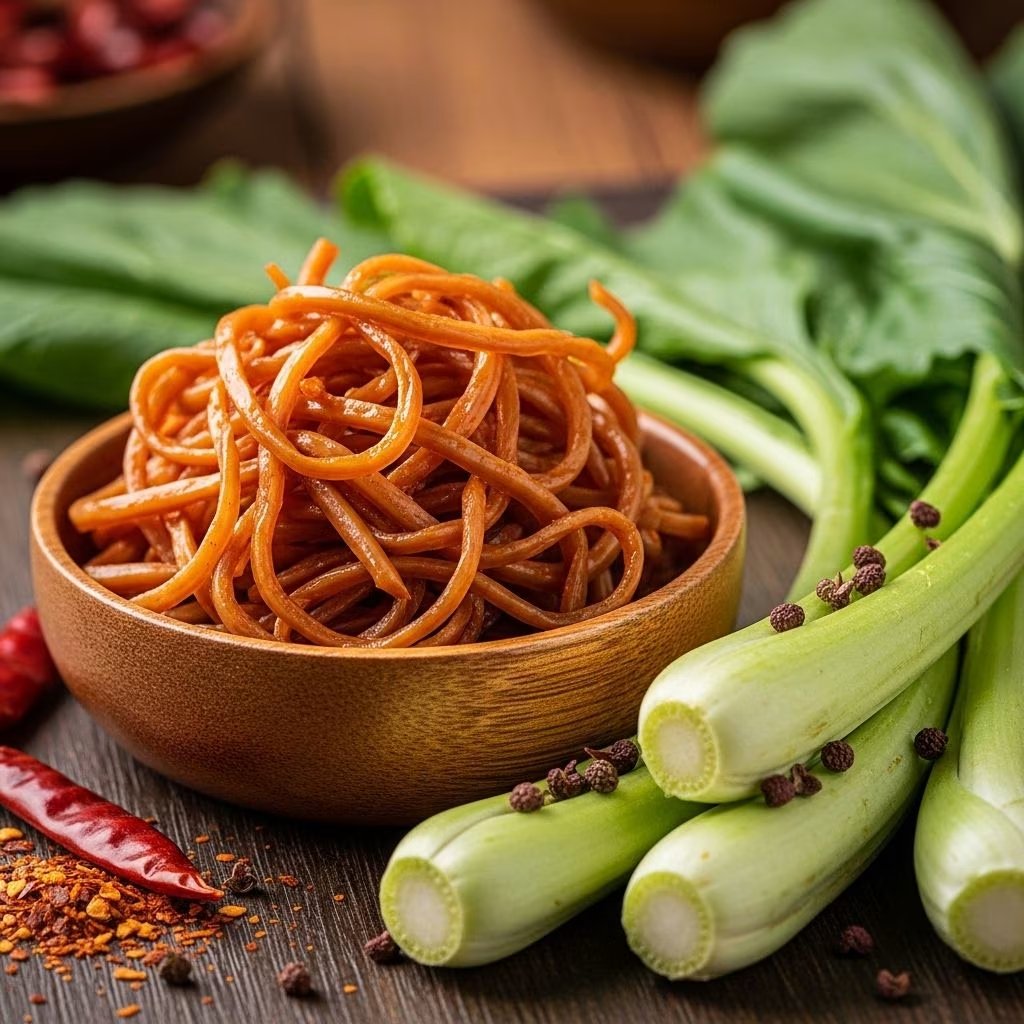
Zha Cai, the distinctive preserved mustard stem from China’s Sichuan region, has captivated generations with its crunchy texture, complex flavor, and versatile role in Chinese cuisines. This comprehensive guide explores the history, preparation, culinary applications, nutritional benefits, and unique taste profile of Zha Cai, shedding light on why this iconic pickle remains a centerpiece in Chinese pantries and on global dining tables.
Origins and History of Zha Cai
The name Zha Cai (榨菜), also known as Cha Tsai, refers to a signature Chinese pickle made from the knobbly, fist-sized swollen stem of the Brassica juncea plant, specifically the subspecies tsatsai. Native to Chongqing’s Fuling district, this preserved vegetable’s story begins in the fertile regions of China where mustard greens naturally thrive.
- Invention: Zha Cai’s roots can be traced back more than 100 years, with widespread popularity throughout the Sichuan province and broader regions of Central China.
- Region of Origin: The Wujiang River region in Chongqing, with Fuling as the modern production hub.
- Historical Role: Initially valued for its ability to prolong shelf life of vegetables before the advent of modern refrigeration.
- Cultural Integration: Zha Cai is now celebrated throughout China, Taiwan, and even as far afield as Japan, Korea, and Southeast Asia, appearing in countless classic recipes and considered a culinary treasure.
Traditional Production and Preparation
Crafting authentic Zha Cai is a time-honored process that illustrates the art of Chinese pickling and fermentation. The heart of the pickle is the swollen stem of the mustard plant variety known as “qīng cài tóu” (青菜头).
Step-by-Step Zha Cai Production
- Harvesting: The unique, knobby mustard tubers are carefully harvested at peak size and flavor.
- Salting and Pressing: Harvested stems are vigorously rubbed and packed with salt, then pressed to expel water. The Chinese word “榨” (zhà) means ‘to press,’ which describes this crucial process. Traditionally, this cyclical pressing and salting is performed up to three times for optimum texture and preservation.
- Drying: The salted, compressed stems are sun-dried or air-dried to decrease moisture content and intensify flavor and crunch.
- Fermenting with Chili Paste: The dried stems are coated with a blend of spicy red chili paste and other spices (such as fennel, ginger, and star anise). They are then sealed in earthenware jars, where natural fermentation can occur over several weeks or even months.
This intricate preparation imbues Zha Cai with its signature spicy, sour, salty, and umami-rich flavor. While modern factories use mechanization, many small producers still preserve artisanal methods—hand-pressing, sun-drying, and fermenting in traditional jars.
Ingredient Table
| Main Ingredients | Role in Pickle |
|---|---|
| Mustard Stem (Brassica juncea) | Provides the base, crunch, and signature flavor |
| Salt | Draws out moisture, preserves, and enhances taste |
| Chili Paste | Adds heat and color (optional for non-spicy varieties) |
| Other Spices (ginger, star anise, fennel, etc.) | Infuse complexity and fragrance |
Nutritional Profile and Health Benefits
Zha Cai boasts several potential health benefits, due both to its vegetal origins and its traditional preservation methods. While individual nutritional results may vary by brand and added ingredients, typical Zha Cai offers the following:
- Low Calorie and Low Fat: As a pickled vegetable, Zha Cai is generally low in calories and fat, making it an attractive condiment for those seeking lighter fare.
- Dietary Fiber: The preserved stem retains much of its natural dietary fiber, aiding in healthy digestion and promoting satiety.
- Micronutrients: Contains small but beneficial amounts of potassium, vitamin C, and dietarily significant minerals, depending on serving size.
- Probiotics and Fermentation Compounds: Traditional fermentation methods may produce lactic acid bacteria, benefiting gut flora and supporting digestive health (the actual amount can vary and is less than in fresh ferments).
- Sodium Content: Zha Cai is high in sodium due to its pickling process; moderation is advised, especially for those sensitive to salt intake, and rinsing before use can help reduce excess salt.
Culinary Uses Across Chinese and Global Cuisine
Across China and abroad, Zha Cai has earned its status as the “number one pickle” for its versatility and ability to complement a wide array of dishes. Its intense flavor means a small amount goes a long way, whether incorporated into recipes or served as a flavorful side.
Popular Uses in Chinese Food
- Congee (Rice Porridge) Topping: Zha Cai is frequently enjoyed as a savory, crunchy topping over plain congee, providing a burst of salty, umami depth.
- Stir-Fried Dishes: Thin slices or shreds of Zha Cai are stir-fried with pork, chicken, tofu, or vegetables to impart zest and crunch.
- Noodle Soups: Essential in bowls of Zhà cài ròusī miàn (noodles with shredded pork and Zha Cai) and as a classic garnish for spicy Sichuan noodle soups.
- Sichuan Appetizers: Served as a cold salad mixed with cucumber, chili oil, and sometimes vinegar, it makes a refreshing starter.
- Steamed and Braised Dishes: Provides a salty, tangy, and spicy counterpoint in many steamed and braised meat dishes.
- Dumpling Fillings: Chopped Zha Cai adds flavor and texture to dumpling stuffings.
Role in Regional and Global Cuisine
- Shanghai–Popular Breakfasts: Featured in ci fan tuan (sticky rice rolls) as a crunchy filling.
- Japanese Adaptation: Known as “zāsai” (ザーサイ/搾菜), it is served as an appetizer in Chinese restaurants across Japan, often milder and less spicy to cater to Japanese palates.
- Southeast Asian Cuisine: Incorporated in fried rice or paired as a side with grilled or roasted meats.
In modern kitchens, Zha Cai’s ready availability in small, convenient packets makes it accessible for quick snacks or as an accent in creative fusion dishes around the world.
Taste and Texture: What Makes Zha Cai Unique?
Zha Cai’s singular taste and mouthfeel distinguish it among the world’s pickles, carrying multiple contrasting yet harmonious qualities:
- Spicy: Depending on the recipe and brand, red chili gives Zha Cai a moderate to intense heat profile (non-spicy versions are also common).
- Sour: Natural lactic acid from fermentation imparts a pleasant tanginess, complementing the salt and spice.
- Salty: Pickling brine gives an assertive saltiness, ensuring even small amounts deliver impact in dishes.
- Umami: Rich, savory flavors develop from the prolonged fermentation of mustard stems and added spices.
- Crunchy yet Tender: A hallmark texture—snappy, crisp, and firm to the bite, yet never woody or tough.
This combination of flavors and textures allows Zha Cai to enliven both simple and elaborate dishes, making it irreplaceable in Sichuan and wider Chinese gastronomy.
Buying, Storing, and Preparing Zha Cai at Home
Zha Cai is readily available in most Asian supermarkets worldwide and via online specialty grocers. Most commercial Zha Cai is sold as whole heads, chunks, or pre-shredded in vacuum-sealed packets. Some leading brands to look for include Wujiang, famous for its crisp, high-quality Zha Cai, and often labeled as Sichuan preserved vegetable or Chinese pickled mustard stem.
What To Look For When Buying
- Packaging: Prefer vacuum-sealed sachets or foil packets for freshness.
- Color and Texture: Well-made Zha Cai should have a vibrant, golden or light green hue and feel firm, not limp.
- Ingredients: Check labels for added MSG, sugar, or other seasonings, as some brands enhance flavor with these components.
- Spiciness Preference: Choose between spicy, original (non-spicy), or mixed-flavor versions based on your taste and intended dish.
How to Prepare and Store Zha Cai
- Pre-Use Rinsing: Zha Cai is often quite salty. Rinse thoroughly and, if desired, soak in cold water for 10–30 minutes to draw out excess salt before use.
- Storing: Unopened Zha Cai is shelf-stable. After opening, store in an airtight container in the refrigerator and use within a few weeks for optimal freshness and crunch.
- Prepping: Dice, slice, shred, or mince Zha Cai as needed for your recipe. Whole stems may require peeling tough outer layers first.
Popular Varieties and Flavors of Zha Cai
The taste and presentation of Zha Cai varies according to brand, regional preferences, and intended recipes.
| Variant | Shape | Spiciness | Common Use |
|---|---|---|---|
| Whole Head | Large, uncut stem | Mild to very spicy | Slicing/chopping for home recipes |
| Diced | Small cubes | Mild or spicy | Direct garnish, dumpling fillings |
| Shredded | Thin, long strips | Mild or spicy | Noodle toppers, stir-fries, cold salads |
| Minced | Finely chopped | Mild or spicy | Filling for buns, flavor accent in rice or soups |
Cultural Significance and Global Influence
Zha Cai is not just a preserved vegetable but a cultural ambassador for Sichuan foodways. In Fuling, Zha Cai is a symbol of local pride, supporting a thriving industry and exported worldwide—Wujiang, the largest producer, marked over 15 billion packets sold globally as of 2021.
- Household Staple: Almost every Chinese home stocks Zha Cai in some form, whether as a congee garnish or a flavoring ingredient.
- Restaurant Essential: Many restaurants, especially those serving noodles or congee, offer Zha Cai as a complimentary side dish or condiment.
- Gift and Export: Gift boxes of premium Zha Cai are exchanged during festivals; its export supports cultural exchange with neighboring cuisines adapting the pickle to local palates.
Frequently Asked Questions (FAQs)
Q: Is Zha Cai the same as other Sichuan pickled vegetables like Ya Cai?
A: No, Zha Cai is made from the stem of mustard greens, while Ya Cai uses the leafy tops. The pickling and seasoning methods differ, resulting in unique textures and flavors for each.
Q: How do I reduce the saltiness of Zha Cai before using?
A: Rinse thoroughly under running water and, for especially salty Zha Cai, soak in cool water for 10–30 minutes. Drain well before adding to dishes.
Q: Can Zha Cai be eaten straight from the packet?
A: Yes, most commercially prepared Zha Cai is fully cooked, seasoned, and safe to consume as is—though rinsing can reduce salt if desired. Some traditional brands may still require blanching or soaking.
Q: Is Zha Cai suitable for vegetarians and vegans?
A: The core ingredient is vegetable, but some processed varieties may contain additives (MSG, flavor enhancers, or animal-based flavorings). Always check labels for vegetarian friendliness.
Q: What are some quick ways to enjoy Zha Cai?
A: Use as a congee topping, stir into scrambled eggs or fried rice, toss into cold noodle salads, or serve alongside steamed buns as a crunchy, tangy condiment.
Zha Cai’s impact on Chinese cuisine is indelible—a humble yet flavorful ingredient bridging tradition and modern convenience. Whether enjoyed for its bold taste, textural contrast, or nostalgic comfort, Zha Cai continues to delight new generations of food lovers around the world.


