


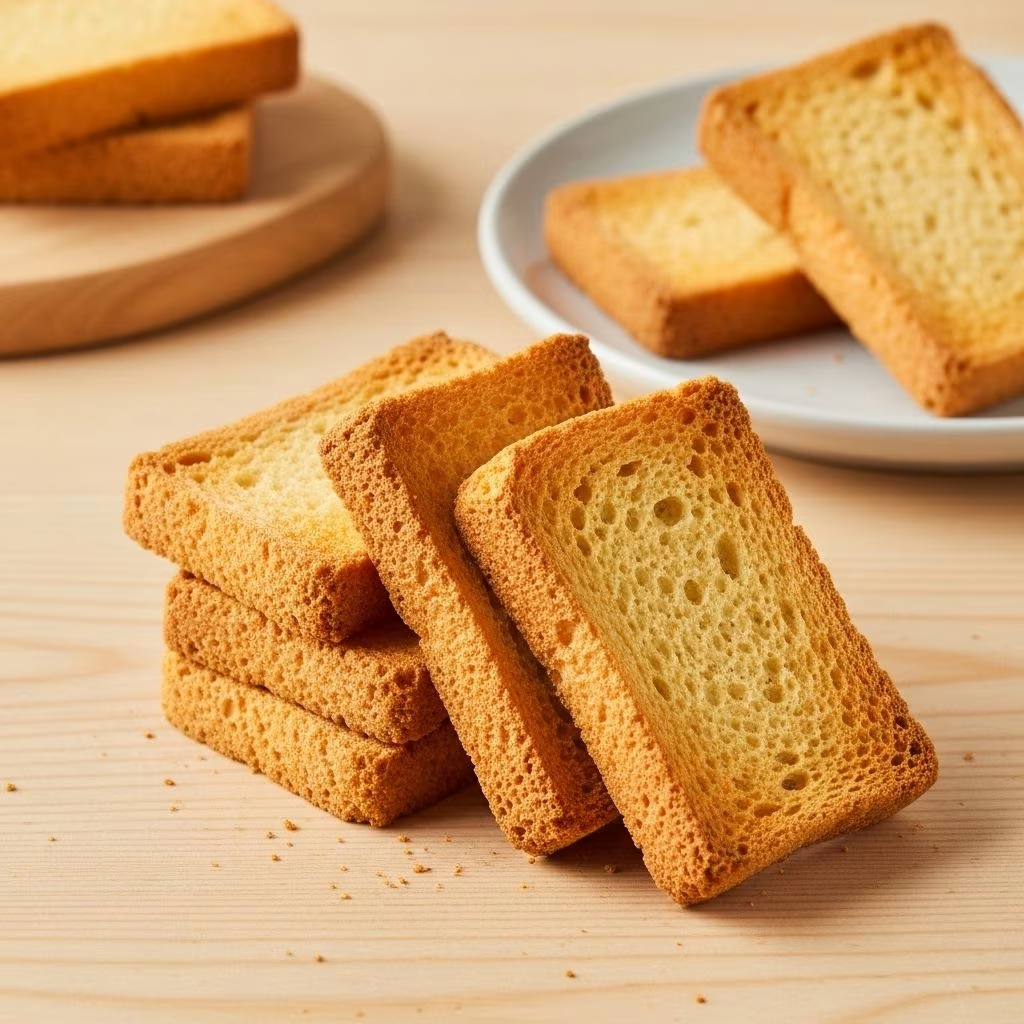
Zwieback is a distinctive bread product recognized for its twice-baked preparation, resulting in a dry, crisp texture that has made it a staple in households across Europe, North America, and beyond. Whether enjoyed as a comforting snack, a baby’s teething treat, or a symbol of culinary tradition, zwieback’s story is interwoven with history, practicality, and versatility. This comprehensive guide explores zwieback’s origins, varieties, health benefits, uses, and taste profile to help you understand its lasting appeal.
Introduction: What Is Zwieback?
Zwieback is a form of rusk bread made by baking a loaf, slicing it, and baking the slices again until they are dry and crisp. The name comes from the German words “zwei” (two) and “backen” (to bake), literally meaning “twice baked.” Zwieback is distinguished by its long shelf life and versatility: it can be eaten directly, dipped, used in recipes, and even given to infants as a safe, digestive first food.
- Made traditionally from flour, eggs, sugar, and sometimes enriched with butter or lard.
- Double baking ensures durability and a crisp texture.
- Known worldwide: Popular in Germany, Poland, Russia, North America, and beyond.
A Brief History of Zwieback
Zwieback’s roots trace back centuries. Initially developed in East Prussia or the Netherlands as a practical solution for food preservation, it quickly became a travel staple due to its resistance to spoilage.
- Origins: Believed to have originated in East Prussia, now parts of Poland and Russia, possibly invented for military provisions during the Thirty Years’ War.
- Mennonite Tradition: Russian Mennonite zwieback, also called “Tweebak” in Plautdietsch, became popular with Ukrainian and North American Mennonite communities.
- Historical Uses: Used on voyages by sailors, carried by migrants, and cherished during times of disruption as a comfort food and symbol of security.
- Modern Spread: Nabisco Zwieback, once a household name in the US, has now mostly disappeared from American shelves but remains popular in Europe and specialty food outlets.
Historical Timeline Table
| Period | Milestone |
|---|---|
| Ancient times | Roman “biscoctus” and similar rusks; praised by Hippocrates |
| 1618–1648 | Thirty Years’ War – invented as army provisions |
| 17th–19th century | Spread by Mennonites from Prussia to Russia and North America |
| Late 1800s | Bakeries in Europe and New York City popularize zwieback |
| 20th century | Nabisco Zwieback gains popularity in US households |
Types of Zwieback
There are two main types of zwieback, each with unique characteristics and cultural associations:
- Soft Zwieback: Linked to Mennonite cuisine, made from two stacked dough balls. Often eaten fresh but can be dried for longer storage. Known for its soft texture and pull-apart shape.
- Crispy (Hard) Zwieback: The classic rusk, made by slicing and twice-baking. Crunchy, brittle, and often used for teething babies or as a breakfast bread.
| Type | Characteristics | Common Uses |
|---|---|---|
| Soft Zwieback | Pulled-apart, soft, fluffy, usually yeast-based | Meals, holidays, special events |
| Crispy Zwieback | Crunchy, dry, long shelf life | Snacks, teething, baking, digestive aid |
Nutritional Value and Health Benefits
Zwieback’s simplicity and twice-baked process offer unique health benefits — especially in terms of digestibility and shelf life.
- Highly Digestible: Favored for infants, elderly, and those recovering from illness, zwieback is gentle on the stomach and easy to digest.
- Light in Calories: Made primarily with flour, eggs, and sugar, zwieback is lower in fat unless enriched with butter or lard.
- Contains Protein: Eggs and enriched dough provide a modest protein boost, especially in soft Mennonite zwieback.
- Long Shelf Life: The dryness from double baking prevents mold, making zwieback a practical, non-perishable food for travel or emergency stores.
Sample Nutrition (Per Slice, Generic Crispy Zwieback):
- Calories: ~40–60
- Protein: 1–2g
- Fat: 0.5–2g (higher in enriched varieties)
- Carbohydrates: 10–12g
- Sugar: 1–2g
Zwieback is often recommended as a starter food for babies, especially when they begin teething — its firm texture soothes gums and it dissolves readily in saliva.
Culinary Uses of Zwieback
Zwieback’s mild flavor and adaptable texture make it useful in a wide range of culinary applications, from simple snacks to sophisticated desserts.
- Teething Biscuits: Traditionally given to babies as a safe, easily dissolvable snack.
- Breakfast Bread: Served on its own or dipped in coffee, tea, or milk
- Topping or Base: Crumbled zwieback is often used in cheesecakes, pie crusts, or streusel toppings
- Savory Applications: Used as croutons in soups or salads
- Emergency or Travel Food: Carries well and sustains for long periods without spoilage
- Desserts: Sweetened (with cinnamon or jam) or used as a layer in European-style puddings
In North America, particularly among Mennonite communities, soft zwieback rolls are a must at holiday feasts, weddings, and funerals. Crispy variations have a nostalgic place in American and German kitchens alike.
Taste and Texture Profile
Zwieback is appreciated for its subtle sweetness, mild eggy flavor, and dry, crunchy texture.
- Crispy Zwieback: Crunchy and light, with a gentle sweetness and sometimes a hint of cinnamon or nutmeg.
- Soft Zwieback: Lightly sweet, buttery or mildly savory, fluffy interior, pleasant chew, often with a golden crust.
- When dipped in beverages, zwieback softens and develops a comforting, warm taste.
- Paired with jam, honey, or cheese, zwieback’s neutral flavor complements both sweet and savory toppings.
Consumers often recall zwieback as a comfort food, especially from childhood. The dry crispness is especially pleasing to those looking for a light, gentle snack.
Popular Zwieback Recipes
Classic zwieback recipes vary by culture and family tradition. Below are two approaches:
Simple Crispy Zwieback
- Ingredients: Flour, eggs, sugar, yeast, milk, butter
- Bake a loaf, cool, slice, and bake slices again until crisp
- Optional: Sprinkle with cinnamon sugar for variety
Russian Mennonite Soft Zwieback (Tweebak)
- Ingredients: White flour, eggs, yeast, lard or butter, milk
- Form two dough balls, stack, and press together
- Allow to rise, then bake until golden and aromatic
Cultural Significance
For many, zwieback represents more than food—it embodies resilience, tradition, and nostalgia.
- Mennonite families bake zwieback for weddings, funerals, Sunday meals, and journeys.
- Sailors and travelers relied on it: its resistance to spoilage made zwieback a symbol of security and readiness.
- Comfort food status: Particularly during periods of disruption or migration, zwieback was a reliable source of nourishment and continuity.
Buying and Storing Zwieback
Although production has declined in North America (Nabisco zwieback is discontinued), zwieback remains readily available in specialty stores, European markets, and bakeries.
- Storage: Keep zwieback in airtight containers in a cool, dry place. Shelf life is typically several months due to its low moisture content.
- Buying Tips: For crispy zwieback, look for golden, evenly baked slices without visible moisture. For soft zwieback rolls, freshness is key.
- Homemade: Many prefer to bake zwieback at home for control over ingredients and freshness.
Frequently Asked Questions (FAQs)
Q: Is zwieback gluten-free?
A: Traditional zwieback uses wheat flour and is not gluten-free, but gluten-free versions can be made using alternative flours.
Q: Why is zwieback used for teething?
A: The dry, firm texture soothes gums without breaking apart dangerously, dissolving safely for infants.
Q: How is zwieback different from other rusks?
A: Zwieback is typically sweeter, lighter, and often carries distinct Mennonite or German influences compared to cocktail rusks or biscotti.
Q: Can I make zwieback without eggs or dairy?
A: Yes, vegan adaptations are possible, using plant-based milk and butter substitutes.
Q: What foods pair well with zwieback?
A: Jam, honey, cheese, butter, and fruit spreads complement its mild flavor. It also works well in layered desserts and as a crunchy topping.
Conclusion: The Enduring Appeal of Zwieback
Zwieback stands as a testament to the power of simple, practical food traditions. With its roots in necessity and resilience, zwieback has evolved into a beloved comfort food, valued for its versatility, digestibility, and subtle flavor. Whether used as a baby’s first snack, a travel staple, or a cherished roll at family gatherings, its enduring legacy continues to nourish and comfort people around the world.
References
- https://kids.kiddle.co/Zwieback
- https://en.wikipedia.org/wiki/Russian_Mennonite_zwieback
- https://revolutionarypie.com/2016/05/16/rusks-and-zwieback/
- https://sites.google.com/view/cooking-the-past/where-theres-zwieback-theres-hope
- https://www.etymonline.com/word/zwieback
- https://www.merriam-webster.com/dictionary/zwieback
- https://www.kingarthurbaking.com/blog/2009/04/22/zwieback-is-dead-long-live-zwieback
- https://www.youtube.com/watch?v=iTMhXETCx5U


