


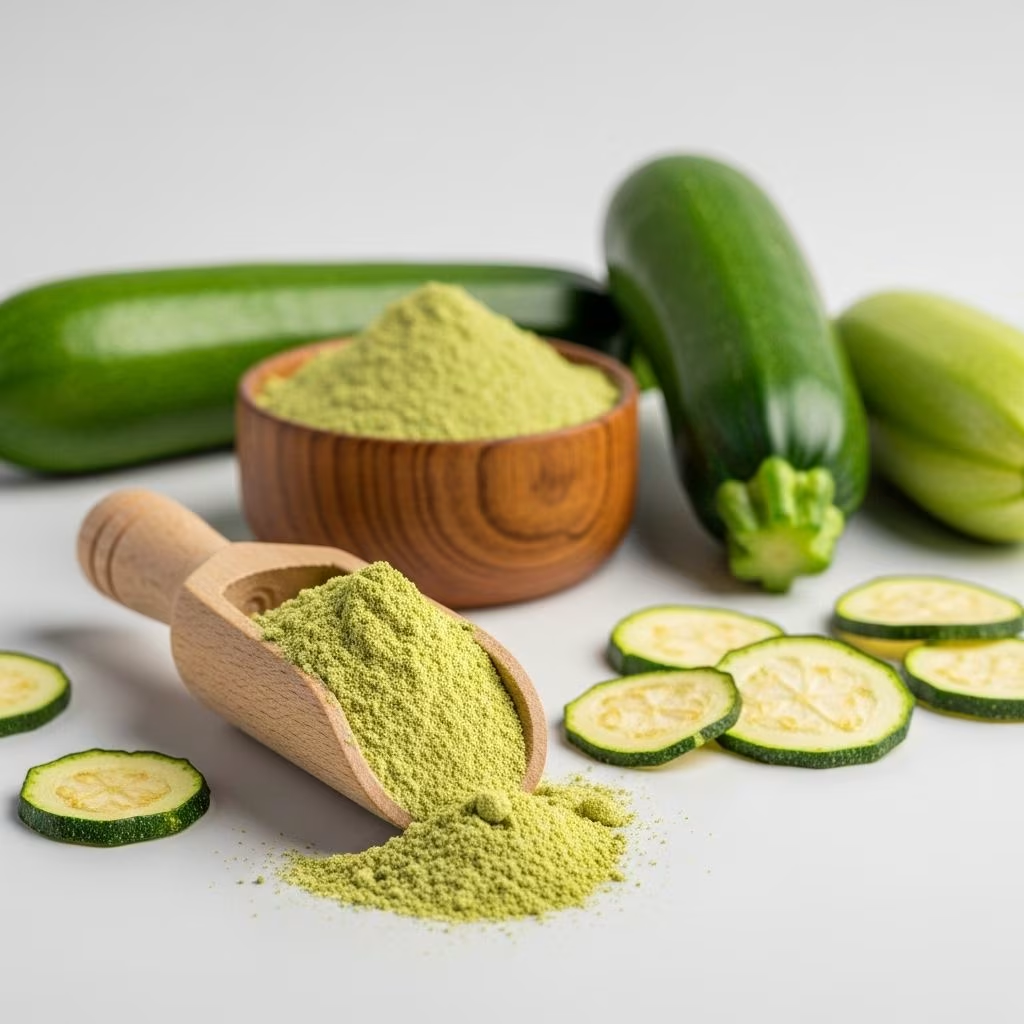
Zucchini powder is a nutrient-rich, shelf-stable product made from dried and finely ground zucchini. As demand for plant-based nutrition and convenient healthy foods rises, zucchini powder is capturing interest for its culinary possibilities and health value. This article explores everything you need to know about zucchini powder: how it’s made, its incredible health benefits, versatile uses, unique flavor, preparation tips, and answers to frequently asked questions.
What Is Zucchini Powder?
Zucchini powder is a finely milled, dehydrated product made from whole zucchinis (with skin), retaining much of the vegetable’s nutrition, flavor, and green color. The powder form allows for longer shelf life, less storage space, and more creative applications than fresh zucchini, making it an appealing option for health-conscious cooks and food manufacturers alike.
Key Features
- Made from 100% zucchini: No additives or preservatives when homemade or from reputable, clean-label brands.
- Shelf-stable: Lasts many months in airtight containers when kept dry and cool.
- Versatile: Can be used to boost nutrition and add subtle flavor to a wide range of recipes.
- Gluten-free and plant-based: Suitable for gluten-free, vegan, or low-carb diets.
How Is Zucchini Powder Made?
The typical process for making zucchini powder involves:
- Cleaning and slicing fresh zucchini (with skin for maximum nutrient retention and antioxidants)
- Dehydrating thoroughly to remove moisture—using a food dehydrator, oven, or air-drying in low-humidity environments
- Grinding the dehydrated slices into a fine powder using a spice grinder, blender, or food processor
- Storing the powder in airtight, moisture-free containers
Commercial suppliers may use gentle, controlled-temperature dehydration to best preserve colors, flavors, and phytonutrients.
Nutritional Profile of Zucchini Powder
Because zucchini powder is simply concentrated dried zucchini, its nutritional profile mirrors that of fresh zucchini, but in a more potent, calorie-dense form due to water loss. Here are the highlights:
- Fiber: Concentrated source that aids digestion
- Vitamins: Good source of B-vitamins (especially B2 and B6), vitamin C, folate
- Minerals: Potassium, copper, manganese, small quantities of magnesium and zinc
- Carotenoids and antioxidants: Lutein, zeaxanthin, beta-carotene – highest in the skin
- Low in fat and sugar: Zucchini is naturally low in both
- Low in calories: Even as a powder, it’s less calorie dense compared to many flours or protein powders
- Plant compounds: Flavonoids, polyphenols, and plant cyclotides (natural antiviral substances)
The concentrated nutrients make even a small amount of zucchini powder a valuable addition to a nutritious diet.
Health Benefits of Zucchini Powder
Including zucchini powder in your diet can provide wide-ranging benefits. Here’s a look at the science-backed perks of this vegetable powder:
- 1. Boosts Immunity: Rich in vitamin C, zinc, and plant cyclotides, zucchini powder supports immune defense and may have antiviral effects.
- 2. Powerful Antioxidant Support: Zucchini’s carotenoids (lutein, zeaxanthin, beta-carotene) help protect cells from oxidative damage, supporting heart and eye health, and potentially reducing cancer risk.
- 3. Promotes Healthy Digestion: High fiber content encourages regularity and feeds beneficial gut bacteria, aiding overall gut health and reducing constipation.
- 4. Helps Maintain Healthy Blood Sugar: Vitamin B6 and dietary fiber assist in balancing blood sugar and may lower diabetes risk.
- 5. Aids Weight Management: Low calorie and high water/fiber combo increases feelings of fullness, helping to support healthy weight loss goals.
- 6. Supports Heart and Vascular Health: Potassium, antioxidants, and dietary fiber help reduce blood pressure and cholesterol, protecting the heart.
- 7. Fosters Eye Health: Lutein and zeaxanthin from zucchini powder defend against blue light and may reduce risk of cataracts or macular degeneration.
- 8. Anti-Inflammatory Effects: Phytonutrients can help temper chronic inflammation, benefitting long-term wellness.
- 9. Supports Energy Metabolism: B vitamins, notably B2 and folate, are crucial for energy release and cellular health.
- 10. Allergen-friendly: Naturally gluten-free and unlikely to cause common food allergies; suitable for sensitive diets.
Culinary Uses of Zucchini Powder
Zucchini powder’s fine texture and neutral profile make it an incredibly versatile ingredient. Here’s how it can be used in everyday cooking and specialized diets:
- Add to Soups and Stews: Whisk in for extra thickness, nutrition, and color
- Boost Smoothies and Juices: Stir a teaspoon or two into green smoothies for added veggie power
- Bake into Breads and Muffins: Substitute a portion of flour with zucchini powder for a nutrient boost
- Enrich Pasta & Rice Dishes: Sprinkle into cooked grains, risottos, or pasta sauces
- Thicken Sauces and Gravies: Its absorptive quality helps achieve the right texture naturally
- Homemade Pasta: Blend with flour for green-tinted, nutrition-enriched pasta doughs
- Egg Dishes & Fritters: Mix into omelets, scrambled eggs, or patties for a veggie hit
- Snack Seasoning: Sprinkle over popcorn, chips, or roasted nuts for a savory, healthful twist
- Pancakes & Crepes: Stir in for color and nutrients
- For Thickening Baby Food: Gentle, mild, and nutritious—perfect for children’s diets
Sample Comparison Table: Zucchini Powder vs. Common Flours
| Characteristic | Zucchini Powder | All-purpose Flour | Almond Flour |
|---|---|---|---|
| Gluten-free | Yes | No | Yes |
| Calories (per 100g) | ~100 | 364 | 570 |
| Dietary Fiber (per 100g) | 8–12g (varies) | 2.7g | 10g |
| Protein (per 100g) | 3–8g (varies) | 10g | 21g |
| Carbohydrate (per 100g) | 18–28g (varies) | 76g | 21g |
The above values are estimates and can vary based on dehydration levels and source.
Taste Profile of Zucchini Powder
Zucchini powder is prized for its mild, slightly sweet, and earthy taste. It has more subtle flavor than spinach or kale powders and blends seamlessly into both savory and some sweet dishes. Its color and flavor tend to be quite mild, allowing other recipe elements to shine while still imparting a gently vegetal freshness. When added to baked goods or pancakes, it does not dominate, but can add a subtle green hue and texture.
- Flavor notes: Slightly sweet, faintly grassy, mildly earthy
- Aroma: Light, clean, neutral—rarely overpowering
- Color: Pale to medium green, depending on the zucchini used and how much green skin is included
How to Use Zucchini Powder in Your Kitchen
With its culinary flexibility, zucchini powder is easy to incorporate. Here are some practical ideas:
- Baking: Start by substituting 1–4 tablespoons for dry flour in breads, cakes, muffins, or pancakes for added vitamins and moisture.
- Soups and Sauces: Stir in toward the end of cooking to enrich flavor and nutrition without excess liquid.
- Eggs and Batters: Add to omelet or frittata mixes, or coat proteins before pan-frying.
- Drinks: Blend into green smoothies or protein shakes for an added vegetable punch.
- Seasoning: Mix with other dried herbs and spices for a seasoning blend on roasted vegetables or popcorn.
As with other dehydrated vegetable powders, a little goes a long way—start small and adjust to taste.
How to Make Zucchini Powder at Home
Making zucchini powder at home is straightforward. It offers control over quality and is a great way to use up excess garden zucchini.
- Wash and dry zucchinis. Trim ends, slice thinly (no need to peel).
- Dehydrate. Lay slices in a single layer on dehydrator trays or oven racks. Dry at 125–135°F (50–57°C) until brittle (usually 8–12 hours).
- Grind. Cool completely, then process in a high-powered blender, food processor, or spice grinder until fine.
- Sift and Store. Sift to remove larger pieces; store powder in airtight jars in a cool, dark place.
Homemade powder can be stored for up to a year if kept dry and sealed.
Potential Side Effects and Allergies
Zucchini and its powder are considered very safe for most people. However:
- Rare allergic reactions (such as nausea, diarrhea, or itchiness) may occur in sensitive individuals
- People with known squash or melon allergies should be cautious
- As with any high-fiber food, introduce gradually to avoid digestive discomfort
- Keep powder sealed, as moisture can promote mold or spoilage
Frequently Asked Questions (FAQs)
Q: Is zucchini powder as nutritious as fresh zucchini?
A: Zucchini powder retains nearly all the core vitamins, minerals, and plant compounds, though vitamin C content may be lower due to dehydration. It’s far more concentrated per gram—so smaller amounts give significant nutritional value.
Q: How much zucchini powder should I use in recipes?
A: Start with 1–2 tablespoons per batch for baked goods, sauces, or smoothies. Too much may alter flavor or texture, so adjust to taste and desired thickness.
Q: Can I use zucchini powder for gluten-free baking?
A: Yes. It’s excellent for gluten-free and low-carb recipes, adding bulk, moisture, and nutrients without gluten. It does not replace flour 1:1 due to lower starch but can comprise 10–25% of a flour blend.
Q: Does zucchini powder have a strong taste?
A: No, it has a mild and neutral taste, making it excellent for blending into a variety of dishes without overpowering other flavors.
Q: Where can I buy quality zucchini powder?
A: Health food stores, online retailers specializing in dehydrated vegetables, and even some supermarkets carry it. For best nutritional value, choose products with no additives or preservatives.
Conclusion
Zucchini powder is a convenient, nutritious, and versatile ingredient that brings subtle flavor, valuable vitamins, and fiber to any kitchen. Whether you’re looking to reduce carbs, increase vegetable intake, or add nutrition to favorite recipes, zucchini powder makes it easy. Its gentle taste, safety, and culinary flexibility have made it a beloved staple among health-conscious cooks—and a clever way to enjoy zucchini year-round.
References
- https://www.webmd.com/diet/health-benefits-zucchini
- https://www.herbazest.com/herbs/zucchini
- https://www.healthline.com/nutrition/zucchini-benefits
- https://homesteadingfamily.com/zucchini-flour/
- https://theprovidenthomemaker.com/my-blog/zucchini-powder
- https://seawindfoods.com/zucchini-versatile-vitamin-rich-vegetable/


