


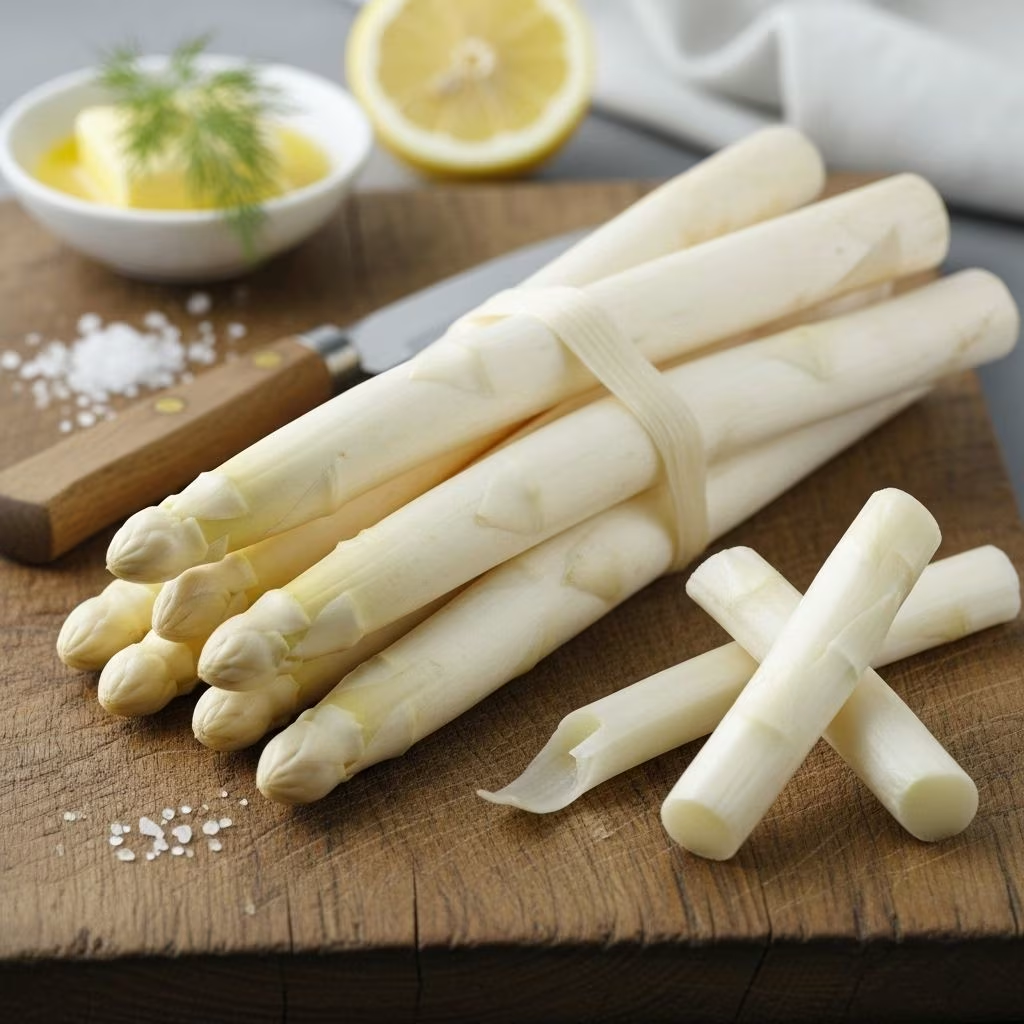
White asparagus—distinctive for its pale ivory stalks and subtle taste—is a gourmet delicacy revered by chefs and food lovers worldwide. Unlike its green counterpart, white asparagus is grown under special conditions, resulting in unique flavor, texture, and nutritional properties.
Introduction to White Asparagus
White asparagus (Asparagus officinalis) stands out for its distinctive pale color, thick yet tender shoots, and nuanced taste. While it shares the same botanical species as green and purple asparagus, white asparagus is a result of a unique cultivation method that prevents chlorophyll formation, leaving the spears white rather than green or purple. This vegetable has played an important role in European culinary heritage for centuries, prized for its delicate flavor and seasonal rarity.
How White Asparagus Is Grown
The defining difference between white asparagus and its green counterpart comes from the way it is cultivated:
- Etiolation Process: White asparagus is grown entirely underground or covered with opaque materials. Soil is mounded over developing spears or the plants are covered with tarps, ensuring that the shoots never see sunlight.
- No Chlorophyll: The lack of sunlight prevents the plant from producing chlorophyll—the compound responsible for green pigmentation in plants. As a result, the spears remain white and develop a milder, less grassy taste.
- Harvesting: White asparagus must be harvested as soon as the tips poke through the soil to maintain their color and texture. It is a labor-intensive process, often done by hand, which adds to its exclusivity and market price.
This cultivation method was developed in Europe, particularly in Germany, France, and the Netherlands, which are still the top producers of white asparagus today.
Appearance and Physical Characteristics
White asparagus looks notably different from green or purple asparagus. Its characteristics include:
- Color: Stalks are pearly white to pale yellow, sometimes with a slight purple tinge at the tips.
- Size: Typically longer and thicker than green asparagus, ranging from pencil-thin to over 22 millimeters in diameter.
- Texture: Stalks are smooth, crisp, and snappy, though sometimes more fibrous, with relatively tough skins that require peeling before cooking.
- Tips: The tops are rounded and closed, often described as tree-shaped or cruciferous.
Taste Profile and Texture
The culinary world celebrates white asparagus for its subtle and sophisticated flavor. Key features of its taste and mouthfeel include:
- Delicate Flavor: It is described as mild, slightly sweet, and nutty, with hints of almond, pine nuts, artichoke, and fresh white corn.
- Low Bitterness: Less bitter and grassy than green asparagus, making it accessible to those sensitive to those flavors.
- Texture: When cooked correctly, it retains a pleasing crunch, often described as tender-yet-firm with a slight juiciness. The outer skin can be fibrous, so most recipes advise peeling the lower two-thirds of the stalks.
This unique taste and mouthfeel explain why white asparagus is a springtime obsession in several European countries.
Nutritional Benefits and Health Impact
White asparagus is not only a culinary luxury but also brings numerous nutritional benefits:
- Low in Calories: It is very low in calories, making it suitable for most weight-conscious diets.
- Vitamins and Minerals: Contains vitamins A, B (including folate), and C, as well as minerals such as potassium, phosphorus, and calcium.
- Phytonutrients & Antioxidants: While its antioxidant content is lower than green asparagus due to lack of chlorophyll, it still provides rutin, ascorbic acid (vitamin C), tocopherol (vitamin E), glutathione, and ferulic acid.
- Aspartic Acid: High in aspartic acid, an amino acid involved in energy metabolism.
- Digestive Health: White asparagus is rich in dietary fiber, supporting digestive health and providing a feeling of fullness.
- Low in Sodium: This makes it especially suitable for heart-healthy and low-salt diets.
Historically, white asparagus was prized for its natural diuretic properties and was once considered a medicinal food.
| Nutrient | White Asparagus | Green Asparagus |
|---|---|---|
| Calories | Low | Low |
| Chlorophyll | Absent | Present |
| Antioxidants | Moderate | High |
| Vitamins | A, B, C | A, B, C, K |
| Fiber | High | High |
Culinary Uses and Preparation Methods
White asparagus is a springtime delicacy in many European cuisines—especially in Germany, France, Austria, Switzerland, Belgium, and the Netherlands. Its brief harvest window makes its arrival a celebrated event, notably during the German Spargelzeit (asparagus season).
Common culinary preparations include:
- Boiling or Steaming: The most traditional method—often simmered in salted water with a pinch of sugar and a slice of lemon. Steaming preserves more nutrients and yields a tender stem.
- Pan-Roasting or Grilling: Less common but increasingly popular in modern kitchens for adding light caramelization.
- Baking: White asparagus can be baked, frequently in a casserole or au gratin with cheese, béchamel sauce, or breadcrumbs.
- Classic Pairings: Often served with hollandaise sauce, melted butter, or vinaigrette, and paired with new potatoes, ham, smoked salmon, or boiled eggs.
- Cold Dishes: Used in salads or chilled appetizers, dressed with citrus, vinaigrette, or mayonnaise-based sauces.
Preparation Tips:
- Peeling: Always peel the lower two-thirds of the stalk with a vegetable peeler, as the outer skin is tougher and more fibrous than green asparagus.
- Trim the Ends: Snap or cut off the woody bottom (about 1/2 inch), as this part can be especially chewy.
- Do Not Overcook: White asparagus is sensitive to overcooking and can quickly become mushy if not watched carefully.
White Asparagus in Global Cuisine
European countries celebrate the short-lived season of white asparagus with festivals, restaurant specials, and home feasts. Some famous examples include:
- Germany: Known as Spargel, white asparagus is considered a prized seasonal ingredient. Entire menus revolve around it, typically served with boiled potatoes, ham, and hollandaise sauce. The season is a culinary highlight of the year.
- France: Called asperges blanches, it is served cold with vinaigrette or warm with mousseline sauce. In the Alsace and Loire regions, white asparagus farms are renowned for quality.
- Netherlands & Belgium: Featured in soups, stews, and simple presentations with eggs and hollandaise.
- Spain: Farmed in Navarra and La Rioja, it is popular in ensaladas and as a featured tapas ingredient.
- United States: White asparagus is gaining popularity as a specialty crop, found in farmers markets and upscale grocers, often imported from Europe.
Storage and Handling Tips
White asparagus is delicate and prone to drying out if not handled correctly:
- Purchase: Look for firm, smooth stalks with closed tips. Thicker spears are often more tender after peeling.
- Refrigeration: Store upright in a glass with an inch or two of water, stalk-side down, with the tops covered by a plastic bag. This method keeps the spears hydrated and crisp for several days.
- Do Not Freeze Raw: Freezing uncooked white asparagus damages the texture. If you wish to freeze, blanch the spears first.
Frequently Asked Questions (FAQs)
Q: How is white asparagus different from green or purple asparagus?
White asparagus is genetically the same species as green or purple asparagus, but is grown without exposure to sunlight, which prevents chlorophyll formation and results in a milder, nuttier flavor and a subtle, less grassy taste.
Q: Is white asparagus healthier than green asparagus?
Both varieties are low in calories and rich in vitamins and minerals. Green asparagus contains more antioxidants due to the presence of chlorophyll and additional phytonutrients, whereas white asparagus has a slightly different micronutrient profile that emphasizes aspartic acid and certain vitamins.
Q: Why is white asparagus expensive?
Its price reflects the labor-intensive cultivation process, where stalks are repeatedly covered and individually harvested. The short season and lower yields also contribute to its higher market price.
Q: Can you eat white asparagus raw?
Due to its thick, fibrous skin and less sweet flavor when uncooked, white asparagus is rarely enjoyed raw. Cooking not only softens the stalks but brings out their sweet, nutty notes.
Q: What does white asparagus taste like?
Its taste is described as mild, sweet, and nutty with very subtle bitterness and almost no grassiness, making it very different from green asparagus.
Q: Do you need to peel white asparagus?
Yes, the outer layer is tougher and more fibrous than green asparagus. Use a vegetable peeler to remove the lower two-thirds before cooking.
Conclusion
White asparagus is a culinary treasure, cherished for its unique flavor, delicate texture, and rich history, particularly within European cuisine. Its special cultivation process sets it apart from green asparagus, providing not only a visual delight on the plate but also a nuanced, subtle taste that signals the arrival of spring in many cultures. Paired with a variety of sauces, proteins, and seasonal ingredients, white asparagus embodies the elegance of seasonal, mindful eating—and continues to enchant chefs and food lovers across the globe.
References
- https://specialtyproduce.com/produce/White_Asparagus_547.php
- https://naturesproduce.com/encyclopedia/white-asparagus/
- https://www.ice.edu/blog/guide-white-asparagus
- https://sentinelcolorado.com/a-town-magazine/fresh-flavor-white-asparagus-worth-searching/
- https://www.tastingtable.com/1237708/what-is-white-asparagus-and-how-does-it-differ-from-other-varieties/
- https://www.aprifel.com/en/nutritional-sheet/asparagus-white/
- https://pmc.ncbi.nlm.nih.gov/articles/PMC7022954/


