


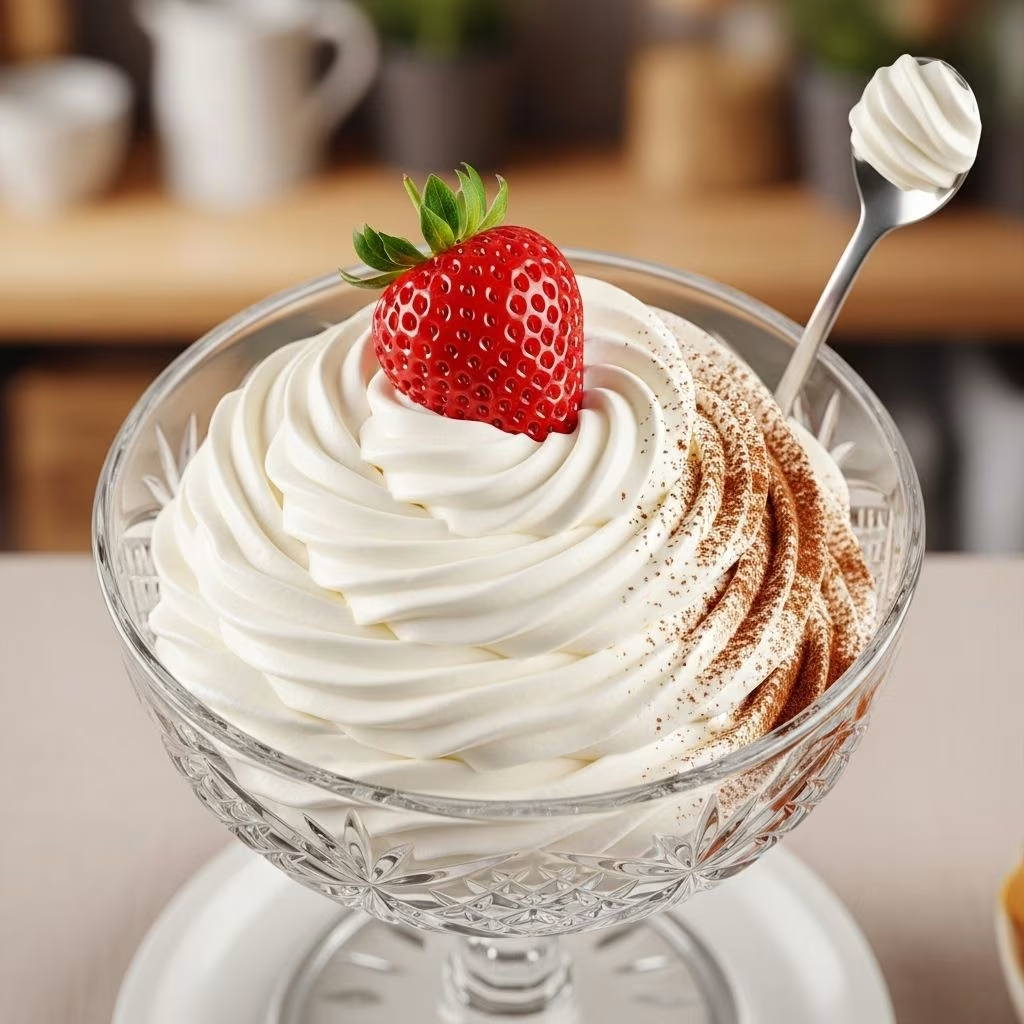
Whipped cream, celebrated for its cloudlike texture and sweet flavor, is a beloved topping and ingredient in cuisines around the world. Whether floating atop steaming hot chocolate, crowning a pie, or acting as a basis for elegant desserts, whipped cream delivers not just aesthetic appeal but also a distinctive taste and mouthfeel. This article explores its composition, nutritional aspects, diverse culinary uses, health impacts, and answers common questions to provide a comprehensive guide to whipped cream.
Definition and Composition of Whipped Cream
Whipped cream, also known as Chantilly cream or crème Chantilly, is a dairy product made by aerating high-fat cream until it becomes light, fluffy, and stable enough to hold its shape. The process traps air within the network of fat molecules, transforming the liquid cream into a semi-solid colloid .
Main Components
- Fatty Phase: Usually milk fat (often 30–36% content), essential for the cream’s ability to trap air and stabilize foam .
- Aqueous Phase: Water or skimmed milk, serving as the continuous phase for solubilized proteins and sugars.
- Stabilizers and Emulsifiers: Such as carrageenan, pectin, or lecithin, which enhance foam stability and texture .
- Sugars and Flavorings: White sugar for sweetness and vanilla or other extracts for flavor.
- Proteins: Milk proteins like caseins, or plant proteins in non-dairy versions, act as emulsifiers and stabilize air bubbles .
These ingredients merge to produce the classic airy, smooth, and spreadable texture associated with whipped cream.
How Whipped Cream Is Made
Creating whipped cream is both a scientific and culinary process, relying on the right balance of fat and careful technique:
- Standardization: Adjusting the cream’s fat content, usually above 30%, to ensure optimal whipping potential .
- Ageing: Chilling the cream (commonly at 4°C) for 12–24 hours to improve whipping efficiency and texture.
- Pasteurization: Heating to kill bacteria, typically at 85°C for 15 seconds, ensuring safety and extending shelf life .
- Whipping: Incorporating air using a whisk, electric mixer, or siphon, which causes fat globules to partially coalesce and trap air, creating volume and structure. Over-whipping may lead to the formation of butter .
Whipped cream may be prepared fresh or purchased pre-made in aerosol cans or tubs for convenience. Instant whips often utilize nitrous oxide for aeration in commercial products .
Types of Whipped Cream
There are several variations of whipped cream, differing in fat content, ingredients, and intended culinary applications:
- Heavy Whipping Cream: Contains 36% or more milk fat; particularly stable and rich.
- Light Whipping Cream: 30–35% fat; creates lighter foam but less stability than heavy cream.
- Aerosol Whipped Cream: Pre-sweetened and stabilized, available in pressurized cans for instant use.
- Non-Dairy and Plant-Based Whipped Cream: Uses vegetable fats, plant proteins (soy, coconut, chickpea, etc.), and stabilizers to cater to vegans or lactose-intolerant consumers .
Benefits of Whipped Cream
Whipped cream offers not only culinary versatility but also certain nutritional and practical benefits:
- Rich Source of Energy: High in fat, primarily saturated, whipped cream provides caloric density which can be valuable in certain dietary contexts.
- Source of Fat-Soluble Vitamins: Contributes vitamins A, D, E, and K naturally occurring in dairy fat (amount depends on serving size).
- Versatility Enhancing Food Palatability: Whipped cream elevates the visual and sensory appeal of many dishes, increasing satisfaction and enjoyment .
- Potential Cognitive and Hormonal Benefits: Moderate fat intake from dairy sources has been suggested by some research to contribute to satiety, cognitive health, and hormone production (within a balanced diet).
However, due to its high saturated fat and calorie content, whipped cream should be enjoyed in moderation, particularly by those managing cholesterol or calorie intake.
Culinary Uses of Whipped Cream
Whipped cream’s light texture and mild sweetness make it an invaluable component in both sweet and, occasionally, savory dishes. Its main uses include:
- Topping: For pies, cakes, puddings, fruit salads, hot puddings, waffles, pancakes, and beverages (such as hot chocolate, coffee, espresso, and specialty drinks).
- Ingredient: In desserts like trifles, mousses, and parfaits, and as a base for frozen treats, frosting, and pastries.
- Decoration: Piped for garnish, adding aesthetic flourish to plated desserts and beverages.
- Accompaniment: Paired with fresh berries, baked apples, or poached pears for a simple dessert.
- Savory Applications: Occasionally incorporated into cold soups, dips, or as a component in creamy salad dressings.
Taste Experience of Whipped Cream
The flavor and mouthfeel of whipped cream are central to its popularity:
- Creamy and Mildly Sweet: Fresh unflavored whipped cream delivers a gently sweet, dairy-rich flavor sometimes enhanced with sugar and vanilla .
- Luxuriously Smooth Texture: Whipped cream is characterized by its pillowy, smooth, and melt-in-the-mouth consistency—striking a balance between lightness and richness thanks to the air incorporated and the dairy fat content.
- Flavor Flexibility: Its subtle flavor makes it an excellent complement to both fruity and chocolaty desserts, as well as a carrier for additional flavorings like cocoa, citrus zest, coffee, or liqueurs.
Storage and Shelf Life
Proper storage is crucial to maintain the freshness and stability of whipped cream:
- Fresh Whipped Cream: Best used within 1–2 hours when kept at room temperature; can last up to 2–3 days refrigerated if stabilized with a small amount of sugar or gelatin .
- Commercial Whipped Cream: Shelf-stable varieties (canned or tub) last longer due to added stabilizers and preservatives; refer to packaging for details.
Regardless of form, exposure to heat can cause whipped cream to liquefy and lose volume rapidly. Whipped cream also absorbs odors from the fridge, so keep it sealed tightly.
Nutritional Aspects
Below is a typical nutritional profile for 30 grams (about 2 tablespoons) of unsweetened whipped cream:
| Nutrient | Amount |
|---|---|
| Calories | 100–120 kcal |
| Total Fat | 10–12 g |
| Saturated Fat | 6–7 g |
| Carbohydrates | 1–2 g (increases with added sugar) |
| Protein | Less than 1 g |
| Calcium | Approx. 10 mg |
| Vitamin A | 10–15% Daily Value |
Whipped cream is high in fat and calories but low in protein and carbohydrates unless sweetened or flavored. Those seeking lower-fat alternatives can explore plant-based or reduced-fat options, though these may differ in flavor and texture.
Tips for Making Perfect Whipped Cream
- Start with Cold Ingredients and Equipment: Keeping both the cream and utensils chilled helps create stable foam and prevents premature melting .
- Use Heavy Cream or Whipping Cream: Ensure fat content is above 30%—lower fat products will not whip well.
- Whip Gradually: Start on a slow speed and increase gradually to avoid splattering and achieve the desired soft or stiff peaks.
- Do Not Over-Whip: Stop as soon as it reaches desired consistency; over-mixing will turn the mix grainy and eventually into butter .
- Add Sugar and Flavorings at Soft Peak Stage: If desired, mix in sugar (powdered is best) or vanilla extract when cream begins to thicken.
Frequently Asked Questions (FAQs)
Q: What is the difference between whipped cream and heavy cream?
A: Heavy cream refers to the liquid dairy product before whipping; it must contain at least 36% milk fat. Whipped cream is the airy, semi-solid foam created by whipping heavy cream, often with added sugar and vanilla. The terms are sometimes used interchangeably, but only the finished product is called whipped cream.
Q: Can you whip non-dairy creams?
A: Yes, many plant-based creams (coconut, soy, almond, chickpea, etc.) are formulated to be whippable. They typically use plant oils and proteins, along with stabilizers, to mimic the texture and mouthfeel of dairy whipped cream .
Q: Is whipped cream suitable for people with lactose intolerance?
A: Traditional dairy whipped cream does contain lactose, though at lower amounts compared to milk. For lactose-intolerant individuals, lactose-free or plant-based alternatives are available and widely used.
Q: How can I stabilize homemade whipped cream for longer use?
A: Add a small amount of gelatin, cornstarch, or commercial stabilizer to the cream while whipping. Powdered sugar also offers some structural benefit. Store refrigerated and consume within a few days for best quality.
Q: What are some classic desserts using whipped cream?
A: Strawberry shortcake, banoffee pie, black forest cake, Eton mess, and chocolate mousse are renowned for their incorporation of whipped cream. It’s also a favorite topping for beverages like Irish coffee and affogato.
References
- https://pmc.ncbi.nlm.nih.gov/articles/PMC11678082/
- https://en.wikipedia.org/wiki/Whipped_cream
- https://agriculture.institute/dairy-products-i/perfecting-whipping-cream-steps-tips/
- https://patents.google.com/patent/US5609904A/en
- https://www.healthline.com/nutrition/heavy-cream-vs-heavy-whipping-cream
- https://www.ecfr.gov/current/title-21/chapter-I/subchapter-B/part-131


