


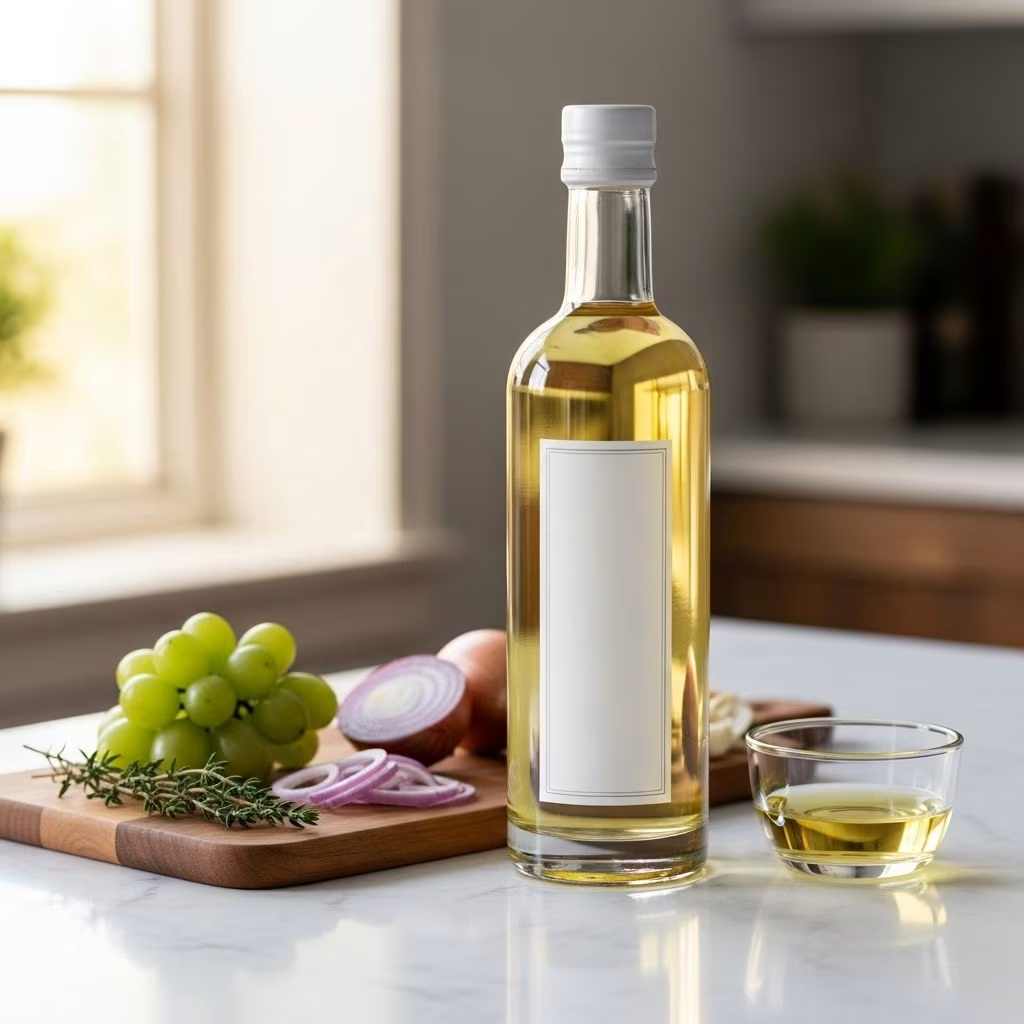
White wine vinegar is a household staple renowned not only for its subtle yet complex contribution to culinary creations but also for its role in health, preservation, and cleaning. Whether you’re a home cook looking to perfect a vinaigrette or someone interested in natural cleaning alternatives, understanding the origins, benefits, uses, and sensory properties of white wine vinegar will broaden your appreciation for this versatile ingredient.
Introduction to White Wine Vinegar
White wine vinegar is a fermented vinegar derived from white wine. This vinegar is a cornerstone in Mediterranean cuisine and is highly valued for its ability to enhance flavors in a variety of dishes — not just salads, but also marinades, sauces, and pickled foods. Its uses extend far beyond the kitchen, supporting eco-friendly cleaning and wellness routines.
How Is White Wine Vinegar Made?
The process of producing white wine vinegar involves two distinct fermentation phases:
- Alcoholic Fermentation: Yeasts convert sugars in grape juice into alcohol, producing white wine.
- Acetic Fermentation: Specific aerobic bacteria (notably, Acetobacter) transform the alcohol into acetic acid via oxidation, giving vinegar its signature tangy sourness.
The fermentation can be hastened or slowed depending on batch conditions, but traditional, slow fermentation in barrels is prized for developing complexity and subtlety in flavor.
The Role of ‘Mother’ in Vinegar
During natural fermentation, you might notice a gelatinous mass appearing—which is colloquially called the ‘mother of vinegar.’ This is a harmless formation of acetic acid bacteria and cellulose, indicting a natural and robust fermentation process.
Acidity and Alcohol Content
- Acidity: Commercial white wine vinegars range between 6–7.1% acetic acid.
- Alcohol: Minimal residual alcohol remains, typically less than 1.5% by volume.
This balance ensures a crisp, clean acidity without lingering alcoholic notes.
Varieties and Quality
The quality and type of white wine vinegar depend on the raw material and production method:
- Source Grapes: Vinegars may be produced from a variety of white wines such as Chardonnay, Trebbiano, or specialty grape blends from regions like Sicily.
- Aged Varieties: Premium white wine vinegars may be aged in wood barrels (e.g., Slavonian oak or American larch), developing complex flavor notes and a rounder mouthfeel.
- Organic & Flavored Varieties: Many producers offer organic options or infuse vinegars with herbs, lemon, or tarragon for culinary variety.
- White Condiments: These are blends of white wine vinegar with grape must (the freshly crushed juice of grapes), yielding a more delicate flavor akin to a light balsamic, but without the dark color.
When selecting a high-quality white wine vinegar, examine the ingredient list for purity (ideally just ‘white wine vinegar’) and avoid artificial colorings or preservatives.
Nutritional and Health Benefits
White wine vinegar is a low-calorie condiment, virtually free of fat or sugar due to fermentation:
- Very low in calories: A tablespoon has less than 5 calories.
- Zero fat and nearly zero sugar: The triple fermentation removes fermentable sugars.
- Contains trace minerals and antioxidants deriving from the source wine, though these are present in non-significant daily quantities.
Potential Health Benefits
- Digestive Aid: Some people use a splash of white wine vinegar to stimulate digestion before or with meals, similar to apple cider vinegar.
- Glycemic Control: Acetic acid may help slow digestion of starch and reduce postprandial blood sugar spikes, though research is more extensive on other vinegars.
- Preservation of Nutrients: Used as a preservative or pickling agent, vinegar helps maintain the vitamin content of certain foods.
- Antimicrobial properties: The acidic pH inhibits spoilage and certain harmful bacteria on contact.
While its health benefits are not as pronounced as in raw apple cider vinegar, white wine vinegar remains a healthy, additive-free flavor enhancer.
Culinary Uses of White Wine Vinegar
White wine vinegar is distinguished by its versatility and subtle flavor, making it indispensable in Mediterranean and global cuisines. Here are some of the primary culinary roles:
- Salad Dressings: Creates well-balanced vinaigrettes without overpowering more delicate greens.
- Marinades: Perfectly tenderizes proteins and imparts brightness to poultry, fish, or vegetables.
- Sauces and Emulsions: A keystone in creating hollandaise, béarnaise, and French-style mayonnaise.
- Deglazing: Adds depth when deglazing pans for quick pan sauces.
- Pickling: Preferred for its clear color, so pickled vegetables maintain their vibrant appearance.
- Brining: Used in brines for poultry or vegetables, imparting subtle acidity and enhancing juiciness.
- Soups and Stews: A splash added just before serving can brighten and balance flavors.
- Baking: Occasionally used to balance sweet flavors or activate leavening agents (e.g., baking soda) in cakes and batters.
White wine vinegar is prized for not staining foods, unlike red wine or balsamic vinegars, maintaining the visual appeal of lighter dishes.
Classic Recipes Featuring White Wine Vinegar
- Traditional French vinaigrette
- Chicken piccata or Mediterranean-style fish
- Quick-pickled onions or cucumbers
- Béarnaise sauce for steak or eggs
Non-Culinary Uses
White wine vinegar’s natural acetic acid content makes it a favored eco-friendly option for various household applications:
- Cleaning Agent: Effectively removes limescale, soap residue, and acts as a natural disinfectant for kitchen surfaces.
- Pet Odor Neutralization: Used to clean pet bedding and neutralize odors without harsh chemicals.
- Fruit and Vegetable Wash: Diluted with water to help remove pesticide residues and microorganisms from produce.
- In Laundry: Softens fabrics and deodorizes clothing.
While it’s not as potent as distilled white vinegar for tough cleaning, white wine vinegar offers gentler, less astringent scent and is often preferred for dishes, glassware, and delicate uses. Always avoid using vinegar on natural stones such as marble or granite, as the acid can etch the surface.
Taste Profile: What Does White Wine Vinegar Taste Like?
White wine vinegar is appreciated for its balanced acidity and subtle complexity:
- Acidity: The primary sensation is sharpness and tang, characteristic of acetic acid.
- Fruity, Floral Notes: Quality vinegars preserve underlying fruit aromas and sometimes a whisper of florality from the source wine.
- Dry Finish: Absence of residual sugar makes the flavor profile “dry”—crisp and clean with no lingering sweetness.
- Clean Mouthfeel: White wine vinegar is less harsh than distilled white vinegar, with a rounder, more delicate sensation.
Different varieties may exhibit subtle variations: aged vinegars acquire a touch of wood, while those blended with grape must may taste smoother and slightly more aromatic.
Comparison: White Wine Vinegar vs Other Vinegars
| Vinegar | Source | Color | Acidity | Flavor Profile | Best Uses |
|---|---|---|---|---|---|
| White Wine Vinegar | White wine | Clear, pale yellow | 6-7.1% | Mild acidity, subtly fruity, dry | Dressings, pickling, sauces |
| Red Wine Vinegar | Red wine | Red or pink hue | 6-7.1% | Bolder, fruitier, slightly tannic | Marinades, sauces, hearty salads |
| Distilled White Vinegar | Grain alcohol | Colorless | 5-7% | Very sharp, neutral | Cleaning, pickling, strong-flavor preservation |
| Apple Cider Vinegar | Apple cider | Amber | 5-6% | Tart, with mild apple notes | Drinks, dressings, health tonics |
| Balsamic Vinegar | Cooked grape must & wine vinegar | Dark brown | 6-7% | Sweet-tart, rich, complex | Finished dishes, glazes, fruits |
Buying and Storing Tips
- Quality: Look for vinegars with no additives, artificial colors, or unlisted ingredients. Choose glass bottles over plastic when possible for purity.
- Storage: Store in a cool, dark place. An opened bottle tightly sealed will keep its best flavor for at least one year.
- Signs of Spoilage: Vinegar is self-preserving due to its acidity, but aged bottles may sometimes develop new ‘mother’ or sediment—these are harmless and can be filtered out if desired.
Frequently Asked Questions (FAQs)
Q: Can white wine vinegar be substituted for white vinegar or red wine vinegar?
A: While they serve different roles, white wine vinegar can often substitute for distilled white vinegar in recipes requiring milder acidity and no color, and for red wine vinegar if a subtler, non-staining acidity is desired. Adjust quantities to taste.
Q: Is there alcohol in white wine vinegar?
A: Finished vinegar contains only trace amounts of alcohol—less than 1.5%—due to the fermentation process breaking it down into acetic acid.
Q: Is white wine vinegar gluten-free and vegan?
A: Yes. It is naturally gluten-free and typically vegan; however, always check the label for flavor additives or clarifying agents if strict compliance is necessary.
Q: Does white wine vinegar offer the same health benefits as apple cider vinegar?
A: Both contain acetic acid, which is linked to some health benefits such as glycemic control and digestion. However, white wine vinegar lacks the probiotic-rich ‘mother’ sometimes prized in raw apple cider vinegar.
Q: Are there any foods that shouldn’t be paired with white wine vinegar?
A: Its delicate flavor suits most foods, but avoid using it with strongly flavored dishes where a darker, sweeter vinegar would balance better (such as balsamic with roasted meats).
Conclusion
White wine vinegar is a pillar of good taste and practical utility in both kitchen and home. Its mildly tangy flavor, health benefits, and reliable preservation quality have made it a classic not only in European gastronomy but in households worldwide. Whether you’re seeking to refine your recipes, embrace natural cleaning solutions, or simply explore a new taste profile, white wine vinegar is both a traditional and modern essential.
References
- https://acetovarvello.com/en/white-wine-vinegar-benefits-uses-properties/
- https://acetaiasereni.com/en/prodotti-en/what-is-wine-vinegar/
- https://brightland.co/blogs/field-notes/types-of-vinegar
- https://boards.straightdope.com/t/difference-between-white-vinegar-and-white-wine-vinegar/643505
- https://www.ulprospector.com/en/na/Food/Detail/4199/118384/White-Wine-Vinegar
- https://www.masterclass.com/articles/what-is-white-wine-vinegar-white-wine-vs-red-wine-vinegar-and-how-to-use-white-wine-vinegar


