


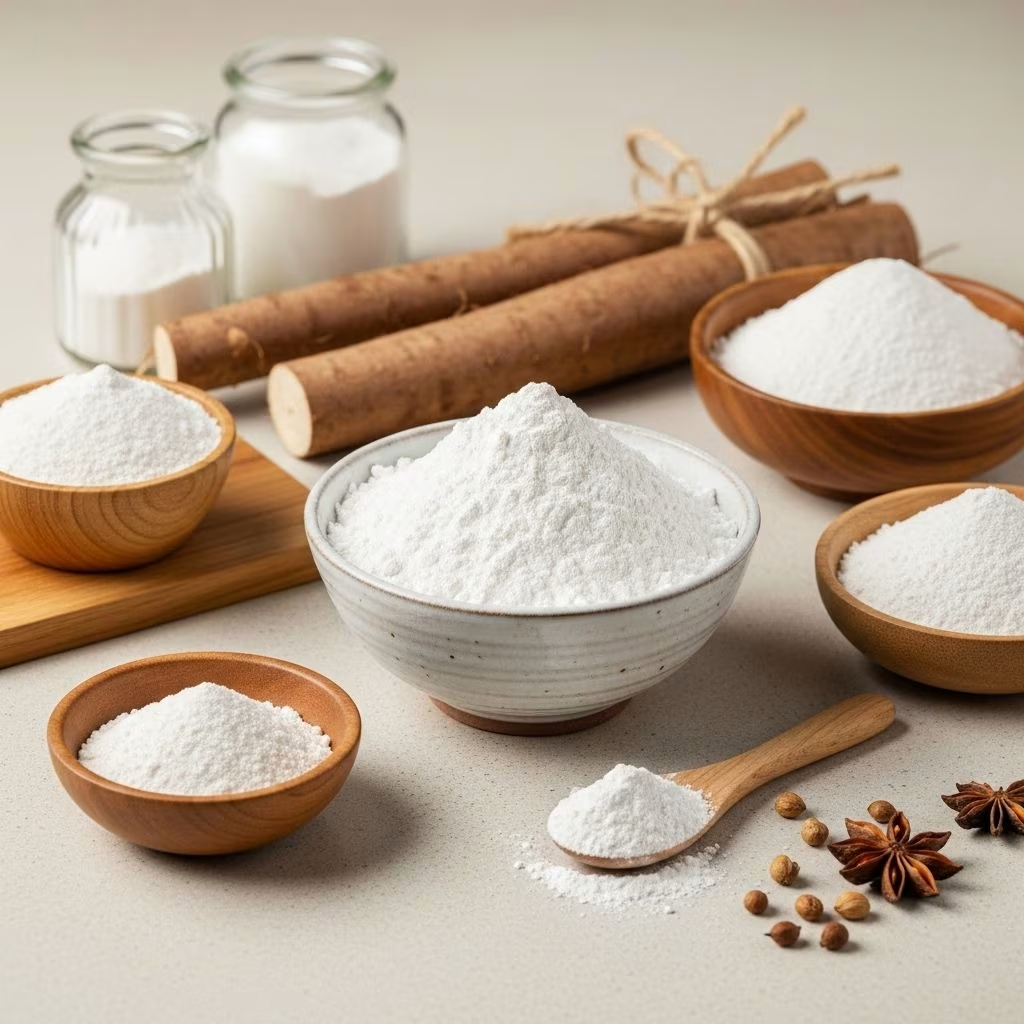
Yam starch has emerged as a valuable ingredient for bakers, chefs, and home cooks keen on exploring the rich world of root-based thickeners. This comprehensive guide examines the properties of yam starch, its growing culinary uses—especially in baking—its nutrition profile, and practical substitutes if you can’t find yam starch at your local market. Discover how yam starch can transform recipes, support diverse dietary needs, and open up new possibilities for both traditional and innovative baked goods.
What Is Yam Starch?
The term yam starch refers to the fine, white powder extracted from various species of yam tubers (Dioscorea spp.). Yam starch is chemically similar to other root starches, such as potato, cassava, and sweet potato, but it possesses distinct gelation and thickening properties, making it uniquely useful in culinary applications.
Yams and sweet potatoes, though often confused, are distinct: yams are starchy roots native to Africa and Asia, while sweet potatoes are root vegetables widely grown in the Americas and Asia. The starch from yams is harvested by peeling, grating, soaking, and mechanically separating the starch granules, which are then dried into a powder suitable for culinary and industrial purposes.
Key Properties of Yam Starch
- Neutral Flavor: Minimal taste or aroma, making it ideal in sweet and savory recipes alike.
- Fine Texture: Produces smooth sauces and batters.
- Clear Gel Formation: Yields a transparent, glossy finish when cooked with liquids.
- High Thickening Power: A small amount can thicken large volumes.
- Gluten-Free: Suitable for celiac and gluten-intolerant diets.
Baking Uses of Yam Starch
Yam starch is prized for its ability to improve texture, moisture, and shelf life in baked goods. Here are the most notable applications in baking:
Cakes and Cookies
Yam starch can be incorporated directly into cakes and cookies for a moist, tender crumb. It is often used alongside wheat flour to increase softness or as a primary flour in gluten-free recipes. A classic example is the Golden Yam Cake, where shredded yam and starch blend to create an exceptionally moist texture and a delicate, slightly earthy flavor profile.
Gluten-Free Baking
The absence of gluten in yam starch makes it a cornerstone in gluten-free and allergy-friendly baking. It acts as a binder, imparting structure and elasticity to bread, muffins, and other desserts that traditionally rely on gluten for texture. When baked, yam starch ensures that gluten-free products have a lighter, less dense mouthfeel compared to other starches.
Yam Starch in Asian Pastries
In East and Southeast Asian cuisines, yam starch is widely used in the preparation of traditional cakes like Kuih and Kueh. These steamed or baked desserts often combine yam, rice flour, wheat starch, and aromatics for a result that is chewy, soft, and visually appealing. The starch’s clarity and smooth texture also lend well to savory pastries and dumplings.
Thickening Batters and Doughs
Due to its high water-absorption capacity, yam starch is an efficient thickener for cake batters, pancake mixes, and doughs. It provides viscosity while remaining neutral in flavor, ensuring that the original taste of the primary ingredients shines through. This property is particularly valuable when preparing puddings, custards, or cobblers where a stable, consistent texture is essential.
Best Substitutes for Yam Starch
If you cannot find yam starch locally, several alternatives can mimic its culinary properties:
- Cornstarch: Offers similar thickening power but may make sauces slightly cloudier. Works well in cakes and cookies as a direct substitute.
- Potato Starch: Provides a light, soft crumb and a neutral taste. Excellent for gluten-free baking and as a soup thickener.
- Sweet Potato Starch: Close in texture and flavor, sweet potato starch is especially common in Asian recipes for chewy pastries and noodles.
- Tapioca (Cassava) Starch: Yields a chewy texture perfect for puddings and some cakes. It adds shine and clarity when used in pie fillings and sauces.
- Arrowroot Starch: Neutral flavor and smooth texture, good for delicate custards, sauces, and desserts.
| Substitute | Best For | Notes |
|---|---|---|
| Cornstarch | General thickening, baking | May become cloudy; not ideal in acidic recipes |
| Potato Starch | Bread, gluten-free cakes | Retains light texture; neutral flavor |
| Sweet Potato Starch | Asian desserts, noodles | Chewy mouthfeel, closely related to yam |
| Tapioca Starch | Pies, puddings | Adds gloss; slightly chewy |
| Arrowroot Starch | Custards, sauces, clear glazes | Good for delicate dishes; neutral taste |
Nutritional Profile of Yam Starch
Understanding the nutrition of yam starch is key for health-conscious bakers and cooks. Yam starch is primarily composed of carbohydrates, offering a fast source of energy. Compared to wheat flour and some other root starches, it has a simple nutrient profile, but the base yam contains a variety of micronutrients.
- Calories: Yam starch is calorie-dense, providing roughly 350 calories per 100 grams (varies by brand and preparation).
- Carbohydrates: Nearly 85–90% by weight, with little to no fiber.
- Fat: Negligible; less than 0.5g fat per 100g.
- Protein: Very low, usually under 1g per 100g.
- Micronutrients: Trace amounts of potassium, magnesium, and small quantities of vitamin C, depending on the processing method. Whole yam contains more fiber, vitamin A, and antioxidants than the isolated starch.
- Gluten-Free: Safe for gluten-intolerant and celiac individuals.
Note: The processing of yam starch removes much of the fiber and micronutrients found in whole yams, concentrating the carbohydrate content while stripping away flavonoids, sugars, and most vitamins present in the tuber skin and flesh.
Practical Tips and Storage
- Store yam starch in a cool, dry place in an airtight container to avoid clumping and spoilage.
- For best results in baking, sift yam starch before measuring.
- Substitute yam starch for wheat or corn starch on a 1:1 basis by weight, but adjust liquid in recipes as yam starch has higher water-absorbing capability.
- Avoid overheating yam starch in sauces, as it may break down and lose its thickening quality if boiled excessively.
Popular Recipes and Ideas
Golden Yam Cake
This beloved American-style cake incorporates fresh or shredded yam with flour, eggs, sugar, and butter, baked and topped with a simple powdered sugar icing for an ultra-moist dessert. Yam starch can be used in combination with flour for a finer crumb and increased tenderness. Typical nutrition per serving includes moderate potassium and vitamin A, with a rich, satisfying texture.
- 1 cup butter (softened)
- 3/4 cup brown sugar, 3/4 cup granulated sugar
- 4 large eggs
- 2 tsp vanilla extract
- 1½ cups flour (with up to 1/2 cup replaced with yam starch)
- 1 tsp baking powder, ½ tsp salt
- 2 cups shredded yam
- Simple icing: powdered sugar, butter, milk
Bake at 350°F for 20–25 minutes, top with icing while still warm. Store covered at room temperature for up to 2 days, or refrigerated up to 5 days.
Classic Asian Yam Cake (Kuih or Kueh)
Popular across Malaysia and Singapore, this steamed delicacy uses diced yam, yam starch, rice flour, and wheat starch to create a savory cake, often topped with dried shrimp, shallots, scallions, and crispy bits. It’s typically served with chili sauce or hoisin sauce for dipping.
- Stir-fry yams and aromatics, then combine with a paste of rice flour, wheat (or yam) starch, and water.
- Steam for about 45 minutes. Let cool, top with fried shallots, red chilies, and fresh herbs.
- For a chewier, less ‘cakey’ texture, use a touch more wheat or yam starch in the batter.
Southern Yam Cobbler
The Southern United States also features yam in sweet, hearty cobblers, where yam starch or flour helps thicken the base and provides a creamy filling that contrasts the golden biscuit or cake topping.
- 40 oz canned or cooked yams (including juice)
- Stick of butter, melted in the baking dish
- 1 cup flour (substitute 1/4 cup with yam starch for extra smoothness)
- 1 cup sugar, 1 cup milk, and 1/2 cup brown sugar
- Sprinkle with cinnamon, bake at 350°F for 40–45 minutes until bubbly and golden brown
Frequently Asked Questions (FAQs)
What is the difference between yam starch and sweet potato starch?
Though both are root starches and can substitute for each other in many recipes, yam starch has a slightly milder, more neutral flavor, and forms a more transparent gel when cooked. Sweet potato starch tends to be somewhat sweeter and may impart a firmer chew, particularly in Asian desserts.
Can yam starch be used as a direct substitute for cornstarch?
Yes, in most recipes yam starch and cornstarch can be swapped 1:1 by weight. However, yam starch may thicken at a lower temperature, so monitor texture closely when using.
Is yam starch suitable for keto or low-carb diets?
No, yam starch is primarily composed of carbohydrates and is not low-carb. Those following a keto or strict low-carb diet should avoid or use sparingly.
How does yam starch affect the texture of gluten-free baked goods?
Yam starch improves the tenderness, chewiness, and shelf life of gluten-free products, creating a finer crumb and preventing dryness often found in gluten-free breads and cakes.
How should yam starch be stored?
Keep in an airtight container in a cool, dry pantry. Properly stored, yam starch may last 6–12 months before quality begins to decline.
Conclusion
Yam starch is a versatile, naturally gluten-free ingredient valued for its ability to enhance the texture and stability of both traditional and innovative baked goods. Its mild flavor and thickening strength, combined with a straightforward nutritional profile, make it a valuable addition to modern pantries—especially for those exploring gluten-free or global recipes. While several substitutes exist (cornstarch, potato starch, sweet potato starch), yam starch’s unique gelation and baking performance warrant its place as a staple in creative kitchens worldwide.
References
- https://www.fromvalerieskitchen.com/golden-yam-cake/
- https://www.youtube.com/watch?v=GkJ4dZzF50E
- https://rasamalaysia.com/yam-cake-recipe-or-kuih/
- https://1pfoods.com/10-delicious-recipes-you-can-make-with-yam-flour
- https://allnigerianfoods.com/yam-recipes/
- https://www.delish.com/cooking/g178/yam-recipes/


