


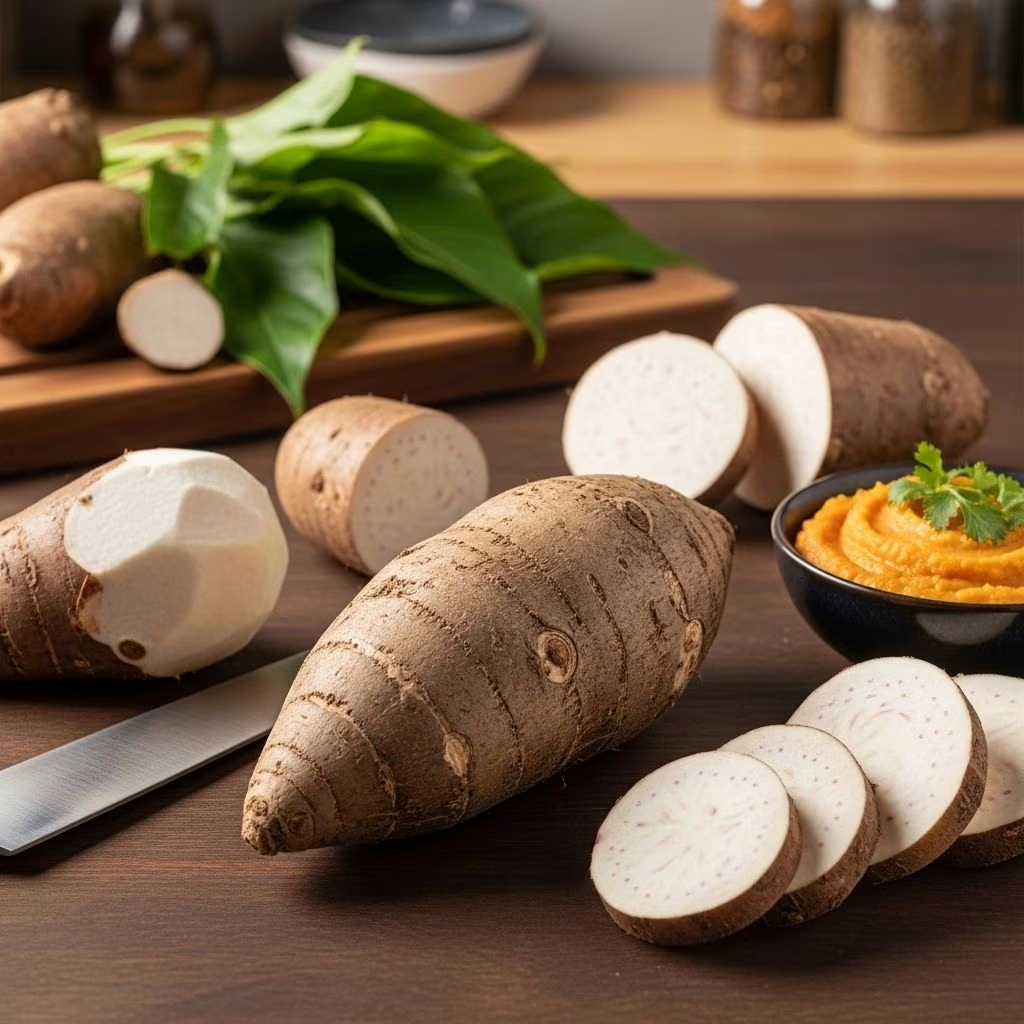
Yautía (Root/Tuber): Benefits, Uses, and Taste
Yautía, also known in various regions as malanga, tannia, or cocoyam, is a hearty tropical root revived in kitchens worldwide for its unique flavor, impressive nutritional value, and culinary adaptability. In this article, we explore the history, varieties, health benefits, uses, and taste profiles of yautía, illuminating why it has long been treasured from the Caribbean and Latin America to Africa and Asia.
Introduction to Yautía
Yautía is a tropical root vegetable botanically classified as Xanthosoma sagittifolium and part of the Araceae family—the same as decorative philodendron plants. Native to the northern regions of South America and the Caribbean, yautía has spread across tropical and subtropical zones worldwide, valued for its starchy underground corm.
Yautía is often confused with taro, but although they share similar characteristics, they are distinct plants with unique flavors and uses. The root is fleshy, covered by rough, hair-like fibers, and comes in multiple varieties, primarily distinguished by flesh color: white (yautía blanca), yellow (yautía amarilla), and less commonly, pink or reddish hues.
Other regional names include malanga, tannia, taioba (Brazil), and amadumbe (South Africa).
Botanical Background and Varieties
Scientific name: Xanthosoma sagittifolium and Xanthosoma atrovirens
Family: Araceae
Yautía plants feature large, arrow- or heart-shaped leaves growing from tall stalks attached to the ground by cylindrical corms. These corms—technically modified stems—are the edible parts most commonly referred to as yautía or malanga roots.
The main varieties include:
- White yautía (yautía blanca or malanga blanca): Characterized by white or ivory flesh and a brown, rough exterior.
- Yellow yautía (yautía amarilla or malanga amarilla): Notable for its yellow flesh, with similar exterior but denser and slightly waxier texture.
- Purple, pink, or reddish yautía: These varieties are less common and usually distinguished by subtle taste and texture differences.
Both the corm and the leaves are edible. Young leaves may be cooked like spinach, imparting a grassy, vegetal flavor to dishes.
Nutritional Benefits
Yautía owes its high nutritional reputation to its blend of starch, fiber, and vitamins. The root contains slow-digesting complex carbohydrates, making it a staple for energy and steady blood sugar levels.
- Carbohydrates: Yautía is primarily a source of complex carbohydrates (amylose and amylopectin), ideal for sustained energy without blood sugar spikes.
- Dietary Fiber: It offers moderate amounts of fiber, aiding digestion and promoting gut health.
- Protein: While not a significant protein source, yautía contains a modest amount compared to many other tropical roots.
- Vitamins: It contains vitamin B6, small traces of vitamins A and C, and provides essential nutrients for immunity and metabolism.
- Minerals: Rich in copper, iron, and potassium, yautía supports healthy blood and nerve function.
- Gluten-Free: Naturally devoid of gluten, it is a safe food for those with celiac disease or gluten sensitivity.
Sample nutritional profile (per 100g):
- Calories: ~100 kcal
- Carbohydrates: 25–28g
- Fiber: 3–5g
- Protein: 1–2g
- Potassium: 400–650mg
- Vitamin B6: 15–18% of daily value
- Copper, iron: trace to moderate amounts
Health Benefits
- Low-Allergenic Food: Yautía is considered one of the lowest allergenic foods, making it suitable for those with multiple food sensitivities or allergies.
- Digestive Health: The fiber in yautía aids digestion and regularity.
- Blood Sugar Regulation: Slow-digesting starches help stabilize blood sugar, beneficial for diabetics or those seeking steady energy.
- Gluten-Free Diets: Yautía flour and preparations offer a nutritious alternative to wheat-based foods for gluten-intolerant individuals.
- Heart Health: Potassium contributes to balanced blood pressure and cardiovascular health.
- Immunity Support: Trace vitamins (A, C, B6) bolster immune functions and promote healthy metabolism.
In some cultures, the leaves of yautía are considered medicinal—used for fevers and as topical remedies in West Malaysian traditions.
Culinary Uses and Preparation
Yautía has earned its reputation for versatility in the kitchen. Its subtle, earthy taste and starchy texture allow it to seamlessly substitute for potatoes, yams, taro, and other roots in recipes worldwide. However, raw yautía must always be cooked to remove calcium oxalate, a natural irritant found in the corm.
Common preparation methods include:
- Boiling & Steaming: Slices or cubes are boiled until tender, forming a base for purees or stews.
- Frying: Shredded or sliced roots are deep-fried or pan-fried to make fritters or chips.
- Baking & Roasting: Whole or cut yautía is roasted for a caramelized exterior and soft interior.
- Grinding to Flour: Dried yautía is milled into gluten-free flour, used to thicken soups, make puddings, or as a base for gluten-free baked goods.
- Leaf Use: The greens are sliced and sautéed or added to soups, imparting a mild, grassy flavor like spinach.
Global Culinary Applications
- Puerto Rican Cuisine: Used in alcapurrias, a traditional fritter made from grated yautía and beef.
- Caribbean Stews & Soups: Integral to broth-based recipes where it thickens and lends creaminess.
- Netherlands: Shredded and cooked alongside chicken, juices, and spices.
- African & Latin American Fare: Sliced, mashed, or pounded into doughs and served with proteins.
Flavor Profile and Texture
- Raw Texture: Crisp, dense, and slightly viscous flesh in/off-white to yellow-orange shades.
- Cooked Texture: Starchy, thick, and sometimes waxy or creamy, similar to yam or potato but with richer mouthfeel.
- Taste: Subtly nutty, earthy, and woodsy. Some describe faint notes of sweetness and robust, rustic undertones.
- Leaf Taste: Grassy, vegetal when cooked like greens.
These qualities make yautía a reliable choice for recipes demanding a neutral starch, and its mouth-coating texture is especially appealing in purees and fritters.
Cultural Significance
Yautía’s role in global nutrition and cuisine is profound. Regarded as one of the oldest cultivated root crops, it ensures food security across Africa, Asia, and Latin America
.
- Subsistence Crop: The high-yield starchy root provides essential calories for millions where rice, yam, and cassava coexist with yautía.
- Medicinal & Ritual Use: The leaves may feature in folk remedies—especially for fevers and topical treatments in Malaysia and other regions.
- Festive Food: Dishes like alcapurrias and fritters appear at celebrations and communal gatherings in Puerto Rico and the Dominican Republic.
Storage and Selection Tips
- Choose firm, unblemished roots with rough, intact skin and no soft spots.
- Store yautía unwashed in a cool, dry, dark place for several days.
- Once peeled or cut, refrigerate in water and use within two days to prevent discoloration.
Yautía vs. Similar Roots
| Attribute | Yautía (Malanga) | Taro | Potato |
|---|---|---|---|
| Scientific Name | Xanthosoma sagittifolium | Colocasia esculenta | Solanum tuberosum |
| Texture When Cooked | Thick, starchy, creamy | Starchy, waxy, slightly mucilaginous | Fluffy, creamy, or waxy |
| Gluten-Free | Yes | Yes | Yes |
| Flavor | Nutty, earthy, woodsy | Mild, slightly sweet | Earthy, mildly sweet |
| Key Nutrients | Potassium, copper, vitamin B6, iron | Potassium, vitamin E, magnesium | Vitamin C, potassium, carbohydrates |
| Common Uses | Fritters, soups, flour, stews | Poi, stews, chips, desserts | Mashed, baked, fries, chips |
Frequently Asked Questions (FAQs)
What is yautía also known as?
Yautía is also called malanga, cocoyam, tannia, taioba (Brazil), and amadumbe (South Africa).
Is yautía the same as taro?
No. Although closely related and sometimes used interchangeably, yautía (Xanthosoma sagittifolium) and taro (Colocasia esculenta) are distinct plants with minor differences in appearance and flavor.
Is yautía safe for gluten-free diets?
Yes, yautía contains no gluten and is suitable for people with celiac disease, gluten sensitivity, or wheat allergies.
How do you cook yautía?
Always cook before eating. Yautía can be boiled, fried, mashed, steamed, baked, or ground into flour for a variety of recipes.
What does yautía taste like?
Cooked yautía has a subtle nutty, earthy, and mildly sweet flavor with a thick, starchy texture. The leaves, when cooked, taste grassy or like fresh spinach.
Are there potential allergens in yautía?
Yautía is considered very low in allergenic compounds, making it a good choice for sensitive individuals.
What are traditional dishes made with yautía?
Among the most famous is alcapurrias (Puerto Rican fritters), Caribbean stews, soups, and flour-based puddings.
Can yautía be used as a flour?
Yes, dried and ground yautía makes a gluten-free flour suitable for thickening sauces, making puddings, or baking.
How do you store yautía roots?
Store unwashed in a cool, dark, dry area for a few days; refrigerate peeled/cut pieces submerged in water and use within two days.
Conclusion
Yautía stands out as a triumph of global agriculture: a nutrient-rich, hypoallergenic, and versatile root that bridges cultures and cuisines. Its earthy taste, starchy texture, and adaptability in recipes—from fried fritters to gluten-free flour—make yautía a favored staple across tropical regions and beyond. Whether for health, tradition, or culinary innovation, yautía brings nourishment and flavor to every table.
References
- https://specialtyproduce.com/produce/White_Yautia_Root_14016.php
- https://www.nutrition-and-you.com/malanga.html
- https://specialtyproduce.com/produce/Yellow_Malanga_Root_22286.php
- https://www.medicinenet.com/what_is_malanga_in_english/article.htm
- https://loisa.com/blogs/comida-real/a-look-at-our-roots-yuca-yautia-more
- https://www.theculinarypro.com/dried-legumes-cooking-methods
- https://tinytacobk.com/blogs/tiny-taco-bk-blog/is-malanga-the-same-as-taro
- https://pmc.ncbi.nlm.nih.gov/articles/PMC4834168/
- http://taino-facts.blogspot.com/2013/02/taino-vegetable-root-tuber-iautia-yautia.html


