


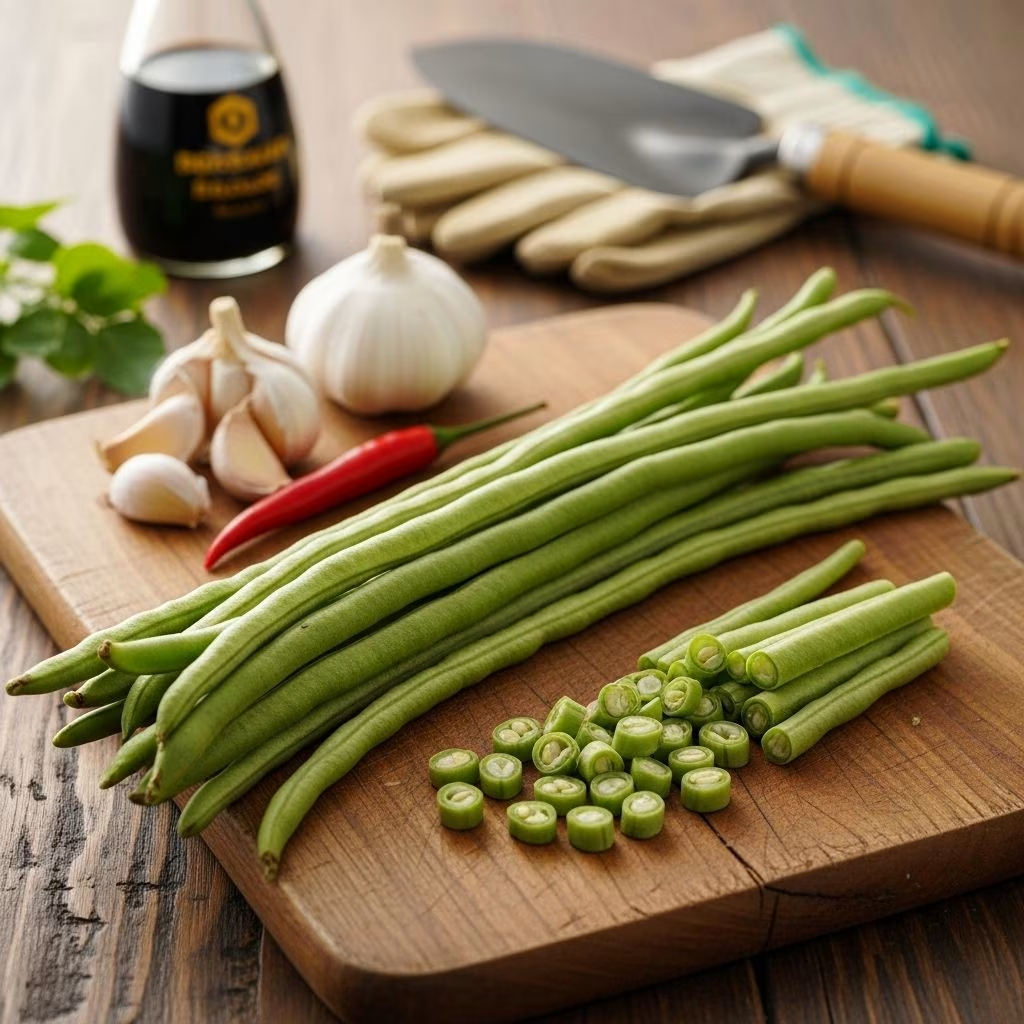
The yardlong bean, known for its impressive length and tender pods, is a staple ingredient in many Asian and tropical cuisines. This comprehensive guide explores its botanical origin, health benefits, culinary uses, cultivation, and the unique taste profile that distinguishes it from other legumes.
What Is Yardlong Bean?
The yardlong bean (Vigna unguiculata subsp. sesquipedalis), also called Chinese long bean, snake bean, pea bean, or asparagus bean, is a legume grown for its extraordinarily long, edible pods. Despite its similarity in appearance to green beans, it is not closely related; yardlong bean belongs to the cowpea group and has unique botanical characteristics and uses.
Origin and Distribution
Native to southern Asia, yardlong bean has spread globally, becoming a common crop in Southeast Asia (notably China, Bangladesh, and the Philippines), the Caribbean, parts of Africa, California, and Europe. It thrives in tropical and subtropical regions, often used as both a dietary staple and a tool for sustainable agriculture.
Botanical Features
- Plant type: Fast-growing, climbing vines reaching up to 9–12 feet (2.7–3.6 meters) in height.
- Leaves: Bright green, arranged in groups of three with heart-shaped leaflets.
- Flowers: Large, white or purple, appearing in pairs, pollinated in mid-summer.
- Pods: Stringless, slender, typically harvested at 10–18 inches (25–45 cm) for tenderness, but can grow up to 3 feet (90 cm).
- Seeds: Black or red, preferred for consumption are the black-seeded varieties.
Comparison: Yardlong Bean vs. Green Bean
| Feature | Yardlong Bean | Green Bean |
|---|---|---|
| Species | Vigna unguiculata sesquipedalis | Phaseolus vulgaris |
| Pod Length | 12–36 inches (30–90 cm) | 4–6 inches (10–15 cm) |
| Pod Texture | Crisp, tender, stringless | Tender, sometimes stringy |
| Common Uses | Stir-fries, salads, soups | Boiled, steamed, sautéed |
Yardlong Bean Varieties
- Red Noodle Bean: Bright red pods, up to 18 inches; popular in stir-fries and curries.
- Green Noodle Bean: Classic green pods; noted for tenderness.
- Chinese Long Bean: Pale green, traditional variety up to 30 inches.
- Purple Podded Yardlong Bean: Ornamental purple pods—turn green when cooked.
- Black-Seeded Yardlong Bean: Slightly nutty flavor, green pods, used in stir-fries and soups.
- Other regional types: Thailand Long Bean, Big Red Yardlong Bean, Bauhinia Bean.
Nutritional Value
Yardlong beans are low in calories and fat but rich in essential nutrients, fiber, and plant-based proteins. They are an excellent choice for health-conscious individuals and those on vegetarian diets.
| Nutrient | Per 100g Raw Yardlong Bean |
|---|---|
| Energy | 47 kcal |
| Carbohydrates | 8.35 g |
| Protein | 2.8 g |
| Fats | 0.4 g |
| Dietary Fiber | 2.7 g |
| Vitamin A | 832 IU |
| Vitamin C | 18 mg |
| Calcium | 44 mg |
| Iron | 0.9 mg |
Yardlong beans also provide minerals such as potassium, magnesium, and phosphorus, and contain antioxidants and phytonutrients that benefit health.
Health Benefits
- Rich in Dietary Fiber: Supports digestive health, reduces cholesterol, and helps regulate blood sugar levels.
- Low Calorie and Fat: Ideal for weight management and heart health.
- High in Vitamins and Minerals: Particularly vitamins A, C, and moderate iron, promoting immune function, vision, and red blood cell formation.
- Antioxidant Properties: Contains compounds that protect cells from oxidative damage.
- Plant-Based Protein: Suitable for vegetarians and vegans, helping build and repair tissues.
- Potential Blood Pressure Support: Potassium and magnesium contribute to cardiovascular health.
Supporting Sustainable Diets
As a legume, yardlong bean helps enrich soil with nitrogen, reducing the need for artificial fertilizers—a benefit to both agriculture and the environment.
Culinary Uses
Yardlong beans are a versatile ingredient in global cuisine, prized for their tender texture and ability to absorb flavors. Both pods and seeds are edible, as are young leaves and stem tips.
- Stir-Fries: Most commonly sliced and quickly sautéed in Asian dishes with garlic, soy sauce, or curry paste.
- Salads: Used raw or lightly blanched in refreshing salads.
- Soups & Stews: Added towards the end of cooking for texture.
- Pickled: Brined or fermented as a side dish or garnish.
- Curry: Combined with coconut milk and spices in Southeast Asian curries.
- Fritters & Omelets: Chopped and mixed into batters.
- Snacks: Crisp-fried or steamed, served plain or with dips.
Popular recipes include Chinese dry-fried long beans, Filipino “Adobong sitaw,” Thai “Pad Prik King,” and Indian “Poriyal.” The beans’ length allows decorative presentations—twisted layouts or julienne cuts for visual appeal.
Taste Profile
Yardlong bean’s flavor balances earthiness with a mild, slightly sweet, mushroom-like undertone. Its texture is crisp yet tender, holding up well during cooking and absorbing the taste of sauces and spices. Unlike regular green beans, yardlong beans are less starchy and do not become stringy with age.
- Raw: Delicate flavor, some varieties have subtle hints reminiscent of mushrooms.
- Cooked: Retains crunch in quick stir-fries; becomes creamy in stews or curries.
- Seeds: When dried and cooked, taste nuttier and richer, sometimes used in bean salads or as legumes.
The beans harmonize well with garlic, chili, coconut, leek, peppercorns, and fermented sauces.
Cultivation and Growing Tips
Yardlong beans are suited for home gardens and commercial farming, thanks to their vigorous growth and adaptability.
- Climate: Prefers warm, sunny environments. Highly sensitive to cold; optimal growth in temperatures above 70°F (21°C).
- Soil: Well-drained, fertile, organic-rich soils. Ideal pH is 6.0–6.8.
- Water: Moderate moisture needed; drought-tolerant but excessive dryness makes pods fibrous.
- Planting: Sow seeds 1–2 inches deep in late spring when soil is warm. Space plants 6–12 inches apart in rows 3–4 feet apart.
- Support: Use trellises or stakes to support climbing vines (up to 12 feet).
- Nitrogen Fixation: Coat seeds with Rhizobium inoculant to enhance nitrogen uptake and plant health.
- Harvest: Ready about two months after sowing; pick pods when still tender, usually around 12–18 inches long.
Environmental Benefits
- Nitrogen Fixation: Enriches soil naturally by fixing atmospheric nitrogen through root nodules—reducing need for synthetic fertilizers.
- Climate Resilience: Tolerates heat and occasional drought, making it suitable as a summer crop in otherwise challenging regions.
- Sustainable Agriculture: Used in crop rotations to restore soil fertility; supports rural development and local economies, especially where malnutrition is prevalent.
Frequently Asked Questions (FAQs)
Q: Are yardlong beans the same as green beans?
A: No. Yardlong beans are a type of cowpea (Vigna unguiculata) while green beans are Phaseolus vulgaris. Yardlong beans grow much longer, have a different taste, and are typically used in Asian cuisine.
Q: How do I prepare yardlong beans for cooking?
A: Wash and cut into sections about 2–4 inches; use in stir-fries, salads, soups, or curries. Pods are best when young and tender.
Q: What flavor and texture should I expect?
A: The beans are crisp and mildly sweet with a faint mushroom-like undertone. They stay crunchy when quickly cooked and absorb sauces beautifully.
Q: Are yardlong beans healthy?
A: Yes. Yardlong beans are low in calories, high in fiber, and rich in vitamins, minerals, and plant-based protein. They support digestive, cardiovascular, and immune health.
Q: Can I grow yardlong beans at home?
A: Absolutely. They thrive in suitable climates with trellises for support. Sow in spring, water well, and harvest in 60 days for best taste and texture.
Q: What are the most popular yardlong bean recipes?
A: Notable dishes include Chinese-style dry-fried long beans, Filipino “Ginataang sitaw,” Thai spicy salads, and Indian stir-fries with coconut.
Conclusion
Yardlong bean is more than its impressive length; it is a nutritional gem with sustainable agricultural benefits, a critical ingredient in global cuisines, and a provider of subtle, unique flavor. Incorporating yardlong beans into your diet adds both delicious variety and healthful nutrients, while supporting eco-friendly food practices.
References
- https://plants.usda.gov/DocumentLibrary/plantguide/pdf/pg_viuns2.pdf
- https://foodstruct.com/food/yardlongbean-raw
- https://www.merriam-webster.com/dictionary/yard-long%20bean
- https://en.wikipedia.org/wiki/Asparagus_bean
- https://edis.ifas.ufl.edu/publication/HS1268
- https://insteading.com/blog/long-beans/
- https://homesteadinghippy.wordpress.com/2018/05/14/yardlong-beans/


