


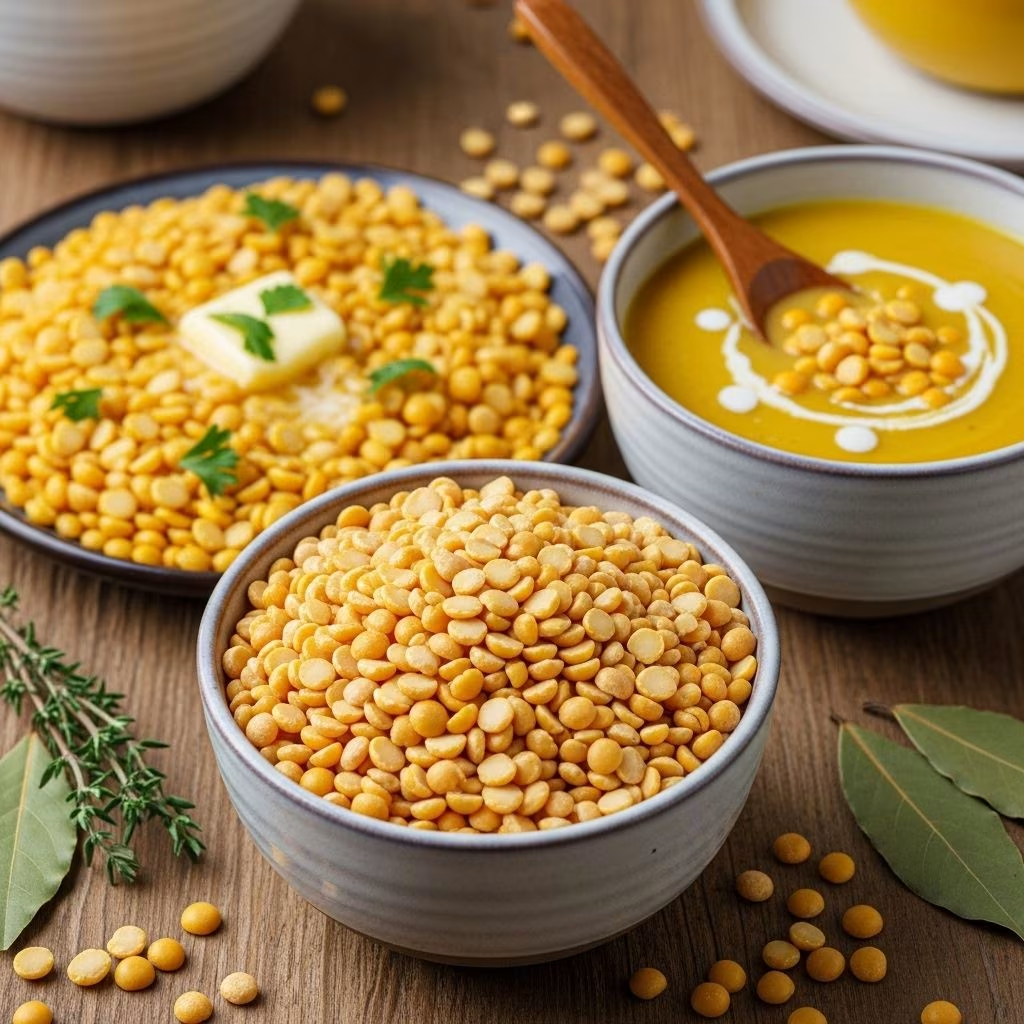
Yellow split peas are an ancient legume prized for their nutritional density, health benefits, and versatility in global cooking traditions. This expert guide explores what yellow split peas are, their nutritional content, celebrated health benefits, diverse uses, and distinctive taste. Discover why this humble pulse is an unsung hero in nutritious diets across cultures.
What Are Yellow Split Peas?
Yellow split peas (Pisum sativum var. arvense) are a variety of field pea. Unlike fresh green peas, split peas are dried, peeled, and split in half along their natural seam, which allows for quicker cooking and results in a creamy texture when prepared. Both yellow and green split peas are derived from the same species, differentiated only by seed color and slight flavor differences.
- Member of the pulse family alongside lentils, beans, and chickpeas.
- Split peas are made by drying the mature seeds, removing the outer skin, and literally splitting each seed in half.
- Widely used in global cuisines for soups, stews, dal, and purees.
Yellow Split Pea vs. Green Split Pea
| Aspect | Yellow Split Pea | Green Split Pea |
|---|---|---|
| Color | Light gold to yellow | Bright green |
| Flavor | Mild, earthy, slightly nutty | Sweeter, fresher |
| Common Uses | Indian dal, Scandinavian soup | Pea soup, American dishes |
| Nutrition | Very similar | Very similar |
Nutritional Profile of Yellow Split Peas
Yellow split peas are a powerhouse of plant-based nutrition, supplying high-quality protein, fiber, and key minerals with very little fat. Here’s a detailed look at what they offer:
Macronutrients (per 100g cooked):
- Protein: 20g – excellent for vegetarian and vegan diets
- Carbohydrates: 62g – mainly slow-digesting, low glycemic index carbs
- Fiber: More than 16g per cup, at least half the daily recommendation for most adults
- Total Fat: Negligible (less than 1g)
Key Micronutrients (per serving):
- Potassium: 500mg per serving (11% Daily Value)
- Iron: 1.3mg per half-cup (approx. 7% DV)
- Magnesium: 35mg per half-cup
- Folate (Vitamin B9): 64mcg per half-cup
- Calcium: 20mg per serving
| Nutrient | Amount (per 100g cooked) |
|---|---|
| Calories | 115-170 |
| Protein | 8-20g |
| Carbohydrates | 21-62g |
| Fiber | 8-16g |
| Fat | <1g |
| Potassium | 355-500mg |
| Iron | 1.3mg |
| Magnesium | 35mg |
| Folate | 64mcg |
Yellow split peas are cholesterol free and extremely low in sodium, making them ideal for heart-healthy diets.
Health Benefits of Yellow Split Peas
The dense nutritional profile of yellow split peas yields several science-backed health advantages:
- Supports Heart Health: High fiber and potassium content may help regulate blood pressure and cholesterol.
- Diabetes-Friendly: Low glycemic index carbs provide slow-release energy, supporting stable blood sugar and reducing diabetes risk.
- Digestive Health: Rich in soluble and insoluble fiber, yellow split peas promote gut regularity and overall digestive health.
- Weight Management: The combination of high fiber and protein helps with satiety, making it easier to maintain a healthy weight.
- Plant-Based Protein: An affordable, sustainable alternative to animal protein for vegetarians and vegans.
According to a 2024 review in Nutrients, increased pulse consumption (including yellow split peas) correlates with lower levels of chronic diseases such as heart disease, diabetes, and certain cancers. Splits peas are also prominent in recommendations from the USDA for weekly inclusion as part of a balanced diet.
Minerals and Vitamins Vital for Health
- Iron: Essential for healthy blood cell production and oxygen transport.
- Folate: Crucial for cell division and beneficial for prenatal health.
- Potassium: Regulates fluid balance and supports muscular function.
- Magnesium: Contributes to bone health and energy metabolism.
Culinary Uses Around the World
Yellow split peas are renowned in culinary traditions worldwide, valued for their creamy texture and ability to absorb flavors. They are a staple in:
- India: Used mostly in ‘dal’—a richly spiced puree or stew.
- Middle East: Incorporated in thick soups, spreads, and falafel bases.
- Scandinavia: The classic ‘Ärtsoppa’ pea soup is made from yellow split peas.
- Caribbean: Featured in split pea stews and hearty fillings.
- American and British Cuisine: A base ingredient for split pea soup, often paired with ham or smoked meats.
Popular Yellow Split Pea Recipes
- Classic Split Pea Soup: A comforting soup with vegetables and sometimes cured meats.
- Indian Dal: Pureed peas with aromatic spices, tomatoes, ginger, and garlic.
- Caribbean Stews: Yellow split peas slow-simmered with peppers, onions, and sometimes coconut milk.
- Greek Fava: A smooth, lemony yellow split pea dip.
How to Use Yellow Split Peas
- Soups and stews
- Dips and spreads
- Curries and dals
- Vegan burger patties and meatloaf fillers
- Salad toppers or protein boosters
They hold up well to extended simmering, breaking down into a thick, hearty consistency, making them perfect for creamy, comforting dishes.
Taste and Texture
Yellow split peas have a mild, earthy flavor that embodies subtle nutty undertones. They are less sweet than green peas, allowing them to blend seamlessly with bold spices or aromatics. As they cook, their firm texture dissolves into a smooth, creamy puree—especially when simmered for soups or dals.
- Raw: Hard and bland until cooked.
- Cooked: Creamy, thick texture; mild and slightly savory flavor.
- With Aromatics: Easily absorbs herbs, spices, and vegetables for enhanced taste.
Yellow split peas are a favorite comfort food ingredient because of their gentle, satisfying flavor and velvety mouthfeel.
Cooking Basics: Tips and Techniques
Yellow split peas are simple to cook and require no soaking, unlike some legumes. Here are the essentials:
- Preparation: Rinse to remove dust and debris.
- No soaking required: Their split form enables fast softening.
- Ratio: Use about 3 cups water per 1 cup split peas.
- Simmering time: 30 minutes until tender or fully pureed.
- Seasoning: Add aromatics (onion, garlic, bay leaf) early; salt toward end of cooking to avoid toughness.
Cooking Tips
- Skim foam during boiling for clear soups.
- Add carrots, celery, herbs, and spices for layered flavor.
- Blend cooked peas for ultra-creamy texture in dips and soups.
- Store cooked split peas in airtight containers up to 5 days refrigerated, or freeze for longer use.
Frequently Asked Questions (FAQs)
Q: Are yellow split peas the same as lentils?
A: No, yellow split peas are a type of dried pea; they are larger and require slightly longer cooking time than lentils.
Q: Do yellow split peas need to be soaked before cooking?
A: Soaking is not required. Rinse well and cook directly for 30 minutes until tender.
Q: Are yellow split peas gluten-free?
A: Yes, yellow split peas are naturally gluten-free and safe for celiac or gluten-sensitive diets.
Q: What is the difference between yellow and green split peas?
A: The primary differences are color and a slight variation in flavor: yellow split peas are milder and earthier, while green split peas are sweeter.
Q: Do yellow split peas cause bloating?
A: Like other high-fiber legumes, yellow split peas may cause bloating for some people. Start with small servings if sensitive and ensure adequate water intake.
Summary Table: Yellow Split Pea Nutrition and Benefits
| Feature | Yellow Split Pea |
|---|---|
| Key nutrients | Protein, fiber, potassium, iron, magnesium, folate |
| Main health benefits | Heart health, stable blood sugar, gut health, weight management |
| Common uses | Soup, dal, stews, dips, purees |
| Cooking time | 30-40 minutes |
| Taste | Mild, nutty, earthy |
| Texture | Creamy, thick, smooth when cooked |
Conclusion
Yellow split peas deliver abundant nutrition, culinary versatility, and a gentle taste that accommodates a spectrum of flavors. Easy to keep on hand, these pulses are an affordable way to power up plant-based and heart-healthy diets. Whether simmered into comfort food soups or spiced into fragrant dals, yellow split peas stand out as one of the most nutritious and multi-purpose ingredients for everyday cooking.
References
- https://www.loseit.com/articles/the-nutritional-value-of-yellow-split-peas/
- https://www.eatthismuch.com/calories/yellow-split-peas-dry-643286
- https://pulses.org/us/what-are-pulses/dry-peas/
- https://checkyourfood.com/ingredients/ingredient/1018/yellow-split-peas
- https://www.urmc.rochester.edu/encyclopedia/content?contenttypeid=76&contentid=16386-1
- https://en.wikipedia.org/wiki/Split_pea
- https://www.fairwaymarket.com/product/goya-yellow-split-peas-16-oz-00041331024914


