


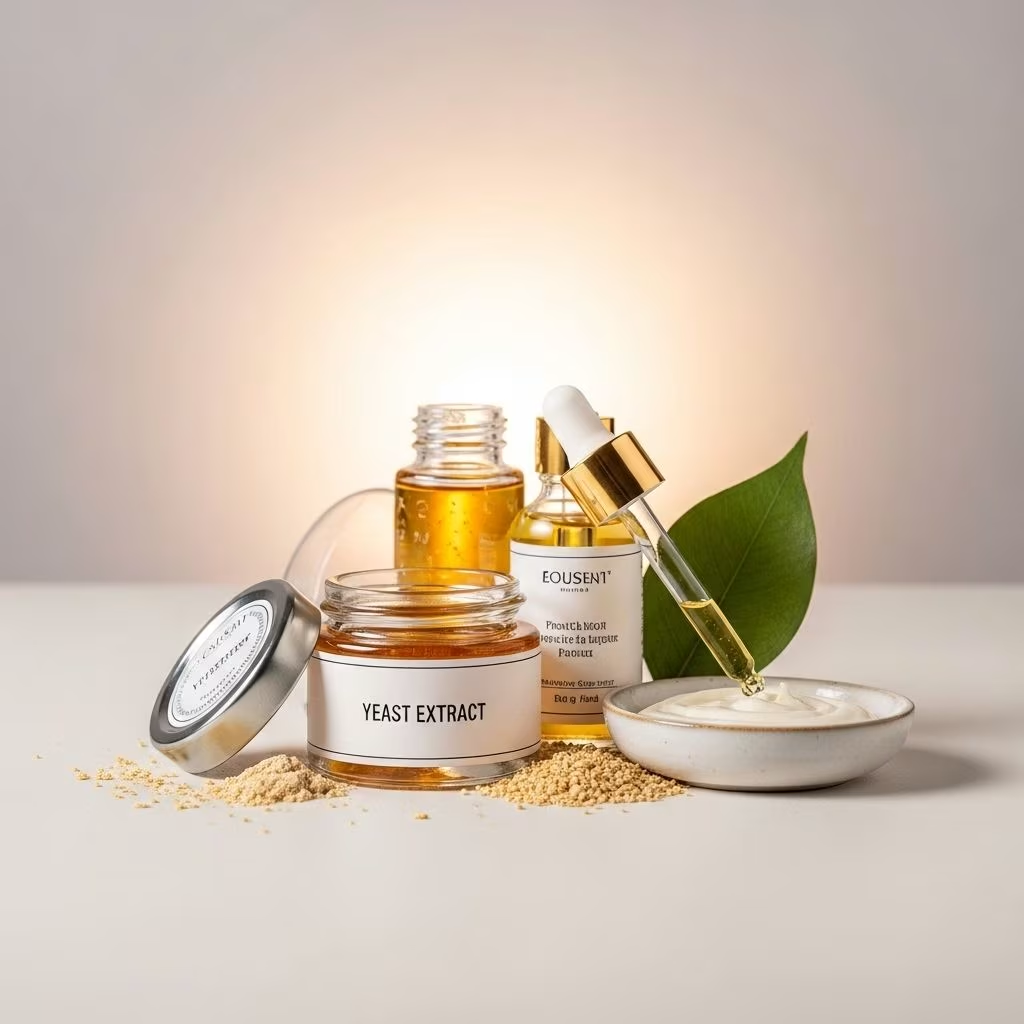
Yeast extract is rapidly becoming a staple ingredient in contemporary skincare routines. Extensively researched and valued for its potent bioactive compounds, yeast extract offers unique benefits in skin rejuvenation, hydration, and anti-aging. However, as with any active ingredient, understanding its uses and potential side effects is essential for safe and effective application. This article delves into yeast extract’s origins, properties, comprehensive skin benefits, formulation uses, and important safety considerations — providing evidence-based insights for skincare enthusiasts and professionals.
What is Yeast Extract?
Yeast extract is derived from yeast cells, most commonly Saccharomyces cerevisiae. In skincare, it refers to the water-soluble fractions obtained after breaking down yeast cell walls, typically via fermentation, autolysis, or enzymatic hydrolysis. The extract captures a concentrated blend of amino acids, peptides, antioxidants, vitamins, and polysaccharides—ingredients renowned for their ability to support skin health and resilience.
- Source: Predominantly Saccharomyces cerevisiae (baker’s yeast)
- Extraction: Fermentation or enzymatic breakdown
- Form: Used as a liquid or powder additive in cosmetic formulations
Composition and Properties
The unique efficacy of yeast extract in skin care is attributed to its multi-component composition:
- Amino Acids & Peptides: Support collagen synthesis and cellular repair
- Antioxidants: Help neutralize free radicals and reduce oxidative stress
- Polysaccharides: Enhance skin barrier strength and water retention
- Vitamins (B group): Promote cell metabolism and renewal
These constituents combine to deliver targeted skin benefits such as hydration, restoration, protection, and improved skin texture.
Skin Benefits of Yeast Extract
| Benefit | Description | Key Compounds |
|---|---|---|
| Hydration | Improves moisture retention by reinforcing skin’s natural barrier | Polysaccharides, amino acids |
| Anti-Aging | Stimulates collagen production, fights wrinkles/fine lines | Peptides, antioxidants |
| Barrier Protection | Boosts resistance to environmental stressors and pollution | Polysaccharides |
| Brightening & Even Tone | Reduces hyperpigmentation, age spots, and uneven skin tone | Antioxidants, vitamins |
| Exfoliation | Gentle enzymatic exfoliation and cell turnover without irritation | Yeast-derived enzymes, oligopeptides |
| Soothing/Calming | Alleviates redness, irritation, and inflammation | Anti-inflammatory peptides |
Detailed Breakdown of Skin Benefits
- Hydration & Moisturization: Yeast extract contains bioavailable peptides and polysaccharides that draw water into the skin, enhancing moisture reserves and strengthening the moisture barrier. This leads to supple, plump skin and prevents dehydration, making it ideal for dry or sensitive skin types.
- Cell Regeneration & Renewal: By stimulating cell turnover and promoting the replacement of old skin cells, yeast extract improves texture and radiance. Accelerated cell renewal reveals a fresher, more luminous complexion.
- Collagen Synthesis & Reparative Effects: Collagen is essential for firm, elastic skin. Yeast extract bioactives support natural collagen and elastin production, aiding in the repair of damaged skin and reducing signs of aging such as fine lines and sagging.
- Antioxidant Defense: Its antioxidant-rich profile helps neutralize damaging free radicals induced by UV exposure or pollution. This lowers the risk of premature aging and supports overall skin health.
- Brightening / Pigmentation Control: Yeast extract contains enzymes and vitamins that help fade dark spots and uneven pigmentation, leading to a more uniform and radiant skin tone.
- Barrier Protection: Yeast polysaccharides reinforce the skin’s natural barrier, protecting against environmental aggressors, allergens, and irritants.
- Anti-Inflammatory Activity: Reduces redness, itching, and discomfort associated with conditions like eczema or rosacea. The soothing action makes it suitable for sensitive skin.
- Gentle Exfoliation: Certain yeast extracts feature enzymatic action that enables non-irritating exfoliation, revealing smoother, brighter skin without disrupting skin integrity.
How Yeast Extract Works on Skin
Yeast extract interacts with the skin through several mechanisms:
- Bioavailability: Fermentation and enzymatic extraction increase the permeability of active compounds, allowing better absorption into skin layers.
- Moisture Binding: Polysaccharides and natural moisturizing factors lock in water, enhancing hydration.
- Antioxidant Action: Neutralizes free radicals and protects cells from oxidative damage.
- Stimulation of Collagen Production: Peptides trigger collagen synthesis, essential for elasticity and firmness.
- Enzymatic Exfoliation: Certain yeast strains produce enzymes that safely break down bonds between dead skin cells, smoothing texture.
- Barrier Strengthening: Compounds reinforce the skin’s natural lipid barrier, boosting resilience.
Common Uses in Skincare
Yeast extract’s versatility means it is incorporated into numerous skincare formulations and products.
- Moisturizers: For hydration and improved barrier function
- Serums: Targeted delivery of antioxidants, peptides, and skin-brighteners
- Eye Creams: Combat fine lines and puffiness
- Sheet Masks: For concentrated hydration and soothing action
- Exfoliating Products: Gentle enzymatic exfoliation for sensitive skin
- Anti-Aging Formulations: Support collagen renewal and reduce wrinkles
- Soothing Treatments: Reduce redness, irritation for sensitive skin
These products may combine yeast extract with complementary ingredients such as hyaluronic acid, vitamin C, and botanical extracts for enhanced efficacy.
Innovative Applications & Formulation Examples
- Biofermented Yeast Oligopeptides: Advanced fermentation processes create targeted peptides for exfoliation, brightening, and anti-wrinkle effects without irritation.
- Antioxidant Serums: Yeast extract is often paired with rice-derived resveratrol for amplified anti-aging properties.
- Barrier-Boosting Creams: Formulations combining yeast polysaccharides support compromised or sensitive skin.
Potential Side Effects & Safety
Yeast extract is generally considered safe when used in cosmetic formulations, but awareness of potential side effects is important, especially for those with sensitive or reactive skin.
- Allergic Reactions: Although rare, yeast extract may trigger allergies in those sensitive to yeast or fungal components.
- Fungal Acne & Dermatitis: Individuals prone to fungal skin conditions should consult a dermatologist before using yeast-derived products.
- Mild Irritation: Overuse or use in high concentrations can cause redness or mild irritation in sensitive skin types.
- Comedogenicity: Most yeast extracts are non-comedogenic, but always check product labels for additional ingredients that might clog pores.
- Interactions: Avoid using yeast extract skincare alongside strong acids or retinoids initially, as the combined effect may heighten sensitivity.
Precautions
- Patch test before full application, especially if you have a history of allergies or sensitive skin.
- Discontinue use immediately if you experience excessive redness, itching, burning, or breakouts.
- Consult with a dermatologist if you have chronic fungal skin issues or persistent irritation.
How to Choose & Use Yeast Extract Skincare Products
To maximize yeast extract’s skin benefits while minimizing risk:
- Choose reputable brands with clinical efficacy data and transparent ingredient sourcing.
- Look for products listing yeast extract within the first half of their ingredient list for meaningful potency.
- Pair yeast extract with hydrating agents (e.g., hyaluronic acid) for synergy.
- Store products in a cool, dry environment to maintain bioactivity of peptides and vitamins.
- Begin with lower-concentration products, monitoring skin response before gradually increasing usage.
Frequently Asked Questions (FAQs)
Q: Is yeast extract suitable for all skin types?
Generally, yes. Yeast extract is versatile and suits dry, sensitive, and mature skin, thanks to its hydrating and soothing properties. Those with fungal acne or chronic dermatitis should consult a dermatologist first.
Q: Will yeast extract worsen acne or cause breakouts?
Yeast extract itself is non-comedogenic, but individuals susceptible to fungal acne may react negatively. Careful monitoring and patch testing are advised.
Q: Can yeast extract replace retinol or chemical exfoliants?
Yeast extract offers gentle exfoliation and anti-aging, but its effects are milder than retinoids or AHAs/BHAs. It is ideal for people seeking non-irritating options or complementing stronger actives.
Q: Are there known drug or ingredient interactions?
There are no well-documented adverse interactions, but caution is suggested when layering strong acids or retinoids with yeast extract products. Introduce new ingredients gradually and observe your skin’s response.
Q: What is the difference between yeast extract and yeast ferment filtrate?
Yeast extract is typically a non-fermented, hydrolyzed form, while yeast ferment filtrate is brewed or bio-fermented to amplify bioactive content. Both offer skin benefits but may vary in potency and effect.
Conclusion
Yeast extract has emerged as a scientifically-backed powerhouse for skin health. Its hydration, anti-aging, barrier-strengthening, and soothing effects make it a coveted ingredient in modern skincare formulations. While most users experience only benefits, being mindful of potential irritation and suitability for your unique skin type is key. By carefully selecting yeast extract products and integrating them wisely into your regimen, you can unlock smoother, brighter, and more resilient skin — with nature’s gentle touch.
References
- https://www.clinikally.com/blogs/news/understanding-the-magic-of-yeast-extract-in-beauty-regimens
- https://cipherskincare.com/ingredient-glossary/yeast-ferment-extract/
- https://pmc.ncbi.nlm.nih.gov/articles/PMC8954687/
- https://pmc.ncbi.nlm.nih.gov/articles/PMC9998214/
- https://www.paulaschoice.com/ingredient-dictionary/ingredient-yeast-extract.html
- https://patents.google.com/patent/BR112017018744B1/en
- https://skintypesolutions.com/blogs/skincare/yeast-in-skin-care-products-good-or-bad


