


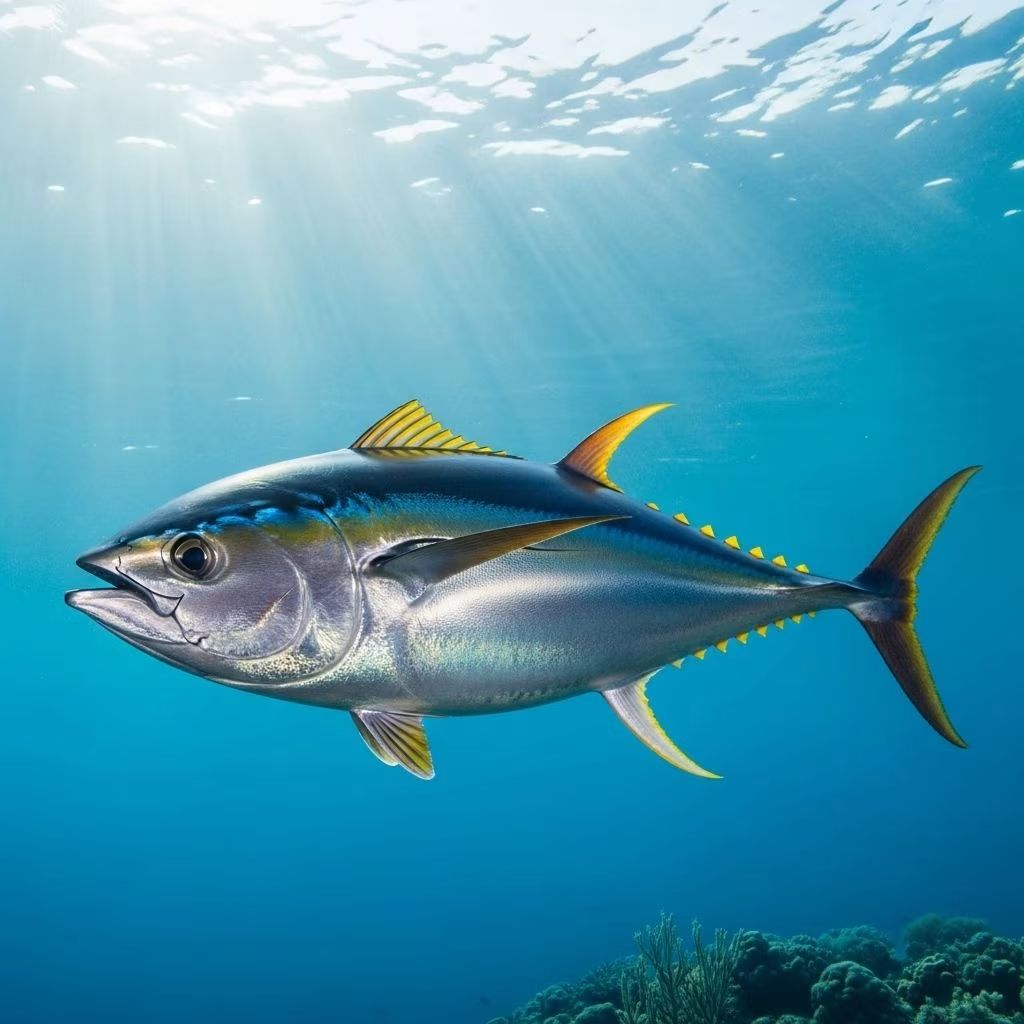
Yellowfin tuna (Thunnus albacares) is one of the world’s most sought-after and widely recognized large ocean fish. This species is not only famed for its bright yellow fins and streamlined shape, but also for its central role in global cuisine and its impressive nutritional benefits. This article explores yellowfin tuna from multiple perspectives — its biological features, health advantages, culinary uses, sustainability issues, and the qualities that set its flavor apart.
Introduction to Yellowfin Tuna
Yellowfin tuna, commonly called ahi in Hawaii, is a large, speedy, and highly migratory fish species found in warm ocean waters around the globe. Its firm flesh, rich nutritional content, and versatility in the kitchen make it a staple for both commercial fisheries and gourmet restaurants alike.
Biology and Identification
Understanding the biological traits of yellowfin tuna helps distinguish it from other popular tuna species, such as bluefin, albacore, and bigeye tuna.
- Scientific Name: Thunnus albacares
- Physical Appearance: Yellowfin are streamlined, torpedo-shaped fish with metallic blue to greenish upper bodies, silvery-white bellies, and a distinct golden stripe along each side. Their namesake comes from their brilliant yellow dorsal and anal fins, as well as the finlets that extend back toward the tail.
Adults often exhibit exceptionally long second dorsal and anal fins, with the pectoral fins also relatively elongated.
The eyes are small, and the teeth are tiny and conical, aiding their predatory nature.
Maximum size: Up to 110 inches (280 cm) long and 880 lbs (400 kg), though more commonly around 388 lbs (176 kg) in large adult specimens.
Yellowfin can live up to 6-7 years. - Diet: Predatory, consuming smaller fish, cephalopods (squid, octopus), and crustaceans. They hunt opportunistically, sometimes ingesting dozens of species including anchovy, mackerel, flying fish, and various invertebrates.
- Behavior: Yellowfin are highly migratory, schooling fish that often travel alongside other tuna species and, at times, dolphins.
Global Distribution and Habitat
Yellowfin tuna inhabit tropical and subtropical waters worldwide, including the Atlantic, Pacific, and Indian Oceans. They prefer water temperatures above 64°F (18°C) and are often found near the surface down to depths of 330 feet (100 meters).
- Main Regions: Concentrations are highest near the equator. In summer, they can be found in northern or southern waters following warm currents.
- Key Spawning Areas: Gulf of Guinea and the Gulf of Mexico are among prime spawning grounds.
- Fishery Hotspots: The eastern Atlantic and Pacific regions, as well as locales off the coast of Hawaii and the Philippines, are well-known commercial fishing grounds.
- Migration: As highly migratory animals, yellowfin travel vast distances across whole oceans, often intermingling with schools from far-flung regions.
Comparison: Yellowfin vs. Other Tuna Species
| Aspect | Yellowfin | Bluefin | Albacore | Bigeye |
|---|---|---|---|---|
| Coloration | Metallic blue/green back, Yellow fins & sides, Silver belly | Dark blue back, Silver sides & belly | Pale blue back, Silver sides, Very long pectorals | Darker back, Pale sides, Finlets less yellow |
| Size (max) | 110″ / 880 lbs | Up to 13 ft / 1500 lbs | 4.6 ft / 132 lbs | 8.2 ft / 400 lbs |
| Fins | Very long 2nd dorsal & anal Bright yellow finlets | Shorter fins, No yellow highlights | Longest pectoral fins | Shorter fins than yellowfin |
Nutritional Benefits of Yellowfin Tuna
Yellowfin tuna stands out for its combination of lean protein, essential fatty acids, and micronutrients. Regular consumption can contribute to a well-balanced diet, provided it is sourced and prepared responsibly.
- High Protein Content: Yellowfin tuna is rich in protein, with a 3-ounce (85g) cooked portion providing roughly 24 grams of high-quality protein.
- Omega-3 Fatty Acids: Contains heart-healthy omega-3 fatty acids (EPA and DHA), supporting cardiovascular and brain function.
- Low in Fat & Calories: Naturally low in saturated fat, making it ideal for low-calorie diets.
- Vitamins and Minerals: An excellent source of vitamin D, B vitamins (especially niacin, B6, and B12), selenium, magnesium, and phosphorus.
- Minimal Carbohydrates: Like most fish, yellowfin is virtually carb-free, suitable for low-carb and ketogenic diets.
Nutritional Profile Table (per 100g, cooked)
| Nutrient | Amount | Percent Daily Value* |
|---|---|---|
| Calories | 118 kcal | ~6% |
| Protein | 25g | ~50% |
| Total Fat | 0.8g | 1% |
| Omega-3s | 0.2-0.4g | Varies |
| Vitamin D | 156 IU | 25% |
| Vitamin B12 | 2.5 mcg | 40% |
| Selenium | 36 mcg | 65% |
*Percent Daily Values are based on a 2,000 calorie diet.
- Health Benefits Summary:
- Supports muscle repair and immune function (protein and B vitamins)
- Promotes heart health (omega-3 fatty acids)
- Boosts energy production and cognitive function (B12, niacin)
- Provides antioxidant protection (selenium)
Culinary Uses Worldwide
Yellowfin’s mild flavor, firm texture, and vibrant appearance make it a favorite in diverse culinary traditions:
- Sushi and Sashimi: Prized as “ahi” tuna in Japanese cuisine, yellowfin is served raw in sushi, sashimi, and poke bowls.
- Grilled/Seared Steaks: Yellowfin steaks are excellent when quickly seared, leaving the inside tender and rare.
- Canned Tuna: A popular choice for premium canned products, particularly in Mediterranean and American markets.
- Tuna Salads and Sandwiches: Used in cold salads and as a filling for sandwiches.
- Hot Dishes: Incorporated into pasta dishes, stir-fries, and curries for added protein and flavor.
- Carpaccio and Tartare: Featured as a delicately seasoned raw or lightly marinated appetizer.
Popular Yellowfin Tuna Dishes
- Hawaiian Poke: Marinated raw tuna cubes tossed with sesame oil, soy sauce, scallions, and seaweed.
- Seared Tuna Tataki: Lightly seared, sliced thin, often served with citrus-soy dipping sauce.
- Mediterranean Tuna Nicoise Salad: Grilled or seared tuna atop fresh greens, olives, boiled eggs, potatoes, and green beans.
- Spanish Tuna Empanadas: Filled with spiced yellowfin tuna and vegetables, then baked or fried.
Taste and Texture Profile
Yellowfin tuna offers a distinctive sensory experience highly prized among seafood aficionados:
- Flavor: Clean, mild, and slightly sweet, less assertively fishy than some other tuna varieties like bluefin.
- Texture: Firm, meaty, and moist, with a dense flake that holds up well to both high-heat cooking and raw preparations.
- Color: Deep reddish-pink to bright cherry red; the vibrant color is a hallmark of its quality and freshness.
- Best Uses: Because of its dense, yet tender flesh, yellowfin stands up to grilling, searing, poaching, or eating raw with equal excellence.
Sustainability and Conservation
Yellowfin tuna has become a focal point of sustainability efforts, as both demand and fishing pressure have increased across the world’s oceans.
- Status: Classified as Near Threatened by the IUCN, due to risks posed by overfishing and bycatch of juveniles alongside skipjack tuna.
- Sustainability Initiatives:
- Regional fisheries management organizations (like ICCAT) regulate catch limits and fishing practices in the Atlantic.
- WWF partners with seafood companies and governments to reduce bycatch, support Marine Stewardship Council (MSC) certification, and curb pirate fishing.
- Consumers are encouraged to seek out MSC-certified yellowfin and to support responsible retailers.
- Overfishing Concerns: Certain regional populations (notably the Eastern Pacific and Indian Oceans) are experiencing overfishing. Protection for juveniles and sustainable management are crucial to their continued survival.
Safety and Consumption Considerations
While yellowfin tuna is a healthy food choice for most people, there are safety considerations:
- Mercury Content: Like other large predatory fish, yellowfin can accumulate mercury. Most health authorities recommend that pregnant women, nursing mothers, and young children limit their intake of large tuna species to avoid mercury exposure.
- Allergies: As with all fish, individuals with known seafood allergies must avoid tuna products.
- Cooking and Storage:
- For raw preparations such as sushi or sashimi, only use fish labeled “sushi-grade” to minimize foodborne illness risk.
- Store tuna at cold temperatures and consume within recommended timeframes for optimal freshness and safety.
Frequently Asked Questions (FAQs)
Q: What distinguishes yellowfin tuna from other tuna species?
A: Yellowfin tuna is recognized by its metallic blue back, vivid yellow fins, and a prominent golden lateral stripe. Compared to bluefin, yellowfin are generally smaller, slenderer, and have brighter fin coloration.
Q: Is yellowfin tuna safe for raw consumption?
A: Yes, yellowfin is widely used for sashimi and sushi, provided it is handled properly and labeled as sushi- or sashimi-grade due to the strict food safety requirements for raw consumption.
Q: How sustainable is yellowfin tuna?
A: The sustainability of yellowfin tuna depends heavily on fishing region and method. Seek MSC-certified products and avoid fish from overfished stocks when possible.
Q: What does yellowfin tuna taste like?
A: Yellowfin has a mild, clean flavor with a slight sweetness. Its texture is firm and meaty, prized for everything from grilling to raw dishes.
Q: Is yellowfin tuna healthy?
A: Yes, it is low in fat and calories, high in protein, rich in omega-3s and essential vitamins and minerals. Limiting intake is advised for sensitive groups due to mercury content.
Summary
Yellowfin tuna is a celebrated, versatile fish that embodies the richness of the world’s oceans — delicious, nutritious, and central to many culinary traditions. With proper stewardship and responsible fishing, it can continue to delight palates and nourish communities for generations to come. Whether enjoyed raw in sushi, seared on a grill, or flaked in salads, yellowfin tuna remains a seafood superstar worthy of its reputation.
References
- https://www.floridamuseum.ufl.edu/discover-fish/species-profiles/yellowfin-tuna/
- https://www.mass.gov/info-details/learn-about-yellowfin-tuna
- https://www.worldwildlife.org/species/yellowfin-tuna
- https://en.wikipedia.org/wiki/Yellowfin_tuna
- https://oceana.org/marine-life/yellowfin-tuna/
- https://www.montereybayaquarium.org/animals/animals-a-to-z/yellowfin-tuna
- https://www.fishbase.se/Summary/speciesSummary.php?ID=143&AT=yellowfin+tuna
- https://www.hawaii-seafood.org/wild-hawaii-fish/yellowfin-tuna/
- https://www.oceanbluefishing.com/magazine/about-yellowfin-tuna/


