


- Introduction
- Origins and History
- How Is Yuba Made?
- Nutritional Benefits of Yuba
- Culinary Uses of Yuba
- Taste and Texture Profile
- Regional Varieties and Preparations
- Buying and Storing Yuba
- Yuba vs. Tofu and Other Soy Products
- Frequently Asked Questions (FAQs)
- Conclusion
Introduction
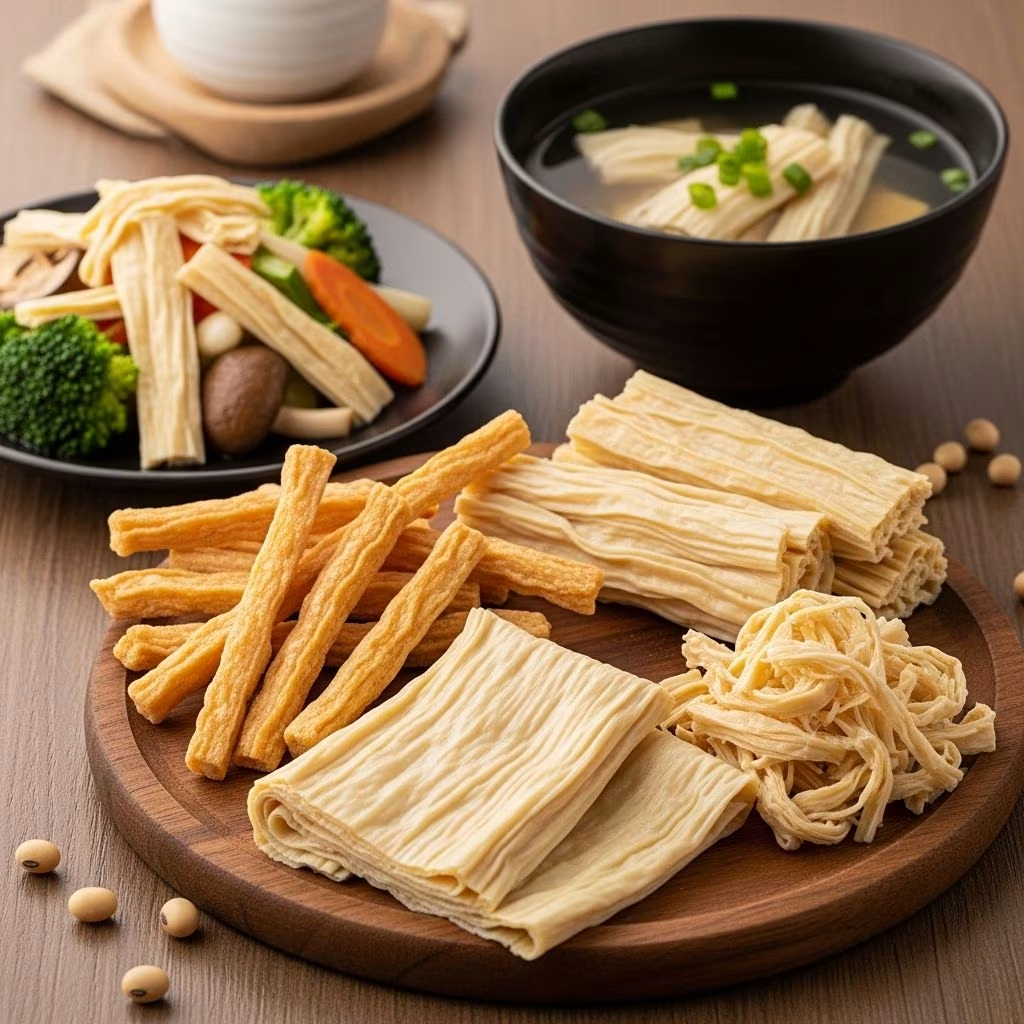
Yuba, known as tofu skin, is a centuries-old delicacy celebrated in Chinese, Japanese, and Southeast Asian cuisines. Formed when hot soy milk’s protein rises and solidifies at the surface, yuba is cherished for its mild flavor, pleasing chewiness, remarkable nutritional value, and versatility as a cooking ingredient.
From Buddhist temple kitchens in Kyoto to dim sum parlors in Guangdong, yuba represents tradition, health-conscious eating, and culinary ingenuity.
This article explores the traditional craft of yuba-making, its health benefits, diverse uses, and the distinct taste and texture that make it a staple on menus around the world.
Origins and History
Yuba originated over 1,200 years ago in China and was later introduced to Japan, where it quickly became integral to Buddhist vegetarian cuisine and local food traditions in Kyoto and Shiga. In China, it’s called fuzhu (腐竹), while in Japan, it’s known as yuba (湯葉).
The process and tradition of making yuba were deeply influenced by Zen Buddhist temple cuisine, particularly the shojin ryori style, which emphasizes plant-based, seasonal, and nutritious foods.
Yuba’s spread across Asia attests to its culinary adaptability and importance as both a protein source and artisanal delicacy.
| Country | Local Name | Historical Significance |
|---|---|---|
| China | Fuzhu | Staple in vegetarian and Buddhist cooking |
| Japan | Yuba | Zen temple cuisine, Kyoto delicacy |
| Korea | Baekbu | Featured in temple and special holiday dishes |
How Is Yuba Made?
Yuba is produced through a simple but delicate process:
- Soybeans are soaked overnight and ground with fresh water.
- The resulting mash is strained to separate soy milk from the fibrous okara.
- Soy milk is gently heated in shallow pans; as it simmers, proteins and fats coagulate, forming a delicate skin on the surface.
- Skilled yuba makers use a bamboo stick to lift the skin, creating thin sheets of yuba. Each subsequent sheet is slightly thicker than the first, and the flavor profile may change accordingly.
- Fresh yuba is enjoyed immediately, while dried yuba sheets, sticks, or rolls are air-dried for longer storage and later rehydration.
Yuba is a by-product of soy milk production. This process—simple in principle but refined in technique—results in a unique edible film rich in soy proteins, and with a remarkable range of culinary uses.
Nutritional Benefits of Yuba
Yuba’s reputation as a health food is well-deserved. This soy-based product is highly nutritious:
- High in protein: Yuba boasts approximately 45–50 grams of protein per 100 grams, making it an exceptional source of plant-based protein for vegetarians and vegans.
- Low in carbohydrates: Yuba contains minimal sugars and starch compared to whole soybeans or tofu.
- Rich in micronutrients: Contains calcium, iron, magnesium, potassium, B vitamins, and folate, which collectively promote bone health, energy metabolism, and blood formation.
- Minimal saturated fat: Most of yuba’s fat is unsaturated and heart-healthy.
| Nutrition per 100g (approx.) | Amount |
|---|---|
| Calories | ~370 kcal |
| Protein | 45–50 g |
| Fats | ~20 g (mainly unsaturated) |
| Carbohydrates | ~12 g |
| Dietary Fiber | ~3 g |
| Iron | 13–15 mg |
| Calcium | 350–380 mg |
Health Benefits:
- Yuba supports muscle growth and repair due to its amino acid profile.
- It aids heart health because of its low saturated fat and moderate omega-3 content.
- Yuba is suitable for dairy-free, gluten-free, and cholesterol-free diets.
- It can help manage weight for those seeking protein-rich yet low-calorie food options.
Culinary Uses of Yuba
Yuba is esteemed for its culinary versatility:
Forms of Yuba:
- Fresh yuba: Soft, creamy, and best enjoyed raw, similar to sashimi or used as a wrapper for delicate fillings.
- Dried yuba sheets, sticks, or rolls: Rehydrate by soaking in warm water; these are used for stews, stir-fries, wraps, and vegan meat substitutes.
Common Uses:
- Sashimi-style: Namayuba in Japan refers to raw yuba, sliced and served with a touch of soy sauce and wasabi, resembling sashimi.
- Shojin ryori (Zen temple cuisine): Yuba is a protein-rich staple in this Buddhist vegetarian tradition.
- Dim sum wrappers and fillings (China): Used for wrapping meat or vegetarian fillings and steamed or fried for texture.
- Soups and broths: Yuba absorbs flavors well, adding protein and a chewy texture to clear broths, miso soups, and hot pots.
- Stir-fries: Yuba pairs with mushrooms, leafy greens, chili, and savory sauces for quick, nutritious dishes.
- Fried foods: When deep-fried, yuba blisters, crisps, and becomes an addictive snack or appetizer.
- Plant-based meat alternatives: Stacked and layered yuba mimics chicken or duck in both texture and appearance.
Yuba’s ability to absorb flavors and its flexible texture make it ideal for imaginative vegetarian and vegan creations.
Taste and Texture Profile
Yuba offers a mild, nutty flavor—subtly sweet, reminiscent of concentrated soy milk, and accented by earthy undertones. The flavor is more pronounced in fresh yuba.
The texture is tender and chewy, almost bouncy, distinguishing it from silken or firm tofu. When dried and rehydrated, yuba retains its chewiness but loses some of its delicate flavor.
When fried, the exterior crisps while the inside remains satisfyingly toothsome. Yuba is often described as having qualities similar to mozzarella or pudding skin for its gentle spring, with just enough bite to make it a favorite in wrapping, stuffing, and layering dishes.
Regional Varieties and Preparations
Yuba’s character varies by region and preparation method:
| Region | Yuba Style | Preparation |
|---|---|---|
| Kyoto, Japan | Thin, single-layer sheets | Sashimi-style, soups, sushi rolls |
| Nikko, Japan | Double-layered, rolled disks | Simmered dishes, sweet and savory |
| Guangdong, China | Dried sheets and sticks | Dim sum wrappings, stir-fries |
| Southeast Asia | Fresh and dried sheets | Curries, plant-based “duck” |
Popular preparations include raw yuba sashimi, yuba nigiri sushi, braised yuba in soy-based sauces, crisp-fried yuba crackers, and layered mock meats. The climate and craftsmanship of each area influence yuba’s texture and taste.
Buying and Storing Yuba
Where to Buy:
- Asian grocery stores and specialty shops (look for both dried and fresh yuba).
- Online retailers specializing in tofu, soy products, and vegan foods.
Forms Available:
- Fresh sheets (refrigerated, high quality, limited shelf life).
- Dried sheets, sticks, knots, or rolls (long shelf life, must be soaked before use).
How to Store Yuba:
- Fresh yuba: Keep in the refrigerator, use within 2–3 days.
- Dried yuba: Store in an airtight container in a cool, dry place for up to a year.
Preparation Tips:
- Soak dried yuba in warm water for 10–30 minutes until supple before cooking.
- Fresh yuba can be used raw or lightly simmered.
Yuba vs. Tofu and Other Soy Products
| Feature | Yuba (Tofu Skin) | Tofu | Tempeh | Edamame |
|---|---|---|---|---|
| Origin | Surface film of soy milk | Coagulated soy milk in blocks | Fermented soybeans | Whole immature soybeans |
| Texture | Chewy, delicate | Soft to firm, spongy | Compact, earthy | Crunchy, moist |
| Protein Density | High | Moderate to high | High | Moderate |
| Uses | Wraps, mock meats, salads | Stir-fries, soups, grilling | Salads, frying, sandwiches | Snacking, stir-fry |
| Common In | Chinese, Japanese | Global | Indonesian | Global |
While yuba and tofu share an origin, yuba’s concentrated proteins give it more chew and boldness in both texture and nutrition. Its delicate layers also make it a preferred choice for vegan wrapping, faux meat layering, and artisanal presentation.
Frequently Asked Questions (FAQs)
Q: Is yuba gluten-free and suitable for vegan diets?
A: Yes. Yuba is naturally gluten-free and plant-based, made solely from soybeans and water, with no animal products or added gluten.
Q: How does yuba compare to tofu nutritionally?
A: Yuba has a higher protein concentration and less water content than tofu, making it denser and more nutritious per gram.
Q: Can yuba be used as a meat substitute?
A: Absolutely. Yuba’s layered texture can mimic chicken or duck, and it absorbs marinades and seasonings beautifully for savory, plant-based dishes.
Q: Is yuba safe for people with soy allergies?
A: No. Yuba is a pure soy product and should be avoided by those with soy allergies.
Q: What are some simple ways to prepare yuba at home?
A: Try slicing fresh yuba for sashimi with soy sauce, rehydrating dried yuba and stir-frying with vegetables, or layering yuba sheets for vegan lasagna or mock roast “duck.”
Conclusion
Yuba is more than just tofu skin; it’s a time-honored ingredient cherished for its gentle flavor, high nutritional value, and ability to transform vegetarian dishes. From raw sashimi-style slices to hearty braised stews, yuba’s adaptability has earned it a place in kitchens worldwide. Whether you are seeking a protein-rich alternative, a culinary adventure, or a taste of tradition, yuba is well worth exploring for both home cooks and professional chefs.
References
- https://ussoy.org/what-is-yuba/
- https://traditionalkyoto.com/eat/yuba/
- https://www.japanesefoodguide.com/what-is-yuba-tofu-skin/
- https://www.eat-japan.com/glossary/yuba/
- https://tastecooking.com/what-is-yuba/
- https://savorjapan.com/contents/discover-oishii-japan/what-is-yuba-the-history-and-method-behind-japanese-tofu-skin-and-where-to-try-it-in-kyoto
- https://www.visitnikko.jp/stories/yuba-nikkos-local-delicacy/
- https://en.wikipedia.org/wiki/Tofu_skin
- https://www.soyinfocenter.com/HSS/yuba.php


