


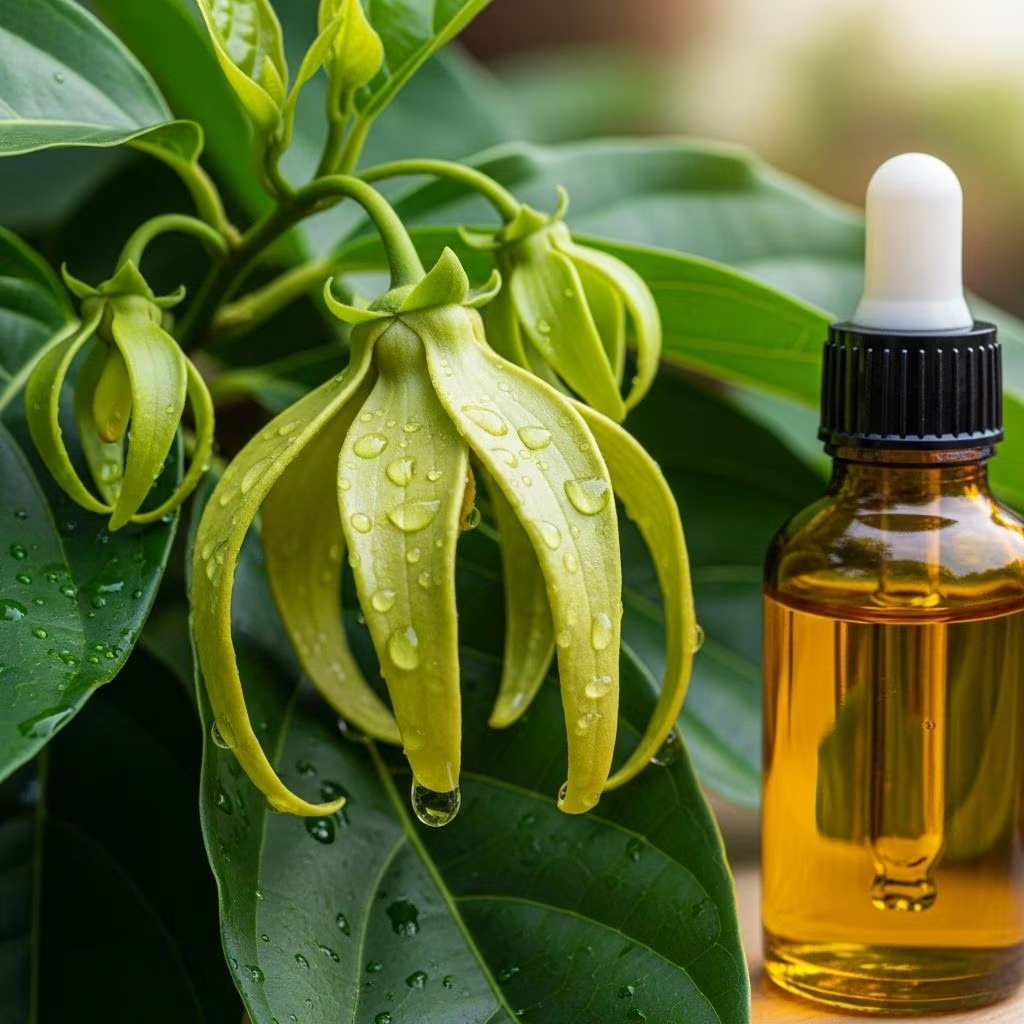
Ylang Ylang Oil: A Holistic Elixir for Wellness
Ylang Ylang oil, derived from the steamy distillation of the fragrant flowers of the Cananga odorata tree, has long been cherished across cultures for its sweet, floral aroma and diverse healing properties. From calming restless minds to revitalizing skin and hair, the multifaceted uses of Ylang Ylang oil make it a staple in aromatherapy, natural beauty, and holistic wellness practices.
What Is Ylang Ylang Oil?
Ylang Ylang essential oil is extracted by steam distillation from the star-shaped, yellow flowers of the Cananga odorata tree native to Southeast Asia. Renowned for its potent, sweet fragrance, this oil plays a central role in perfumery, skincare, and therapeutic applications, due to its unique chemical profile and versatility.
Its primary components include:
- Linalool – a calming compound beneficial for the nervous system
- Geranyl acetate – gives the oil its characteristic floral scent
- Farnesene and caryophyllene – known for antimicrobial and anti-inflammatory activities
History and Origin of Ylang Ylang
Ylang Ylang has roots stretching back centuries in tropical Asia and the South Pacific. Its name, meaning “flower of flowers,” reflects its revered status. Traditional healers used the oil for its purported ability to treat skin ailments, fevers, and as a natural sedative. Its aphrodisiac qualities led to its inclusion in wedding rituals, whereas its calming effects supported spiritual well-being.
Top Benefits of Ylang Ylang Oil
Ylang Ylang oil’s therapeutic profile includes a suite of effects across cosmetic, emotional, and medicinal spheres:
| Benefit | Primary Effect | Scope of Use |
|---|---|---|
| Stress Relief & Mood Enhancement | Calms nerves, eases anxiety, uplifts spirits | Aromatherapy, diffuser, massage |
| Heart Health | Lowers blood pressure, stabilizes heart rate | Inhalation, topical blends |
| Skin Care | Balances oil, soothes inflammation, supports wound healing | Serums, creams, masks |
| Hair Care | Strengthens shafts, conditions scalp, fights dandruff | Shampoos, oils, masks |
| Natural Antiseptic | Prevents infection, combats bacteria and fungi | First-aid, cleaning |
| Aphrodisiac Effects | Enhances libido, romantic ambiance | Diffuser, massage oils |
Popular Uses of Ylang Ylang Oil
The oil’s versatility makes it highly prized in self-care routines. Here are the main ways it’s used:
- Inhalation (diffuser/aromatherapy sprays): Promotes relaxation, relieves stress, and supports emotional balance.
- Topical application: Added to carrier oils or lotions for skin, hair, or massage, lending moisturizing and healing properties.
- Perfumery: Forms the heart of luxury fragrances like Chanel No. 5, thanks to its distinctive sweet scent.
- Bath rituals: Few drops in bathwater calm the senses and soften skin.
- Natural insect repellent: Offers a gentler alternative to chemical repellents.
How Ylang Ylang Oil Supports Skin & Hair
Cosmetic aficionados and holistic practitioners both value Ylang Ylang oil for its balancing and healing powers:
For Skin:
- Balances oil production, ideal for oily and combination skin types.
- Soothes inflammation due to anti-inflammatory properties.
- Supports wound healing and prevents infections.
- May help skin conditions like seborrheic eczema and acne.
- Brightens complexion, freshens, and smooths the skin’s texture.
For Hair:
- Improves scalp circulation and strengthens hair follicles.
- Regulates sebum production on scalp and skin.
- Conditions and hydrates hair, boosting shine and softness.
- Fights dandruff and soothes itchy scalp.
- Packed with antibacterial and antifungal activity.
How to Use:
- Mix 1–2 drops with a carrier oil and massage into scalp for hair health.
- Add to facial oils or creams to balance skin and boost glow.
- Create a DIY toner by mixing with rose water or witch hazel.
Ylang Ylang Oil in Aromatherapy & Emotional Health
Ylang Ylang’s reputation as a mental wellness booster is well-supported. Its aroma triggers the limbic system, the emotional center of the brain, offering profound effects:
- Reduces stress and anxiety: Sedative effects slow heart rate and mind chatter.
- Helps with insomnia: Promotes restful and uninterrupted sleep cycles.
- Elevates mood: Useful for combating depression and emotional strain.
- Aphrodisiac: Used in romantic settings to foster intimacy.
Practical Tip: Diffuse ylang ylang oil daily for 20–30 minutes to help calm nerves, prepare for sleep, or enhance romantic ambiance.
Varieties and Grades of Ylang Ylang Oil
Ylang Ylang oil comes in several grades, based on the distillation process. The classification is as follows:
- Ylang Ylang Extra: First distillation; most potent and aromatic, used in fine perfumery.
- Ylang Ylang I: Second fraction; slightly less aromatic.
- Ylang Ylang II, III: Less intense; used in cosmetics and cleaning formulations.
- Ylang Ylang Complete: Blend of all distillation fractions; a balanced profile for general aromatherapy and therapeutic use.
The choice depends on personal preference and intended use, with ‘Extra’ favoring luxury fragrance creation and ‘Complete’ offering rounded healing benefits.
Contraindications and Safety Precautions
- Skin sensitivity: Always perform a patch test before extensive topical use. Undiluted oil may irritate sensitive skin.
- Concentration: Use diluted with a carrier oil to avoid headaches, nausea, or sensitization.
- Pregnancy/Breastfeeding: Consult a healthcare professional before use, as effects have not been extensively studied.
- Medical conditions: Individuals with hypotension should be cautious, as ylang ylang can further lower blood pressure.
- Children: Avoid using on young children without pediatric approval.
Store Ylang Ylang oil in a cool, dark place, tightly sealed, to preserve its potency and shelf life.
Frequently Asked Questions (FAQs)
Q: Can Ylang Ylang oil be applied directly to the skin?
A: No. Always dilute Ylang Ylang oil with a carrier (like jojoba, almond, or coconut oil) before topical application, especially for facial or scalp use.
Q: Is Ylang Ylang oil safe for pets?
A: Essential oils, including Ylang Ylang, can be toxic to pets, especially cats and dogs. Do not apply directly or diffuse in enclosed areas with pets present.
Q: How does Ylang Ylang oil compare to Lavender for stress relief?
A: Both oils offer potent calming effects, but Ylang Ylang is noted for its mood-elevating and romantic qualities. Lavender is more widely studied for sleep aid and anxiety reduction.
Q: Can this oil boost hair growth?
A: Ylang Ylang oil may support a healthy scalp environment and enhance the appearance and density of hair, although scientific evidence is still limited.
Q: What’s the best way to use Ylang Ylang oil for stress?
A: Inhalation via a diffuser, personal inhaler, or diluted massage is most effective for immediate stress relief.
Summary: Unleashing the Power of Ylang Ylang Oil
Ylang Ylang oil is a true multitasker in holistic beauty and wellness, offering calming, conditioning, and healing effects for mind and body. Whether diffused in the air, blended into skincare, or added to your hair care regimen, its versatility is matched only by the complexity of its aroma. Use safely and responsibly, and consult professionals for specific health concerns. Unlock the flower of flowers for naturally radiant skin, a peaceful mind, and vibrant health.
References
- https://www.newdirectionsaromatics.com/blog/ylang-ylang-benefits-varieties-uses/
- https://achs.edu/blog/practical-wonders-of-ylang-ylang-oil/
- https://www.threeshipsbeauty.com/blogs/news/6-health-benefits-of-ylang-ylang-oil
- https://neomwellbeing.com/blogs/aromatherapy/ylang-ylang-essential-oil-benefits
- https://eightsaintsskincare.com/blogs/page-eight/the-benefits-of-ylang-ylang-essential-oil
- https://www.doterra.com/US/en/blog/spotlight-ylang-ylang-oil
- https://purador.com/products/4oz-ylang-ylang-essential-oil-usda-organic-100-pure-natural-therapeutic-grade
- https://www.webmd.com/vitamins/ai/ingredientmono-697/ylang-ylang-oil


