


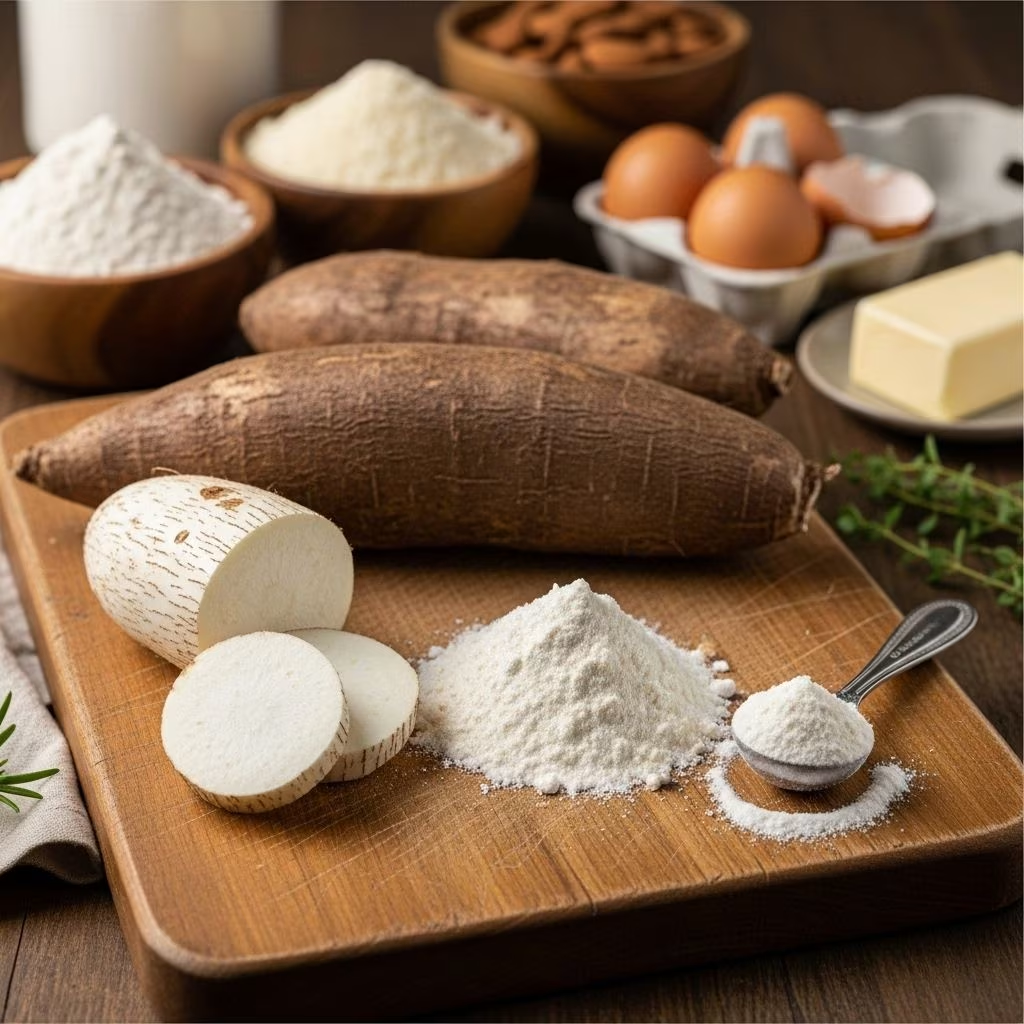
Yuca flour, more commonly referred to as cassava flour, is gaining popularity in gluten-free and grain-free cooking circles worldwide. Derived from the starchy root of the Manihot esculenta plant, yuca flour is frequently called upon for its unique baking properties, neutral flavor, and impressive nutritional value. This guide will provide a deep dive into yuca flour’s culinary uses, how it substitutes for other flours, and what you need to know about its nutritional benefits.
What is Yuca (Cassava) Flour?
Yuca flour is made by peeling, drying, and finely grinding the root of the yuca or cassava plant. Native to South America, yuca is now cultivated across Africa, Asia, and tropical regions worldwide. The flour derived from this root is a powdery, off-white product with a mild flavor and a starchy texture. Due to its versatility and neutrality, yuca flour has become a valuable ingredient in gluten-free, paleo, and AIP (Autoimmune Protocol) dietary patterns.
Yuca Flour vs. Cassava Flour: Are They the Same?
The terms yuca flour and cassava flour are generally interchangeable. Both refer to the same product: flour made from the whole peeled, dried cassava root. This should not be confused with tapioca flour or tapioca starch, which is processed only from the starchy liquid extracted from cassava, resulting in a different textural and functional profile in recipes.
- Yuca/Cassava Flour: Made from the whole root, dried and ground.
- Tapioca Starch: Only the extracted starch component of the root, not the whole root.
Yuca Flour in Baking
Yuca flour is recognized for its remarkable ability to mimic the texture and structure of wheat flour in both sweet and savory baked goods, offering excellent elasticity, moisture retention, and a mild taste that does not overpower other recipe elements. It is naturally gluten-free, nut-free, grain-free, and paleo-friendly, making it a staple for those with specific dietary requirements or allergies.
Baking Properties and Tips
- Texture: Produces moist, soft, and often springy baked goods.
- Binding: Offers some natural binding power, though eggs or other binders are often still needed.
- Swapping Ratio: Can frequently be used in a 1:1 ratio by weight for wheat flour in many recipes, though adjustments may be necessary for best results, especially for bread or recipes requiring high gluten content.
- Flavor: Mild and neutral, allowing it to blend with both sweet and savory flavors.
- Moisture: Absorbs more water than some other gluten-free flours—recipes may require increased liquid.
Types of Baked Goods Suited to Yuca Flour
- Breads (sandwich loaves, flatbreads, naan, and dinner rolls)
- Cakes and muffins (often with banana, applesauce, or other moistening ingredients)
- Cookies (from sugar cookies to chocolate chip and brownies)
- Crackers and pizza crusts
- Pancakes, crepes, and waffles
- Pasta, pie crusts, and snack bars
Common Uses in Various Diets
- Gluten-Free Baking: Replaces wheat flour for those with celiac disease or gluten intolerance.
- Paleo-Friendly: Complies with grain-free restrictions.
- AIP Diet: Safe for elimination stages where grains, nuts, and legumes are avoided.
- Nut-Free Recipes: Suitable for those managing nut allergies, frequently used instead of almond or hazelnut flour.
Best Substitutes for Yuca Flour
While yuca flour offers unique properties, there may be times when it is unavailable or you wish to experiment with alternatives, especially in gluten-free and grain-free baking. Here are the most effective substitutes:
| Substitute | Baking Tips | Best Uses |
|---|---|---|
| Tapioca Flour/Starch | Adds chewiness & elasticity, but lower fiber/protein—combine with coconut or almond flour for best results. | Flatbreads, biscuits, batters |
| Almond Flour | Nutty flavor, higher fat, moist texture. Not nut-free. Absorbs less liquid; may need more eggs. | Muffins, cakes, cookies |
| Coconut Flour | Very absorbent—replace only up to 1/4 of yuca flour. Use more eggs/liquid. | Brownies, pancakes, bars |
| Oat Flour | Gluten-free (if certified), adds mild sweetness, not grain-free. | Breads, muffins, treats |
| Arrowroot Powder | Light, neutral flavor, improves crispness. Combine with nut/seed flours. | Cookies, crackers, cakes |
- For best results, experiment with blends rather than direct 1:1 swaps, since no other single flour mimics all of yuca’s properties.
- Combination approaches, such as half almond flour and half tapioca starch, often yield improved texture and crumb for baked goods.
- If using yuca flour in an established recipe (especially yeast breads), monitor the dough’s hydration and elasticity to avoid a gummy result.
Nutritional Profile of Yuca (Cassava) Flour
Yuca flour is a starchy carbohydrate source, naturally free of gluten, grains, and nuts, with a micro-nutrient profile that distinguishes it from many other gluten-free alternatives.
Key Nutrients (per 100g, approximate):
- Calories: 330-350 kcal
- Total Carbohydrates: 75-80 g
- Dietary Fiber: 3-6 g
- Protein: 1-2 g
- Fat: 0.2-1 g
- Potassium: 250-400 mg
- Vitamin C: 20-40% of RDA
- Folate: Present in moderate amounts
- Magnesium & Manganese: Notable amounts
Compared to wheat flour, yuca flour is lower in protein but offers more potassium and Vitamin C. Its high carbohydrate content makes it a staple energy source in many cultures, but those on low-carb or ketogenic diets may need moderation.
Health Benefits and Considerations
Health Advantages
- Allergy-Friendly: Free from gluten, grain, nuts, and soy.
- Digestibility: Often easier to digest than legume or grain-based flours; suitable for many restrictive diets.
- Micronutrients: Provides Vitamin C, potassium, and trace minerals beneficial for immune, nerve, and muscle health.
- Energy Source: High in carbohydrates, supporting energy needs for active individuals or athletes.
Considerations and Potential Downsides
- Carbohydrate Load: Not ideal for low-carb diets or those with diabetes unless consumed in controlled quantities.
- Low Protein: Lacks the protein content of wheat or almond flour, so consider pairing with protein-rich ingredients in meals.
- Preparation Safety: Raw cassava contains cyanogenic glycosides, but commercially prepared flours are safe to consume. Always ensure the flour is food-grade and sourced from reputable brands.
Popular Recipes with Yuca Flour
Yuca flour accommodates a broad spectrum of gluten-free and paleo baking recipes, delivering comfort food favorites and indulgent treats alike. Here are some of the most popular applications:
- Breads: Rosemary cassava bread, naan, bagels, and dinner rolls
- Desserts: Brownies, chocolate chip cookies, cinnamon rolls, cakes, lemon bars
- Breakfasts: Pancakes, crepes, muffins, waffles
- Savory Snacks: Crackers, pizza crusts, pasta, burger buns
- Ethnic Classics: Pan de yuca (Ecuadorian cheese bread), Brazilian cheese bread, empanada dough
Recipe Highlight: Cassava Flour Brownies
A showcase of yuca flour’s versatility, cassava flour brownies achieve a classic fudgy texture:
- Core Ingredients: Cassava flour, quality chocolate chips, unsalted butter, eggs, and a natural sweetener (coconut or cane sugar).
- Tips: Melt chocolate and butter first, whisk in sugar and eggs, then fold in cassava flour and leavening. Bake just until set for maximum fudginess. The result is a naturally gluten-free, nut-free, and grain-free treat.
Recipe Highlight: Cassava Flour Pancakes
- Moisture Enhancers: Bananas, maple syrup, or applesauce to keep pancakes light and tender.
- Suggestions: Use various mix-ins like blueberries, chocolate chips, or shredded coconut for added flavor and nutrition.
Frequently Asked Questions (FAQs)
What is the difference between yuca flour and tapioca?
Yuca (cassava) flour contains the whole dried root, while tapioca flour is the extracted pure starch. The former provides more fiber and micronutrients, while the latter is almost entirely carbohydrate and used as a thickener or in chewy baked goods.
Is yuca flour safe to eat?
Yes. Commercially processed yuca/cassava flour is safe for consumption. Home processing requires proper preparation to remove harmful compounds.
How can I substitute yuca flour in my favorite recipes?
In many recipes, yuca flour can replace wheat flour by weight in a 1:1 ratio. However, for yeasted doughs and bread, blending with other gluten-free flours like tapioca or almond flour may yield better structure and rise.
Is yuca flour Paleo and AIP compliant?
Yes, yuca flour is both paleo- and AIP-compliant, since it is grain-free, legume-free, dairy-free, and nut-free.
How should yuca flour be stored?
Store yuca flour in a cool, dry place in a tightly sealed container. For extended freshness, consider refrigerating or freezing.
Conclusion
Yuca (cassava) flour is a highly versatile, allergy-friendly, and nutritionally intriguing alternative to traditional grain flours. Whether you are pursuing gluten-free, paleo, or simply whole-food baking, yuca flour’s adaptable properties and clean taste make it an essential pantry staple. Explore its breadth in both classic and creative recipes to experience the potential of this tropical root’s power in your kitchen.
References
- https://bakeitpaleo.com/10-easy-cassava-flour-recipes/
- https://flippindelicious.com/cassava-flour-based-recipes/
- https://www.fitmittenkitchen.com/cassava-flour-brownies/
- https://bojongourmet.com/gluten-free-flour/cassava-flour/
- https://40aprons.com/how-to-use-cassava-flour/
- https://www.youtube.com/watch?v=oHfJ7FVAIqo
- https://www.frugalnutrition.com/cassava-flour-tortillas/


