


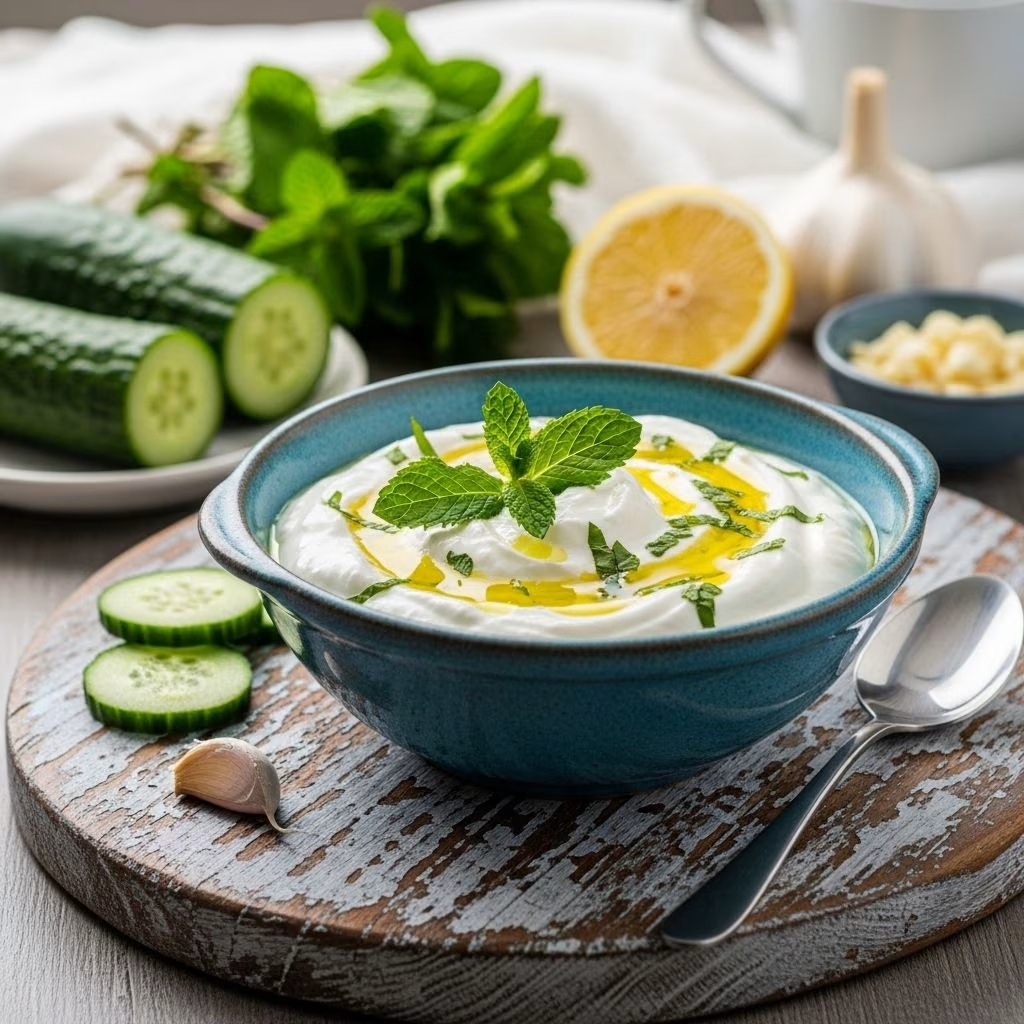
Zabadi is a staple of Egyptian cuisine, a creamy yogurt-based salad or dip enjoyed for generations across Egypt and the broader Middle East. Revered for its refreshing taste, versatility, and nutritional benefits, Zabadi finds its way onto tables as a side dish, appetizer, or a cool complement to spicy and hearty meals. This article explores Zabadi in depth—defining its origins, highlighting its health benefits, explaining its culinary uses, and uncovering its signature taste.
Origin and History of Zabadi
The dish known as Zabadi (زبادي) traces its roots to ancient Egypt, where fermented milk products were enjoyed by pharaohs and peasants alike. The concept of straining yogurt to produce a thick, creamy consistency spread across the Middle East and Mediterranean basin, influencing cuisines in Greece, Turkey, Lebanon, and beyond.
Zabadi shares a common ancestry with Greek tzatziki and Turkish cacık, but maintains distinctive Egyptian characteristics, particularly in its simplicity and use of mint or cucumber as accent flavors.
Today, Zabadi is not just a dish—it is a tradition embedded in the Egyptian way of eating, from family gatherings to celebratory feasts. It remains a symbol of hospitality and refreshment, often presented alongside other mezze (appetizer) offerings.
What Is Zabadi?
Zabadi is an Egyptian yogurt-based salad or dip, traditionally made from strained yogurt mixed with fresh or dried mint, often complemented by cucumber, garlic, olive oil, and salt. Unlike its regional counterparts, Zabadi’s flavor is more focused on mint and the rich tang of yogurt, with cucumber being an optional component.
Alternate Names: Salatit Zabadi, Cucumber-Yogurt Salad, Egyptian Yogurt Sauce.
| Country | Name | Main Features |
|---|---|---|
| Egypt | Zabadi | Yogurt, mint, (optional) cucumber, garlic |
| Greece | Tzatziki | Yogurt, cucumber, garlic, dill, olive oil |
| Turkey | Cacık | Yogurt, cucumber, mint or dill, garlic, water-induced thinner |
| India | Raita | Yogurt, cucumber or veggies, spices, herbs |
Ingredients and Variations
The quintessential version of Zabadi is marked by its straightforward yet harmonious ingredients. The core components include:
- Yogurt: The primary ingredient, often full-fat or Greek-style for thickness, sets the creamy base and tangy profile.
- Mint: Fresh or dried mint is a signature herb, contributing a refreshing aroma and cooling effect.
- Garlic: Crushed or minced garlic adds depth and a gentle pungency.
- Cucumber: (Optional but common) Provides crunch, freshness, and absorbs flavors. Some recipes omit cucumber in favor of a pure mint profile.
- Olive Oil: A drizzle of extra virgin olive oil enhances texture and taste.
- Salt and Pepper: For balance and seasoning.
Common Variations:
- Substitution of dill or parsley for mint in some regions.
- Use of finely chopped green onions or shallots for extra flavor.
- Incorporation of lemon juice for a sharper tang.
- Different yogurt types: Some households use homemade yogurt, others prefer store-bought Greek-style.
Typical Recipe for Salatit Zabadi
Ingredients:
- 450–500g Greek-style plain yogurt
- 1 small English cucumber, deseeded and finely diced
- 1 clove garlic, crushed
- A handful of fresh mint leaves, chopped
- 1 tablespoon olive oil
- Salt to taste
Nutritional Value and Health Benefits
Zabadi’s primary ingredient, yogurt, is celebrated for its nutritional richness and gut health benefits. Here is a closer look at its health profile:
- Calcium: Yogurt is an excellent source, crucial for healthy bones and teeth.
- Protein: Provides a good level of high-quality, easily digestible protein, supporting muscle health.
- Probiotics: Live bacterial cultures in yogurt support digestive health and may boost immune function.
- Vitamins: Contains vitamin D, B12, and riboflavin—important for overall wellness.
- Low in Calories: A typical serving is light and satisfying, making it suitable for weight management.
- Vegetables: Cucumber is low in fat, sugar, and calories but offers fiber, vitamins, and hydration benefits.
Nutritional Table: Sample Per 62g Serving
| Nutrient | Amount | % Daily Value* (Typical) |
|---|---|---|
| Energy | 44 kcal | 2% |
| Fat | 2.6g | 4% |
| Saturated Fat | 1.4g | 7% |
| Sugar | 1.5g | 2% |
| Salt | 0.4g | 7% |
*Based on an adult’s guideline daily amount.
Health Benefits Summary
- Promotes digestive health due to probiotics.
- Supports bone health via calcium and vitamin D.
- Provides hydration and antioxidants from fresh cucumber and mint.
- May assist in weight management as part of a balanced diet due to its low calorie density.
- Contributes to heart health with healthy fats and fiber when eaten with vegetables.
Culinary Uses of Zabadi
Zabadi’s cool, creamy texture and mild, fresh flavor make it one of the most adaptable components of Egyptian and Middle Eastern dining. Here are some of the most common uses:
- Appetizer or Mezze: Served with warm pita or vegetable sticks as part of a mezze platter, often alongside hummus and baba ganoush.
- Side Dish: A soothing complement to hot and spicy mains such as kebabs, grilled meats, stuffed grape leaves, and stews.
- Dressing or Dip: Adds creaminess and tang to fresh salads, falafel wraps, and roasted vegetables.
- Refreshing Snack: Enjoyed chilled as a wholesome, low-calorie snack.
Zabadi’s ability to balance spicy, fatty, or protein-rich foods is a key reason for its enduring popularity in Mediterranean and Middle Eastern cuisine.
Taste Profile and Texture
Zabadi offers a unique taste and textural experience, shaped by its simple yet purposeful ingredients:
- Creamy and Tangy: Yogurt provides a smooth, thick, and slightly acidic base.
- Minty Freshness: The signature scent and flavor of mint add coolness and vibrancy.
- Garlicky Undertone: A gentle pungency without overpowering the dish.
- Crunchy Bits: (If cucumber is used) Provide a fresh crunch and mild sweetness.
- Savory Finish: Salt and olive oil round out the flavors and enrich the mouthfeel.
The result is a salad both light and satisfying—ideal for hot climates and heavy dishes alike.
How to Make Zabadi: Recipe and Tips
Zabadi is celebrated for its ease of preparation. Here is a classic recipe with step-by-step guidance:
Classic Salatit Zabadi Recipe
- Step 1: Drain yogurt of excess liquid for a thicker consistency.
- Step 2: Peel, deseed, and finely dice cucumber (if using). Sprinkle with salt and let sit for 30-60 minutes to extract moisture; drain before mixing.
- Step 3: In a bowl, combine yogurt, cucumber, garlic, mint, a drizzle of olive oil, and salt to taste.
- Step 4: Mix well. Taste and adjust seasoning, adding more mint or garlic if desired.
- Step 5: Refrigerate for 30 minutes before serving to allow flavors to meld. Garnish with a mint sprig or extra olive oil.
Serving suggestions:
- Pair with warm pita, roasted meats, stuffed grape leaves, or as part of a mezze platter.
- Enjoy as a cooling side to spicy Middle Eastern or North African dishes.
- Use leftovers as a spread in wraps and sandwiches for added creaminess and tang.
Expert Tips for Making Zabadi
- Use thick yogurt for the best texture; Greek-style yogurt is ideal.
- Let the salad chill to develop deeper and more harmonious flavors.
- Drain excess liquid from both yogurt and cucumber to prevent a watery dip.
- Adjust mint and garlic to suit your preference.
Zabadi vs. Other Yogurt-Based Dishes
Zabadi is often compared to dishes such as Greek tzatziki, Turkish cacık, and Indian raita. The table below sums up the primary differences:
| Dish Name | Origin | Main Flavor Accents | Typical Uses |
|---|---|---|---|
| Zabadi | Egypt | Yogurt, mint, optional cucumber, garlic | Salad, dip, side for grilled meats |
| Tzatziki | Greece | Yogurt, cucumber, garlic, dill | Dip for pita, sauce for gyros |
| Cacık | Turkey | Yogurt, cucumber, mint, garlic, thinner | Soup, dip, cold side |
| Raita | India | Yogurt, vegetables, spices | Side to curries and rice dishes |
Though similar, Zabadi stands out for its prominent use of mint and its refreshing, creamy-yet-chunky texture—perfect for Egypt’s hot climate.
Frequently Asked Questions (FAQs)
Q: Is Zabadi the same as Tzatziki?
A: While both are yogurt-based dips, Zabadi is the Egyptian version and distinguishes itself by sometimes omitting cucumber and focusing more heavily on fresh or dried mint. Tzatziki, by contrast, always contains cucumber and often includes dill.
Q: Is Zabadi healthy?
A: Yes, Zabadi is a healthy choice due to its high calcium, protein, probiotics, and low calorie content. It is suitable for balanced diets and supports digestive health.
Q: Can I make Zabadi vegan?
A: Absolutely. You can substitute dairy yogurt with plant-based alternatives like soy or coconut yogurt, ensuring similar texture and flavor, but check for added sugars or flavors.
Q: How long does Zabadi keep in the refrigerator?
A: Zabadi can be stored in an airtight container in the refrigerator for up to 3 days. Its flavor may deepen over time, but it should be consumed while fresh for best taste and texture.
Q: What is the best way to serve Zabadi?
A: Serve it chilled in a shallow bowl, garnished with a sprig of mint and a drizzle of olive oil, paired with warm bread or alongside grilled dishes for maximum enjoyment.
Conclusion
Zabadi is far more than just a yogurt salad—it is an emblem of Egyptian hospitality and a marvel of culinary simplicity. Its combination of creamy yogurt, refreshing mint, and (optionally) crisp cucumber creates a side dish or appetizer that’s nutritious, adaptable, and deeply satisfying year-round. Whether as part of a vibrant mezze, a side to grilled lamb, or a healthy snack, Zabadi proves that sometimes the most enduring dishes are also the simplest and most nourishing.
References
- https://www.phunkyfoods.co.uk/wp-content/uploads/2021/11/Recipe_Salatit-Zabadi.pdf
- https://www.marga.org/food/int/egypt/zabadi.html
- https://www.phunkyfoods.co.uk/recipe/salatit-zabadi/
- https://cheznermine.com/2022/05/23/salated-zabadi-bel-khiar-cucumber-yogurt-salad-%D8%B2%D8%A8%D8%A7%D8%AF%D9%8A-%D8%A8%D8%A7%D9%84%D8%AE%D9%8A%D8%A7%D8%B1/
- http://www.grouprecipes.com/58199/laban-ayran-laban-zabadi-lassi-yogurt-drink.html
- https://growinggardens.org/salated-zabadi-bel-khiar-cucumber-yogurt-salad/
- https://www.youtube.com/watch?v=tLExIRHNK6I


