


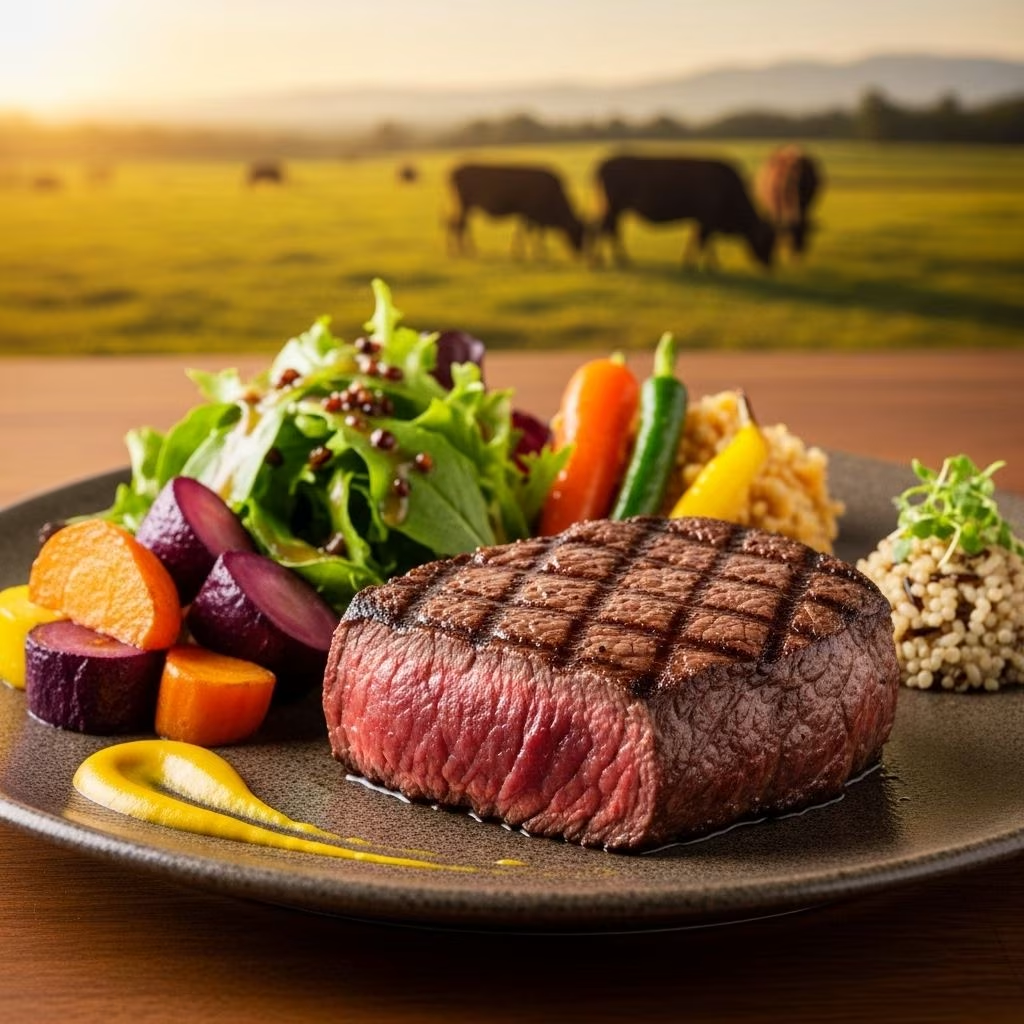
Introduction: What Is Zebu Beef?
Zebu beef is a distinctive type of meat sourced from zebu cattle (Bos taurus indicus), recognized by their characteristic hump, loose skin, large dewlaps, and drooping ears. Originating from South Asia, zebu cattle are now widely bred for their resilience to high temperatures and humidity—traits that make them a preferred livestock in tropical and subtropical regions. Their ability to thrive where other breeds struggle has made zebu beef an increasingly sought-after specialty meat in regions spanning Africa, South America, and Asia.
Origin and History of Zebu Cattle
The history of zebu cattle dates back thousands of years, emerging in South Asia and spreading globally due to their adaptability. Zebu have been farmed since at least 3000 B.C. in Africa and Southern Asia, primarily for milk, meat, and draft power. Miniature zebu breeds were introduced to the United States in the late 19th century, and today, several ranches in America raise them for their unique beef and milk qualities.
- Name Origin: The term “zebu” is derived from the Tibetan word “ceba,” meaning “hump”.
- Global Distribution: Zebu cattle are prevalent in India, Brazil, Africa, and increasingly in specialty ranches worldwide.
- Cultural Significance: In India, zebus are revered and often used primarily for milk and draft.
Physical Characteristics of Zebu Cattle
Zebu cattle are distinguished from European taurine breeds by several physical traits:
- Prominent Hump: A large fatty muscle above the shoulders, which is prized for specialty cuts and unique flavor.
- Loose Skin and Dewlap: Pronounced folds of skin around the neck aid in heat dissipation.
- Drooping Ears & Horns: Large ears and upward-back curving horns.
- Color: Typically gray, red, or brown, often with a spotted pattern.
Most zebu breeds grow to less than 1,000 pounds, with miniature varieties sometimes under 500 pounds and larger breeds exceeding 3,000 pounds.
| Feature | Zebu Cattle | Taurine Cattle (European breeds) |
|---|---|---|
| Shoulder Hump | Prominent fatty/muscle hump | Absent |
| Skin / Dewlap | Loose, pronounced dewlap | Tighter skin |
| Heat Adaptation | Highly adapted | Less adapted |
Major Zebu Breeds Used for Beef
Several breeds of zebu cattle contribute to the production of beef:
- Brahman: Originating from India, Brahman cattle are famed for their heat and disease resilience. Widely bred in the United States and South America, they are a main source for zebu beef.
- Nelore: Known for their white coat, prominent hump, and adaptability, Nelores are major beef producers in Brazil.
- Gir: Originally prized for milk in India, the Gir breed’s gentle temperament and resilience are also valued in beef crossbreeding programs.
These breeds often cross with local cattle to improve hardiness, meat quality, and sustainability of production in harsh climates.
Nutritional Benefits of Zebu Beef
Zebu beef offers several nutritional advantages, particularly owing to the animal’s ability to produce lean yet well-marbled meat:
- Leanness: Zebu beef is often less fatty than European counterparts, especially in cuts other than the shoulder hump.
- Marbling: The hump provides remarkable marbling, reminiscent of Wagyu, offering both flavor and juiciness.
- Digestibility: In some specialty regions, zebu meat (like hump ham) is noted for losing up to 40% moisture during curing, leading to an intense flavor without excessive fat content.
While nutrient breakdowns can vary by feed and husbandry, zebu beef is noted for:
- High protein content
- Lower overall saturated fat in standard muscle cuts
- Richness in essential minerals (iron, zinc) and B-vitamins
Additionally, zebu milk possesses a high butterfat content, often up to 6%, and contains A2 casein, which some people find easier to digest.
Culinary Uses and Specialty Cuts
Zebu beef’s unique anatomy and qualities make it prized for specialized culinary uses:
- Shoulder Hump Delicacies: The hump is a sought-after cut, used to make intense-flavored ham, cured and matured with special spicing to preserve delicate marbling.
- Traditional Stews & Grills: Zebu beef is used in regional dishes across Africa, Asia, and South America—often grilled, roasted, or featured in stews for its robust texture.
- Exclusivity: In specialty markets like Germany, only 40-50 hump hams are sold annually, making them exceptionally rare and exclusive.
Chefs and butchers may select hump meat for high-end preparations, comparing its marbling and succulence to expensive Wagyu beef, but with a deeper, more gamey flavor profile.
Taste Profile: How Zebu Beef Compares
The taste of zebu beef varies by cut but is consistently noted for its depth and distinctiveness:
- Hump Meat: Intensely flavored, tender, and juicy, with perfect marbling—likened to premium Wagyu or even culinary truffles in terms of exclusivity and complexity.
- Other Cuts: Leaner, more robust, with a slightly gamey undertone compared to typical beef, owing to the animal’s hardiness and natural diet.
- After Curing: Cured hump ham loses 30–40% of its water, concentrating flavors, resulting in a delicate, intensely rich taste appreciated by connoisseurs.
Many consider the special spicing and maturing processes integral to the full appreciation of zebu beef’s taste.
Zebu Beef and Sustainability
For farmers and consumers mindful of environmental impact, zebu cattle offer unique advantages:
- Climate Adaptation: Zebus thrive in high temperatures, humidity, and challenging conditions—require fewer resources for survival.
- Disease Resistance: Breeds like Brahman are less susceptible to disease, contributing to sustainable livestock management.
- Diversity: Zebu breeds are genetically diverse, reducing vulnerability to epidemics and supporting ecological resilience.
The ability to breed zebu beef in regions where other cattle would struggle promotes food security, especially in developing economies.
Zebu Beef vs Other Beef Types
| Feature | Zebu Beef | European Beef |
|---|---|---|
| Adaptation | Thrives in tropical climates | Prefers temperate climates |
| Marbling | Excellent in hump, generally lean otherwise | Varies, often evenly distributed |
| Taste | Intense, gamey, concentrated | Milder, classic beef |
| Exclusivity | Rare specialty items like hump ham | Widely available |
| Sustainability | Low input, highly resilient | More resource-intensive |
Frequently Asked Questions (FAQs)
Q: What is the defining feature of zebu beef?
A: The hump on the shoulders is the signature cut, prized for its marbling and rich taste.
Q: Where is zebu beef most commonly found?
A: Zebu beef is prevalent in tropical countries such as Brazil, India, and across Africa, with specialty demand in Europe and the USA.
Q: How does zebu beef taste in comparison to regular beef?
A: Zebu beef is more robust, intensely flavored, and sometimes described as gamey; hump ham can rival Wagyu for delicacy and intensity.
Q: Is zebu beef healthy?
A: Many cuts are lean, high in protein and essential nutrients, with specialty pieces like the hump offering extra marbling and flavor.
Q: Why is zebu beef considered sustainable?
A: Zebu cattle are hardy, needing fewer inputs while thriving in heat and resistant to disease, thus supporting sustainable farming in diverse environments.
Q: Can I find zebu beef in ordinary supermarkets?
A: Zebu beef is rare, often reserved for specialty butchers and high-end chefs, with limited exports from countries like Brazil and India.
Conclusion
Zebu beef stands out not only for its unique physical and culinary qualities but also as an ethical choice for sustainable meat production. Whether prized for the delicate marbling of the shoulder hump or the robust taste of leaner cuts, zebu beef represents a confluence of tradition, resilience, and gourmet exclusivity—a rare experience on any menu.
References
- https://www.charbroil.co.uk/how-tos/zebu-cattle-an-unusual-breed-in-germany
- https://www.thecattlesite.com/breeds/beef/76/zebu/
- https://a-z-animals.com/animals/zebu/
- https://www.ifizci.com/zebu-information-about-the-humped-cattle/
- https://www.denvergazette.com/2024/01/12/whats-a-zebu-all-about-the-national-western-stock-show-cattle-breed-c78ebfe4-b0f5-11ee-80bc-9baf3e1a375c/
- https://www.gbif.org/species/113274210
- https://en.wikipedia.org/wiki/Zebu
- https://beefskillathon.tamu.edu/type-and-breed-characteristics/


