


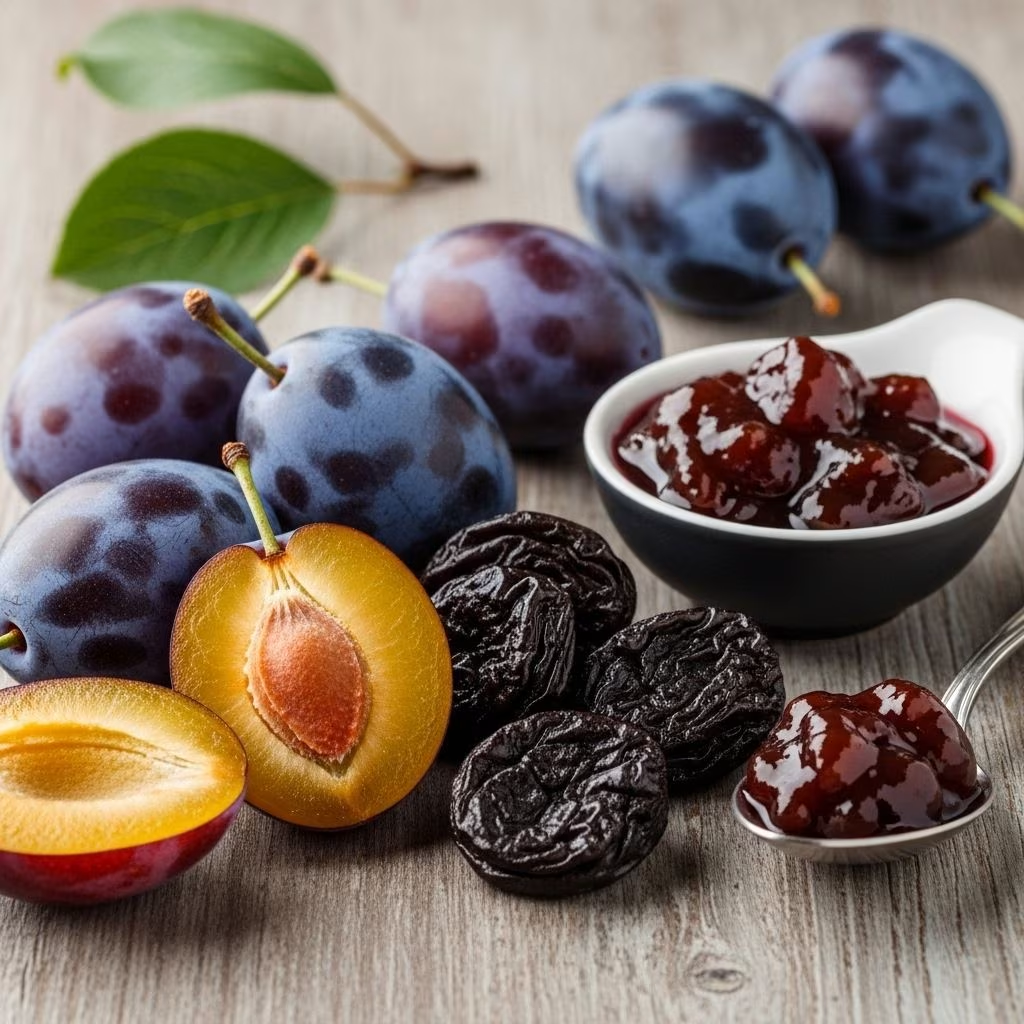
Zwetschge, also widely known as the prune plum, is a cherished fruit across Central Europe and beyond, beloved for its rich heritage, nutritional value, and distinctive flavor. From classic pastries like zwetschgenkuchen to artisanal jams and spirited brandies, the prune plum stands as a symbol of tradition and culinary artistry.
What Is Zwetschge (Prune Plum)?
Zwetschge is the German name for a unique type of plum known botanically as Prunus domestica subsp. domestica. Commonly referred to as prune plum in English, this fruit is distinct from rounder plums due to its oval shape, pointed ends, and grooved side. Not only is it enjoyed fresh in season, but its ability to retain texture during baking and cooking has made it a staple in traditional European desserts and preserves.
- Other names: Blue plum, damask plum, sugar plum, German prune
- Regional term: Zwetschge (Germany), Quetsche (France), Italian Prune Plum (US/UK)
History and Origins
The prune plum has a deeply rooted history in Europe, particularly in Germany, Austria, Hungary, and the Balkans. The term Zwetschge traces back to the Latin word damascena, referencing Damascus, suggesting a heritage connected to the ancient Near East. Over centuries, the fruit migrated across Europe, cultivated in orchards called Streuobstwiesen in Germany and adapted to diverse climates from the Mediterranean to Northern Europe.
- Historical uses: Eaten fresh, dried for prunes, distilled for spirits, and crafted into festive dolls for celebratory occasions.
- Spread: Now grown in the Americas, favored in home gardens and commercial orchards alike.
Botanical Characteristics
The prune plum tree is a medium-sized, deciduous fruit tree recognized for its upright yet spreading stance, making it both ornamental and productive.
- Height: 6–10 meters (20–33 feet)
- Leaves: Simple, oval, finely toothed, 4–10 cm long
- Flowers: White, greenish-white, or yellowish-green blossoms in spring, blooming before or with new leaves
- Fruit: Freestone drupe (pit separates easily from flesh), oval to oblong shape, skin transitions from deep red to purple-black, with a powdery blue-white “bloom” indicating freshness
| Characteristic | Details |
|---|---|
| Color (ripe) | Purple to nearly black, with blue bloom |
| Flesh | Golden yellow to greenish yellow |
| Texture (raw) | Semi-firm, juicy, snappy |
| Texture (cooked) | Creamy, jammy |
| Pit | Freestone (easily separable) |
Nutritional Benefits of Zwetschge
Beyond their culinary appeal, prune plums are lauded for impressive nutritional qualities—offering a range of health benefits when consumed as part of a balanced diet.
- Low in calories: Making them ideal for healthy snacking
- Rich in dietary fiber: Supports digestive health and helps regulate blood sugar
- High in antioxidants: Contains polyphenols, vitamin C, and beta-carotene beneficial for immune support and combating oxidative stress
- Potassium and magnesium: Help maintain heart health and metabolic function
- Natural sugars: Provide a mild, sweet energy boost
Dried Zwetschge (prunes) are especially valued for their fiber content and gentle, natural laxative effect. Prunes also help with bone health and are included in dietary recommendations for their protective properties.
Key Nutritional Values (per 100g, raw prune plum)
- Calories: 40–50 kcal
- Carbohydrates: 10–12 g
- Fiber: 1–2 g
- Vitamin C: 6–10 mg
- Potassium: 150–200 mg
Culinary Uses
One of the greatest assets of the Zwetschge is its remarkable versatility in the kitchen. Unlike many softer plums, prune plums hold their shape when baked, making them a go-to fruit for both sweet and savory preparations.
- Fresh Eating: Enjoyed as a seasonally fresh snack (August–September in the Northern Hemisphere)
- Baking: Iconic in Central European desserts like Zwetschgenkuchen (German plum cake) and quetschentaart (French tart); holds form beautifully in crumbles and pastries
- Preserves: Transformed into thick jams such as powidl (Austro-Hungarian slow-cooked prune butter), and schmootsch (spiced Silesian jam)
- Cooking: Folded into savory dumplings (e.g., zwetschgenknoedel), stews, or sauces to add a tangy-sweet dimension
- Drying: Plums are dried to make prunes, used for snacking, baking, and confections; dried plums are also used as “plum people” decorations at Christmas markets
- Fermenting: Used to make beloved European fruit brandies such as zwetschgenwasser and quetsch
Famous Dishes Featuring Zwetschge
- Zwetschgenkuchen: A yeast or shortcrust base layered with halved prune plums, dusted with sugar and cinnamon
- Zwetschgenknödel: Dumplings with plum filling, topped with buttered breadcrumbs and cinnamon sugar
- Powidl: Traditional, slow-cooked prune plum butter from Austria and the Czech Republic
- Dried prune ornaments: Festive dolls for Christmas and special occasions
Cultural Significance and Traditions
Zwetschge is more than just a fruit—it is steeped in regional tradition and folklore, especially in German-speaking countries. The annual plum harvest inspires fairs, baking contests, and symbolic crafts. Some notable aspects include:
- Festivals: Plum festivals coincide with harvest season, where local specialties and cakes are celebrated
- Religious holidays: Delicacies such as Zwetschgenkuchen are associated with Rosh Hashanah and harvest feasts
- Christmas markets: Dried prunes crafted into “plum people” dolls (Zwetschgenmännla), traditionally gifted to bring luck and fortune
- Village crafts: Wood from prune plum trees used for fine woodworking, cabinetry, and decorative arts
Taste Profile and Texture
Prune plums are celebrated for their subtle, yet complex flavor that distinguishes them from round dessert plums:
- Mild sweetness: Higher natural sugar content compared to many plums, balanced by gentle tartness
- Fruity with citrus notes: Mild, slightly tangy aftertaste with undertones reminiscent of lemon zest
- Texture: Snappy and semi-firm when raw; mellow, creamy, and jammy when baked or stewed
- Low water content: Prevents sogginess in baked goods, preserves concentrated flavors
Storing and Preparing Prune Plums
Proper handling preserves the prune plum’s delicate qualities:
- Choose plums with an intact blue-white bloom; fading indicates declining freshness
- Store ripe fruits in the refrigerator for up to a week, or freeze halved and pitted plums for extended use
- To use in recipes, halve the plum along the groove, twist, and remove the freestone pit easily
- For drying, halve and stone the plums, then use a dehydrator or low oven to create prunes—store in airtight jars
- In baking, arrange plum halves cut-side up for maximum caramelization and flavor release
Zwetschge vs Other Plums: A Comparison
| Feature | Zwetschge (Prune Plum) | Typical Round Plum |
|---|---|---|
| Shape | Oval, pointed ends | Round, or slightly heart-shaped |
| Color | Purple/black with blue bloom | Red, purple, yellow, or green; less pronounced bloom |
| Pit | Freestone | Mainly clingstone |
| Texture (cooked) | Holds shape, become creamy | Tend to disintegrate |
| Best use | Baking, drying | Fresh eating, preserves |
Frequently Asked Questions (FAQs)
Q: Are Zwetschge and prunes the same thing?
A: Zwetschge refers to the fresh prune plum fruit. When these plums are dried, they become prunes. The term “prune” in English often refers specifically to the dried fruit.
Q: When is Zwetschge season?
A: Zwetschge plums ripen in late summer to early autumn, typically from August through September in the Northern Hemisphere.
Q: Can you eat Zwetschge plums raw?
A: Yes, they are delicious raw, with a mild, sweet flavor and juicy, firm texture. They are also excellent in baking, preserves, and when dried into prunes.
Q: What is the best way to store Zwetschge plums?
A: Store ripe plums in the refrigerator. For long-term storage, pit and freeze, or dry to make prunes. Always keep away from excess moisture to prevent spoilage.
Q: Why are prune plums popular in baking?
A: Their firm texture and low water content help them retain their shape and flavor, even when exposed to oven temperatures—ideal for cakes and tarts.
Conclusion
Zwetschge, or prune plum, embodies more than delicious flavor; it captures a world of culinary possibility, cultural celebration, and nutritional value. Whether savored freshly picked, transformed into artisan confections, or baked into golden pastries, the prune plum remains a timeless fruit—rich in heritage, packed with benefits, and beloved across generations.
References
- https://en.wikipedia.org/wiki/Prune_plum
- https://specialtyproduce.com/produce/Italian_Prune_Plums_7483.php
- https://plants.millcreekgardens.com/12190009/Plant/25965/Italian_Prune_Plum/
- https://kids.kiddle.co/Prune_plum
- https://gobotany.nativeplanttrust.org/species/prunus/domestica/
- https://treecrops.org.nz/your-backyard-fruit-bowl-notable-plums/
- https://plants.ces.ncsu.edu/plants/prunus-domestica/
- https://www.kelownaitalianclub.com/the-italian-gardener/the-many-possibilities-of-prunes


