


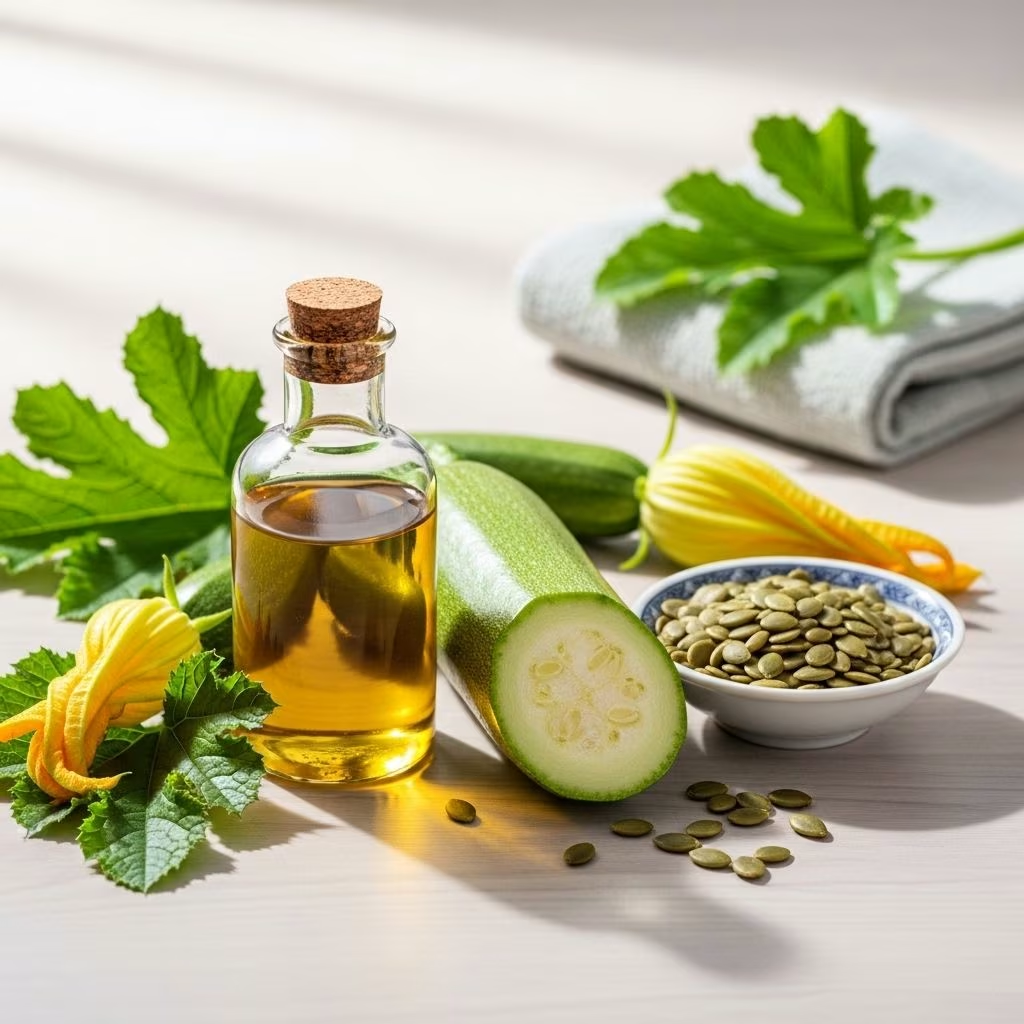
Zucchini seed oil is gaining recognition as a natural remedy for boosting hair growth and maintaining scalp health. Derived from the seeds of the Cucurbita pepo plant, this lightweight and nutrient-rich oil contains a unique mix of fatty acids, vitamins, and antioxidants. Recent studies highlight its promising results in supporting hair health, making it a sought-after option for those seeking alternatives to synthetic treatments.
Overview: Zucchini Seed Oil
Zucchini seed oil, also often referred to as pumpkin seed oil due to botanical similarities, is extracted from the seeds of zucchini (Cucurbita pepo). It features a greenish-golden hue and a mild, nutty aroma. The oil is:
- High in unsaturated fatty acids, chiefly linoleic acid and oleic acid
- A good source of vitamin E (tocopherols)
- Contains phytoestrogens, phytosterols, and antioxidants
- Non-comedogenic, making it suitable for most scalp types
These components collectively contribute to nourishing the scalp and hair, while offering protection against environmental and oxidative stress.
The Science: Zucchini Seed Oil & Hair Growth
While most clinical studies specifically use pumpkin seed oil, zucchini seed oil comes from the same Cucurbita pepo species, sharing the same botanical properties and biochemical constituents. Research findings point to several mechanisms:
- DHT Inhibition: Zucchini and pumpkin seed oils contain plant sterols and phytoestrogens, which have shown the ability to naturally inhibit dihydrotestosterone (DHT), a hormone linked with androgenetic alopecia (pattern hair loss).
- Promotion of Hair Growth: In controlled studies, topical and oral pumpkin seed oil (by extension, zucchini seed oil) led to increased hair counts in both animals and humans. For example, one notable study observed a 40% mean increase in hair count after 24 weeks in men with androgenetic alopecia compared to 10% in the placebo group.
- Improved Hair Follicle Phase: Animal research found a greater percentage of hair follicles in the active growth (anagen) phase when treated with pumpkin seed oil compared to those not treated, suggesting direct stimulation of healthy hair cycling.
- Antioxidant Activity: The vitamin E and phenolic compounds protect scalp and hair cells from oxidative stress, a common factor in hair loss and scalp irritation.
Summary Table: Key Research Findings
| Study | Intervention | Result |
|---|---|---|
| 2014 Korea Clinical Study (Men) | Oral pumpkin seed oil, 24 weeks | Hair count increased by 40% (vs. 10% in placebo) |
| 2019 Swiss Mice Study | Topical pumpkin seed oil, 3 weeks | Significant increase in hair growth; comparable to minoxidil |
Key Benefits of Zucchini Seed Oil for Hair
Zucchini seed oil offers a comprehensive set of advantages for scalp and hair health, supported by both its composition and growing scientific evidence:
- Encourages Hair Growth: By mildly blocking DHT and nourishing follicles, the oil helps stimulate the growth of new hair and reduce thinning.
- Strengthens Hair Shaft: Rich fatty acids restore lipid levels along the hair shaft, adding resilience and preventing breakage.
- Improves Scalp Health: The oil’s nutrients hydrate the scalp, reduce dryness, and may soothe irritation or minor flaking.
- Protects from Oxidative Stress: Vitamin E and other antioxidants guard against damage caused by pollution, sun exposure, and harsh styling products.
- Supports Balanced Sebum Production: Non-comedogenic and light, it helps regulate oil levels without clogging pores—suitable for oily and dry scalps alike.
Because it is non-greasy and absorbs easily, the oil is ideal for both direct scalp application and use in hair masks, serums, and leave-in conditioners.
How to Use Zucchini Seed Oil for Hair
Integrating zucchini seed oil into your hair care regimen can be personalized based on your specific hair needs. Possible methods include:
1. Scalp Massage Treatment
- Pump 2–3 teaspoons of pure zucchini seed oil into your palm.
- Warm the oil by rubbing your hands together.
- Gently massage the oil onto a clean, dry scalp using fingertips for 5–10 minutes.
- Leave on for at least 30 minutes before shampooing, or overnight for a deeper treatment.
2. Pre-Shampoo Nourishing Mask
- Mix equal parts zucchini seed oil with coconut oil, olive oil, or argan oil for enhanced benefits.
- Apply evenly through dry or damp hair, focusing on mid-lengths and ends.
- Cover your hair with a shower cap or towel, leave on 20–60 minutes, then wash thoroughly.
3. Leave-In Conditioner Booster
- Add a few drops to your favorite leave-in conditioner or serum.
- Work the product through the hair after washing to seal in moisture and smooth frizz.
4. Beard and Edge Oil
- Rub 1–2 drops of zucchini seed oil into your beard or hairline edges to soften and strengthen these areas.
Frequency and Duration
- For hair growth: Aim for 2–3 times per week consistently over at least 3–6 months for noticeable results.
- For daily maintenance: Small amounts can be used as needed to combat dryness or add shine.
Tips for Best Results with Zucchini Seed Oil
- Patch Test First: Always apply a tiny amount to the inside of your wrist or behind the ear, waiting 24 hours to ensure no allergic reaction.
- Use Consistently: Visible improvement requires regular application—set reminders or make it part of your routine.
- Combine with Scalp Massage: Massaging increases blood flow, enhancing ingredient absorption at the roots.
- Mix with Complementary Oils: Blend with other beneficial oils like rosemary, jojoba, or castor for targeted effects.
- Pair with a Healthy Diet: Nutritional support from within (including seeds, nuts, and green vegetables) complements topical treatments for stronger results.
Side Effects & Considerations
Zucchini seed oil is considered safe for most users when applied topically. However, there are a few considerations:
- Allergic Reactions: As with any natural oil, sensitivity is possible—always patch test before full use.
- Not a Cure for Medical Hair Loss: For underlying conditions (such as alopecia areata, scalp infections, or hormonal imbalances), professional diagnosis and treatment are recommended.
- Quality Matters: Only use high-quality, cold-pressed, unrefined oil for maximum efficacy and safety.
If irritation, redness, or unexpected hair shedding occurs, discontinue use and consult a dermatologist or trichologist.
How to Choose & Buy Quality Zucchini Seed Oil
- Opt for cold-pressed, unrefined, and organic zucchini or pumpkin seed oil for maximum nutritional retention.
- Check that the oil is stored in dark glass bottles and kept away from heat and sunlight.
- Read the ingredient list: pure oil should list only Cucurbita pepo seed oil, with no added chemicals or fragrances.
- Look for reputable brands with third-party purity testing when possible.
Frequently Asked Questions (FAQs)
Q: Is zucchini seed oil the same as pumpkin seed oil for hair?
A: Zucchini and pumpkin seed oils often come from the same species (Cucurbita pepo) and share nearly identical fatty acid and phytonutrient profiles. Both can be used for hair care with similar effects.
Q: How long does it take to see results from zucchini seed oil on hair?
A: Most studies on related oils report measurable improvement after 12–24 weeks of regular application. Individual results may vary depending on hair health and consistency of use.
Q: Can zucchini seed oil be used on color-treated or chemically processed hair?
A: Yes. Its conditioning and protective qualities can help repair and strengthen damaged hair. Always patch test, especially after chemical treatments.
Q: Does zucchini seed oil make hair greasy?
A: The oil is lightweight and absorbs quickly when used in moderation. Overapplication may make hair feel heavy; adjust the amount based on hair thickness and texture.
Q: Are there any interactions between zucchini seed oil and medications?
A: Topical application is generally safe and unlikely to affect systemic medications. While rare, consult a healthcare professional if you use topical steroid treatments or other scalp medications.
Summary
Zucchini seed oil stands out as a potent, natural choice for strengthening hair, encouraging growth, and improving scalp condition. With scientific backing for its main mechanisms, it is a promising alternative to synthetic products—especially when used as part of a consistent and healthy hair care routine.
References
- https://pmc.ncbi.nlm.nih.gov/articles/PMC6823528/
- https://gashee.com/blogs/wellness-blog/pumpkin-seed-oil-for-hair-growth-research-findings
- https://pmc.ncbi.nlm.nih.gov/articles/PMC8681145/
- https://perfecthairhealth.com/pumpkin-seed-oil-for-hair-growth/
- https://onlinelibrary.wiley.com/doi/10.1111/jocd.13976
- https://health.clevelandclinic.org/pumpkin-seed-oil-for-hair
- https://www.healthline.com/nutrition/dht-blocker-foods


