What Is Compost?
Compost is the result of decomposing organic materials such as food scraps, yard trimmings, and other plant-based waste, creating a nutrient-rich additive that improves soil health and supports plant growth. By relying on naturally occurring microorganisms, composting transforms what might otherwise be considered trash into valuable humus, closing the loop in nature’s nutrient cycle.
How Compost Is Made
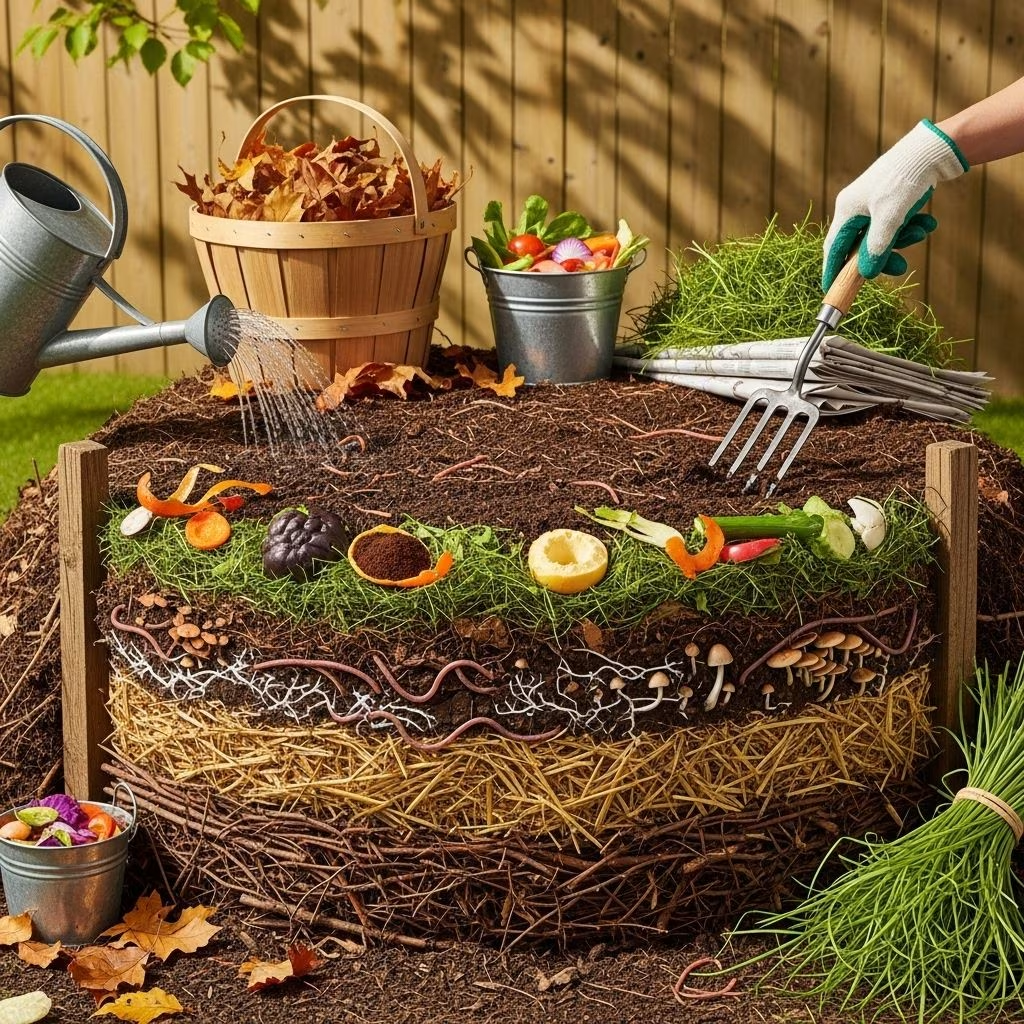
The composting process is driven by microorganisms — primarily bacteria and fungi — that break down organic matter. For composting to succeed, a well-balanced mix of materials and conditions is required:
- Greens: These are nitrogen-rich materials such as fruit and vegetable scraps, coffee grounds, grass clippings, and fresh garden waste.
- Browns: These are carbon-rich materials including dried leaves, straw, cardboard, wood chips, and paper.
- Oxygen: Aerobic bacteria need oxygen to break down the materials efficiently. Turning or aerating the pile helps speed up decomposition and prevents foul odors.
- Moisture: The pile should have moisture similar to a wrung-out sponge; too wet causes odors and slows the process, too dry stalls breakdown.
- Particle Size: Chopping materials into small pieces increases surface area, which accelerates decomposition.
Microorganisms work most efficiently when these elements are in harmony. As they consume the organic matter, they generate heat that further enhances the breakdown process, converting kitchen and yard waste into dark, crumbly compost over time.
The Benefits of Composting
Composting offers both environmental and practical advantages:
- Reduces Landfill Waste: Food and yard scraps make up a significant portion of household garbage. Composting diverts this material from landfills, lessening methane emissions and landfill space usage.
- Enriches Soil: Adding compost improves soil texture and structure, helping soils retain moisture, air, and nutrients more effectively. It contains nitrogen, phosphorus, potassium, manganese, copper, iron, and other plant-friendly minerals.
- Supports Healthy Plant Growth: Compost increases beneficial soil organisms, suppresses diseases, and can even help remediate contaminated soils.
- Reduces the Need for Chemical Fertilizers: Compost offers a slow-release nutrient source, lessening dependency on synthetic fertilizers and their potential environmental impacts.
By transforming waste into a valuable resource, composting plays a crucial role in sustainable gardening and responsible consumption.
How Does Compost Work?
During composting, decomposers such as bacteria, fungi, and other organisms consume organic materials. The breakdown occurs in stages, beginning with easily digestible materials (like sugars and greens) and followed by tougher components (such as lignin in wood or stems). The main phases include:
- Mesophilic Phase: Moderate-temperature bacteria multiply rapidly, softening scraps and increasing heat.
- Thermophilic Phase: As the pile heats up (up to 140°F/60°C), heat-loving bacteria and fungi further munch through organic matter, killing many weed seeds and pathogens.
- Cooling and Maturation: As easily digested material disappears, the pile cools; worms, beetles, and fungi finish transforming leftovers into stable, usable compost.
Proper management of aeration, moisture, and material balance ensures efficient decomposition and a finished product free from foul odors and pests.
What Can Be Composted?
Most plant-based material can be composted, but it is helpful to classify ingredients into two groups:
| Greens (Nitrogen-rich) | Browns (Carbon-rich) |
|---|---|
| Fruit and vegetable scraps | Dried leaves |
| Coffee grounds and filters | Cardboard (plain, shredded) |
| Grass clippings | Paper (uncoated, shredded) |
| Tea bags (plastic-free) | Sawdust (from untreated wood) |
| Fresh plant trimmings | Wood chips, straw |
Blending carbon-rich “browns” and nitrogen-rich “greens” is essential for a healthy compost pile. Aim for roughly 2-3 parts browns to 1 part green by volume.
Examples of What to Compost
- Vegetable peels and fruit rinds
- Used coffee grounds and filters
- Teabags (without plastic components)
- Eggshells (crushed)
- Old flowers and indoor plants
- Shredded newspaper and non-glossy paper
- Plain cardboard (torn up)
What You Should Not Compost
Certain items slow down the process or pose health and environmental risks if composted. Keep these items out of your compost pile:
- Meat, dairy, and oily food waste: Attract pests, create odors, and hinder decomposition.
- Pet waste: May harbor dangerous pathogens and parasites that survive home composting temperatures.
- Diseased plants: Disease organisms may persist and infect future garden plants.
- Synthetic materials: Plastics, metals, and glass will not break down and may release toxins.
- Glossy or coated paper/cardboard: Chemicals and inks can contaminate compost.
- Weeds with mature seeds: Seeds may survive and cause future weed problems.
- Large branches or woody stems: Decompose slowly unless shredded; chop before adding, or exclude large pieces.
- Coal or charcoal ash: May contain toxins unsuitable for garden use.
- Fats, oils, and grease: Can create odors, attract pests, and upset compost balance.
- Chemically-treated materials: Items treated with synthetic chemicals, herbicides, or pesticides can harm soil biota and pose risks to garden health.
- Large quantities of citrus: Can make the pile too acidic; occasional peels are fine, but avoid excess amounts.
- Walnuts: Contain juglone, which is toxic to some plants.
How Long Does It Take to Make Compost?
The time required to produce finished compost depends on several factors: pile size, ingredient balance, aeration, particle size, moisture, and the overall management of the pile. Compost can be ready in as few as 2-3 months with active management (frequent turning and monitoring), or it may take up to a year if left unmanaged. Signs of finished compost include a dark color, crumbly texture, and earthy smell. Visible pieces of food or plant matter should be minimal or absent.
Most Common Home Composting Methods
There is a home composting method for nearly every space and lifestyle. The three most common approaches are:
- Compost Piles or Heaps: Simple, cost-effective, and suited for large yards. Organic material is stacked directly on the ground and turned every few weeks.
- Compost Bins: Contain compost in a plastic or wooden bin, helping maintain moisture, heat, and a neater appearance. Bins are widely available or can be built from scrap wood or wire mesh.
- Compost Tumblers: Enclosed, barrel-shaped bins mounted on a frame. Turning the handle to rotate the drum aerates the compost without requiring lifting or forking. Tumblers speed up the decomposition process and provide protection from pests.
For apartment dwellers or those without yards, vermicomposting — composting with worms in a special indoor bin — is a practical alternative for managing food scraps.
Maintaining Your Compost Pile
- Monitor moisture, turning the pile if it becomes too wet or too dry.
- Chop or shred large materials for faster decomposition.
- Avoid overloading the pile with one type of material.
- If the pile smells bad, increase aeration and add carbon-rich browns.
- Keep a balanced ratio of greens to browns.
- Do not add new material too frequently; give previous additions time to break down first.
By following simple guidelines and maintaining balance among materials, moisture, and air, your compost pile will convert household organic waste into finished compost efficiently.
Environmental Impact of Composting
Composting is a powerful tool in reducing humanity’s ecological footprint. Its positive environmental impact includes:
- Reducing methane emissions: In landfills, food waste decomposes anaerobically and produces methane, a potent greenhouse gas. Composting keeps materials out of landfills, minimizing these emissions.
- Conserving resources: Compost improves soil health, reduces the need for water and chemical inputs, and supports more sustainable agriculture.
- Mitigating pollution: Healthy soils enriched with compost bind pollutants and filter rainwater, reducing the risk of runoff into waterways.
- Closing nutrient loops: Compost completes the cycle from farm or table back to soil, fostering local nutrient recycling and decreasing dependence on imported fertilizers.
Tips for Successful Home Composting
- Keep your pile or bin in a well-drained area with partial sunlight.
- Add a mix of greens and browns whenever possible.
- Turn or aerate frequently to supply oxygen.
- Monitor and adjust moisture regularly.
- Cover food scraps with a layer of browns to deter pests and control odor.
- Be patient — composting is a natural process that takes time!
Frequently Asked Questions
Q: How do I know when my compost is ready?
A: Finished compost will be dark, crumbly, and have a rich, earthy smell. It will be uniformly textured, with no recognizable food scraps or yard waste.
Q: Can I compost in winter or cold climates?
A: Yes, but the process slows down in cold weather. Insulating the pile and continuing to add materials (especially browns) helps maintain activity until spring.
Q: Can I compost cooked food?
A: Cooked vegetables are generally acceptable if they’re free of oil, salt, or meat. Avoid adding cooked foods that contain dairy, oils, or animal products.
Q: How do I prevent pests in my compost bin?
A: Bury food scraps and always cover them with carbon-rich browns. Avoid meat, dairy, and oily foods, and keep the pile moist but not soggy.
Q: Can compost be made indoors?
A: Yes, using worm bins (vermicomposting) or specially designed countertop composters, you can compost food scraps indoors even if you lack outdoor space.
Conclusion
Composting is an accessible, effective, and rewarding way to reduce waste and enrich your garden — all while benefiting the environment and reconnecting with natural cycles. Whether you maintain a backyard pile, use a bin or tumbler, or simply help separate your kitchen scraps for municipal collection, your efforts help close the nutrient loop and foster a more sustainable future.
References
- https://research.library.fordham.edu/cgi/viewcontent.cgi?article=1004&context=environ_theses
- https://www.bmptreehugger.com/the-tree-hugger-story/
- https://www.earth-smart-solutions.com/blogs/blog/composting-cautiously-what-not-to-add-to-your-compost-pile-and-why
- https://www.newsreview.com/sacramento/content/embracing-the-treehugger/608484/
- https://thecompostess.com/2015/04/03/compost-city-book/
- https://ecooptimism.com/?tag=treehugger
- https://neilthompson.info/bulletin/treehugger-about-us/