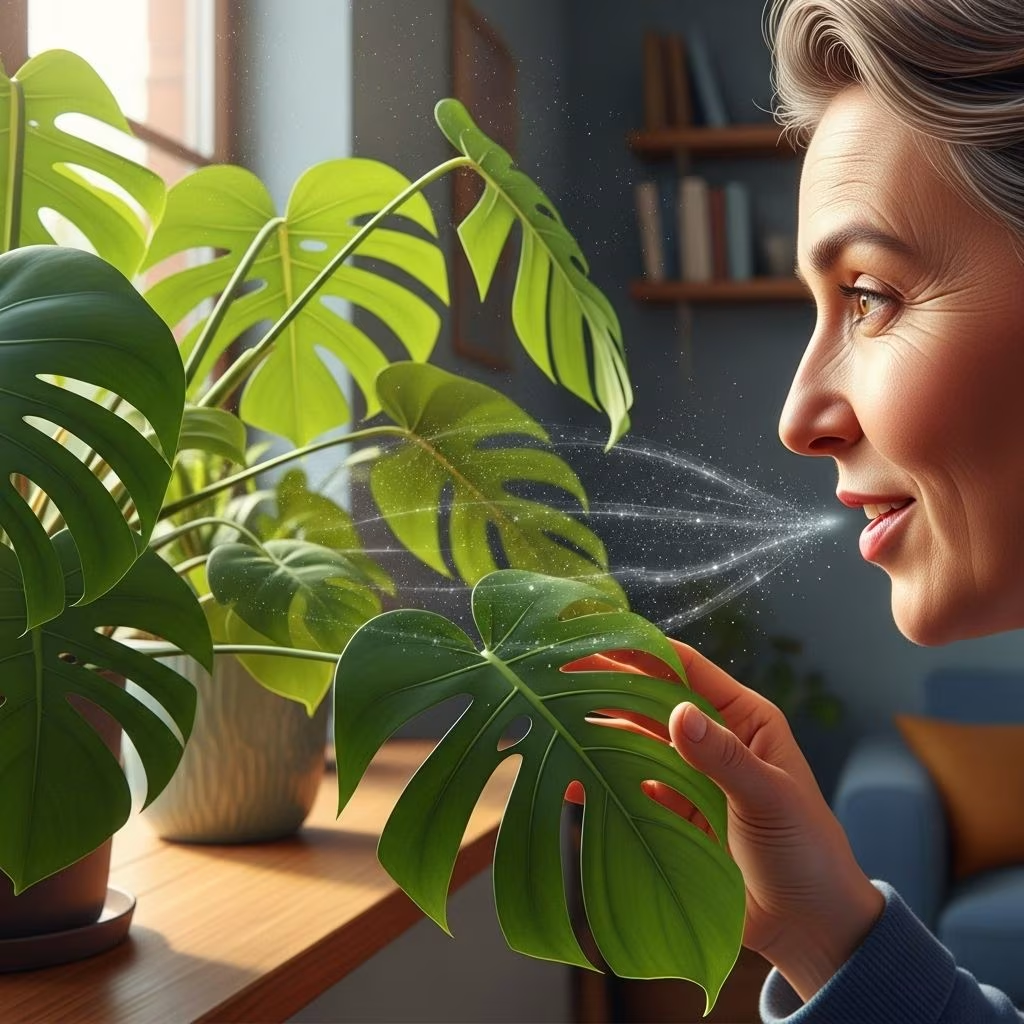
For generations, gardeners have spoken to their plants, offering words of encouragement, whispers of affection, or even the occasional scolding. While some see this as a quaint tradition, science increasingly suggests that communication between humans and plants — and among plants themselves — may be more meaningful than once thought. This article explores the origins, science, and potential benefits of talking to your plants, drawing on the latest research and insights from both plant biology and human psychology.
The Tradition of Talking to Plants
Long before the advent of modern plant science, people across cultures believed that expressing care and intention toward plants could help them thrive. This intuition was not unfounded: attentive gardeners have always observed that plants cared for with attention and gentleness seem to flourish. But is there actual science behind these observations?
- Historical Practices: Many traditional societies regarded plants as sentient beings capable of responding to sound and human presence.
- Anecdotal Successes: Countless home gardeners and horticulturists claim their plants respond positively to talk, music, and gentle touch.
Plant Communication: A Scientific Overview
The idea that plants communicate with each other — and possibly with us — has gained support from several groundbreaking scientific discoveries. Plants, it seems, possess remarkable ways of interacting with their environment and neighboring organisms.
The “Wood Wide Web”: Fungi and Roots
Ecologist Suzanne Simard and others have uncovered vast underground networks known as the mycorrhizal network or “Wood Wide Web”. Through these networks, plants and fungi swap nutrients, water, and information. Key characteristics of this network include:
- Resource Sharing: Trees and plants can send sugars, nitrogen, and water to one another via the fungal “pipeline” beneath the forest floor.
- Defense Alerts: When under attack by pests or suffering from drought, plants release specific chemicals through these networks to warn nearby trees, allowing them to activate their natural defenses.
- Mother Trees: Older, established trees (so-called “mother trees”) may even prioritize the survival of their offspring and neighbors by sending extra nutrients to younger or struggling plants.
Airborne Chemical Messaging
Plants also communicate through volatile organic compounds (VOCs) released into the air. When a plant is wounded or attacked by herbivores:
- It emits VOCs that can serve as distress signals to neighboring plants. These plants may immediately ramp up their own defense chemicals in response.
- This kind of communication is common among acacias and eucalyptus, which have been observed warning each other about impending threats.
Perceiving and Responding to Sound
While plants lack ears or brains, research shows they can detect certain vibrations and sound waves:
- Some studies suggest plants may alter their behavior when exposed to specific sound frequencies, including those associated with human speech.
- For example, the Mimosa pudica plant experiments showed that plants can “learn” to ignore repetitive, harmless stimuli, indicating a capacity for behavioral adaptation.
The Science of Human-Plant Interaction
With compelling evidence that plants communicate among themselves, researchers have begun to ask: Can human voices or intentions also influence plant health and behavior?
Experiments in Sound and Plant Growth
- Classic Studies: Some early experiments indicated that plants exposed to music or human voices grew faster or healthier than those left in silence.
- Mixed Results: Not all studies have found clear effects, and many researchers caution that outcomes may depend on the type of sound, duration, volume, and even the plant species involved.
- Possible Mechanisms: Some hypothesize that sound waves could influence the movement of water and nutrients within plant tissues, while others suggest human presence may simply mean better care (watering, light, etc.).
Plants and the Power of Human Attention
Human attention often leads to:
- More Frequent Inspection: Spotting and correcting issues like pests or dehydration sooner.
- Better Environmental Conditions: Plants being rotated for even sunlight or adjusted for temperature and moisture based on close monitoring.
Emotional Benefits for People
Beyond plant health, interacting with plants offers measurable psychological rewards:
- Increased Mindfulness: Caring for plants encourages a slower, more attentive approach to daily life.
- Stress Relief: Gardening and plant care is known to reduce anxiety and improve mood.
- Sense of Connection: Communicating with plants can foster a sense of belonging and empathy toward the natural world.
How to “Talk” to Your Plants: Practical Tips
Ready to converse with your plants? Whether motivated by science, intuition, or a bit of both, here are some strategies to make the most of your time spent communicating with your green friends:
- Speak Gently and Consistently: Set aside a few moments each day to verbally engage with your plants. Talk about what you’re observing—new leaves, possible pests, or changes in soil moisture.
- Combine Words with Care: Use this time to check soil, prune leaves, or rotate pots, reinforcing your verbal care with tangible action.
- Try Music or Singing: Many plant owners find their plants respond well to music, especially gentle acoustic or classical genres.
- Observe Carefully: Track any changes in growth, color, or leaf shape. This observation deepens your intuitive understanding of what your plants need.
The Wider World of Plant Intelligence
Recent insights into plant communication invite a reevaluation of the intelligence and agency found in the natural world. Even without a brain or nervous system, plants can:
- Sense and Respond: Adjusting growth patterns in reaction to light, sound, touch, or the presence of nearby organisms.
- Form Memories: Some plants “remember” repeated experiences, like harmless vibrations, and alter their response accordingly.
- Cooperate and Compete: Balancing competition for resources with an ability to nurture and protect one another for the greater ecosystem’s good.
Does Talking to Your Plants Really Help?
There is no universal scientific consensus that talking to your plants consistently leads to faster or stronger growth. However, plant scientists agree on several points:
- Improved Care Correlates with Attention: Plants cared for regularly do better, and communication typically means more attentive care.
- Possible Physical Influence: Sound waves might have a mechanical effect on cells, though pronounced effects remain debatable.
- Emotional Gains for Humans: Any act that fosters connection with nature tends to benefit mental health, which can indirectly benefit plants via more consistent, joyful care.
| Benefit | Potential for Plants | Potential for Humans |
|---|---|---|
| Sound & Vibration | Might stimulate growth or defense in some species | Promotes mindfulness; reduces stress |
| Increased Attention | Leads to timely watering, pruning, and observation | Develops discipline and increased awareness |
| Emotional Connection | May benefit from energetic intention (not scientifically verified) | Boosts sense of purpose and belonging |
Debates and Skepticism
While many plant owners swear by the power of speech, skepticism remains within parts of the scientific community. Major considerations include:
- Research Limitations: It’s difficult to isolate the effect of talking from confounding variables like care level, environment, and plant species.
- Alternative Explanations: Healthier plants may simply result from increased attention and care, rather than sound or intention alone.
Respecting the Plant World
Perhaps the most profound shift comes when humans approach plants not just as decorative objects or passive recipients of care, but as integral, responsive members of Earth’s web of life. Whether conversation matters to your plants is less important than the attention, respect, and stewardship these practices inspire.
Frequently Asked Questions (FAQs)
Do plants really understand human language?
Plants do not comprehend language as animals do. However, they can respond to certain sound vibrations and environmental cues, including those produced during human speech, which may influence their growth or behavior in small ways.
Are there certain types of plants that respond better to talking?
Some studies suggest that specific species—like beans, sunflowers, or mimosa—may show more noticeable responses to sound stimuli, but effects can be unpredictable and subtle.
Can plants “hear” music or talking?
Plants lack ears but can detect vibrations. Music or speech produces sound waves that may alter plant physiology or trigger defensive responses in certain cases.
Is it just about the talking, or does attention matter more?
Attention and consistent care make the biggest difference to plant health. Talking often coincides with better overall plant maintenance.
What can I do in addition to talking to help my plants thrive?
Monitor light, water, and soil needs; gently touch and rotate your plants; use music or positive intention alongside practical care for best results.
Conclusion: Towards a New Understanding of Plant Life
Whether or not you believe your philodendron is listening, there’s no doubt that nurturing plants through attentive care and conscious communication can yield healthy, vibrant greenery. More importantly, talking to your plants is an invitation — a way to participate in the living rhythms of the natural world, dissolving the boundary between human and plant. As research deepens, perhaps we will discover that this everyday ritual has been making more of a difference than we ever imagined.