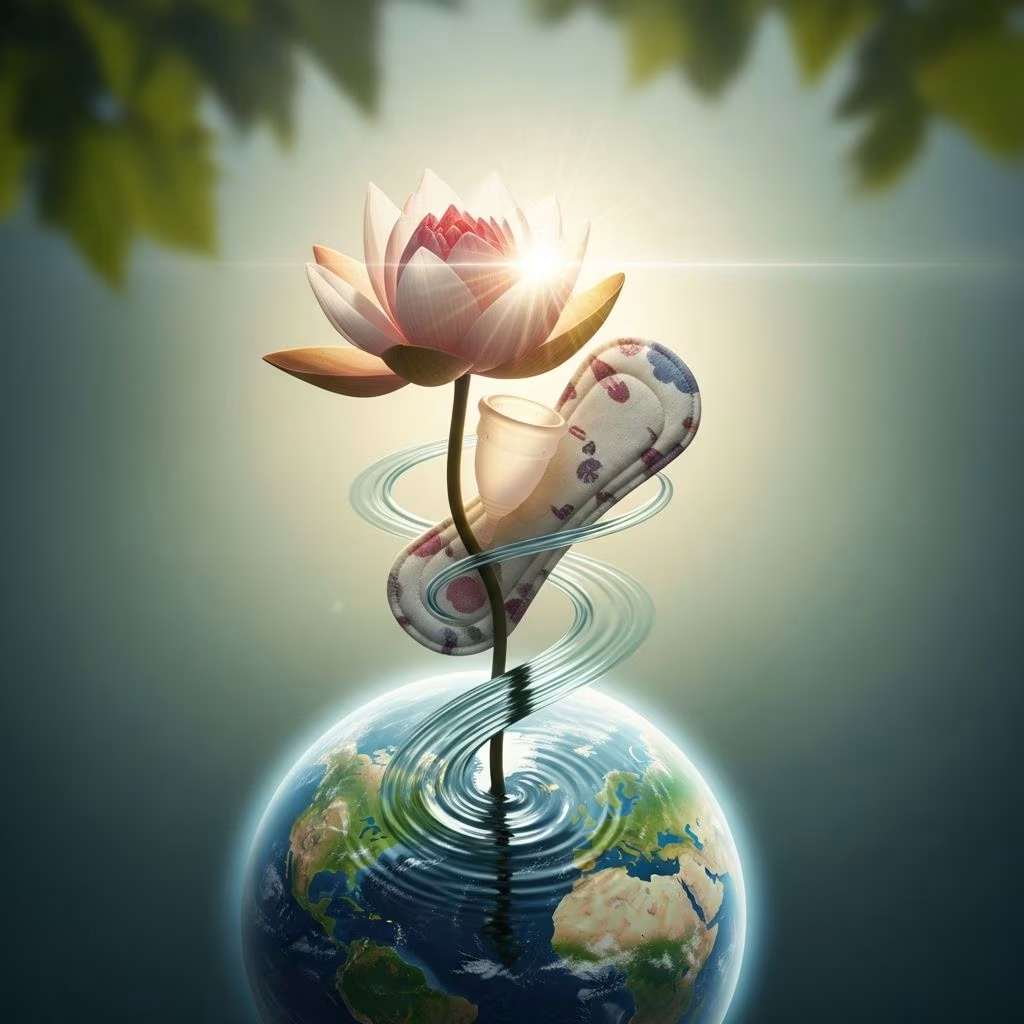
Each October, communities, activists, and organizations come together to mark Environmenstrual Week. Far beyond raising awareness, this week spotlights a growing global movement: one that bridges health, equity, and sustainability by reimagining how the world manages menstruation. Through open conversations and collective action, Environmenstrual Week urges us to question not only what period products we use—but how their design, disposal, and availability affect people and the planet.
Understanding Environmenstrual Week
Environmenstrual Week serves as an annual platform for advocates and organizations to shed light on the intersection of menstrual health, product safety, plastic pollution, and social justice. Coordinated by the environmental NGO Women’s Environmental Network (WEN), it brings together teachers, policy makers, product innovators, students, and grassroots activists in a shared effort to create systemic change around how society thinks about, markets, and disposes of period products.
- Focus: Promoting sustainable, safe, and equitable menstrual products.
- Activities: Workshops, public discussions, online campaigns, and outreach to schools and workplaces.
- Vision: Empower menstruators with choice, expose hidden health and environmental risks, and shift industries away from single-use plastics.
The week coincides with International Day of the Girl and is celebrated globally through local and virtual events.
The Problem with Conventional Period Products
The majority of commercially available menstrual products—pads, tampons, panty liners—are designed to be disposable and are largely composed of plastic. From a consumer standpoint, these products promise convenience and discretion; but their hidden costs are enormous:
- Plastic content: Single-use pads are made of up to 90% plastic, and conventional tampons often contain plastic applicators and individual wrappers.
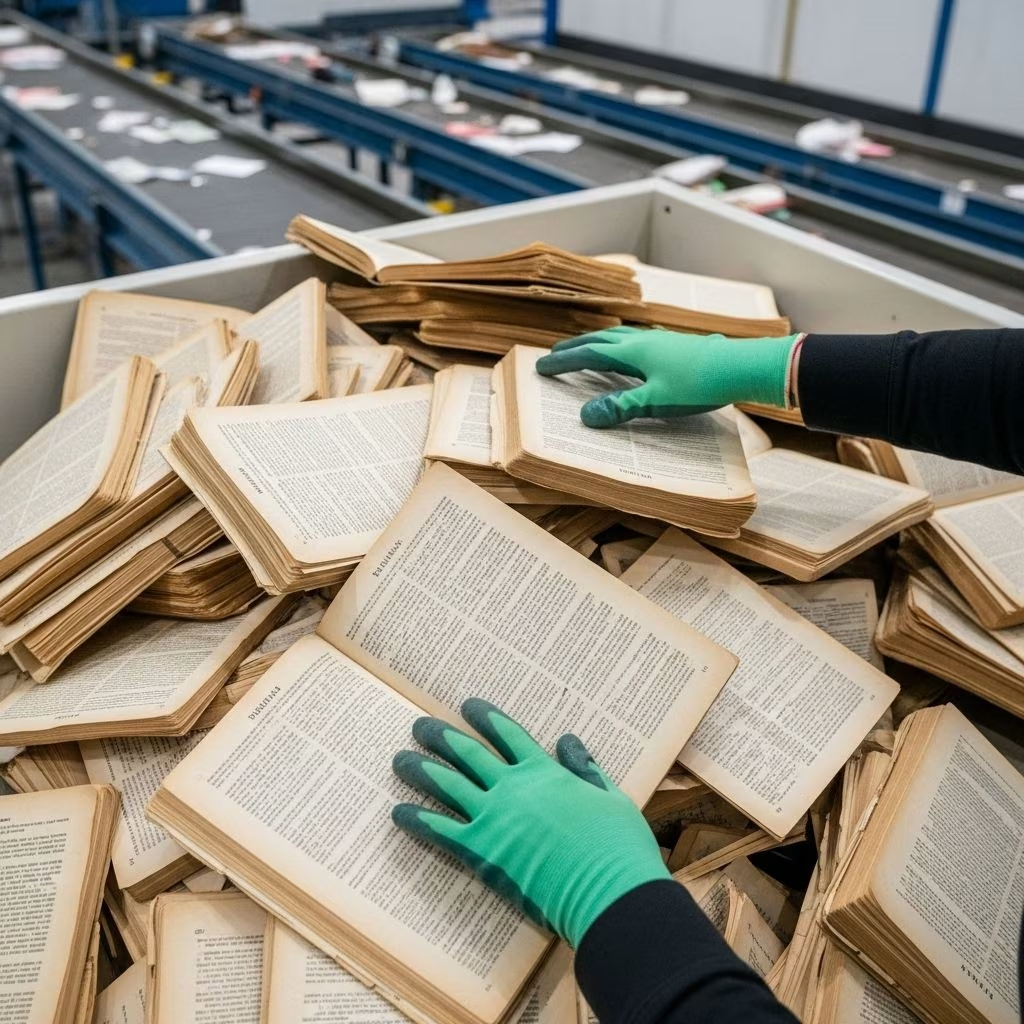
- Waste generation: It is estimated that a menstruator uses over 11,000 disposable menstrual products in a lifetime, and billions end up in landfills and waterways every year.
- Non-biodegradability: Pads and tampons can take hundreds of years to break down, contributing to long-term environmental pollution.
Part of the challenge is that packaging and marketing often obscure the true materials and environmental burden of these products. Disposables are rarely labeled with a full breakdown of ingredients, and health concerns about chemical exposure—from pesticides in cotton to dioxins from chlorine bleaching—are largely absent from public discourse.
Environmental Impact: Pads, Plastics, and Pollution
The environmental footprint of mainstream period products extends far beyond consumer use. Here is how the entire lifecycle impacts the earth:
- Manufacturing: The production of plastic-based pads and applicators is energy intensive and dependent on petroleum-derived plastics, contributing to fossil fuel emissions.
- Packaging: Multi-layered plastic wrappers and boxes add to packaging waste.
- Transportation: Global supply chains mean products are shipped over large distances, increasing their carbon footprint.
- Waste disposal: Menstrual products are typically discarded in household trash, flushed down toilets, or burned—each option creating environmental hazards. Flushing products contributes to sewer blockages and marine pollution.
Environmental organizations have identified single-use menstrual products as a significant contributor to plastic pollution—on par with other high-profile items such as plastic bags and bottles. Beaches, waterways, and landfills worldwide contain increasing amounts of menstrual waste.
Health Concerns and Lack of Transparency
Beyond environmental damage, conventional period products raise health questions that often go unexamined:
- Chemical exposure: Some disposables use synthetic fragrances, bleached cotton, and super-absorbent polymers. Residual pesticides, dioxins, or phthalates may remain in the final product.
- Irritation and allergies: The use of plastic and certain chemicals can cause rashes, itching, or even contribute to reproductive health issues for some individuals.
- Lack of disclosure: Ingredient lists are rarely provided on packaging, leaving users in the dark about what comes into contact with their bodies.
Advocates are pushing for better regulation, labeling, and open discussion to ensure product safety and dignity for all menstruators.
Period Poverty and Inequity: Who Gets Left Behind?
Period poverty—the lack of access to menstrual products, education, and safe facilities—impacts millions around the world. Disposable plastic-based products, apart from their environmental toll, pose significant equity issues:
- Cost: Repeated monthly purchases add up, creating a long-term financial burden for low-income households.
- Access: Unreliable supply chains and market gaps leave entire communities, especially in low- and middle-income countries, with few or no options.
- Education: Stigma and lack of accurate information prevent many menstruators from making informed choices about products and hygiene practices.
- Facilities: Without water, private toilets, or proper waste disposal, even the most sustainable alternatives may remain out of reach.
The result is that menstruators may resort to unsafe solutions (old cloths, tissue, or even ash), with risks to both physical health and social dignity.
Environmenstrual Justice: Linking Sustainability, Health, and Social Change
The Environmenstrual movement calls not just for better products, but for environmenstrual justice—the idea that everyone deserves safe, affordable, and environmentally friendly period options, and that communities most burdened by waste and pollution should take part in crafting solutions.
- Intersectional approach: Acknowledges the overlapping impacts of environmental harm, health risks, and social inequality.
- Bodily autonomy and choice: Encourages access to a full range of safe, sustainable products and rejects stigma around menstruation.
- Policy change: Demands government action supporting research, product labeling, and funding for reusable and organic menstrual hygiene programs.
Sustainable Alternatives: Beyond Single-Use Plastics
A new generation of sustainable period products is gaining traction—offering benefits for the body, wallet, and world:
Reusable Cloth Pads
- Made from organic cotton or bamboo fibers.
- Washed and reused for years, dramatically reducing waste.
- Can be locally produced or purchased from ethical brands.
Menstrual Cups
- Made of medical-grade silicone or rubber.
- Collect rather than absorb blood, lasting up to 10 years with proper care.
- Require access to water and privacy for cleaning.
Period Underwear
- Innovatively designed underwear with absorbent layers.
- Combines comfort and sustainability, washable and reusable.
Organic Disposable Pads and Tampons
- Made from certified organic cotton and compostable materials.
- Biodegradable and free from artificial fragrances or dyes.
- While still single-use, significantly less polluting than conventional products.
These options often offer better value over time, fewer health risks, and allow menstruators to make choices that reflect their circumstances and values.
Sustainable Menstrual Product Comparison Table
| Product Type | Reusable? | Average Lifespan | Main Materials | Waste Produced |
|---|---|---|---|---|
| Conventional Pad | No | 1 use | Plastics, wood pulp, synthetic fibers | High |
| Conventional Tampon | No | 1 use | Cotton, plastic/rayon, plastic applicator | High |
| Organic Disposable Pad | No | 1 use | Organic cotton, compostable bioplastic | Lower |
| Cloth Pad | Yes | 3–5 years | Organic cotton, bamboo | Very Low |
| Menstrual Cup | Yes | 5–10 years | Medical-grade silicone | Minimal |
| Period Underwear | Yes | 2–5 years | Cotton, polyester absorbent layers | Very Low |
What You Can Do: Actions for Individuals and Communities
Everyone, menstruator or not, can take meaningful steps to advance the goals of Environmenstrual Week:
- Educate yourself: Understand what’s in your products and where they go after use.
- Raise your voice: Ask brands for transparency, demand ingredient labeling, and support new policies on menstrual health and waste management.
- Make thoughtful choices: Explore reusable or certified organic alternatives, and share knowledge with others.
- Break the stigma: Foster open, shame-free conversations about menstruation in your networks, schools, or workplaces.
- Support global action: Join or amplify campaigns led by organizations working for menstrual equity and environmental justice.
FAQs: Environmenstrual Week, Sustainable Periods, and More
What is Environmenstrual Week?
Environmenstrual Week is an annual campaign led by the Women’s Environmental Network and other partners to raise awareness about the health, environmental, and equity challenges of conventional menstrual products and to promote accessible, sustainable alternatives.
What is the environmental impact of disposable menstrual products?
Disposable pads and tampons are largely made of plastics and can take centuries to break down. They contribute significantly to global plastic pollution, with millions of products ending up as landfill waste, on beaches, or in waterways each year.
Are reusable products safe and hygienic?
When cleaned according to manufacturer guidelines, reusable cloth pads, menstrual cups, and period underwear are hygienic, cost-effective, and have very low environmental footprint. Access to clean water is important for proper maintenance.
Why is ingredient transparency important in period products?
Knowing what’s in your period products allows consumers to identify and avoid harmful chemicals and make informed choices for their bodies and the environment.
How does period poverty relate to environmental sustainability?
Providing affordable, sustainable period options helps alleviate period poverty and reduces waste. Equitable access means everyone can manage periods safely while supporting a healthier planet.
Final Thoughts: Celebrating Progress, Acknowledging Challenges
Environmenstrual Week highlights the urgency—and the opportunity—to transform how society thinks about and manages menstruation. While the shift away from disposable plastics is growing, barriers remain: policy inertia, supply chain gaps, and persistent stigma. Still, through open conversation, community support, and creative activism, the movement is building a future where healthy, sustainable, and dignified period care is the norm—not the exception.
By participating in Environmenstrual Week—whether by switching to an eco-friendly product, educating your community, or advocating for change—you become part of a global effort for environmental and menstrual justice, one period at a time.
References
- https://iwaponline.com/washdev/article/13/2/63/93386/An-exploration-of-market-organic-sanitary-products
- https://www.sei.org/publications/redefining-sustainability-menstrual-policies/
- https://www.jelsciences.com/articles/jels1129.php
- https://pmc.ncbi.nlm.nih.gov/articles/PMC5838436/
- https://treehuggerclothpads.com/pages/faqs
- https://zerowasteeurope.eu/wp-content/uploads/2019/12/bffp_single_use_menstrual_products_baby_nappies_and_wet_wipes.pdf