


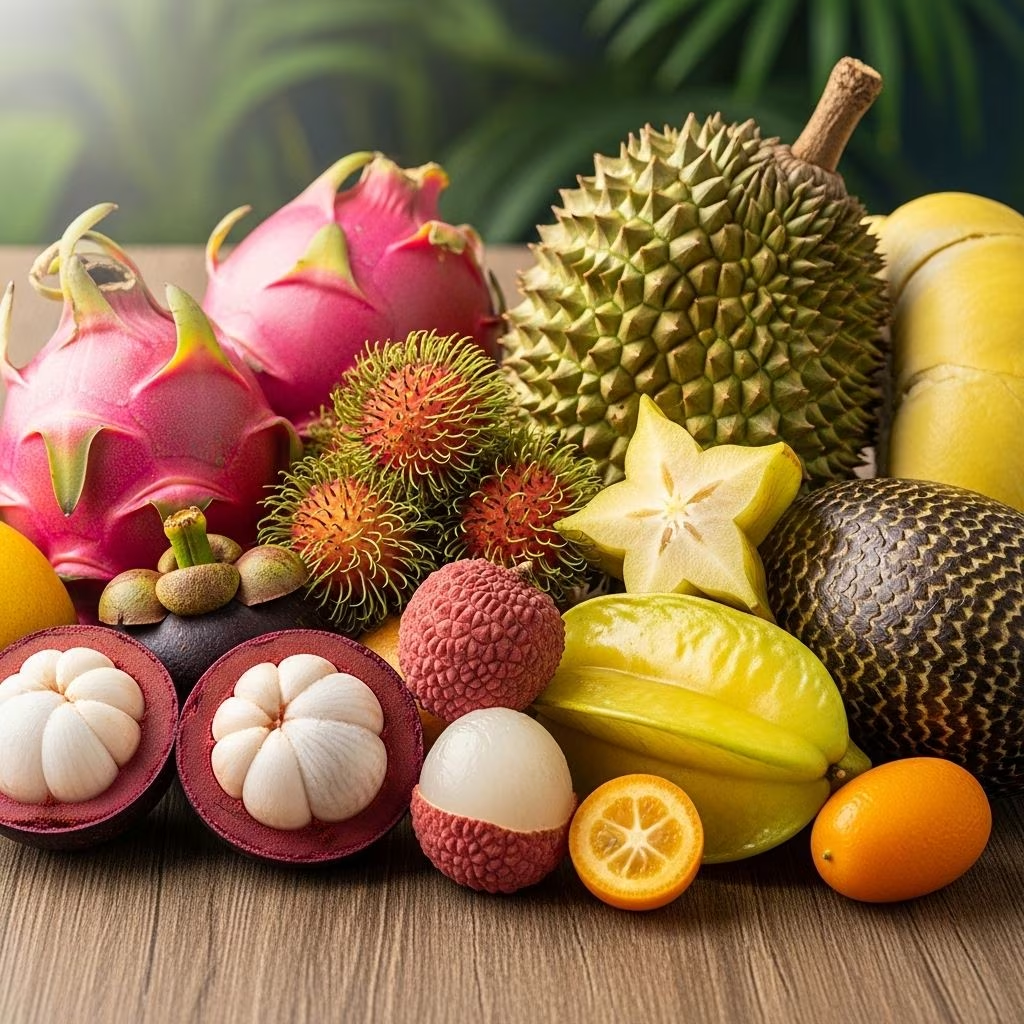
Exotic Fruits You’ve Probably Never Heard Of
Supermarkets around the world stock the usual apples, bananas, and oranges, but beyond these familiar fruits lies a lush world of rare, exotic produce. These fruits, often unknown outside their native regions, dazzle with vibrant colors, unique textures, unusual flavors, and cultural stories that stretch back centuries.
In this guide, we’ll explore a fascinating selection of exotic fruits you’ve probably never heard of, revealing where they come from, what they taste like, their nutritional benefits, how they’re used, and why they matter for the planet.
What Defines an Exotic or Rare Fruit?
Exotic fruits are plant-based foods that rarely appear in the everyday diets of people outside their native regions. Sometimes they’re difficult to grow elsewhere due to climate, soil, or pollination quirks. Their rarity can make them prized in gourmet kitchens and among adventurous eaters. Many are celebrated for their health benefits and are increasingly being studied for their role in metabolic health.
Unusual Fruits from Around the Globe
- Dragon Fruit (Pitaya)
- Rambutan
- Mangosteen
- Cherimoya
- Buddha’s Hand
- Finger Lime
- Sapodilla
- Durian
- Jabuticaba
- Salak (Snake Fruit)
Dragon Fruit (Pitaya)
Origin: Central and South America; now widely grown in Southeast Asia.
Appearance: Vibrant pink or yellow spiky skin with white or red flesh and black seeds.
Flavor: Mildly sweet, resembling a blend of kiwi and pear.
Nutrition: Rich in vitamin C, B vitamins, fiber, and healthy omega-3 fatty acids in the seeds. Known for antioxidant properties.
- Low calorie and hydrating.
- How to eat: Scoop out the flesh and add to smoothies, salads, or desserts.
Rambutan
Origin: Southeast Asia.
Appearance: Red or yellow hairy exterior. Inside, translucent, juicy flesh clings to a large seed.
Flavor: Sweet, slightly acidic, similar to lychee and grapes.
- High in vitamin C and antioxidants.
- How to eat: Peel away the skin and eat the flesh raw.
Mangosteen
Origin: Southeast Asia.
Appearance: Purple rind, white segmented flesh inside.
Flavor: A blend of peach, pineapple, and citrus—often called the “queen of fruits.”
- Contains xanthones, compounds with anti-inflammatory and antioxidant properties.
- How to eat: Slice open the rind and scoop out the segments.
Cherimoya
Origin: Andes region (South America).
Appearance: Green scaly skin with creamy white flesh.
Flavor: Sweet, custardy taste like banana, pineapple, and strawberry.
- Rich in vitamin C, potassium, and vitamin B6.
- How to eat: Cut in half and scoop out the creamy flesh, avoiding seeds.
Buddha’s Hand
Origin: Northeastern India and China.
Appearance: Bright yellow fruit shaped like multiple fingers stretching from a central point.
Flavor: Intense aromatic citrus—a cross between lemon and lime, but with almost no pulp or juice.
- Used primarily for zest, infusions, and as a decorative fruit.
- How to eat: Slice, candy, or grate the rind for cocktails, salads, and pastries.
Finger Lime
Origin: Australia (sometimes called “citrus caviar”).
Appearance: Small, finger-shaped green or pink fruit filled with tiny, caviar-like vesicles.
Flavor: Tart, intense burst of lime flavor—used as a garnish for seafood, sushi, and desserts.
- Packed with vitamin C.
- How to eat: Slice open the fruit and spoon out the citrus pearls.
Sapodilla
Origin: Native to Central America and Mexico.
Appearance: Brown, potato-shaped fruit with grainy, caramel-colored flesh.
Flavor: Brown sugar-sweet, malty, sometimes likened to cooked pear.
- High in fiber and vitamin C.
- How to eat: Slice in half and spoon out the flesh.
Durian
Origin: Southeast Asia.
Appearance: Large, spiky husk; yellowish, creamy flesh inside.
Flavor: Widely debated—rich, custardy, with notes ranging from sweet to savory; famously pungent aroma.
- Rich in B vitamins, potassium, and dietary fiber.
- How to eat: Split open the husk and remove the edible lobes.
Jabuticaba
Origin: Brazil.
Appearance: Grows directly on the trunk of the tree; small, globe-like, dark purple fruit.
Flavor: Like grape with hints of lychee.
- High in antioxidants and vitamin C.
- How to eat: Consume fresh, make into jams, wine, or desserts.
Salak (Snake Fruit)
Origin: Indonesia (especially Bali and Sumatra).
Appearance: Scale-like, reddish-brown skin with pale, crunchy flesh.
Flavor: Sweet, tart, and slightly astringent, reminiscent of apples and pineapples.
- High in potassium, fiber, and antioxidants.
- How to eat: Twist open the scaly peel and eat the segments raw.
More Unique Fruits Worth Exploring
- Kumquat: Small, oval-shaped citrus with edible sweet skin and tart flesh. Perfect fresh or candied.
- Soursop: Green, spiky fruit with juicy, tangy flesh beloved for desserts and drinks in the Caribbean.
- Chayote: Mild-tasting, crunchy green fruit used in salads and stews across Latin America.
- Pawpaw: North American fruit with mango-banana flavor; high in vitamin C and antioxidants.
- Feijoa: Pineapple-guava with aromatic sweet-tart flavor; eaten fresh or as jam.
Flavor Profile Comparison Table
| Fruit | Flavor | Texture | Main Use |
|---|---|---|---|
| Dragon Fruit | Mildly sweet (kiwi, pear) | Crisp, watery | Fresh, smoothies |
| Rambutan | Sweet, tart | Juicy, grape-like | Fresh, desserts |
| Mangosteen | Peach, citrus | Tender, juicy | Fresh, fruit salads |
| Finger Lime | Intense lime | Caviar-like beads | Garnish, seafood |
| Buddha’s Hand | Strong lemon-lime | Firm, aromatic | Zest, infusions |
| Durian | Sweet-savory, pungent | Creamy | Fresh, desserts |
Health Benefits and Uses of Exotic Fruits
- Many exotic fruits are low in calories, high in antioxidants, and rich in vitamins such as A, C, and B-complex.
- Certain rare fruits contain phytonutrients that may aid in the management of chronic diseases, including diabetes and obesity.
- They provide novel flavors and textures that excite chefs and home cooks alike.
Ecological and Sustainability Impact
Contrary to common assumptions, imported exotic fruits—especially those grown by small farmers or in agroforestry systems—can actually promote ecological sustainability.
- Land Use: Tree-grown fruits require less land than many annual crops, aiding in habitat protection.
- Biodiversity: Mixed-species orchards maintain regional biodiversity, support pollinators, and sustain ecological balance.
- Carbon Fixing: Trees sequester substantial carbon, mitigating global emissions and improving air quality.
- Supporting wild and small farmer-grown fruit reduces reliance on chemical fertilizers and pesticides.
How to Try Exotic Fruits
- Visit international markets, Asian, Latin American, or specialty grocers.
- Look for subscription boxes or local produce companies that specialize in rare fruits.
- Explore fruit festivals and tastings for authentic experiences.
- Grow certain adaptable varieties in your home garden if climate allows.
Challenges and Considerations
- Importing exotic fruits can be resource-intensive and sometimes expensive.
- Not all rare fruits can be transported ripe, sometimes affecting flavor and nutrition.
- Be aware of food allergies—some fruits contain strong enzymes and compounds unfamiliar to non-native consumers.
Frequently Asked Questions (FAQs)
Why are exotic fruits hard to find in supermarkets?
Many rare fruits have short shelf lives, strict storage requirements, or are not produced at scale. Some must be air-freighted when ripe, which increases the cost and limits availability.
Which exotic fruits have the most health benefits?
Dragon fruit, mangosteen, cherimoya, and finger lime are particularly high in antioxidants, vitamins, and beneficial phytonutrients.
Are imported tropical fruits environmentally harmful?
No—when grown on trees, exotic fruits can help preserve biodiversity, sequester carbon, and use less land than annual crops. Sourcing from small farmers or certified organic producers improves impact.
How can I taste these fruits if they’re not in my area?
Check specialty grocers, join produce clubs, or attend international food festivals. Some fruits may also grow with care in subtropical gardens.
Do exotic fruits require special storage or prep?
Some need to be eaten quickly after ripening (like rambutan and mangosteen), while others such as finger lime and Buddha’s hand last longer. Always research best practices for each unique fruit.
References
- FruitGuys: “10 Exotic Fruits That Will Surprise and Delight Your Employees” — background info, varieties and uses.
- Frugivore Biology: “Tree-Grown Foods: Imported Fruits Are More Sustainable Than We Think” — ecological impact of imported fruits.
- Wiley: “Emerging Exotic Fruits: New Functional Foods in the European Market” — review of nutritional aspects.
- NIH: “Exotic Fruits as Therapeutic Complements for Diabetes, Obesity and Metabolic Syndrome” — research on health benefits.


