


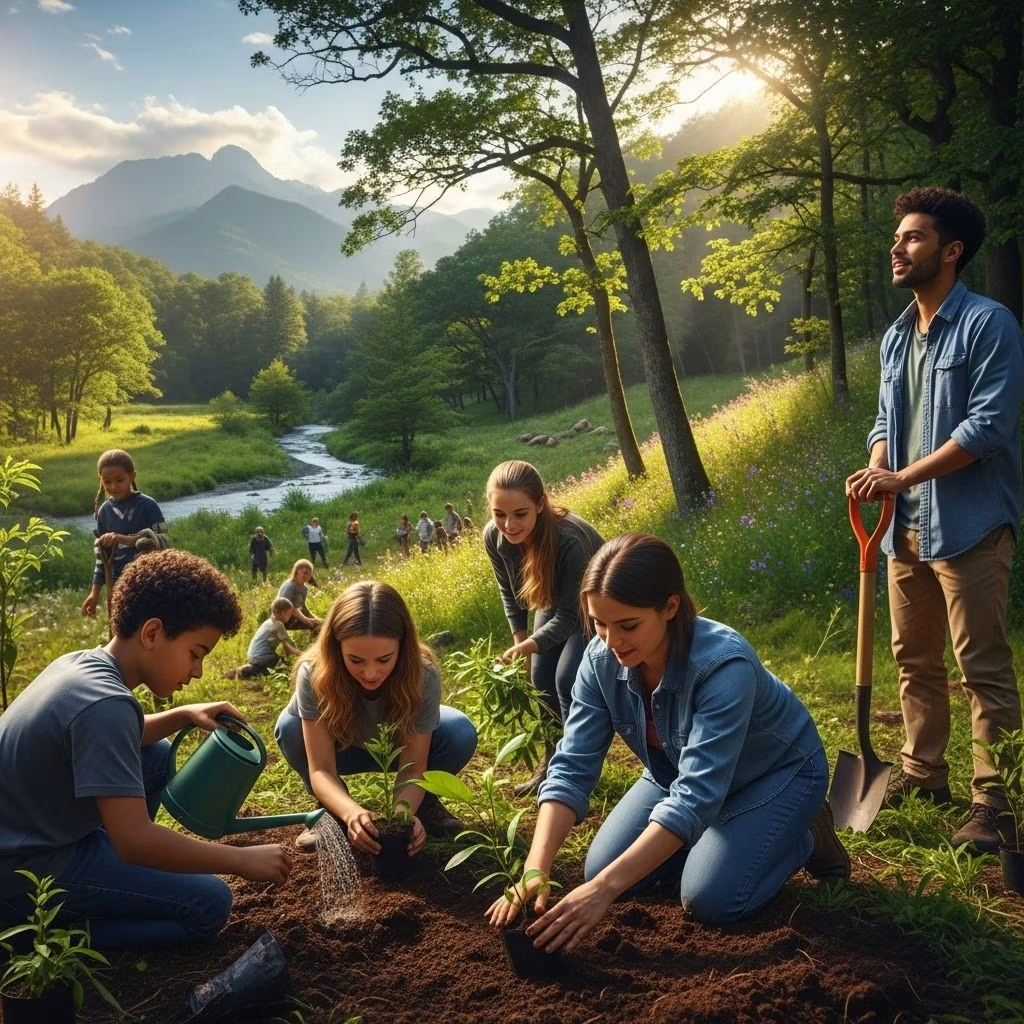
Generation Restoration: Saving Our Ecosystems for Tomorrow
Recent decades have witnessed the unprecedented decline of ecosystems worldwide due to deforestation, loss of biodiversity, climate change, and unsustainable land use. Now, a growing movement—dubbed Generation Restoration—is stepping up to save our planet’s life support systems, blending scientific innovation, ethical stewardship, indigenous knowledge, and community engagement for transformative change.
Why Ecosystem Restoration Matters
Healthy ecosystems underpin the air we breathe, the water we drink, and the food we eat. Yet, over half of the world’s natural ecosystems are degraded due to human activities, threatening global stability and human well-being. Restoration is vital for:
- Combatting climate change by storing carbon in forests, wetlands, and grasslands.
- Protecting biodiversity—the genetic library from which all life is drawn.
- Safeguarding natural resources such as soil fertility, freshwater supplies, and pollinators.
- Enhancing human livelihoods through sustainable agriculture, recreation, and disaster resilience.
The Urgency: This Decade of Restoration
The United Nations has declared the 2020s the Decade on Ecosystem Restoration, calling for large-scale efforts to heal the planet before it is too late. Scientists estimate that up to one billion hectares—an area about the size of China—could be restored globally, offering hope for reversing decline.
This movement seeks to:
- Mobilize funding and policy support
- Promote research and innovation in restoration science
- Involve communities and local stakeholders in decision-making
- Monitor and celebrate progress through transparent metrics
Restoration Takes Many Forms
Restoring an ecosystem is rarely as simple as planting trees. Diverse landscapes and historical contexts demand a mix of strategies:
| Strategy | Description |
|---|---|
| Assisted Migration | Relocating key species to new suitable habitats in response to climate shifts. |
| Passive Restoration | Allowing nature to recover with minimal human intervention. |
| Active Restoration | Intervening directly—replanting, reintroducing animals, or managing invasive species. |
| Agroecological Restoration | Blending sustainable agriculture practices with conservation. |
The Science of Restoration: Genetics, Traits, and Climate Adaptation
Modern restoration blends ecology, genetics, and climate science. For example:
- Selection of Seeds and Propagules: Restoration experts prioritize genetic diversity and climate-resilient traits when choosing plant material for reforestation and grassland recovery.
- Assisted Migration: With shifting climate zones, coast redwoods and giant sequoias—known for fire resistance, drought tolerance, and pest resistance—are being trialed in new regions to boost ecosystem resilience.
- Seed Banks and Ecological Memory: Dormant underground seeds, maintained over decades, act as ecological memory banks, allowing ecosystems to “remember” and rebound after disturbance.
Case Study: The Pacific Northwest and Ancient Giants
The journey of coast redwoods and giant sequoias into the Pacific Northwest illustrates the complexity of assisted migration:
- These ancient trees embody resilience—able to withstand fire, pests, and drought.
- However, their slow reproduction, low natural regeneration, and uncertain long-term impacts raise tough questions about the ethics and ecological risks of moving species outside their native range.
- Indigenous perspectives, emphasizing deep stewardship and respect for place, are crucial to guiding responsible restoration.
- Efforts like Propagation Nation’s Redwood Test Plot Initiative monitor survival, adaptation, and broader ecosystem impacts, informing best practices.
Community: Restoration Is a Team Effort
From scientists to students to Indigenous stewards, meaningful restoration requires collaboration:
- Indigenous Knowledge: Centuries-old wisdom on fire management, species interactions, and spiritual stewardship often brings the most sustainable practices.
- Citizen Science: Volunteers support monitoring, seed collection, and habitat management.
- Grassroots Movements: Local action drives real change. Whether restoring prairies, wetlands, or urban green spaces, people power makes the difference.
Ethical Dilemmas and Risks
Restoration is not risk-free:
- Planting non-native species can disrupt local food webs and threaten rare animals that rely on native plants.
- Well-intentioned tree planting campaigns have sometimes led to biodiversity loss by crowding out open habitat species and causing soil damage.
- Ethical restoration demands careful planning—prioritizing native species, monitoring impacts, and balancing immediate climate action with long-term ecosystem integrity.
Technology’s Role: Artificial Intelligence and Restoration
Technology, including Artificial Intelligence (AI), is transforming ecological restoration:
- AI can optimize site selection, monitor ecosystem health with satellite and drone data, and model climate impacts.
- But bias and lack of contextual sensitivity remain key limitations; algorithms must be informed by local and Indigenous knowledge to avoid unintended harms.
Pathways Forward: What Makes Restoration Successful?
- Clear Objectives: Restoration projects must set transparent, science-based goals—whether it’s reconnecting wildlife corridors, rebuilding soil, or restoring water cycles.
- Long-term Commitment: Ecosystem recovery often takes decades or centuries. Short-term progress must be backed by ongoing stewardship.
- Adaptive Management: Restoration strategies need to evolve as conditions change and new information emerges.
- Interdisciplinary Collaboration: Success demands input from ecologists, geneticists, indigenous leaders, policymakers, and communities.
Hope and Optimism: Why Generation Restoration Matters
Despite the daunting scale of ecosystem loss, successful projects around the world prove that restoration works:
- From prairie revival in North America to wetland restoration in Africa, communities are witnessing the return of wildlife, improved water quality, and increased carbon storage.
- The revived Redwoods of the Pacific Northwest inspire hope, showing how ancient giants can thrive again in new landscapes when science and stewardship intersect.
Generation Restoration is not just about reversing damage—it’s about reimagining our bond with nature, fostering resilience, and passing on a flourishing planet to future generations.
Frequently Asked Questions (FAQs)
What is ecosystem restoration?
Ecosystem restoration is the process of assisting the recovery of ecosystems that have been degraded, damaged, or destroyed, with the goal of reestablishing ecological integrity, biodiversity, and the provision of essential ecosystem services.
What is assisted migration, and why is it controversial?
Assisted migration involves relocating species to areas outside their native range due to climate pressures. It is controversial because it can threaten existing species, disrupt ecological balances, and raise ethical questions about human intervention in nature.
What are seed banks, and how do they help restoration?
Seed banks are reserves of dormant seeds preserved in soil or dedicated facilities. They safeguard genetic diversity and act as “ecological memory”, allowing ecosystems to rebound after disturbances like fire or drought.
How does Indigenous knowledge improve restoration outcomes?
Indigenous knowledge—accumulated through centuries of stewardship—offers insights on fire management, species interactions, and sustainable harvesting, providing culturally respectful paths to restoration.
Is tree planting always beneficial for the climate?
While planting trees can sequester carbon and sometimes restore habitats, indiscriminate planting (especially of non-native species) can harm local biodiversity, soil, and hydrology. Restoration must be context-specific, prioritizing native species and natural processes.
Key Takeaways
- Ecosystem restoration is essential to reversing biodiversity loss, combating climate change, and supporting human well-being.
- Assisted migration, seed banks, and AI offer promising tools—but require ethical, scientific, and community-informed application.
- Indigenous perspectives and local stewardship are vital for lasting success.
- Generation Restoration is a movement of hope, aiming for a resilient and thriving future for life on Earth.
References
- https://directory.libsyn.com/shows/view/id/treehugger
- https://podcasts.apple.com/us/podcast/treehugger-podcast/id1487585175
- https://imananimaltoo.com/2020/02/17/confession-of-a-tree-hugger/
- https://www.treehuggerpod.com/episodes/primer-of-ecological-restoration
- https://www.treehuggerpod.com/episodes/society-for-ecological-restoration
- https://open.spotify.com/show/1C1K2d5fZdqQDolXYo5iLP


