


Essential Facts About Haleakalā National Park
Haleakalā National Park is one of Hawaii’s most celebrated natural attractions, distinguished by dramatic volcanic landscapes, diverse habitats, and unique history. Its name, which means “House of the Sun” in Hawaiian, is steeped in local legend. This guide offers comprehensive facts and practical advice for anyone looking to explore the park, whether you’re planning a visit or seeking to understand why Haleakalā is considered one of the world’s great national parks.
Where is Haleakalā National Park?
This expansive park is located on the island of Maui in the state of Hawaii. It covers the upper slopes and summit of the dormant volcano, as well as a lush coastal district called Kīpahulu. Most visitors access the summit area via the Haleakalā Highway (Hawaii State Road 378), which climbs steeply from sea level to over 10,000 feet.
- Island: Maui, Hawaii
- Coordinates: 20°43′0″N 156°10′0″W
- Nearest City: Kahului (about 44 miles from summit)
Size and Geography
Haleakalā National Park spans a vast area:
- Area: 33,265 acres (52 sq mi; 134.6 sq km)
- Elevation range: Sea level to 10,023 ft (3,055 m) at the summit
- Main features: Summit volcanic crater, cinder cones, Kīpahulu coastal forests, waterfalls
The terrain is a blend of barren volcanic desert, lush rainforests, and dramatic cliffs. The park is divided into two distinct districts: the Summit and Kīpahulu areas.
History of Haleakalā National Park
The region was long sacred to Native Hawaiians and is tied to many legends. The park itself traces its history back to the formation of the original Hawaii National Park, created in 1916 to protect several volcanic areas.
- 1916: Established as part of Hawaii National Park with Mauna Loa and Kīlauea
- 1960: Became a separate entity as Haleakalā National Park
- 1980: Designated an International Biosphere Reserve by UNESCO
- Legend: Demigod Maui “lassoed” the sun atop Haleakalā to lengthen the days
Volcanic Features and Summit
The centerpiece of the park is the Haleakalā Volcano, with its vast summit crater:
- Dormant volcano: Last erupted between 1480 and 1600 AD
- Summit crater: Actually an erosional valley, not a true volcanic crater
- Circumference: About 20 miles (30 km)
- Depth: More than 2,600 ft (790 m) at its deepest point
- Main trails: Halemau’u Trail and Sliding Sands Trail
- Cinder cones: Towering up to 600 feet (180 meters) within the crater
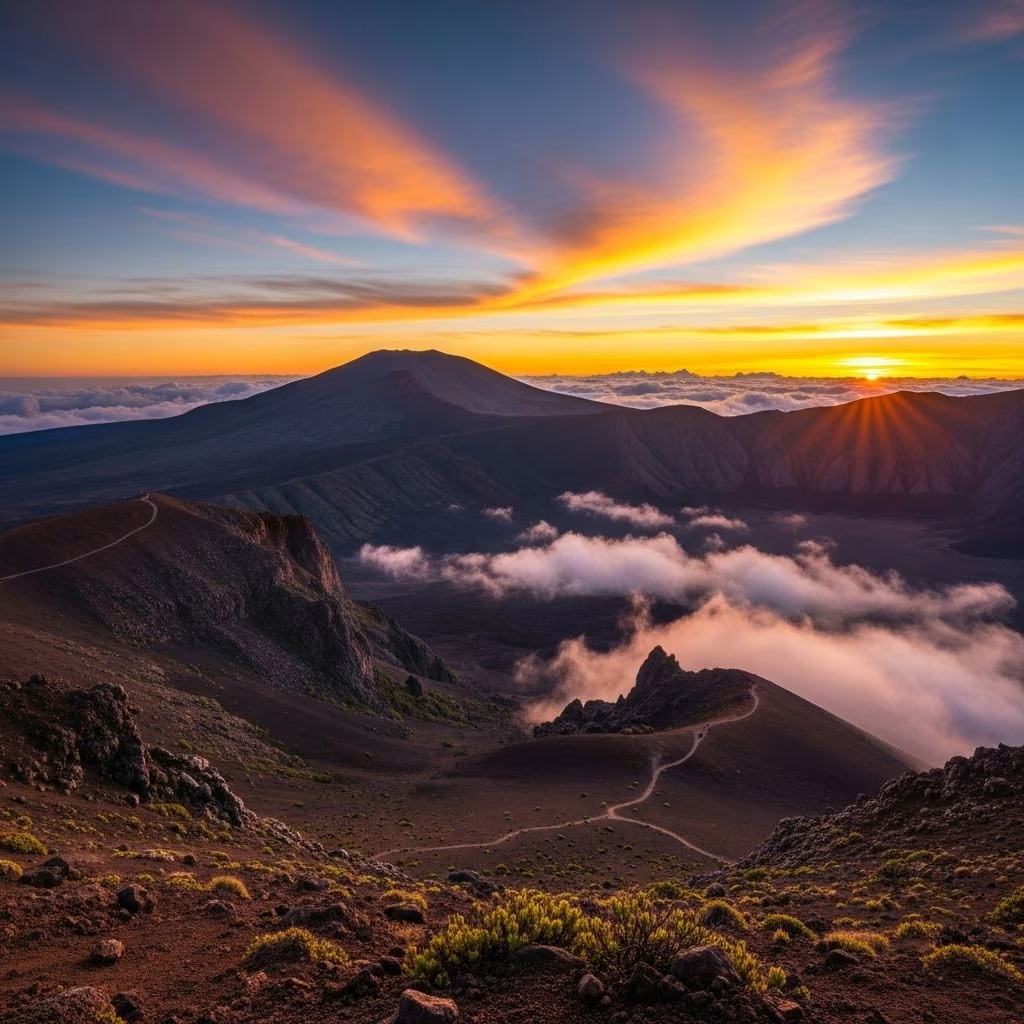
Haleakalā is famous for its beautiful sunrises and sunsets, attracting thousands of visitors each year.
Table: Key Volcanic Features
| Feature | Description |
|---|---|
| Summit elevation | 10,023 feet (3,055 meters) |
| Main crater | 20-mile circumference, deep erosional valley |
| Cinder cones | 600ft (180m) high, secondary eruptions |
| Red Hill | True summit peak |
Climate and Weather Patterns
Haleakalā’s climate is highly variable:
- Summit: Cold year-round; temperatures frequently near freezing at night, especially in winter
- Coastal Kīpahulu: Warm and humid, with frequent rainfall
- Rainfall: Windward slopes (north and east) receive extensive rain; leeward slopes are arid
- Trade winds: Often push clouds into the crater, creating dramatic effects like the ‘Brocken bow’ shadow phenomenon
Visitors should be prepared for rapidly changing conditions, especially at the park’s higher elevations.
Flora and Fauna
Because of its diverse habitats, Haleakalā boasts unique ecosystems.
- Native mammals: Only bats and seals are indigenous
- Endemic plants: Over 1,000 native flowering plants in Hawaii; 90% are endemic (found nowhere else)
- Hosmer’s Grove: Mixed forest of exotic and native trees near summit
- Rare birds: Nēnē (Hawaiian geese), ‘Ua‘u (Hawaiian petrel)
- Insects: Hawaiian silversword (Argyroxiphium sandwicense), unique to summit region
Main Districts of the Park
- Summit (Crater) District:
The crater and surrounding uplands feature volcanic formations, hiking trails, primitive cabins, and Hosmer’s Grove. - Kīpahulu District:
Accessible via the scenic Hana Highway, this lush coastal zone has waterfalls, freshwater pools, bamboo forests, and historic sites.
Visitor Activities & Recreation
- Sunrise and sunset watching: Reservations required for sunrise viewing at the summit
- Stargazing: Haleakalā offers some of the clearest night skies; amateur astronomy is popular
- Hiking: Trails range from short walks to challenging descents into the crater; major trails include Sliding Sands and Halemau’u
- Birdwatching: Look for endemic and rare species, especially the nēnē
- Backpacking and camping: Some primitive cabins available inside crater; camping in designated areas by permit
- Waterfall exploration: Kīpahulu District has famed pools and waterfalls, such as ʻOheʻo Gulch
Park Fees and Practical Information
- Entrance fee: $30 per private vehicle, valid for three days
- Operating hours: Open year-round, but hours for certain areas and visitor centers vary
- Visitation: Over 850,000 visitors annually (2021)
- Time zone: Hawaii Time (UTC -10)
- Accessibility: Summit accessible by car; Kīpahulu reached via Hana Highway
- Permits: Required for sunrise visits, camping, and some backcountry hikes
Conservation and Challenges
Haleakalā National Park faces ongoing conservation issues:
- Invasive species: Non-native plants and animals threaten endemic flora and fauna
- Endangered species: Ongoing efforts to protect nēnē goose and Hawaiian petrel habitats
- Visitor impact: High traffic in fragile summit environment can disrupt habitats
Cultural Significance
Haleakalā is not only a geological wonder but also a place of deep cultural resonance for Native Hawaiians:
- Legends: The crater is believed to be the place where the demigod Maui imprisoned the sun
- Traditional uses: Area was used for spiritual ceremonies, resources, and shelter
- Place names: Many features retain traditional Hawaiian names reflecting the cultural heritage
Frequently Asked Questions (FAQs)
Q: What is the best time to visit Haleakalā National Park?
A: The park is open year-round. Sunrise and sunset times are popular, but daytime visits also offer dramatic views. Layered clothing is recommended due to changing weather at different elevations.
Q: Are reservations required for sunrise viewing?
A: Yes, reservations are required to access the summit for sunrise due to popularity and limited parking space.
Q: How do I reach the Kīpahulu District?
A: It’s accessible via the famous Hana Highway. The drive is scenic but winding; allow plenty of time and drive with caution.
Q: Is camping allowed in the park?
A: Camping is permitted in designated areas with a valid permit. There are also backcountry cabins within crater trails that must be reserved in advance.
Q: Are there any dangerous animals?
A: Hawaii is generally free of dangerous land animals. The park’s only native mammals are bats and seals. Visitors should avoid feeding animals and be cautious near cliff edges and steep terrain.
Q: What makes Haleakalā’s ecology so special?
A: The park is home to species found nowhere else on earth, thanks to its isolated location, range of climates, and volcanic soil.
Tips for Responsible Visitors
- Stay on marked trails to help protect fragile habitats
- Do not pick or disturb native plants or wildlife
- Respect all posted signs, closures, and regulations
- Pack out all trash and leave no trace
- Prepare for sudden weather changes, especially at high elevations
Planning Your Trip
- Arrive early for sunrise; book required reservations
- Bring water, sun protection, and layers for cold summit conditions
- Consider a guided tour for deeper ecological and cultural insights
- Take advantage of ranger programs and visitor center resources
- Explore both districts to experience the full natural diversity
Summary Table: Haleakalā National Park At-a-Glance
| Feature | Details |
|---|---|
| Location | Maui, Hawaii |
| Area | 33,265 acres (52 sq mi) |
| Elevation | 0 – 10,023 feet (Summit) |
| Entrance Fee | $30/vehicle (3 days) |
| Main Districts | Summit, Kīpahulu |
| Main Attractions | Crater, sunrise, waterfalls, rare wildlife |
| Best Activities | Hiking, stargazing, birdwatching, sunrise viewing |
Conclusion
Haleakalā National Park captivates visitors with its striking volcanic landscapes, rare wildlife, powerful cultural stories, and contrasting ecosystems. Whether you’re seeking scientific marvels, photographic sunsets, epic hikes, or a deeper sense of Hawaiian history, this park offers a memorable and educational experience amid nature’s grandeur.
References
- https://en.wikipedia.org/wiki/Haleakal%C4%81_National_Park
- https://www.britannica.com/place/Haleakala
- https://www.nationalparked.com/haleakala
- https://www.nps.gov/hale/
- https://www.gohawaii.com/islands/maui/regions/upcountry-maui/haleakala-national-park
- https://www.nationalparks.org/explore/parks/haleakala-national-park
- https://www.nps.gov/hale/planyourvisit/basicinfo.htm
- https://www.hawaiipacificparks.org/national-park-partners/haleakala


