


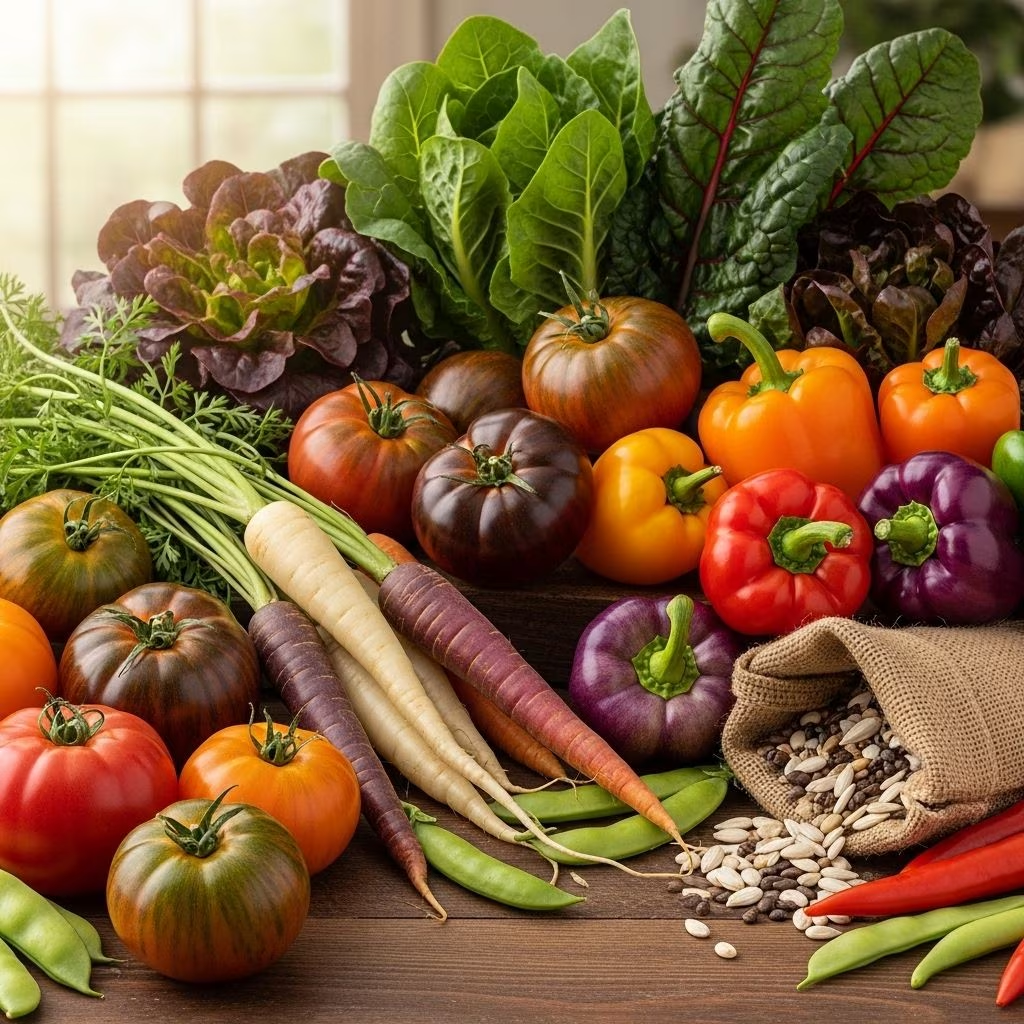
Heirloom Seeds: Growing History Through Dazzling Vegetables
From backyard plots to community gardens, the rising popularity of heirloom seeds reflects a renewed appreciation for tradition, flavor, and biodiversity. Unlike modern hybrids bred for uniformity and shelf life, heirloom vegetables offer remarkable diversity, unique flavors, and a direct link to agricultural history.
In this comprehensive guide, you’ll discover what makes heirloom seeds special, reasons for growing them, the benefits for your garden and table, and showcase some of the most dazzling varieties you can cultivate.
What Are Heirloom Seeds?
Heirloom seeds are open-pollinated varieties that have been handed down over generations. These seeds are prized for their ability to produce true-to-type crops year after year, preserving unique flavors, shapes, and colors lost in many commercial breeds. Families, small farms, and gardening enthusiasts have collectively safeguarded these treasures for decades—sometimes centuries.
- Open-Pollinated: Naturally pollinated by insects, birds, wind, or humans, resulting in genetic stability.
- True-to-Type: Seeds saved from an heirloom crop produce plants closely resembling the parent.
- Age Criteria: Generally, varieties introduced prior to the 1940s and maintained without commercial hybridization.
Heirlooms differ from hybrids and genetically modified varieties in that they retain their original genetics and diversity, reflecting local adaptation and cultural heritage.
Why Grow Heirloom Seeds?
Gardeners choose heirloom seeds for many reasons, ranging from delicious flavor to ecological stewardship. Here are the core benefits that make heirlooms especially appealing:
- Flavor: Heirloom vegetables are celebrated for their exceptional taste—richer, more complex, and often sweeter than commercial varieties.
- Nutrition: Heirlooms often contain higher levels of vitamins, minerals, and beneficial plant compounds due to slower growth and less industrial selection.
- Biodiversity: Growing heirlooms fosters genetic diversity in gardens and helps conserve rare varieties.
- Seed Saving & Sustainability: Unlike hybrids, saved heirloom seeds can be replanted generation after generation, supporting self-sufficiency and sustainability.
- Adaptation: Heirlooms are often better suited to local climates, pests, and soil due to generations of adaptation.
- Cost-Effectiveness: The ability to save seeds reduces long-term costs and dependence on seed companies.
Heirlooms vs. Hybrid Varieties: Key Differences
| Characteristic | Heirloom | Hybrid |
|---|---|---|
| Genetics | Stable, open-pollinated, true-to-type | Cross-bred for specific traits, unstable |
| Flavor | Rich, diverse flavors | Often milder, bred for shelf life |
| Seed Saving | Possible and reliable | Not recommended; offspring may not resemble parent |
| Biodiversity | High | Low |
| Disease Resistance | Varies; some are robust regionally | Bred for broad resistance |
| Cost | Lower over time due to seed saving | Higher; seeds often patented and not reusable |
Unique Attributes of Heirloom Vegetables
The delights of growing heirloom vegetables go far beyond flavor and adaptability. These varieties bring remarkable diversity to gardens and kitchens:
Dazzling Colors and Shapes
- Heirlooms display a vast range of colors: purple carrots, scarlet tomatoes, yellow cucumbers, and white eggplant are just a few possibilities.
- Unusual shapes abound—multi-legged carrots, lumpy tomatoes, curved cucumbers. Each vegetable is a character unto itself, not a uniform commodity.
- This visual diversity enhances plate appeal, making meals more exciting and enticing for all ages.
Enhanced Flavors and Culinary Applications
- Heirlooms typically have richer, fuller flavors due to lower yield prioritization—each fruit or vegetable concentrates sugars and aromas.
- These flavors can transform your kitchen—heirloom tomatoes are famous for taste, but the same goes for squash, beans, peppers, and beyond.
- Unique flavor profiles suit specialized dishes and traditional recipes, reconnecting gardeners to culinary heritage.
Health Benefits: More Than Just Taste
- Heirloom vegetables contain more vitamins, minerals, and secondary plant substances (such as antioxidants and carotenoids), boosting health and supporting the immune system.
- Rare compounds—like bitter substances—are preserved, which are beneficial for digestion but increasingly bred out of commercial vegetables.
- Color pigments, such as green chlorophyll and orange carotenoids, offer additional health benefits like cell protection and anti-inflammatory effects.
Seed Saving and Independence
- Heirloom seeds enable the gardener to save and replanted seeds reliably, fostering independence and true sustainability.
- This cyclical approach creates a personal seed bank and supports community exchange.
Regionally Adapted and Robust
- Many heirloom varieties have adapted to specific climates, soils, and pests over generations, making them robust and easier to grow with minimal intervention.
- This adaptation helps reduce the need for chemical pesticides and fertilizers.
Showcase: Dazzling Heirloom Varieties
Below are some astonishing heirloom varieties representing the diversity and beauty you can bring to your garden. Each offers a glimpse into the rich tapestry preserved by passionate gardeners worldwide:
- Tomato ‘Brandywine’: Deep pink, beefsteak tomatoes with legendary flavor and rich aroma.
- Bean ‘Dragon Tongue’: Creamy pods with purple streaks; tender, crisp, and flavorful.
- Radish ‘Purple Plum’: Vivid purple globes add a visual burst to salads and slaws.
- Carrot ‘Cosmic Purple’: Garnet skin with orange interior, sweet and dramatic.
- Beetroot ‘Chioggia’: Striking red-and-white candy stripes inside, an Italian classic.
- Potato ‘All Blue’: Deep blue skin and flesh, retains color when cooked and loaded with antioxidants.
- Cucumber ‘Lemon’: Round, yellow fruits with mild, crisp taste—a whimsical focal point.
- Squash ‘Crookneck’: Wavy, curved necks with buttery flavor—grows vigorously.
- Pea ‘Blauwschokker’: Gorgeous purple pods, robust and cold-hardy.
Unusual and Historic Heirloom Foods
- Scarlet Runner Bean: Vibrant-red flowers and edible pods treasured in old cottage gardens.
- Romanesco Broccoli: Dramatic fractal florets, pale green, nutty flavor, fascinating geometry.
- Mongolian Giant Sunflower: Towering stalks, enormous heads—perfect for seeds and pollinators.
Preserving Biodiversity Through Heirloom Gardening
Every time a gardener plants and saves seeds from an heirloom crop, they’re actively preserving plant biodiversity and agricultural heritage. The steady loss of old varieties threatens food security and human health, as modern commercial breeds narrow the genetic base. Here’s how gardening with heirloom seeds makes a difference:
- Protects rare and endangered varieties from extinction.
- Helps retain unique genes for disease and climate adaptation.
- Supports local food traditions and culinary diversity.
- Fosters community among seed savers, gardeners, and cooks.
Heirloom Seeds and Organic Gardening
- Most heirloom growers embrace sustainable and organic practices since heirlooms thrive in natural, low-input environments.
- Heirlooms contribute to healthier soil and less chemical runoff, aligning with ecological stewardship.
- Seed saving fosters long-term soil health and stability, as crops link back each year to the specific environment in which they thrive.
Common Questions About Heirloom Seeds & Vegetables
Are heirloom vegetables always better-tasting?
Most heirloom varieties are renowned for superior flavor, especially tomatoes, but not all heirlooms outshine hybrids—taste can be subjective and vary by crop.
Do heirlooms yield as much as hybrid vegetables?
Heirloom varieties often produce lower yields than hybrids, as they’re bred for flavor and adaptability rather than maximum output. However, yields can be robust with locally adapted types.
Can I save seeds from all heirloom vegetables?
Yes, seed saving is a key advantage. Given isolation from cross-pollination with non-heirloom types, seeds will be true-to-type and reliable for future crops.
Are heirloom plants more resistant to pests and diseases?
Heirlooms often have regional adaptation and robust genetic diversity, which increases resistance, but some heirlooms may lack specific modern disease resistances bred into hybrids.
Is growing heirlooms more expensive?
Heirloom seeds themselves are often less expensive, and the ability to save your own seeds reduces long-term costs.
Why are the shapes and sizes so irregular?
Diversity in shape and size is natural to heirlooms—which are bred for flavor, nutrition, and resilience, not uniform appearance. This imparts unique character to every harvest.
Tips for Starting Your Own Heirloom Vegetable Garden
- Research and Choose Wisely: Select varieties suited for your region, microclimate, and desired flavors.
- Source Quality Seeds: Look for reputable seed companies, swaps, or local farms specializing in heirlooms.
- Practice Isolation for Purity: Prevent cross-pollination by separating similar species when planning to save seeds.
- Pay Attention to Soil Health: Use organic compost, mulches, and rotations to support robust growth and flavor.
- Embrace Diversity: Try new shapes, colors, and flavors—each season can bring new discoveries.
Bringing History to Life Through Heirloom Seeds
Every heirloom vegetable tells a story—one of heritage, resilience, and community. As a gardener, you become a steward of genetic traditions that connect you to generations past and flavors yet to be discovered. By growing and saving heirloom seeds, you help build a future in which biodiversity, deliciousness, and sustainability thrive side by side. Whether you’re reviving a family recipe or experimenting with a purple radish, planting heirlooms is an act of preservation in the face of modern uniformity.
Frequently Asked Questions (FAQs)
Q: What defines a seed as ‘heirloom’?
A seed is considered heirloom if it is open-pollinated and has been preserved over many generations, typically predating modern hybridization and retaining its original genetic traits.
Q: Are heirloom vegetables healthier?
Heirloom vegetables generally contain more beneficial plant compounds and nutrients due to less industrial breeding and slower growth, though this can vary by variety.
Q: Can heirloom seeds be used for commercial farming?
Heirlooms are best suited for small-scale and home gardening, as they may not always meet commercial yield or uniformity requirements but excel in flavor and resilience.
Q: How do I start a seed-saving practice?
Allow select plants to fully mature, harvest seeds at the right stage, clean and store them in a cool, dry place for planting the following season.
Q: What are some resources for learning more?
Local gardening clubs, seed exchanges, library resources, and seed catalogs specializing in heirloom varieties offer a wealth of information and support for beginner and veteran gardeners alike.
References
- https://www.theprairiehomestead.com/2022/02/why-you-should-grow-heirloom-seeds.html
- https://fryd.app/en/magazine/old-vegetable-and-fruit-varieties-an-overview
- https://seedsnsuch.com/blogs/gardeners-greenroom/growing-heirlooms
- https://guilford.ces.ncsu.edu/2016/10/heirloom-vegetables-and-seeds/
- https://growingwithplants.com/2010/12/heirloom-vegetables-better-choice-yes/
- https://shegrowsveg.com/hub/why-choose-heirloom-varieties/
- https://www.heraldtribune.com/story/news/2012/07/06/the-benefits-of-heirloom-vegetables/29106915007/


