How Hybrid Car Batteries Recharge: Regeneration and Efficiency Explained
Hybrid vehicles have transformed the landscape of automotive technology by blending internal combustion engines with electric propulsion. Among their most remarkable features is the way their batteries recharge during regular driving, without needing to be connected to the grid in conventional models. This article provides a comprehensive guide to how hybrid car batteries recharge, dives into the underlying science and technology, and explains the benefits and distinctions among hybrid vehicle types.
Understanding Hybrid Vehicles
Hybrid cars utilize two sources of power:
- An internal combustion engine (usually gasoline-powered), and
- An electric motor powered by a high-voltage battery pack.
These systems work individually or together to optimize fuel efficiency, reduce emissions, and enable unique features—such as fully electric driving at low speeds in some scenarios. There are two main categories:
- Conventional hybrids (HEVs): Recharge batteries using energy from driving conditions, not plugging in.
- Plug-in hybrids (PHEVs): Similar to HEVs but have larger batteries that can also be charged from an external outlet.
How Hybrid Car Batteries Recharge
Hybrid car batteries are not replenished in the same way as those in fully electric vehicles. Instead, they rely on mechanical and electrical ingenuity to recover and store energy:
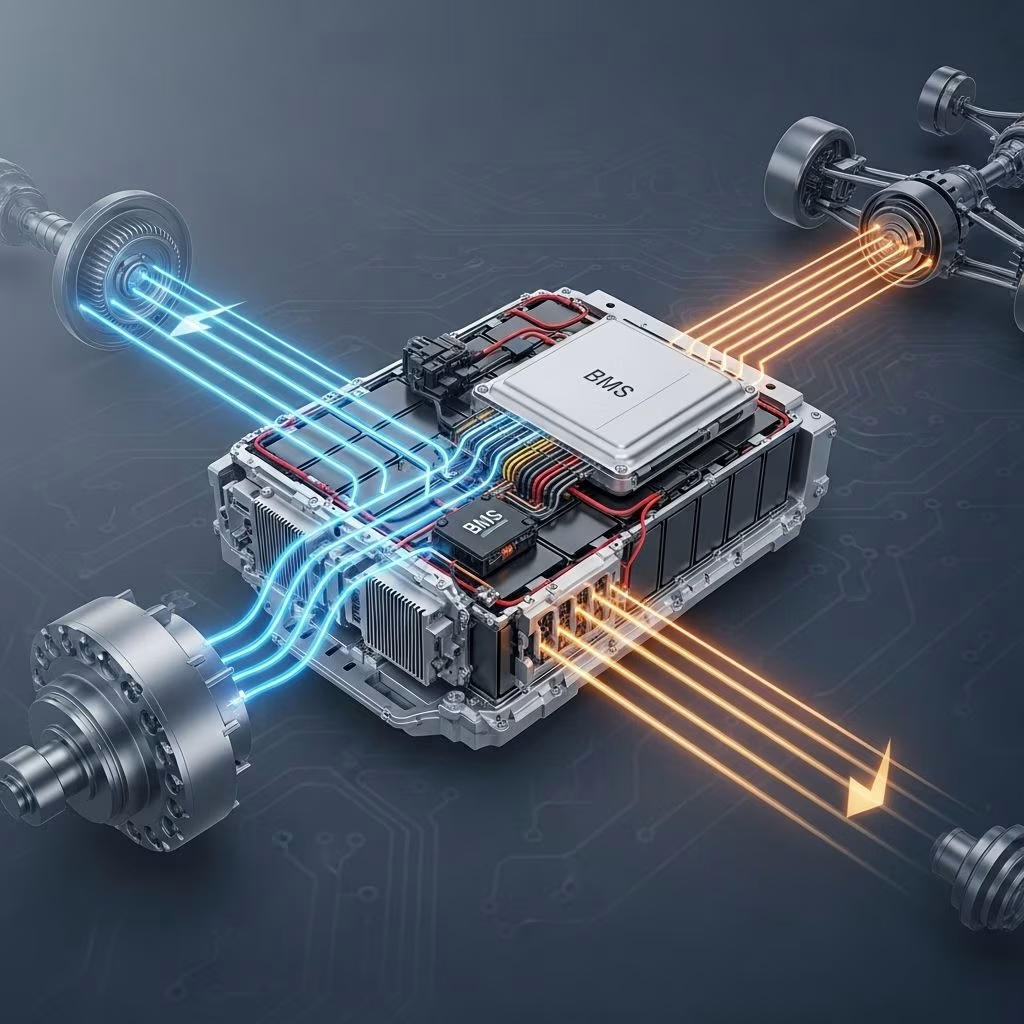
- Regenerative Braking: Converts kinetic energy typically lost during braking into electrical energy, which is then stored in the battery.
- Engine-Driven Generation: When required (such as when the battery charge drops), the combustion engine can act as a generator to recharge the battery during steady cruising or acceleration.
- Plug-in Charging (for PHEVs): Plug-in hybrids can recharge their batteries via household or commercial charging stations, allowing for longer all-electric driving.
Regenerative Braking: Capturing Motion as Charge
Traditional vehicles lose energy as heat when braking. Hybrids turn their electric motor into a generator: as the car slows, the wheels drive the motor in reverse, creating electricity that replenishes the battery. This process is most effective in stop-and-go city driving, where frequent braking occurs, and it also contributes to extended brake life due to reduced wear on brake pads.
Engine-Driven Battery Charging
In situations where the battery level drops (either due to insufficient regeneration or prolonged high-speed driving), the combustion engine can provide energy for the generator. Some power from the engine is diverted to the generator, producing electricity to recharge the battery. This approach ensures that the battery rarely fully depletes, maintaining a healthy state of charge for optimal efficiency and responsiveness.
Plug-in Hybrid Charging: Extending Electric Range
- PHEVs feature larger battery packs for extended electric-only operation (typically 25–50 kilometers or more).
- These batteries can be recharged by plugging into standard electrical outlets or faster Level 2 charging stations.
- Even if the battery is not plugged in, PHEVs operate like standard hybrids, relying on regenerative and engine-driven charging when driving.
Failure to plug in a PHEV means it will run mainly as a standard hybrid, reducing the benefit of all-electric driving (see FAQs below).
Key Components of a Hybrid Battery System
Each hybrid system involves several specialized components, each with a distinct purpose:
- High-Voltage Traction Battery Pack: Stores energy for electric motor use.
- Electric Motor/Generator: Drives the wheels and captures energy during braking.
- Power Electronics Controller: Manages the flow of electrical energy, ensuring smooth cooperation between engine and electric components.
- DC/DC Converter: Converts high-voltage to low-voltage DC to operate vehicle accessories and the auxiliary battery.
Supporting systems, such as the thermal management system and electronically controlled transmission, also play essential roles in maximizing efficiency and longevity.
Types of Hybrid Vehicles and Battery Charging Differences
- Conventional Hybrid Electric Vehicles (HEVs): Recharge exclusively via regenerative braking and engine power; cannot be plugged in.
- Plug-in Hybrid Electric Vehicles (PHEVs): Can recharge via regenerative braking, engine, or by plugging into electrical outlets.
| Type | Battery Charging Sources | Electric-Only Range |
|---|---|---|
| HEV | Regenerative braking, combustion engine | 2–3 km (at low speeds) |
| PHEV | Plug-in, regenerative braking, combustion engine | 25–50 km (or more) |
Battery Technologies in Hybrids
Modern hybrids use one of two main battery chemistries:
- Nickel Metal Hydride (NiMH): Durable, proven technology common in many first-generation hybrids.
- Lithium-Ion (Li-ion): Offers higher energy density, lighter weight, faster charging, and is more commonly found in newer hybrids and PHEVs.
Both types are engineered with long service lives and protection systems to prevent overcharging, overheating, and deep discharging.
How Regenerative Braking Works
Regenerative braking is a central innovation in hybrid vehicle energy management. In traditional cars, friction brakes waste kinetic energy. In hybrids:
- The electric motor switches to generator mode during braking.
- Kinetic energy is converted into electrical energy.
- This energy charges the high-voltage battery for later use.
This system reduces wear on brake pads, increases overall efficiency, and significantly enhances the capture of energy that would otherwise be lost—especially beneficial in urban driving with frequent stops.
Engine-Assisted Charging: The Role of the Combustion Engine
When regenerative energy capture is insufficient (such as during highway driving), the hybrid system uses part of the combustion engine’s output to recharge the battery. This process is seamless and automated; drivers need not intervene. When decelerating, cruising or at times when the engine’s load is low, surplus power is directed to the battery through an electric generator.
Advantages and Convenience of Hybrid Battery Recharging
- Reduced Fuel Consumption: By recapturing energy and using smaller engines, hybrids offer improved fuel efficiency over conventional cars.
- Lower Emissions: Reduced reliance on fuel and seamless electric driving at low speeds means fewer tailpipe emissions.
- Extended Battery Lifespan: Regenerative processes minimize battery depth-of-discharge cycles, promoting longevity.
- Low Maintenance: Less wear on brakes and engines translates to lower maintenance costs.
- Driving Flexibility: PHEVs can operate in full-electric mode for shorter commutes and as fuel-powered hybrids for longer trips.
Plug-in Hybrid Charging Explained
PHEVs stand out because of their ability to recharge both on the move and by plugging in:
- Standard (Level 1) Charging: Using a regular household outlet (120V), fully recharging may take several hours (usually overnight).
- Level 2 Charging: Using a dedicated charging station (240V), PHEVs may recharge in 2–3 hours or less, depending on battery size.
- Unlike battery-electric vehicles (EVs), PHEVs have smaller batteries—around one-sixth the capacity of a full EV—so recharge faster and weigh less.
Importantly, even if a PHEV is never plugged in, it operates as a regular hybrid, relying on regenerative and engine-powered charging to keep moving. However, this means owners do not reap the full benefits of longer all-electric driving range, and fuel economy may be less optimal than if the battery is frequently charged using grid electricity.
Hybrid Battery Maintenance and Longevity
- Battery Protection Systems: Modern hybrids actively manage battery charge and temperature, automatically preventing overcharging or deep discharge.
- Long Warranties: Many manufacturers offer warranties on hybrid batteries that cover over 8 years or 100,000 miles (varies by brand/region).
- Minimized Deep-Cycling: Hybrids rarely let their batteries deplete fully, preserving battery health.
- End-of-Life Recycling: Battery packs are recyclable, and programs exist for responsible end-of-use management.
Frequently Asked Questions (FAQs)
Q: How does a hybrid car recharge its battery?
A: Hybrid cars recharge their batteries primarily through regenerative braking (capturing energy when slowing or braking) and by using surplus energy from the internal combustion engine. Plug-in hybrids also allow the battery to be charged from an external power source.
Q: Can you drive a plug-in hybrid without ever plugging it in?
A: Yes, PHEVs will function as regular hybrids if not plugged in, recharging their batteries using regenerative braking and the combustion engine. However, this limits electric-only driving range and reduces the efficiency benefits of plugging in.
Q: Will a hybrid battery run out while driving?
A: Hybrid systems are engineered to maintain battery charge above a safe minimum using engine and regenerative power. The battery won’t run out in normal operation as long as there’s fuel for the engine.
Q: Do hybrid car batteries need maintenance?
A: Hybrid car batteries are largely maintenance-free, thanks to automated cooling, charge management, and protection features. Regular car maintenance remains essential for other components.
Q: How long do hybrid batteries last?
A: Most hybrid car batteries are designed to last for 8–15 years or more, frequently matching or surpassing the lifespan of the vehicle itself. Warranties often reflect this durability.
Conclusion
Hybrid car battery recharging is a sophisticated process that combines the benefits of regenerative braking, engine-powered generation, and (in plug-in hybrids) grid charging. These systems maximize energy efficiency and minimize emissions, underscoring hybrids’ pivotal role in the transition to cleaner, more sustainable transportation. Modern hybrid vehicles are engineered for user convenience, longevity, and safety—delivering practical environmental benefits without range anxiety or the need for constant external charging.
References
- https://endolla.barcelona/en/news/endolla-service/how-are-hybrid-car-batteries-recharged
- https://www.caranddriver.com/features/a60288363/what-happens-if-you-never-charge-your-plug-in-hybrid-car/
- https://afdc.energy.gov/vehicles/how-do-hybrid-electric-cars-work
- https://blog.twike.com/treehugger-the-hyper-efficient-twike-human-electric-hybrid-vehicle/
- https://endless-sphere.com/sphere/threads/another-stolen-treehugger-link-li-battery-life-breakthrough.7428/
- https://witricity.com/media/blog/the-80-rule