


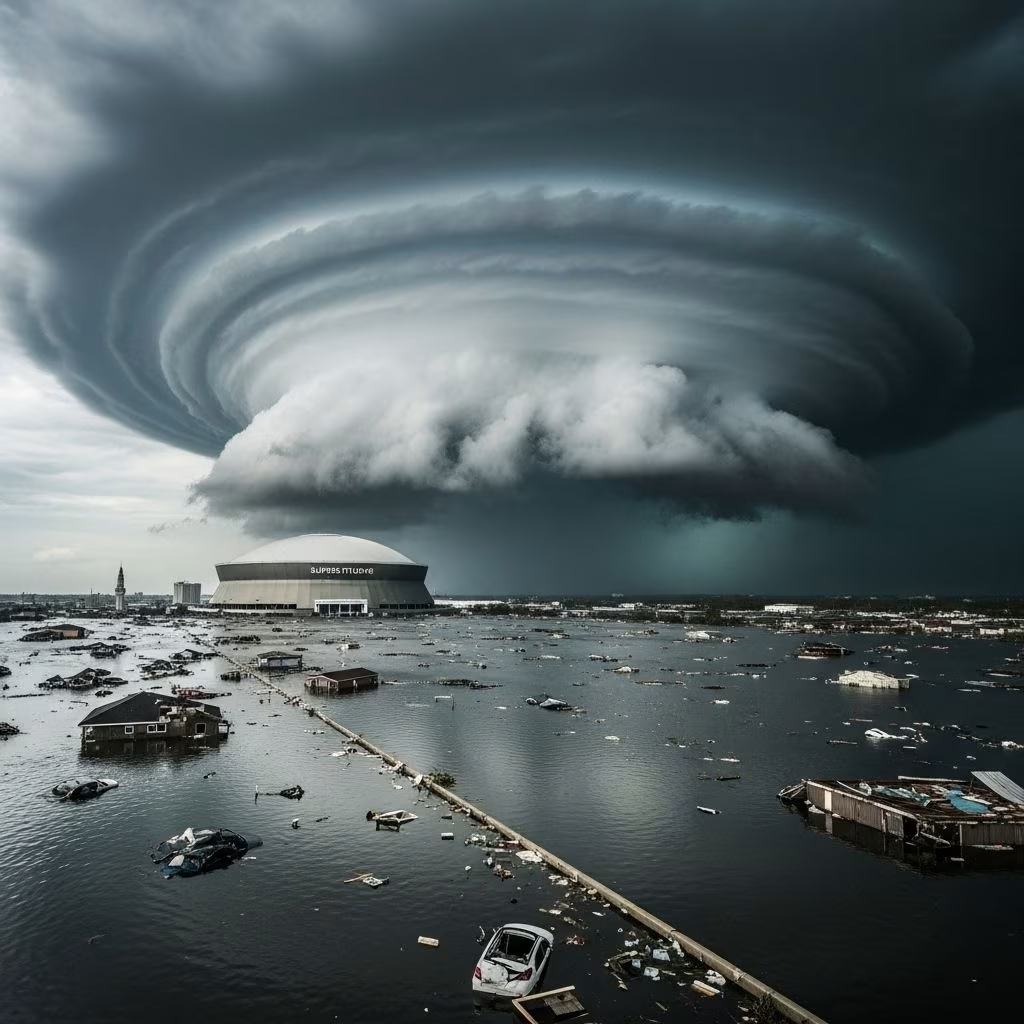
Hurricane Katrina: Timeline, Impact, and Legacy
Hurricane Katrina remains one of the most devastating natural disasters in United States history. Striking in August 2005, Katrina caused catastrophic destruction along the Gulf Coast, especially in New Orleans, and left a profound legacy on disaster response and urban preparedness. This article explores the full timeline of the hurricane, the extent of its impact, the challenges faced in its aftermath, and how it has shaped approaches to disaster management and policy ever since.
What Was Hurricane Katrina?
Hurricane Katrina formed over the Bahamas on August 23, 2005, and rapidly intensified, becoming the first Category 5 hurricane to form in the Gulf of Mexico in 25 years. With winds reaching up to 175 mph at its peak, Katrina ultimately made landfall in Louisiana as a Category 3 storm, unleashing catastrophic destruction across Louisiana, Mississippi, and Alabama.
It is estimated that the hurricane claimed over 1,390 lives, displaced hundreds of thousands of people, and caused approximately $125 billion in damages. Katrina’s unprecedented destruction, especially in New Orleans, exposed deep vulnerabilities in the nation’s infrastructure and emergency preparedness .
Timeline of Hurricane Katrina
| Date | Event |
|---|---|
| August 23, 2005 | Katrina forms as a tropical depression over the Bahamas. |
| August 24, 2005 | Tropical depression becomes Tropical Storm Katrina. |
| August 25, 2005 | Katrina makes first landfall in South Florida as a Category 1 hurricane, causing flooding and power outages. |
| August 26, 2005 | Katrina enters the Gulf of Mexico, rapidly intensifying. Disaster officials anticipate a major impact. State emergency teams mobilize. |
| August 27, 2005 | Katrina strengthens to Category 3. Evacuation advisories issued, Superdome opens as a shelter of last resort in New Orleans. |
| August 28, 2005 | Katrina becomes a Category 5 storm with 175 mph winds. Mandatory evacuation for New Orleans issued at 10 a.m., a historic first. |
| August 29, 2005 | Katrina makes landfall near Buras, Louisiana as a Category 3 hurricane. Levees in New Orleans breach; 80% of city soon underwater. Storm surge devastates Mississippi coast. |
| August 30 & beyond | Floodwaters continue to rise; major rescue efforts begin. The full extent of devastation emerges in the following days and weeks. |
Key Events Leading Up to Landfall
- August 23–25: Katrina moves from tropical depression to hurricane status, crossing South Florida with initial fatalities and damage.
- August 26: Emergency response officials and the National Guard are mobilized. Gulf Coast residents are urged to prepare or evacuate.
- August 27: With Katrina intensifying, New Orleans instructs residents to evacuate; the Superdome opens as a critical shelter.
- August 28: As Katrina becomes a Category 5 hurricane, federal and state officials issue dire warnings. Evacuation becomes mandatory in New Orleans.
- August 29: The hurricane strikes, overwhelming levees and causing widespread flooding and destruction across the Gulf Coast.
The Devastating Impact of Katrina
Katrina’s impact was catastrophic, both immediately and in the months and years that followed. The hurricane brought a combination of fierce winds, torrential rains, and a powerful storm surge that overwhelmed defenses built for far less severe weather events.
- Flooding: About 80% of New Orleans was inundated, in some places under more than 10 feet of water. The breach of over 50 levees and floodwalls led to almost total submersion of neighborhoods .
- Storm Surge: Katrina’s surge reached more than 10 miles inland in some coastal areas, sweeping away homes and infrastructure .
- Casualties: The storm and its floods killed between 1,200 and 1,900 people, making it one of the deadliest hurricanes in American history .
- Economic Damage: Total property damage was estimated at $125 billion, ranking Katrina among the costliest natural disasters globally .
- Mass Displacement: Hundreds of thousands of residents were displaced, creating the largest internal migration in the U.S. since the Dust Bowl era .
- Infrastructure Collapse: Bridges, roads, hospitals, utilities, and schools were destroyed or rendered inoperable.
- Environmental Impact: Beyond urban damage, vast areas of wetlands and wildlife habitats along the Gulf Coast were lost or severely damaged.
Levee Failures and New Orleans’ Flooding
Central to the disaster in New Orleans was the failure of the levee system—structures designed to protect the city, much of which sits below sea level. Katrina’s storm surge overwhelmed these defenses, causing more than 50 breaches. The failure led to the flooding of virtually the entire city:
- 80% of New Orleans was flooded.
- Some neighborhoods were submerged for weeks, increasing health and environmental hazards.
- Rescue teams, including the Coast Guard and Army Corps of Engineers, conducted massive search and rescue operations, saving thousands from rooftops and attics.
Emergency Response Efforts
The scope of the disaster tested local, state, and federal emergency systems to their limits and exposed critical shortcomings. Resources and personnel were rapidly overwhelmed by the scale of the crisis.
- Over 6,000 Army Corps of Engineers personnel and thousands of contractors were deployed for rescue and relief operations.
- More than 100 million cubic yards of debris were cleared from affected areas.
- Temporary roofing, generators, water, and meals were distributed on a massive scale to support survivors.
- The Superdome, intended as a shelter of last resort, became emblematic of the government’s unpreparedness as overcrowding, inadequate supplies, and rising temperature caused hardship for thousands gathered there.
- FEMA and local agencies faced harsh criticism for delayed and insufficient response. Delays in evacuation, rescue, and supply distribution cost countless lives.
Societal and Economic Impact
The aftermath of Hurricane Katrina produced ramifications that extended far beyond the storm itself:
- Displacement: More than a million people from Louisiana and Mississippi registered for aid or relocated, many permanently reshaping the population of cities like Houston and Atlanta.
- Health and Safety Crises: Stagnant floodwaters led to outbreaks of disease, hazardous spills, and increased risk of injury and mental health problems for survivors.
- Education Disruption: Hundreds of schools closed for weeks or months. Many never reopened, impacting educational outcomes for tens of thousands of children.
- Economic Losses: Local businesses, tourism, and the port economy suffered extended closures and long-term economic downturns.
- Social Justice Issues: The disaster highlighted racial and economic disparities, as the most vulnerable—low-income, elderly, and minority residents—were disproportionately affected by evacuation shortfalls and slow recovery.
Environmental Impact
Katrina’s storm surge and flooding had lasting environmental consequences:
- Coastal marshlands and barrier islands were eroded or destroyed, reducing natural storm protection for the region.
- Millions of gallons of oil and toxic chemicals were released into waters from compromised refineries and storage facilities.
- Contaminated water and hazardous debris created ongoing risks to both wildlife and human health.
Rebuilding, Reform, and the Long-Term Legacy
- Infrastructure Reconstruction: More than 220 miles of levees and floodwalls have been rebuilt and improved. Billions have been invested in storm protection and flood mitigation systems.
- Disaster Planning: Lessons learned from Katrina’s failures radically reshaped U.S. emergency management policy, leading to the overhaul of FEMA’s protocols and increased investment in early warning, evacuation, and recovery systems.
- Community Resilience: Neighborhoods across the Gulf Coast have worked to build back stronger, fostering grassroots networks and local leadership in readiness and recovery.
- Environmental Restoration: The disaster spurred major efforts to restore wetlands and natural buffers, though ongoing climate change and urban development continue to threaten these ecosystems.
Despite improvements, persistent problems—such as poverty, housing instability, and environmental vulnerability—continue to challenge the region’s recovery.
How to Help Those Affected by Disasters
- You can support disaster relief organizations that work on the ground, such as those providing basic needs, rebuilding homes, and supporting mental health.
- Volunteers with technical skills, construction experience, or social work backgrounds are often especially needed during the long recovery phases after a disaster.
- Advocate for policies that improve community resilience, invest in climate adaptation, and ensure equitable disaster response for vulnerable populations.
Frequently Asked Questions (FAQs)
Q: When and where did Hurricane Katrina hit?
A: Hurricane Katrina struck the U.S. Gulf Coast on August 29, 2005, making landfall near Buras, Louisiana, before causing catastrophic flooding in New Orleans and affecting coastal Mississippi and Alabama.
Q: How many people died because of Katrina?
A: Estimates range from 1,200 to over 1,900 deaths, making it one of the deadliest natural disasters in modern U.S. history .
Q: What caused so much flooding in New Orleans?
A: The city’s system of levees and floodwalls failed in more than 50 locations, allowing storm surge and rain to inundate 80% of New Orleans.
Q: Why was the emergency response so criticized?
A: Many agencies were underprepared for the disaster’s scale, resulting in slow evacuations, insufficient supplies at shelters, delayed rescues, and gaps in local and federal coordination.
Q: What lasting changes came from Hurricane Katrina?
A: Katrina transformed U.S. disaster management, leading to major reforms in FEMA, investment in resilient infrastructure, and a greater focus on equity and readiness for climate-driven disasters.
Key Lessons from Hurricane Katrina
- Investment in infrastructure and maintenance saves lives and prevents mass devastation—underfunded or aging systems can fail under pressure.
- Early and equitable evacuation plans are crucial, especially for vulnerable populations lacking resources or mobility.
- Coordinated response between local, state, and federal agencies is essential for effective rescue and recovery.
- Community resilience and grassroots engagement can significantly aid long-term recovery and rebuilding efforts.
- Addressing climate change and environmental degradation will be critical in reducing the risk and severity of future disasters on the Gulf Coast and beyond.
References
- https://www.worldvision.org/disaster-relief-news-stories/2005-hurricane-katrina-facts
- https://www.hmpgloballearningnetwork.com/site/emsworld/article/10323581/chronology-of-a-catastrophe-hurricane-katrina-timeline
- https://guides.lib.lsu.edu/Hurricanes/Katrina
- https://www.usace.army.mil/About/History/Historical-Vignettes/Relief-and-Recovery/170-Hurricane-Katrina/
- https://en.wikipedia.org/wiki/Timeline_of_Hurricane_Katrina
- https://www.britannica.com/event/Hurricane-Katrina
- https://www.nesdis.noaa.gov/news/hurricane-katrina-twenty-years-later
- https://www.georgewbushlibrary.gov/research/topic-guides/hurricane-katrina


