Are Paper Napkins More Environmentally Friendly Than Cloth?
As our awareness of sustainability increases, so do questions about the small choices we make every day—including something as simple as the napkin we use at mealtime. Both paper napkins and cloth napkins have their proponents, but which option is better for the environment? To answer this, we must examine their entire life cycles, from production and use to disposal, considering factors like resource consumption, emissions, and waste. This guide analyzes the comparative sustainability of paper versus cloth napkins, provides evidence-based insights, and offers practical recommendations.
Background: The Evolution of the Napkin
The word “napkin” originates from the French word nappe (meaning tablecloth), with the diminutive suffix “-kin” turning it into “little cloth”. Napkins have not always been a staple at the dinner table; for centuries, people used bread, hands, or table coverings. Today, napkins are standard in homes and restaurants—primarily as convenient, single-use paper products, with cloth napkins offering a reusable alternative for many.
Environmental Impact of Paper Napkins
On the surface, paper napkins seem like a simple, low-impact option. However, their true cost to the environment is layered:
- Resource Consumption: Paper napkin manufacturing primarily uses wood pulp, contributing to deforestation. Approximately 17 trees are felled for every ton of paper napkins produced.
- Water Usage: It requires about 0.07 gallons (approximately 0.26 liters) of water to produce a single 0.08-ounce paper napkin—this doesn’t even include the water needed to grow the trees. If half the U.S. population used three paper napkins per day, the production would consume over 31 million gallons of water daily, close to the daily usage of an entire city.
- Energy Consumption & Emissions: The paper industry is energy-intensive and emits about 7.5 pounds (3.4 kg) of greenhouse gases per ton of napkins produced.
- Waste Generation: Paper napkins are designed for single use. Used napkins typically end up in landfills or incinerators, where they decompose slowly and may contribute to methane emissions if landfilled.
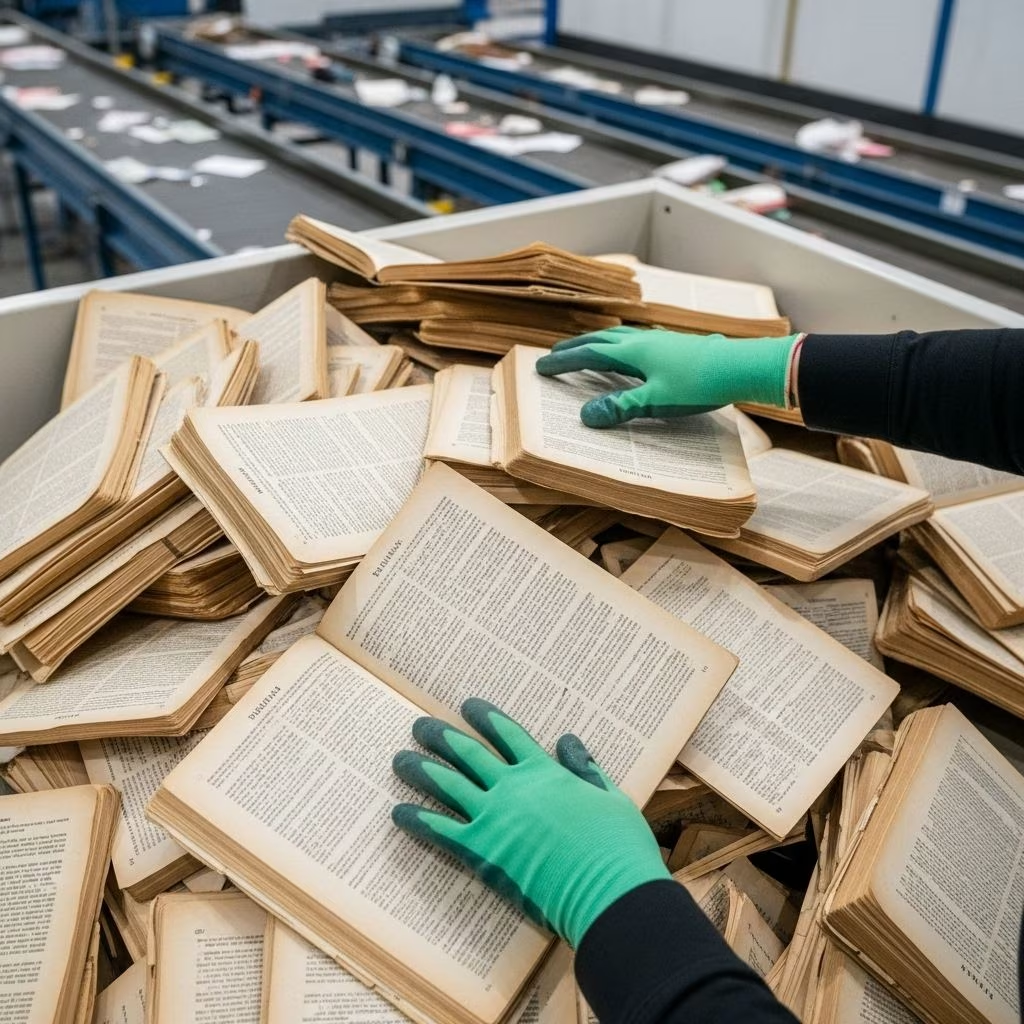
- Recycling Challenges: Once paper napkins are soiled with food or grease, they are no longer recyclable and can contaminate other recycling streams.
This steep environmental cost is magnified when considered at scale. For example, in just one year, Americans dispose of hundreds of billions of paper napkins.
Are Recycled or Eco-Friendly Paper Napkins Better?
Switching to napkins made from recycled paper or sustainably sourced fiber helps reduce impact, but does not eliminate it.
- Recycled Content: Napkins with high percentages of post-consumer recycled fiber reduce pressure on forests and cut water and energy usage compared to those made from virgin pulp.
- Manufacturing: Eco-friendly brands may avoid chlorine bleaching or use renewable energy, but even these products are almost always single-use and non-recyclable after contamination.
A widely available example is Whole Foods’ 365 Everyday Value napkin: It’s made from 100% recycled paper (80% post-consumer content) but, as with all paper napkins, can’t be recycled after use.
Environmental Impact of Cloth Napkins
Cloth napkins are designed for multiple uses, and their long lifespan is key in evaluating their sustainability. However, their initial manufacturing footprint is higher than that of paper napkins. Here’s how they compare over time:
- Initial Resource Use: A single 1.4-ounce cotton napkin requires about 119 gallons (450 liters) of water to produce.
- Longevity: A well-made cloth napkin can last hundreds of washes. The more you reuse a napkin, the smaller its per-use environmental footprint becomes.
- Energy and Water for Washing: Each wash adds to the napkin’s total footprint, but research suggests this is relatively minor. Washing one cloth napkin uses about 0.25 liters of water and 5 grams of greenhouse gas emissions. Washed once a week, this adds only about 13 liters of water and 260 grams of CO2 emissions per year per napkin.
- Total Yearly Impact: One year of using a single cotton napkin (factor in production and washing) uses about 163 liters of water and 1,260 grams of CO2 emissions. By contrast, using 1,095 paper napkins per year requires 328.5 liters of water and creates 10,950 grams of CO2, not counting disposal emissions.
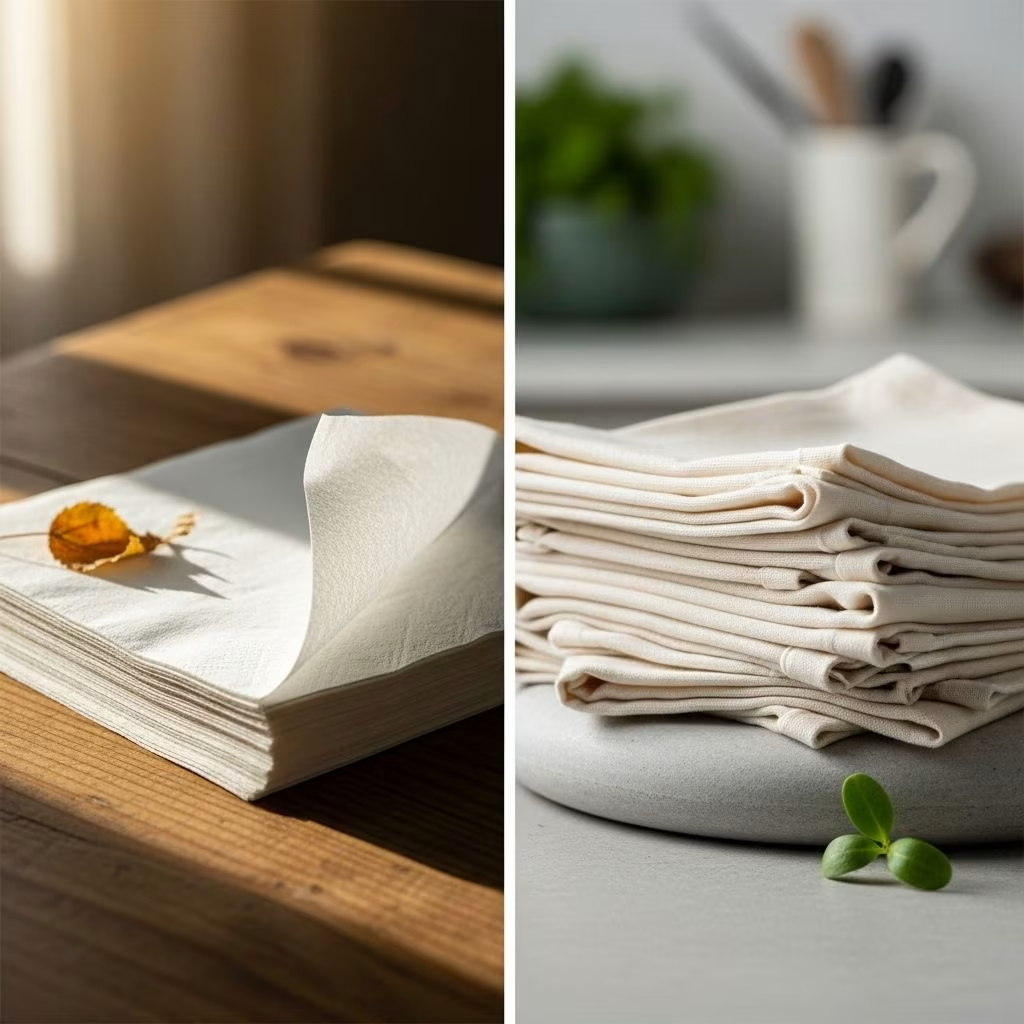
Adding all this together, cloth napkins—especially cotton and linen varieties—are more eco-friendly over their lifespan, as their environmental cost is spread over hundreds of uses.
Table: Per Year Environmental Cost Comparison
| Paper Napkin (1,095/year) | Cloth Napkin (1 napkin, reused) | |
|---|---|---|
| Water Use (liters) | 328.5 | 163 |
| CO2 Emissions (g) | 10,950 | 1,260 |
| Waste Generated | High (All discarded) | None (reused) |
Better Options: Organic and Sustainably Sourced Napkins
Materials and how they’re sourced matter—whether for paper or cloth.
- Cotton vs. Linen vs. Organic Cotton: Conventional cotton is water- and pesticide-intensive. Linen is typically more sustainable. However, organic cotton stands out as the best: producing 94% less greenhouse gas than regular cotton and requiring little irrigation because it relies on rainfall. Organic cotton napkins also cause 98% less water pollution.
- Sustainable Paper Sourcing: Sustainable paper napkins are made from recycled fibers or certified sustainable forestry, reducing the burden on virgin forests and supporting responsible land management.
In both cases, the best eco-friendly napkins are those made with minimal processing, without synthetic dyes, and packaged with recycled or no packaging.
Cost-Effectiveness: Which Napkin Saves Money?
Though cloth napkins have a higher initial price, they are more cost-effective over time:
- A set of durable cloth napkins for a family of four may cost approximately $50 and last at least two years.
- Comparatively, a family of four using paper napkins (using three per person per day) will use about 4,380 napkins per year, costing between $160–$640 over two years.
Aside from reduced long-term spending, cloth napkins also eliminate the need for constant replacement—saving trips to the store and reducing packaging waste.
Usage, Hygiene, and Practical Considerations
- Paper Napkins: Offer convenience and single-use hygiene, making them ideal for picnics, restaurants, and situations where washing isn’t practical.
- Cloth Napkins: Require upkeep (washing and drying) but are sturdier and more absorbent than most paper options. In households, each family member can have a designated napkin to reduce washing frequency.
- Stain and Wear: Cloth napkins can be stained but remain usable for a long time—“uglier” napkins make great cleaning rags at end of life.
Waste and Disposal Realities
When used, paper napkins almost always go to landfill or are incinerated. This creates methane emissions as they decompose and increases the overall waste burden. Composting is only possible for unbleached, dye-free, and minimally soiled napkins.
Cloth napkins, when worn out, can often be downcycled into cleaning cloths or composted if made from 100% natural fibers (cotton or linen).
Tips for Eco-Friendly Napkin Choices
- If choosing paper, opt for napkins made from 100% recycled, unbleached paper and compost after use if possible.
- If choosing cloth, invest in organic cotton, linen, or recycled-fiber napkins, and wash only when necessary (hang to dry to save energy).
- Minimize use by only providing napkins when truly needed (not just for show at every plate).
- In restaurants or events, consider cloth napkins and launder in bulk for lower environmental impact.
Paper vs. Cloth Napkins: Quick Comparison Table
| Paper Napkin | Cloth Napkin | |
|---|---|---|
| Resource Use (Per Napkin, Initial) | Low | High |
| Resource Use (Long-Term) | High (constant consumption) | Low (reuse many times) |
| Production Emissions | Medium-High | High (initial); falls per use |
| Water Use | Medium-High | High (production); moderate for washing |
| Waste Created | High (single use) | Low (end-of-life reuse possible) |
| Price (2 years, family of 4) | $160–$640 | $50 |
| Convenience | Very high | Moderate |
Frequently Asked Questions (FAQs)
Q: Are recycled paper napkins environmentally friendly?
A: Recycled paper napkins are better than those made from virgin pulp because they use fewer resources and reduce deforestation. However, once soiled, they cannot be recycled and should ideally be composted if free from inks or chemicals.
Q: Is it possible to make cloth napkins more eco-friendly?
A: Yes. Choose napkins made from certified organic cotton or linen, wash them with cold water in full loads, and line-dry when possible to minimize their lifecycle impact.
Q: Can paper napkins be composted?
A: Unbleached, dye-free, and minimally soiled paper napkins can be composted. Napkins with synthetic coatings, coloring, or chemical fragrances should go to landfill.
Q: How many times can a cloth napkin be used before washing?
A: In homes, many people use a cloth napkin for several meals before washing, especially if each person has a designated napkin and if it isn’t heavily soiled.
Q: Which napkin is best for large gatherings?
A: For events where washing isn’t practical and cross-contamination or hygiene is a concern, recycled paper napkins may be suitable. For family gatherings at home or restaurants, cloth napkins washed in bulk are preferable.
Making the Greener Choice
Ultimately, choosing between paper and cloth napkins depends on your priorities and routine. For most homes, especially where laundry is already being done, cloth napkins—ideally made from organic or recycled materials—are more sustainable and cost-effective over their lifetime. For situations demanding single-use convenience, recycled and compostable paper napkins are preferable to conventional virgin pulp products. Every small switch toward reuse and conscious sourcing helps reduce the cumulative environmental burden of our everyday habits.
References
- https://www.ichcha.com/block-printing-blog/busting-the-cloth-napkin-myth-6-reasons-to-switch-from-paper-to-cloth/
- https://mytabi.in/blogs/news/cloth-napkins-vs-paper-napkins-which-is-better-for-the-environment
- https://greengroundswell.com/paper-vs-cloth-table-napkins-which-are-greener/2012/09/05/
- https://grist.org/article/2009-08-10-test-six-recycled-paper-napkins/
- https://begreennapkins.com/types-of-napkins/
- https://www.letsbeco.com/blogs/eco/why-are-traditional-tissue-paper-napkins-harmful-to-the-environment