


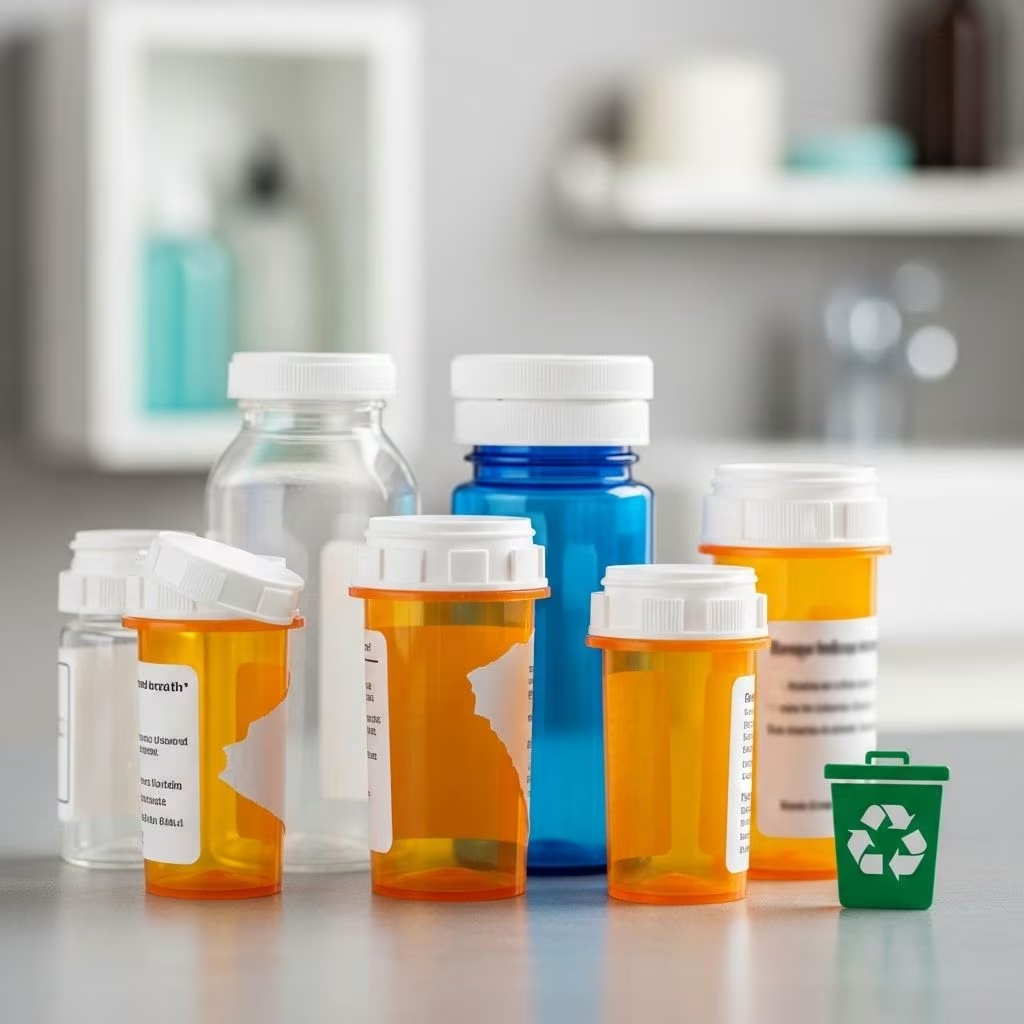
Can I Recycle My Used Prescription Bottles?
Prescription pill bottles often accumulate in our homes as we fill and finish medications. The question of whether these bottles can be recycled is more complicated than it appears. While they are made from recyclable materials, local recycling programs often reject them for various reasons. In this guide, we’ll explain why prescription bottles aren’t accepted curbside, identify alternative ways to responsibly recycle or donate them, explore safe preparation methods, and share creative reuse ideas.
Why Are Prescription Bottles Difficult to Recycle?
Most prescription bottles—those iconic translucent orange containers with white, child-proof caps—are made of polypropylene plastic, designated as #5 on the recycling scale. Polypropylene is used in a range of packaging, from yogurt containers to food tubs, because it is lightweight, durable, and resists moisture and heat. However, despite being recyclable in theory, prescription pill bottles face several barriers in practice:
- Small size: Many recycling facilities use automated sorting machines (such as trommels) that cause small items like pill bottles to fall through, ending up in landfill waste.
- Quantity and contamination: Bottles may contain medical residue or sticker labels with personal information, which can contaminate recycling streams.
- Municipal limitations: Most curbside programs do not accept #5 plastic or specifically exclude small medical packaging.
What Are the Main Options for Recycling Prescription Bottles?
Although curbside recycling is usually not an option for prescription bottles, there are specialized programs and alternative solutions:
- Specialized Recycling Programs
- Mail-in recycling: Some organizations, such as Gimme 5 by Preserve, allow mailing #5 plastics—including pill bottles—for recycling. Check their website for current status or recent updates as programs may change over time.
- Ridwell: Regional specialty recyclers like Ridwell offer collection of pill bottles for safe recycling, often in partnership with other organizations.
- Donation Programs
- Matthew 25: Ministries: This Cincinnati-based organization accepts clean, label-free pill bottles for inclusion with medical supplies sent to communities in need. Refer to their website for donation guidelines and mailing instructions.
- Animal shelters and clinics: Nearby animal clinics, shelters, and even homeless shelters sometimes accept used bottles for storage and dispensing of medicines.
- Pharmacy and Hospital Drop-Offs
- Some pharmacies (e.g., Walgreens, CVS) offer medication disposal kiosks, but there is no universal system. Inquire locally for availability.
- In the UK, Superdrug Pharmacies and similar locations offer drop-off programs for various medicine packaging, including pill bottles.
- Online Locators
- Search for local #5 plastic recyclers through databases like Recycle Nation, entering your ZIP code and specifying plastic type.
Can I Recycle Pill Bottles Curbside?
Some cities may accept #5 plastics curbside, but this is rare. Always check with your municipal recycling program. Most advice suggests avoiding curbside recycling for prescription bottles unless explicitly accepted.
How Should I Prepare Pill Bottles for Recycling or Donation?
Whether recycling, donating, or repurposing your bottles, preparation is key to protecting your privacy and ensuring safe reuse:
- Clean bottles thoroughly: Wash them with hot water and soap to remove medication residue. Rinse and allow to air dry completely.
- Remove labels: Prescription labels contain sensitive personal information (name, address, medication details). Fully peel off or soak the label to remove it. If removal isn’t possible, use a permanent marker to completely black out all identifying information.
- Check recycling/donation guidelines: Some organizations require bottles to be sorted by size, type, and color. Others need bottles recapped and residue-free.
- Dispose of old medications safely: Do not send unused or expired medicine. Follow FDA guidelines for discarding medications safely before recycling or donating bottles.
Alternative Reuse: Creative Ways to Repurpose Prescription Bottles
If recycling or donating is not possible, consider reusing pill bottles around your home. Their shape, sturdiness, and tight-sealing lids make them practical for many household uses. Here are some creative ideas:
- Travel storage: Use bottles to hold small lotions, shampoos, or cotton swabs for trips.
- Emergency kits: Prepare mini sewing kits, first aid kits, or match holders for camping.
- Organizing supplies: Store coins, buttons, beads, screws, and other small craft materials.
- Gardening aids: Use as seed containers or portable mini watering tools.
- Pet treats or waste bags: Use bottles to portion out treats or carry dog waste bags.
- Art projects: Decorate bottles for creative kids’ crafts or use as game pieces.
- Medication management: Repurpose for vitamins or supplements at home or on the go.
- Safety storage: Secure small jewelry or spare keys when traveling.
Whether upcycling, donating, or recycling, keeping prescription bottles out of the landfill reduces plastic waste, saves resources, and can benefit others in need.
Tips to Minimize Prescription Bottle Waste
- Request larger quantities: Ask your pharmacist about a 90-day supply packed in a single bottle to reduce total bottle usage over time.
- Consolidate medications: If safely possible, combine multiple prescriptions into single larger bottles.
- Choose pharmacies that support recycling: Support pharmacies offering eco-friendly options or take-back programs.
Privacy Protection: Handling Prescription Labels
When disposing of pill bottles, always ensure personal information is protected. Prescription labels may contain:
- Name and address
- Date of birth
- Rx number
- Medication type, dosage, prescriber details
These details can be used for identity theft or privacy breaches. Always remove or permanently obscure labels before recycling, donating, or upcycling your bottles.
Table: Common Disposal and Reuse Options
| Option | Description | Pros | Cons |
|---|---|---|---|
| Curbside Recycling | Local recycling bin pickup | Convenient, part of routine | Rarely accepted, risk of landfill disposal |
| Mail-in Programs | Mail bottles to organizations (e.g. Gimme 5) | Accepted plastics properly processed | Requires shipping, some programs paused or regional |
| Donation | Give bottles to charities or shelters | Helps medical missions and shelters | Strict preparation required |
| Specialty Recycler | Drop off at specific locations (e.g. Ridwell) | Efficient recycling | Limited geographic coverage |
| Home Reuse | Creative upcycling for household uses | Reduces waste, useful storage | Does not remove from waste stream fully |
Frequently Asked Questions (FAQs)
Are prescription pill bottles recyclable everywhere?
No. Most curbside recycling programs do not accept them due to their small size and plastic type (#5 polypropylene). Check with your local recycling provider for specific rules.
What should I do before disposing of a pill bottle?
Remove all medication, wash and dry the bottle, and fully remove or obscure the prescription label to protect your personal information.
Can I mail used pill bottles for recycling?
Yes, some programs accept mail-in recycling of pill bottles. Always check their specific preparation requirements and ensure bottles are clean, dry, and label-free.
Are there donation programs for pill bottles?
Organizations like Matthew 25: Ministries accept properly prepared bottles for reuse in global medical missions. Animal shelters and some clinics may also accept them.
Is it safe to put unused medication in the trash or recycling?
No. Always follow FDA guidelines to safely dispose of medicines. Never recycle or donate bottles containing any medication.
Conclusion: Responsible Prescription Bottle Disposal and Reuse
In summary, prescription bottles are recyclable under specific conditions but rarely accepted curbside. Specialized programs and donations to organizations or shelters are better alternatives, provided bottles are thoroughly cleaned and labels are removed for privacy. As plastic pollution grows, innovative reuse can also keep bottles out of landfills and contribute positively to home, travel, and community well-being.
Additional Resources
- Recycle Nation: Find local specialty recyclers for #5 plastics.
- FDA Guidelines: Review safe disposal practices for unused or expired medicines.
- Matthew 25: Ministries: Pill bottle donation instructions.
References
- https://www.goodrx.com/drugs/medication-basics/empty-prescription-pill-bottles
- https://home.howstuffworks.com/green-living/uses-old-pill-bottles.htm
- https://www.medicalwastepros.com/blog/old-pill-bottles/
- https://www.recyclenow.com/how-to-recycle/recycling-medicine-packaging
- https://m25m.org/pillbottles/
- https://www.ridwell.com/what-we-take/pill-bottles
- https://oley.org/page/recyclingmedbottles
- https://www.youtube.com/watch?v=TbvU5khmOWs


