


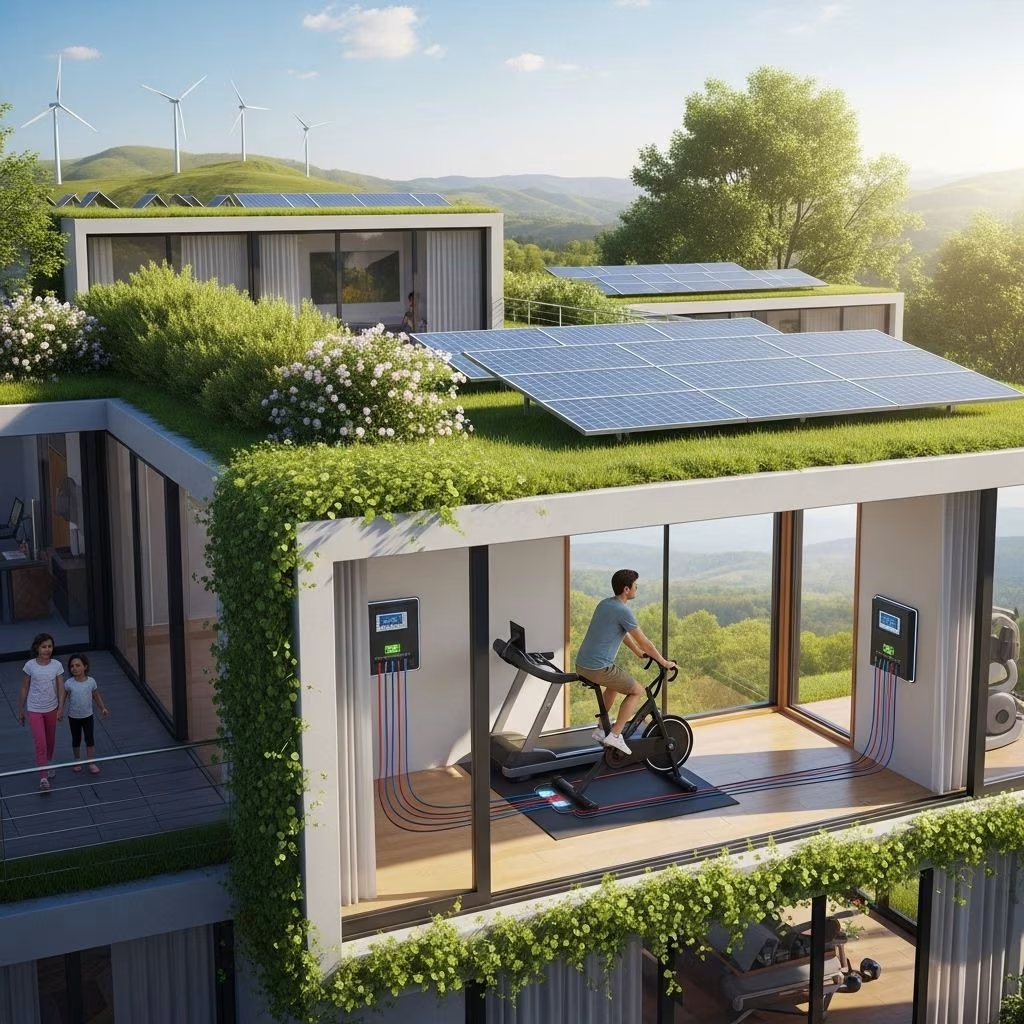
The Home of Tomorrow: Harnessing Pedal Power for a Sustainable Future
Imagine a home where your morning workout not only strengthens your body but actively powers your daily life—charging your devices, heating your water, and maybe even brewing your coffee. As global concerns about energy consumption, resilience, and carbon emissions mount, the concept of running a home, or even a city, on pedal power is evolving from experimental to achievable. This article explores the viability of pedal-powered technologies for future households, delving into their potential, challenges, and the innovative minds making this vision tangible.
Why Pedal Power: Addressing Today’s Energy Challenges
Modern society’s thirst for electricity has fostered a dependence on fossil fuels, contributing to climate change and resource depletion. In response, sustainable energy solutions like solar, wind, and hydro have gained ground, but they typically require significant infrastructure and investment. Pedal power, by contrast, is not only low-tech and renewable but also immediately accessible to most people. This form of distributed energy generation empowers individuals and communities to take control of their energy future and fosters resilience in the face of grid failures or fuel shortages.
How Pedal-Powered Systems Work
At its core, a pedal-powered system captures human kinetic energy—the energy generated by movement—and converts it into useful forms such as electricity or mechanical work. The most common mechanism is:
- Generator-Based System: Pedaling turns a crank, which spins a generator or alternator, producing electricity stored in a battery or used directly for devices.
- Direct Mechanical Work: In some systems, pedaling directly powers appliances by mechanical linkages, such as water pumps or grinders, without converting motion to electricity first.
The energy potential is modest: a typical adult can generate between 75 and 200 watts for short periods, enough to power small electronics, lights, or charge a battery, but not large appliances. However, aggregated effort—multiple users or frequent small bursts—can add up in community or shared settings.
Pedal Power in the Home: Real and Imagined
While the idea of a pedal-powered home might evoke images of frantic spinning to keep the lights on, the reality blends practicality and creative engineering. Here’s how pedal power can, and already does, function in domestic environments:
- Charging Devices: Stationary bikes or pedal generators can keep phones, laptops, and small lights running, providing off-grid resilience during outages, emergencies, or in remote areas.
- Water Heating: Some experimental systems use pedal power to warm small amounts of water or supplement a solar heating system.
- Food Preparation: Manual or pedal-operated blenders, grain mills, and coffee grinders save electricity and add an element of fitness to kitchen activities.
- Entertainment and Exercise: Turning downtime into uptime, innovative devices harness the energy from stationary cycling to power TVs, music systems, or gaming consoles, transforming screen time into a workout challenge.
In community spaces, such as co-housing networks or student dormitories, shared pedal power can feed into communal batteries, spreading both the exercise and the benefit.
Reinventing Transportation: Human-Electric Hybrid Vehicles
Beyond the home, the fusion of human power and electric assist in transportation has been a game-changer. Notable innovations include:
- TWIKE Human-Electric Hybrid: A pioneering enclosed tricycle, the TWIKE combines conventional pedals with a battery-powered electric motor. Riders pedal to contribute propulsion directly to the drivetrain, supplementing the stored battery power. While pedaling alone cannot match the motor’s power, the feeling of ‘contributing’ to the journey is deeply satisfying, and efficiency soars at city speeds.
- UPS eBike Delivery Programs: To reduce emissions and congestion in urban environments, logistics companies like UPS have piloted electric-assist cargo bikes blending pedal power with battery support for deliveries, especially in eco-conscious cities.
- Flexible Commuting: In cities where bikes can sometimes outpace cars during peak hours, these hybrids appeal to those wanting a sweat-optional, low-impact commute that’s more climate-friendly than driving and less vulnerable to grid-related issues than full EVs.
| Vehicle | Propulsion | Capacity | Range (electric + pedal) | Where Used |
|---|---|---|---|---|
| TWIKE | Pedal + electric motor | 2 adults | upto 124 miles per charge, extra with pedaling | Europe, North America |
| UPS eBike | Pedal + battery | Cargo up to 400 lbs | Varies (urban delivery) | USA, Germany |
Societal Benefits: Energy, Health, and Wellbeing
The potential upsides of a pedal-powered society go beyond mere reductions in grid demand or fossil fuel use. Key benefits include:
- Physical Fitness: Turning daily chores into exercise promotes better health and combats sedentary lifestyles.
- Energy Literacy: Pedaling to power devices makes the connection between human effort and energy use explicit, fostering a culture of conservation.
- Community Cohesion: Shared pedal power projects encourage collective action, sharing, and mutual support.
- Resilience: Backup pedal power systems provide an emergency lifeline in disasters or grid failures.
- Environmental Impact: Using human-generated energy reduces demand on dirty energy sources, aiding the fight against climate change.
Barriers and Limitations of Pedal Power
Despite the appeal, pedal power faces considerable hurdles before mainstream adoption:
- Limited Output: Humans can supply only modest power—enough for lights, small devices, or supplemental loads, not whole-house or heavy appliance demand. Large-scale pedal-powered living demands sharing or innovative storage systems.
- Convenience Factor: Many people are unlikely to substitute convenience with effort for all their daily energy demands, especially after a full day’s work.
- System Complexity: Integrating human power into standard electrical infrastructure requires smart inverters, safety measures, and custom engineering.
- Cultural Shift Needed: For pedal power to enter mass consciousness, attitudes toward consumption, exercise, and community energy will need to evolve.
However, these challenges have not dissuaded innovators, and the sector’s resilience and creativity continue to grow.
Future Innovations and Pedal Power’s Role in the Green Transition
What does the future hold for pedal-powered homes and cities? Trends and emerging technologies suggest several pathways:
- Intelligent Power Management: Smart bikes and home systems can track contributions, automatically shifting usage and storage to maximize efficiency.
- Hybridization: Integrating pedal generation with solar, wind, and battery storage smooths supply and ensures consistent power.
- Architectural Integration: Future homes could be designed with built-in human-power stations—under-desk pedals, stairs that store kinetic energy, or shared community pedal hubs.
- Scaled Transportation: As cities design for low-carbon transit, pedal-assist and hybrid vehicles could become everyday options for both individuals and businesses.
- Cultural Reimagining: As energy literacy spreads, daily movement may be revalued as a social and environmental good, driving both well-being and sustainability.
Frequently Asked Questions (FAQs)
Q: How much energy can an average person generate by pedaling?
A fit person can sustain about 100 watts per hour for moderate periods—enough to power a laptop and several LED lights, or to top off a backup battery, but not to run large appliances.
Q: Could a typical household realistically run entirely on pedal power?
No; the energy yield from pedaling is not sufficient for full household needs, but it can provide a valuable supplement, aid in emergency preparedness, and power select essential devices or systems.
Q: What are the best applications for pedal power in a home?
Pedal power excels at charging small devices, running lights, powering mechanical tools, and supplementing other renewable sources such as solar or wind.
Q: Are human-electric hybrid vehicles available for purchase?
Yes; vehicles like the TWIKE are commercially available in some regions, offering a blend of exercise and electric assistance for sustainable transportation.
Q: How can pedal power contribute to climate and health goals?
Pedal power reduces fossil fuel dependence and emissions while promoting physical activity and empowering individuals to take part in the energy transition.
Conclusion
The journey toward a pedal-powered home of tomorrow blends exercise, ingenuity, and environmental stewardship. While not a cure-all, it offers an accessible, democratic step toward more sustainable, resilient, and health-enhancing living. Whether as a backup, a supplement, or a community endeavor, pedal power brightens the path to a greener future—one revolution at a time.


