How a Small Town Became the Lavender Capital of North America
Nestled on Washington State’s Olympic Peninsula, the town of Sequim has undergone a remarkable transformation. Once a quiet rural outpost best known for its retirement communities and picturesque landscapes, today Sequim is celebrated far and wide as the Lavender Capital of North America. The story of Sequim’s rise is one of natural advantage, entrepreneurial vision, and an unwavering community spirit that has turned purple fields into a symbol of both sustainable agriculture and regional pride.
Sequim’s Setting: Where Lavender Thrives
Located just off scenic Highway 101, Sequim is surrounded by the rugged beauty of the Olympic Mountains to the south and the sparkling Strait of Juan de Fuca to the north. What makes this geography so special for lavender cultivation is its unique rain shadow effect. While much of the Pacific Northwest is known for its drizzly climate, the Olympic Mountains shield Sequim from the brunt of Pacific storms, resulting in less annual rainfall—less than 20 inches per year on average—similar to the famed Provence region in France. This dry, sunny, and mild climate creates the perfect conditions for growing aromatic and resilient lavender.
The Importance of the Rain Shadow
- Low rainfall means less risk of root rot, a common problem for lavender in wetter climates.
- Long summer days in the Pacific Northwest promote abundant bloom and oil production in the plants.
- Cool sea breezes reduce fungal problems and help maintain vibrant flower color.
Roots of Lavender: The Early Days in Sequim
The history of Sequim itself goes back thousands of years, with the native S’Klallam people calling this bountiful valley home. The name Sequim, derived from the S’Klallam language, is thought by some to mean “a place for going to shoot,” a nod to the area’s abundant wildlife. European settlement in the 19th century brought a transition to farming, fishing, and logging. However, it was in the late 20th century that lavender entered the picture in a significant way.
The first commercial lavender farms in Sequim were planted in the mid-1990s as enterprising locals sought to diversify the region’s agricultural economy. Inspired by Provence and recognizing the climate similarities, a handful of visionary farmers turned to this drought-tolerant, high-value crop. Their gamble would change the town’s fate.
Thriving Lavender Farms: A New Local Economy Blooms
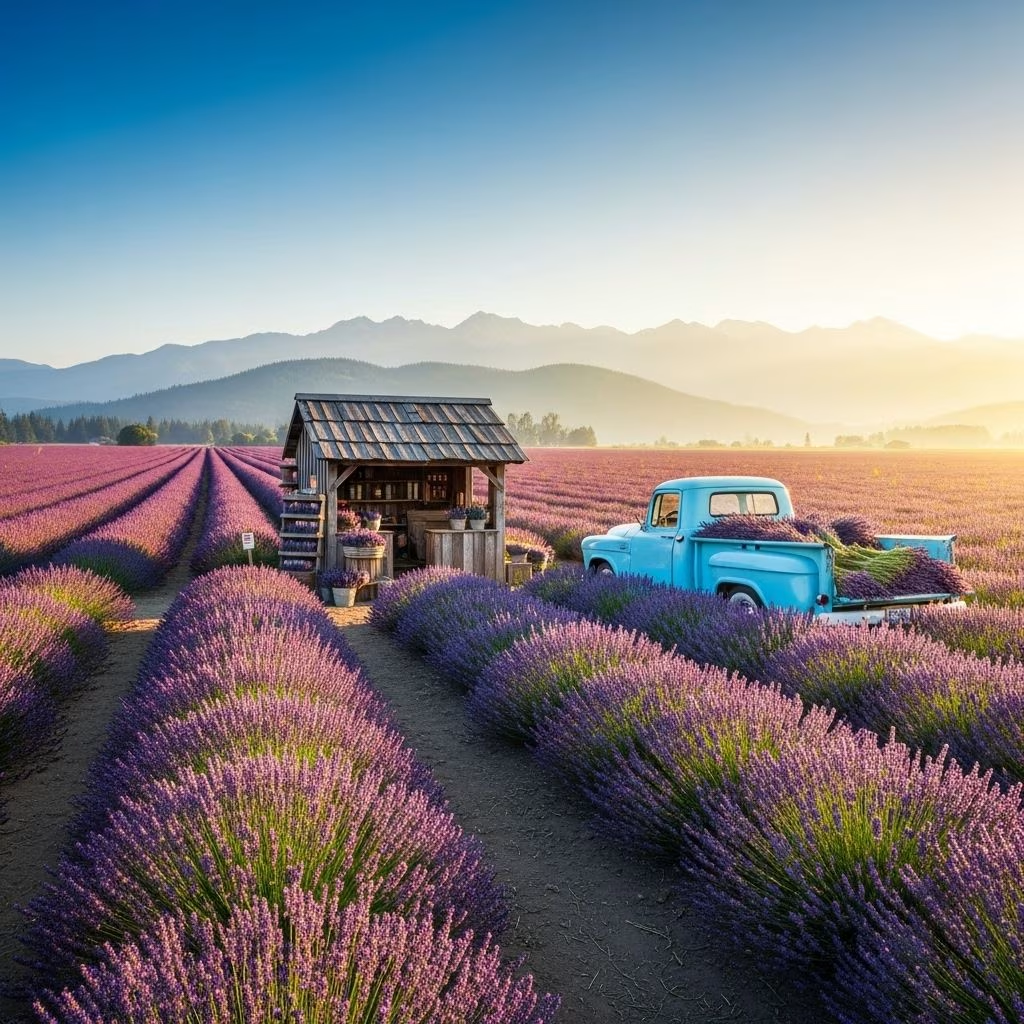
As more farms took root, the area’s transformation accelerated. Today, Sequim boasts dozens of independent lavender farms, most of them family-owned and operated. These farms vary in size and style—some are sprawling with rows as far as the eye can see, while others are small, intimate patches set against rustic barns or historic homesteads. All share a devotion to organic and sustainable practices, recognizing that environmental stewardship is as essential to the region’s success as its trademark fragrance.
Life on a Lavender Farm
- Planting and tending to hardy lavender species like Lavandula angustifolia and L. intermedia—many farms propagate their own varieties, selecting for color, scent, and oil content.
- Harvesting begins in mid-July when the fields turn a vivid purple, stretching through late summer.
- Distilling essential oils on-site using traditional copper stills and modern facilities.
- Producing value-added goods including lotions, soaps, sachets, culinary oils, and even artisanal ice cream and baked goods.
- Maintaining a commitment to organic farming and pollinator-friendly practices that enrich the local ecosystem.
Agritourism and the Sequim Lavender Trail
What truly set Sequim apart, however, was the decision to make lavender not just a crop, but an experience. Local growers formed a collective, envisioning fields that would not only supply essential oils and flowers but also welcome visitors with open arms. The result was the creation of the Sequim Lavender Trail, a self-guided tour route featuring a constellation of open farms, distilleries, and gift shops.
Main Attractions on the Lavender Trail
- Farm tours: Interactive experiences where visitors learn about growing and harvesting, often with chances to cut their own bouquets.
- Workshops: Classes in distillation, wreath-making, culinary uses of lavender, and other artisan crafts.
- Farm animals: Many sites incorporate petting zoos, apiaries, and chicken coops, spotlighting the farm-to-table connection.
- Local products: From beauty creams and honey to baked goods and ice cream, the flavor and aroma of lavender appears in countless creative forms.
These efforts have drawn visitors from across North America and beyond, with travelers comparing Sequim’s fields to those of Provence—and often marveling at their accessibility, charm, and Pacific Northwest backdrop.
The Sequim Lavender Festival: A Celebration of Purple
The centerpiece of Sequim’s lavender calendar is the Sequim Lavender Festival, held annually on the third full weekend of July. What began as a modest community gathering has blossomed into a multi-day event drawing tens of thousands of enthusiasts. Festivities encompass:
- Parades and street fairs with local crafts, food vendors, live music, and family activities all dyed (or scented) purple.
- Farm visits: Open houses and demonstrations at participating lavender fields, each offering unique programs, farmstands, and scenic backdrops.
- Educational programs: Talks and workshops on lavender’s medicinal, culinary, and cosmetic applications.
- Cultural exhibits: Showcasing Sequim’s heritage, local tribes, and the area’s distinctive history.
For many visitors, the festival is not just a feast for the senses but a chance to connect with a community that has reinvented itself through ingenuity, cooperation, and a love of the land.
The Many Uses and Benefits of Lavender
Lavender’s popularity is no accident. Revered since ancient times, this aromatic plant is cherished for its calming, healing, and versatile properties. Today, Sequim’s farms produce lavender for a wide array of end uses:
- Aromatherapy: Essential oil prized for reducing anxiety, improving sleep, and enhancing mood.
- Culinary arts: Lavender appears in everything from confections and teas to cocktails, honey, and spice blends.
- Natural beauty: Balms, soaps, shampoos, and lotions formulated with lavender oil for soothing skin and hair.
- Home care: Sachets, cleaning products, and diffusers harnessing lavender’s fresh, insect-repelling fragrance.
- Medicinal use: Research supports lavender’s ability to promote wound healing, ease pain, and act as a mild antimicrobial agent.
Sustainable Agriculture and Environmental Impact
Sequim’s lavender industry has distinguished itself with a strong emphasis on sustainability:
- Lavender is drought-tolerant, reducing pressure on local water resources, particularly significant in a rain-shadow area.
- Organic farming methods are widely adopted, minimizing use of chemicals and supporting pollinators like bees and butterflies.
- Many farms rotate crops, utilize composting, and implement soil conservation techniques, benefitting the entire ecosystem.
- The emphasis on local production and direct-to-consumer sales shortens supply chains and reduces environmental footprint.
As a result, Sequim stands as a model for how small communities can adapt to changing climates and economic structures while nurturing both tradition and innovation.
Community Spirit and Collaborative Growth
Perhaps what sets Sequim apart even more than its lavender fields is the town’s spirit of collaboration. Rather than simply competing, local farmers, artisans, and business owners have worked closely together to market their region, develop shared infrastructure, and advocate for sustainable practices. This unity underpins the success of the Lavender Trail, the festival, and the local economy’s steady growth.
| Aspect | Details |
|---|---|
| Farms | Dozens, most open to the public from June to September |
| Annual Visitors | Tens of thousands, particularly during summer months |
| Festival Founded | First held in 1996, now a cornerstone event |
| Economic Impact | Millions in direct and ancillary economic activity |
Sequim’s Roots: Indigenous and Cultural Heritage
It is important to recognize Sequim’s rich indigenous heritage. The land for centuries was and remains home to the S’Klallam people, who named and tended the valley long before lavender was ever planted. Today, local tribes contribute actively to the community, supporting events and sharing the layered history of the region. Sequim’s transformation is one of renewal, not replacement—it is a testament to versatile land stewardship and mutual respect for both new and ancient traditions.
The Future of Lavender in Sequim
Sequim’s experiment with lavender is still evolving. Climate challenges, market changes, and shifting visitor patterns continually shape the industry. Yet, the foundational elements—an ideal climate, a cooperative spirit, sustainable practices, and a commitment to quality and education—poise the community for continued success.
- New varieties and organic techniques are improving yields and resilience.
- Collaboration with local schools and organizations is nurturing the next generation of farmers and entrepreneurs.
- Sequim continues to innovate, developing novel lavender-infused products and reaching new markets near and far.
- Ongoing work with local tribes and environmental groups ensures the legacy of the land is respected and preserved.
Frequently Asked Questions (FAQs)
Q: When is the best time to see lavender in bloom in Sequim?
A: The peak lavender season runs from mid-July to early August, timed around the annual Sequim Lavender Festival. Some early and late-blooming varieties may be visible from June through September, but the iconic purple fields are most stunning in midsummer.
Q: Are the lavender farms in Sequim open year-round?
A: Many farms are open to visitors during the growing season (June–September). Some shops and farm stands operate year-round, especially in downtown Sequim, offering dried lavender products, crafts, and culinary items.
Q: What makes Sequim’s lavender different from other regions?
A: Sequim’s unique climate—marked by low rainfall and long sunny days—yields highly aromatic lavender with vibrant color. The town’s focus on organic and sustainable farming, paired with a thriving local artisan culture, adds further distinction to its products.
Q: Can visitors pick their own lavender during tours?
A: Yes, many farms in Sequim offer “u-pick” lavender, providing scissors and baskets so visitors can harvest fresh bouquets to bring home. It’s a highlight of the visitor experience, especially during festival season.
Q: How can I learn more about Sequim’s lavender farms before visiting?
A: Prospective visitors can consult the Sequim Lavender Trail’s official guide online for a map of participating farms and recommended routes. Many farms also maintain websites with bloom calendars, events, and information on workshops and special programming.
Plan Your Lavender Adventure
Those seeking a sensory escape need look no further than Sequim. Whether for a festival weekend or a quiet stroll through sunlit fields, this town on the edge of the Olympics offers a rare blend of natural beauty, small-town hospitality, and innovative spirit. What began as a bold experiment has transformed Sequim into North America’s lavender capital—a place where color, fragrance, and community truly flourish together.