


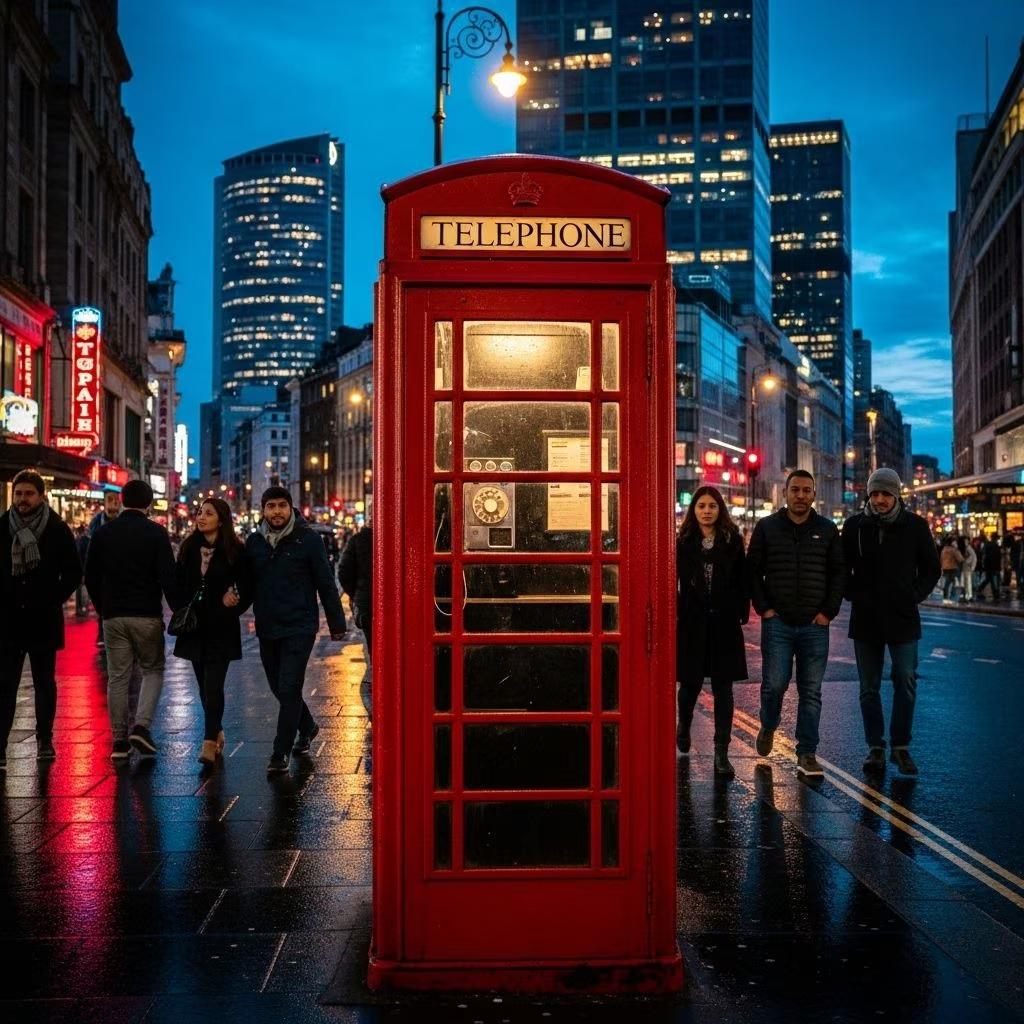
The Modern Comeback of the Phone Booth
Once a cornerstone of city streets worldwide, phone booths seemed destined for extinction in the wake of the mobile revolution. Yet, in an unexpected twist, their distinctive silhouette is returning to cities, offices, and public venues. This revival isn’t just about nostalgia; it’s also about providing much-needed private spaces in an increasingly connected world and reflecting on how our urban landscapes adapt to social and technological change.
Why the World Needed Phone Booths
Before smartphones became ubiquitous, phone booths were a vital link to the outside world. They dotted sidewalks, airport terminals, and railway stations, offering:
- Reliable access to communication before mobile phones
- Private spaces for important or sensitive conversations
- A symbolic presence in urban landscapes and pop culture
The introduction of first pagers and then mobile phones rendered these booths increasingly obsolete by the 1990s. City governments and telecom companies dismantled them, convinced the infrastructure had outlived its usefulness. Their removal, often on cost and upkeep grounds, erased not just a utility but an iconic urban marker.
From Obsolescence to Opportunity: What Drove Their Decline?
The decline of phone booths was swift and near-total:
- The rise of affordable, portable communication devices from the 1980s onward made public payphones less essential.
- Vandalism, maintenance costs, and shifting priorities in city design led many municipalities to remove booths entirely.
- Many structures were left to decay, repurposed for ad space, or simply scrapped.
This disappearance was not without consequence; many communities lost their only reliable public means of communication, especially in emergencies or in areas with unreliable mobile service. The sudden emptiness of street corners and public squares where booths once stood was noticeable, especially for the urban dwellers ruminating on the evolution of public spaces.
The Re-Emergence: Phone Booths for the Digital Age
The phone booth is now experiencing a surprising renaissance. Cities and companies are reimagining the booth for new purposes:
- Workplace Privacy Pods: As open-plan offices proliferate, many workers yearn for quiet, private areas to make calls or hold Zoom meetings.
- Urban Oases: Modern booths are appearing in airports, train stations, and bustling urban squares, furnished with charging ports, high-speed internet, and enhanced soundproofing.
- Public Art and Culture: Some old booths are being repurposed as micro-libraries, miniature art galleries, or interactive urban installations.
Innovative startups are driving this return, designing sleek, modular privacy booths that cater to both nostalgia and the practical needs of today’s hyper-connected society. These structures often feature ventilation systems, recycled materials, and modular designs to suit a variety of interior aesthetics.
Why Now? The Drivers Behind the Resurgence
Several contemporary forces have made the return of the phone booth logical and appealing:
- Remote Work: As more people work from shared offices or co-working spaces, the demand for distraction-free private areas has soared.
- Public Privacy Concerns: With digital surveillance, dense public spaces, and the omnipresence of smartphones, private phone spaces are rare and valued.
- Nostalgia: Phone booths evoke a sense of tradition and continuity amid rapid technological change, appealing to those who appreciate retro aesthetics and tangible reminders of the pre-digital world.
- Sustainability: Many new booths use recycled materials, minimal energy, and adaptive reuse of old infrastructure, fitting the ethos of sustainable urbanism.
Design Evolution: From Glass Boxes to Modern Privacy Pods
Classic phone booths—characterized by glass panels and metal frames—held a utilitarian charm, but were often cramped and noisy. The modern iteration often features:
- Acoustic insulation for privacy and reduced distraction
- Ventilation and climate control for comfort
- USB and standard power outlets for device charging
- Glass, wood, recycled plastic, or composite materials for visual appeal and sustainability
- Contactless door mechanisms and anti-microbial surfaces for hygiene
Phone Booths in Modern Workspaces
Office phone booths provide a solution to the common complaint about open offices: constant noise and lack of privacy. Key benefits include:
- Allowing confidential calls and meetings without distraction
- Boosting focus and productivity by offering dedicated quiet zones
- Flexible installation—booths can be moved as workspace needs change
Case Study: Phone Booth Programs in Major Cities
| City | Booth Type | Primary Use | Unique Feature |
|---|---|---|---|
| London | Classic Red Boxes (restored) | Tardis, libraries, WiFi hubs | Iconic design, cultural memory |
| New York | Modern pods, LinkNYC kiosks | Internet, private calls | Touchscreens, free WiFi, device charging |
| Tokyo | Soundproof glass booths | Business calls, meditation | Air purification, smart sensors |
| Berlin | Converted yellow boxes | Public art, info points | Art installations, QR code tours |
Environmental Impact: Phone Booths and Sustainability
The resurgence of phone booths fits into a broader movement toward sustainable cities. New booths often incorporate:
- Reused or upcycled materials from original booths
- Low-voltage lighting and passive ventilation
- Compact modular designs to minimize their footprint
- Multi-use features, such as serving as emergency call stations or charging hubs for e-bikes and devices
The adaptive reuse of existing structures helps keep materials out of landfills while providing communities with useful, low-maintenance amenities.
Cultural Memory and Urban Identity
Phone booths hold significant cultural value, continuing to appear in film, literature, and public consciousness:
- The British red telephone box is recognized worldwide and has become a symbol of London.
- Films and comics—from Superman’s famous costume change to the classic suspense thriller “Phone Booth”—maintain their image in popular culture.
- Local communities sometimes campaign for the preservation or creative reuse of the last remaining booths in their neighborhoods.
This blend of nostalgia and utility makes the modern phone booth more than just a functional space—it’s a touchstone of collective memory, identity, and even pride.
Challenges and The Roadblocks to a Larger Comeback
- Cost: High-quality, soundproof, and well-ventilated booths often require considerable initial investment.
- Maintenance: Durability and resistance to vandalism remain ongoing issues in outdoor urban settings.
- Adoption: Not every user or business sees the value, especially as mobile technology becomes more pervasive.
- Accessibility: Ensuring booths are inclusive and usable by people with disabilities remains a crucial design challenge.
What the Phone Booth’s Future May Hold
It seems likely that phone booths—rather than blanketing every street corner—will find a sustained niche in areas where private, enclosed, and acoustically shielded spaces are needed. We may see:
- Greater integration into coworking and flexible office spaces
- Use as mini studios for podcasts, video calls, or quiet concentration
- Expanded roles in airports, hospitals, and libraries to offer privacy solutions without new construction
- Conversion into community assets: micro-galleries, tool libraries, or eco-information hubs
Frequently Asked Questions (FAQs) About Phone Booths
Q: Are any original phone booths still in use today?
A: Yes. In some cities, original booths have been maintained as tourist attractions, WiFi hubs, or repurposed as libraries and art installations. New models are also being installed in offices and public venues worldwide.
Q: What is driving the interest in phone booths in offices and public spaces?
A: The need for private, quiet spaces in busy environments is a major driver. The trend is reinforced by open office layouts, remote work, and the desire for compartmentalized, distraction-free zones for calls or video meetings.
Q: How are modern phone booths sustainable?
A: Many new booths are made using recycled materials, designed for durability and energy efficiency, and adaptively reuse existing infrastructure, contributing to circular design and reduced waste.
Q: Are phone booths accessible for people with disabilities?
A: While progress is being made, accessibility varies between models and installations. Leading manufacturers are developing booths with larger doors, lower hardware, and support for assistive technology to improve inclusivity.
Q: Can phone booths offer more than just privacy?
A: Absolutely. Booths can serve as charging stations, information points, WiFi hubs, or even mini-art installations, offering practical and cultural value.
Closing Thoughts: The New Relevance of an Old Icon
The story of the phone booth illustrates the cyclical nature of urban design and the persistent need for personal space amid collective life. Far from being an anachronism, the phone booth’s return highlights our ongoing search for privacy, connectivity, and sustainable solutions in an ever-evolving world. As cities grow and change, perhaps the humble booth will continue to surprise—finding new roles while keeping old stories alive.
References
- https://mental-flowers.com/2013/01/07/at-iidex-will-the-office-go-the-way-of-the-phonebooth-and-mailbox-treehugger/
- https://www.frontporchrepublic.com/2023/04/the-power-of-place-payphones/
- https://www.communityvoiceks.com/2025/04/24/ict-treehuggers-feature/
- https://www.parksproject.us/blogs/in-park/10-ways-to-be-a-tree-hugger
- https://www.altaonline.com/dispatches/a63011435/ted-lasso-land-richmond/


