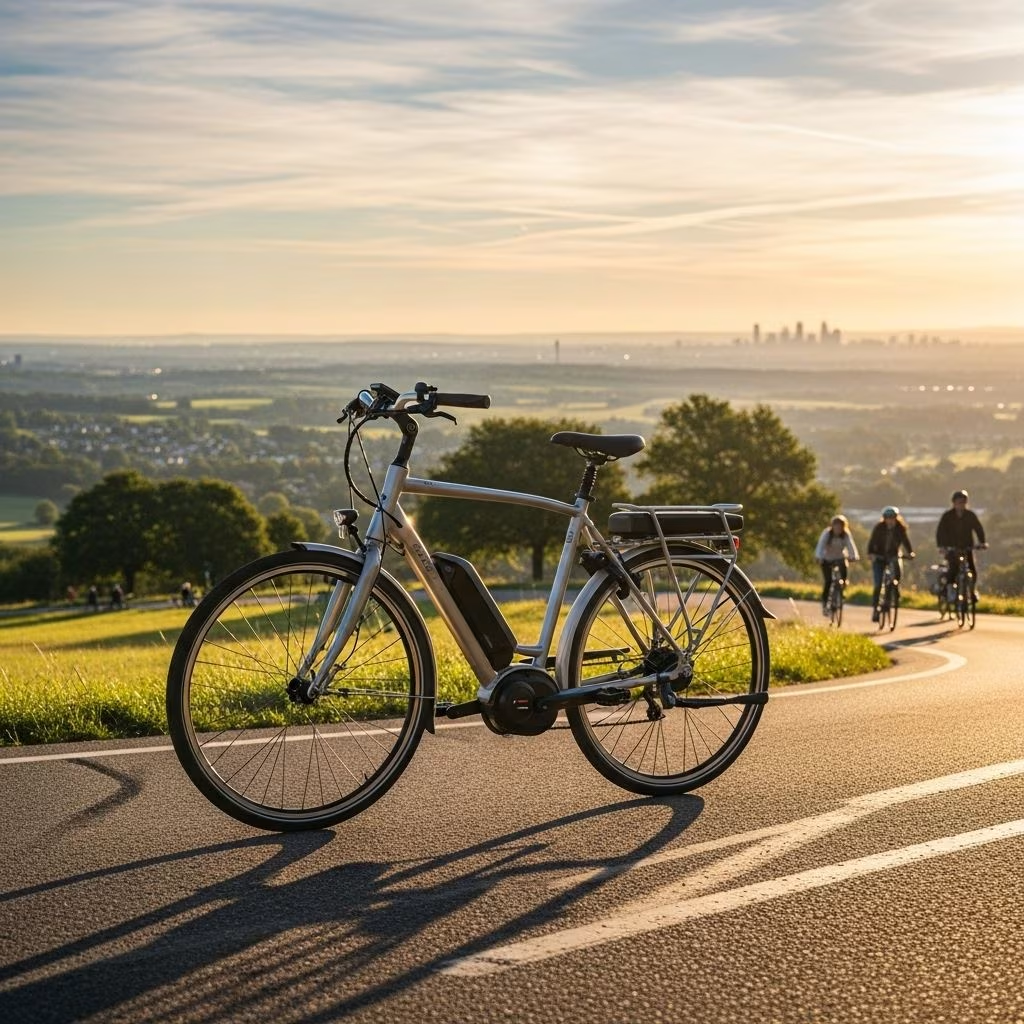
The Rise of E-Bikes
The e-bike revolution is one of the most significant trends in the transportation sector over the past few years. E-bikes, or electric bicycles, have become increasingly popular due to their ability to combine the health benefits of cycling with the convenience of motorized assistance. This popularity surge is evident in the significant growth in e-bike sales. In the US, for instance, e-bike sales have grown exponentially, often outpacing traditional bike sales in terms of volume and market value.
Market Growth
The e-bike market has experienced remarkable growth, with some reports indicating a 240% increase in sales in the US. While this percentage may be influenced by the initial low base, the numbers now surpass those of road bikes in a market valued at $5.3 billion. This shift is not just about sales figures; it reflects a broader cultural change towards more sustainable and environmentally friendly transportation options.
Benefits of E-Bikes
E-bikes offer several benefits that contribute to their popularity:
- Convenience and Accessibility: Pedal assist technology makes cycling more accessible to a wider audience, including those who may not have considered traditional cycling due to fitness concerns or terrain difficulties.
- Environmental Impact: E-bikes are a more environmentally friendly choice compared to cars, especially for short trips. Most urban and suburban trips are under six miles, making e-bikes a practical alternative for daily commutes.
- Health Benefits: While e-bikes provide motorized assistance, they still offer physical activity levels that can improve cardiovascular health and reduce the risk of chronic diseases.
Challenges and Barriers
Despite the growth and popularity of e-bikes, several challenges remain:
- Infrastructure: A lack of protected bike lanes and secure parking facilities can deter potential users, especially in urban areas.
- Supply Chain Issues: Global supply chain disruptions have affected the availability and delivery times of e-bikes, impacting companies like Rad Power Bikes.
- Regulatory Frameworks: Different regions have varying laws and regulations regarding e-bikes, which can create confusion among consumers and limit adoption.
Future Outlook
The future of e-bikes looks promising, driven by technological advancements, increasing consumer demand, and government incentives. The European market is significantly larger than North America, and companies are working to address supply chain challenges and innovate products to meet consumer needs. Initiatives like the E-Bike Act and Bike Commuter Act aim to provide tax credits and benefits to encourage e-bike adoption, further boosting the market.
Case Study: Rad Power Bikes
Raden Power Bikes is a notable example of a company that has successfully navigated the e-bike market by focusing on direct-to-consumer sales and standardized products. Their mission is not only to provide high-quality e-bikes but also to address environmental challenges through sustainable practices. They aim to reduce waste by offering refurbished bikes and maintaining a service network that extends the lifecycle of their products.
Frequently Asked Questions (FAQs)
Q: What are the main benefits of e-bikes?
A: E-bikes offer convenience, environmental benefits, and improved accessibility for those who may not be regular cyclists.
Q: Are e-bikes legal on bike paths?
A: Regulations vary by region. Some areas allow e-bikes on bike paths, while others restrict them based on speed or classification.
Q: How do e-bikes impact fitness?
A: Although e-bikes provide motorized assistance, they still offer physical activity benefits that can improve health and fitness levels.
References
- https://permies.com/t/168464/Sales-bikes
- https://techcrunch.com/2021/10/14/rad-power-bikes-founder-mike-randenbaugh-on-fueling-the-e-bike-revolution/
- https://gmtma.org/bicycling-in-2021-and-what-were-looking-forward-to-in-2022/
- https://biketalk.org/tag/ebike/
- https://forums.electricbikereview.com/threads/article-americas-e-bike-revolution-is-in-trouble.50579/
- https://biketalk.org/2021/12/e-bike-revolution/
- https://climatechangeresources.org/learn-more/transportation/cycles/