


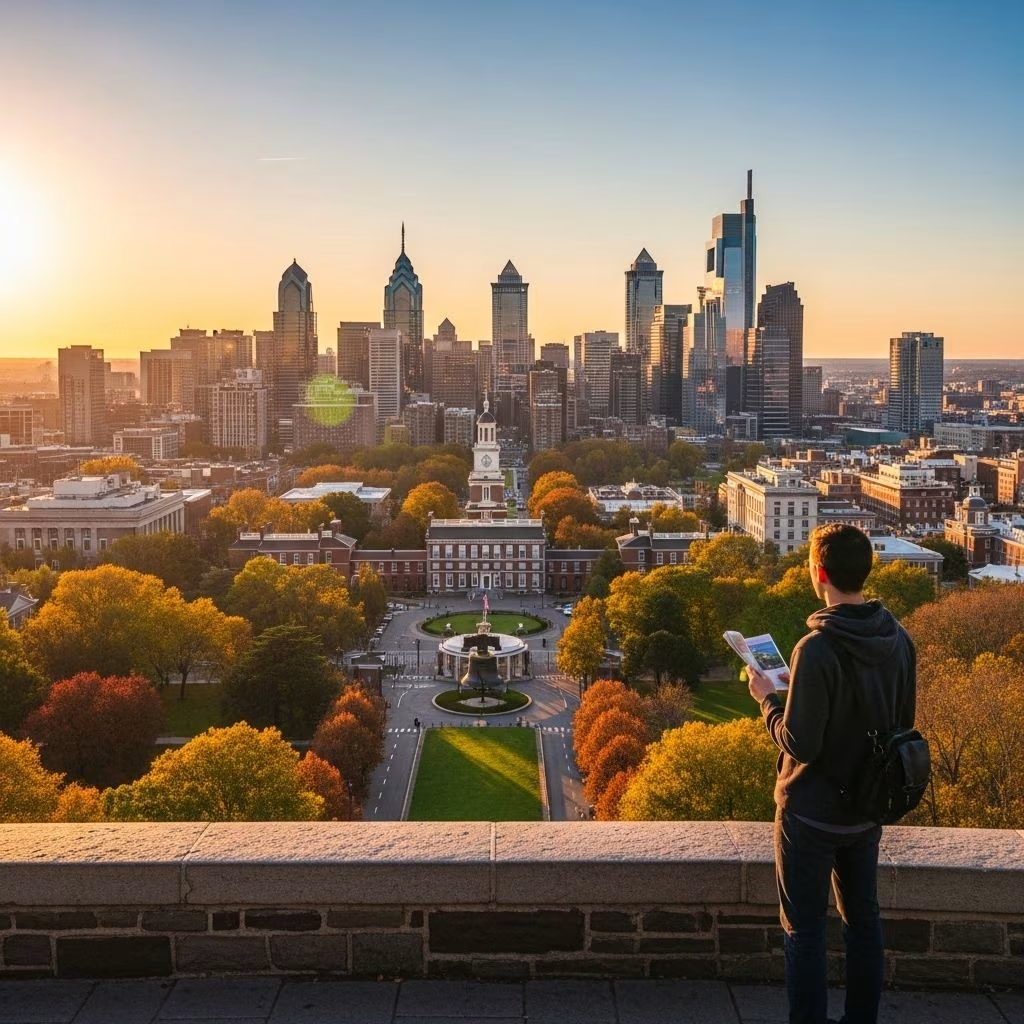
Philadelphia: Embracing the City as Both Resident and Tourist
Philadelphia offers a distinct blend of historical grandeur and vibrant modern culture—qualities that make it a top destination for visitors and a source of pride for its residents. In recent years, locals have begun exploring their city through the eyes of tourists, discovering hidden gems, diverse neighborhoods, and lesser-known histories at every turn. This approach enriches the experience of daily urban life, fostering a renewed sense of connection to Philadelphia’s storied streets and community spirit.
The Case for Being a Tourist in Your Own Hometown
Longtime Philadelphians and newcomers alike often overlook the city’s treasures, reserving sightseeing for guests or special occasions. However, becoming a tourist in your own city unveils Philadelphia’s layers of innovation, culture, and history:
- Historic Landmarks: From Independence Hall to the Liberty Bell, Philadelphia’s foundational sites draw millions each year, yet many locals have never visited them since their school days.
- Eclectic Neighborhoods: The city’s distinctive districts, each with their own rhythm and atmosphere, offer a variety of attractions—whether it’s the art mosaics of South Street or the culinary delights of Chinatown.
- Unique Experiences: Unplanned exploration can reveal unexpected finds, such as the American Philosophical Society’s historic manuscripts, artistic murals, and bustling corner delis.
Rediscovering the city fosters local pride and helps residents appreciate Philadelphia’s evolution and enduring character.
Diverse Neighborhoods: Where History Meets Community
Philadelphia’s neighborhoods are a blend of historical identity and contemporary energy, each offering a distinct perspective on city life. Six main sections surround Center City: North, Northeast, South, Southwest, West, and Northwest Philadelphia. Each contains eclectic neighborhoods with rich stories, shaped by centuries of development and cultural migration.
- Old City: Renowned for its colonial landmarks, art galleries, and cobblestone streets.
- Chinatown: Bustling with authentic flavors and vibrant festivals centered around the iconic Friendship Gate.
- South Street: Famous for Magic Gardens and colorful mosaics by Isaiah Zagar.
- Nicetown-Tioga: Evolving with greening initiatives and community gardens, emphasizing local resilience and environmental stewardship.
- Rittenhouse Square: A hub for fine dining, shopping, and lively parks, reflecting the city’s cosmopolitan side.
Touring these neighborhoods reveals the intricate tapestry of Philadelphia’s social and cultural life, with each area contributing its own flavor.
Legendary Landmarks and Historic Sites
At the heart of Philadelphia’s allure are its numerous historic sites. The city boasts 67 National Historic Landmarks, the third most of any American city. Some of the highlights include:
- Independence National Historical Park: Hosts Independence Hall and the Liberty Bell—sites central to America’s founding.
- Philadelphia Museum of Art: Famous for its grand steps (immortalized by Rocky), world-class collections, and sweeping views of the city.
- Mütter Museum: Showcases fascinating medical specimens and unique exhibitions.
- Fairmount Park: One of the largest urban parks in the nation, offering serene retreats and recreational opportunities.
- Eastern State Penitentiary: An imposing historic prison, now open for immersive tours and exhibits.
Philadelphia’s museums and historic buildings form the backbone of its tourism industry, giving residents and visitors direct access to the nation’s roots and artistic achievements.
Green Spaces and Greening Initiatives
Amid its urban sprawl, Philadelphia is undergoing a transformation toward sustainability and wellness. Community-led greening initiatives have spearheaded the development of gardens and lawns that do more than beautify the landscape—they strengthen neighborhoods and improve health outcomes.
- Tioga Hope Garden: A 20-year endeavor, this North Philadelphia sanctuary offers respite from the city and encourages social interaction.
- Urban Tree Canopies: Local efforts to increase tree coverage are reducing air pollution and mitigating urban heat, with neighborhoods like Nicetown-Tioga leading the way.
- Resident-Driven Design: Community gardens are shaped by locals, resulting in spaces that serve as hubs for education, fresh produce, and relaxation.
Studies have shown that creating green spaces can reduce violent crime and enhance mental health, making this movement crucial for Philadelphia’s future.
Philadelphia’s Distinctive Culture and Daily Life
Beyond its monumental history, Philadelphia pulses with artistic, culinary, and social innovation. Its neighborhoods are punctuated by:
- Public Art: Murals, mosaics, and installations are scattered throughout, with magic gardens turning ordinary streets into open-air galleries.
- Iconic Cuisine: The city’s food scene goes far beyond cheesesteaks—from diverse food markets to cutting-edge restaurants and family-owned bakeries.
- Festivals and Events: Unique happenings like the annual Naked Bike Ride or seasonal parades celebrate local character and invite participation from all walks of life.
Engaging with these features as a resident-tourist deepens appreciation for what makes Philadelphia unique and fosters new connections across communities.
How Residents Can Tour Philadelphia Like Visitors
Philadelphians looking to experience their city anew often begin by adopting the mindset of a tourist. Strategies include:
- Walking Tours: Immerse yourself in history with guided walks or self-guided routes through Old City, mural clusters, and riverside trails.
- Museum Visits: Rediscover local institutions and temporary exhibitions that reveal fresh perspectives on heritage and innovation.
- Trying New Food: Sample unfamiliar cuisines from hidden neighborhood spots and high-profile establishments alike.
- Attending Community Events: Participate in seasonal festivals, art openings, and park concerts.
- Support Local Green Initiatives: Volunteer time in neighborhood gardens and urban forestry projects to foster environmental well-being.
By consciously exploring and engaging with their own city, residents find pride and joy in Philadelphia’s vibrant diversity and evolving character.
Five Neighborhoods to Tour as a Resident
| Neighborhood | Noteworthy Features | Tourist Value |
|---|---|---|
| Old City | Historic sites, galleries, cafes | Immersive history and contemporary art |
| Chinatown | Friendship Gate, authentic cuisine | Cultural immersion, vibrant dining |
| South Street | Magic Gardens, boutiques | Local artistry, shopping |
| Nicetown-Tioga | Community gardens, greening initiatives | Urban renewal, social impact |
| Rittenhouse Square | Parks, upscale eateries | Modern elegance, relaxation |
Photo Opportunities and Iconic Views
Philadelphia’s visual landscape is perfect for photography enthusiasts. Some of the best vistas and Instagram-ready spots include:
- Schuylkill River Trail: Panoramic city skyline views, popular for walking and cycling.
- Benjamin Franklin Bridge: Striking perspective of Philadelphia’s eastern border.
- Art Museum Steps: Wide shots of cityscape and lively local gatherings.
- Magic Gardens: Vibrant mosaic walls and whimsical installations.
These locations showcase Philadelphia’s unique character and provide memorable backdrops for every city exploration.
Environmental Wellness: The Urban Green Revolution
Philadelphia is actively addressing environmental concerns through a focus on green infrastructure. The benefits of urban nature are far-reaching:
- Air Quality: Increasing green spaces combats some of the city’s worst air pollution.
- Heat Island Effect: Tree plantings and gardens can lower urban temperatures by up to 20°F compared to areas lacking vegetation.
- Community Health: Access to green spaces enhances mental wellness and fosters community cohesion.
- Local Empowerment: Resident-led design ensures green initiatives meet neighborhood needs.
Philadelphia’s environmental transformation is steadily contributing to a healthier, more vibrant urban experience for all.
Frequently Asked Questions (FAQs)
Q: Why should Philadelphia residents explore their own city?
A: Touring Philadelphia as a resident unveils overlooked historic and cultural treasures, deepens local pride, and helps build stronger community ties.
Q: What are the benefits of community greening in Philadelphia?
A: Community gardens and increased tree coverage reduce crime, improve mental wellness, and enhance air quality, especially in neighborhoods like Nicetown-Tioga.
Q: What is the most visited attraction for locals and tourists?
A: Independence National Historical Park—including Independence Hall and the Liberty Bell—is among the top destinations for both residents and visitors.
Q: How can residents participate in city improvement?
A: Residents can join greening initiatives, attend local events, and support neighborhood businesses and art projects to actively shape their city’s future.
Q: Which Philadelphia neighborhood showcases the most dramatic transformation through greening?
A: Nicetown-Tioga stands out due to its robust community gardens and ongoing efforts to expand urban greenery and environmental wellness.
Inspiring Philadelphia: A City Continually Redefined
Philadelphia’s storied past and energetic present offer endless opportunities for both exploration and reflection. For residents, the act of becoming tourists is both liberating and enlightening—inviting a fresh perspective on the familiar, fostering connection to local heritage, and encouraging stewardship in the pursuit of a brighter, greener future. Whether through historic sites, creative corridors, lush gardens, or engaging community events, Philadelphia rewards its explorers with an experience rich in culture and possibility.


