Valley Forge National Historical Park: Key Facts and Enduring Legacy
Valley Forge National Historical Park stands not only as a monument to one of the most pivotal episodes of the American Revolutionary War, but also as a living landscape where history, remembrance, and nature unite. Once the site of the Continental Army’s winter encampment of 1777-1778, this 3,500-acre park near Philadelphia draws visitors from across the nation to experience the story of sacrifice, transformation, and perseverance that unfolded here.
Why Valley Forge Matters
Of the many sites woven into the fabric of the American Revolution, none symbolizes the resilience and determination of the early United States quite like Valley Forge. For six challenging months, General George Washington and the Continental Army endured hardship, hunger, and disease beneath these rolling Pennsylvania hills. Yet it was here that the Army was forged into a disciplined, unified force—emerging from the winter stronger and better equipped to win independence for a new nation.
- Impact: Valley Forge transformed a struggling army into a unified fighting force, paving the way for ultimate American victory.
- Legacy: The encampment’s lessons of endurance, leadership, and collective effort continue to inspire Americans today.
Historical Background: Before the Encampment
Long before it became synonymous with American perseverance, the Valley Forge region was home to Indigenous peoples—including the Lenape (Delaware) tribe, who thrived in the area’s abundant valleys and woodlands. European colonists arrived in the late 17th century, gradually establishing farms, ironworks, and water-powered mills along the Schuylkill River.
- Native communities inhabited the valley by 8,000 BCE, relying on its resources for thousands of years.
- By the mid-18th century, the area featured prosperous farms, the strategic Valley Forge ironworks, and Quaker villages.
- The landscape was shaped by agriculture and industry—setting the stage for one of the Revolution’s defining chapters.
The Encampment: Winter of 1777–1778
From December 19, 1777, until June 19, 1778, over 12,000 Continental soldiers—accompanied by officers, laborers, and camp followers—set up camp at Valley Forge. The location, selected for its natural defenses and proximity to Philadelphia, became the fourth-largest city in the colonies for that winter.
Daily Life in Camp
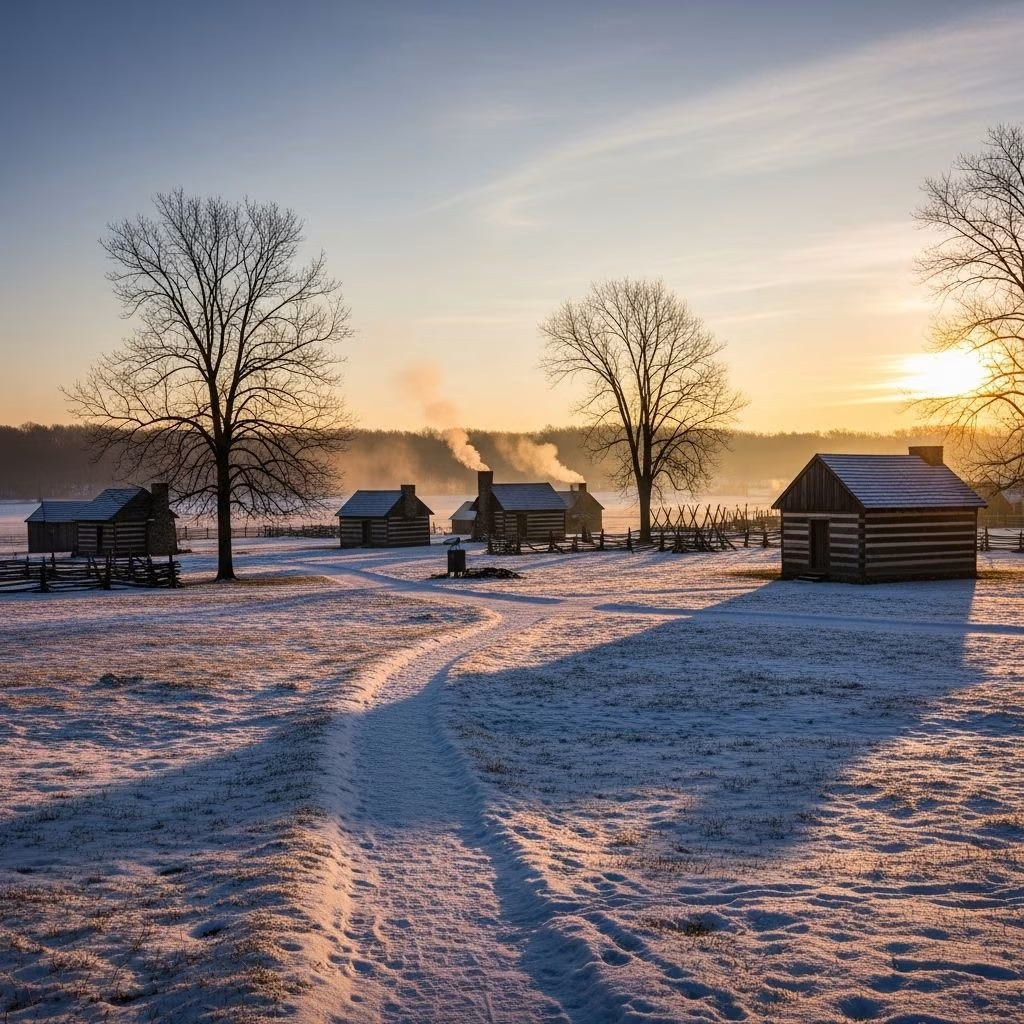
- Troops constructed over 1,500 log huts, creating an orderly, sprawling military city.
- Officers coordinated the building efforts; enlisted men often lived sixteen to a cabin, while officers rented area farmhouses.
- Conditions were difficult: supplies ran short, disease spread, and rations were meager—but contrary to popular myth, the winter was mild but excessively wet, making life muddy and challenging rather than bitterly cold.
Diversity in the Encampment
- The encampment reflected colonial society:
- Enslaved and free African Americans, European immigrants, Indigenous workers, and women and children all played roles.
- The vision of Valley Forge as a “melting pot” echoes America’s diverse origins.
Hardships and Triumphs
- The winter took a heavy toll: an estimated one in ten soldiers died (primarily from disease, not cold).
- Local farmers and Quaker communities endured requisitioning and the demands of war.
- Despite privation, the army endured, trained, and ultimately found new unity and resolve.
Transformation: Training and Reorganization
What truly distinguishes Valley Forge is the transformation of the Continental Army. Under the supervision of European officers—particularly Prussian Baron Friedrich von Steuben—the Army imposed strict discipline, drilled in modern tactics, and reshaped its command structure.
- Von Steuben’s “Blue Book”: Soldiers learned new formations and maneuvers, instilling professional standards still seen in today’s U.S. military.
- Better logistics and organization helped the Army recover from the winter’s hardships.
- This transformation was vital to the Continental Army’s future battlefield successes.
Key Historic Sites within Valley Forge
Today, Valley Forge National Historical Park is a vibrant, educational destination, preserving both historic landscapes and structures.
- Washington’s Headquarters: The original stone home where Washington lived and planned for months. It offers insights into leadership and daily life at the highest levels of command.
- Muhlenberg Brigade Huts: Reconstructed log cabins show how soldiers and officers lived—crowded, but functional.
- National Memorial Arch: An imposing monument commemorating the sacrifices of those who endured the encampment.
- Artillery Park: Rows of authentic and replica cannons offer a glimpse of the firepower available to the Continental Army.
- Historic Roadways and Landscape: Nearly every footstep through the park traces the path of soldiers, from defensive redoubts to parade grounds.
The Natural Beauty and Recreational Opportunities
Valley Forge’s impact extends far beyond its role as a historic battleground. The park’s 3,500+ acres are alive with scenic vistas, lush woodlands, and well-maintained trails.
- Schuylkill River Trail: A popular multi-use trail offering breathtaking river and countryside views.
- Wildlife and Birdwatching: The diverse habitats are home to deer, foxes, songbirds, and migratory waterfowl.
- Picnicking and Family Activities: Plenty of open green spaces attract families, school groups, and casual visitors year-round.
- Reenactments and Events: Watch living history demonstrations or participate in educational programs and annual celebrations.
Becoming a National Historical Park
After serving as agricultural land and a local landmark through the 19th century, Valley Forge was designated as a state park in 1893. In 1976, during the U.S. Bicentennial, Congress designated it as a National Historical Park—entrusting the National Park Service with its preservation and interpretation for future generations.
- Preservation: Ongoing efforts ensure historic structures, landscapes, and artifacts are protected.
- Education: Ranger-led tours and museum exhibits illuminate the stories behind the Revolution.
- Commemoration: The site remains a place for reflection on the sacrifices and hopes of the Revolutionary generation.
Notable People and Stories of Valley Forge
Among the many individuals who shaped the Valley Forge experience were leaders, strategists, and ordinary soldiers. Their personal journeys reflect the scope and diversity of the American cause.
- George Washington: He held the Army together through difficult decisions and unwavering leadership.
- Friedrich von Steuben: His drills and discipline revolutionized American military practice.
- Marquis de Lafayette: A young French volunteer, Lafayette built strong bonds with troops and inspired international support.
- Many unnamed women, children, African Americans, and Indigenous people contributed essential labor, support, and resilience.
Visitor Experience: What to See and Do
Valley Forge is much more than just old buildings and battlefields. The park’s experiential offerings blend the best of American history, natural splendor, and community activities.
- Visitor Center: Interactive exhibitions showcase artifacts, a life-size model of Washington, and engaging digital displays.
- Guided Tours: Options range from self-guided audio to ranger-led explorations.
- Annual Events: Experience unique celebrations, historical reenactments, and seasonal festivities for visitors of all ages.
- Hiking, Biking, and Horseback Riding: Over 30 miles of trails span historical sites, forests, and scenic overlooks.
Preservation and Modern Impact
Today, Valley Forge is not only a window into the past, but also an active part of the region’s present and future. Its preservation ensures future generations can walk in the footsteps of the Revolution.
- Historic Preservation: Ongoing restoration projects safeguard cabins, headquarters, monuments, and artifacts.
- Community Engagement: Local volunteers and organizations contribute to stewardship, education, and interpretation.
- Symbol of Perseverance: Valley Forge continues to serve as a rallying point in American memory, even being the focus of peace demonstrations, such as during the Vietnam War era.
Fun and Lesser-Known Facts
- Valley Forge was not the coldest encampment of the Revolution—the record goes to Morristown, New Jersey.
- The historic encampment essentially became the fourth largest “city” in the colonies at the time.
- Soldiers ate a diet often lacking bread and meat, sometimes resorting to making “firecake”—a flour-and-water dough cooked on embers.
- Today, the park includes not only Revolutionary history but also forests, meadows, gardens, and wildlife habitats.
Quick Reference: Valley Forge at a Glance
| Fact | Details |
|---|---|
| Location | Montgomery and Chester Counties, Pennsylvania |
| Size | Over 3,500 acres |
| Established | 1893 (state park); 1976 (national park) |
| Main Attractions | Washington’s Headquarters, Muhlenberg Brigade Huts, National Memorial Arch, Visitor Center |
| Primary Historical Significance | Site of 1777-78 Continental Army winter encampment |
Frequently Asked Questions (FAQs)
Q: Why was Valley Forge chosen for the winter encampment?
A: Its natural defenses, access to the Schuylkill River for supplies, and proximity to Philadelphia made it both protective and strategic.
Q: Were the conditions at Valley Forge as harsh as popular legend suggests?
A: While the army faced hunger, disease, and privation, the winter was milder than often portrayed. Rain and mud caused many hardships, but bitter cold and snow were not as severe as in other encampments.
Q: What can visitors see and do at the park today?
A: Explore reconstructed log huts, Washington’s Headquarters, historical monuments, museum exhibits, over 30 miles of trails, and a wide range of educational and community events year-round.
Q: Who contributed to the daily life at the Valley Forge encampment?
A: Besides soldiers, women, enslaved and free African Americans, European immigrants, and Indigenous people supported camp life through cooking, nursing, and vital labor.
Q: What is the most important legacy of Valley Forge?
A: The creation of a trained, unified American army capable of achieving independence; an enduring symbol of perseverance and hope.
References
- https://www.nps.gov/vafo/learn/historyculture/valley-forge-history-and-significance.htm
- https://philadelphiaencyclopedia.org/essays/valley-forge/
- https://www.nationalparks.org/explore/parks/valley-forge-national-historical-park
- https://www.valleyforge.org/things-to-do/valley-forge-park/
- https://www.nps.gov/vafo/learn/historyculture/index.htm
- https://www.battlefields.org/learn/articles/10-facts-valley-forge
- https://www.visitphilly.com/things-to-do/attractions/valley-forge-national-historical-park/
- https://www.battlefields.org/visit/heritage-sites/valley-forge-national-historic-park