


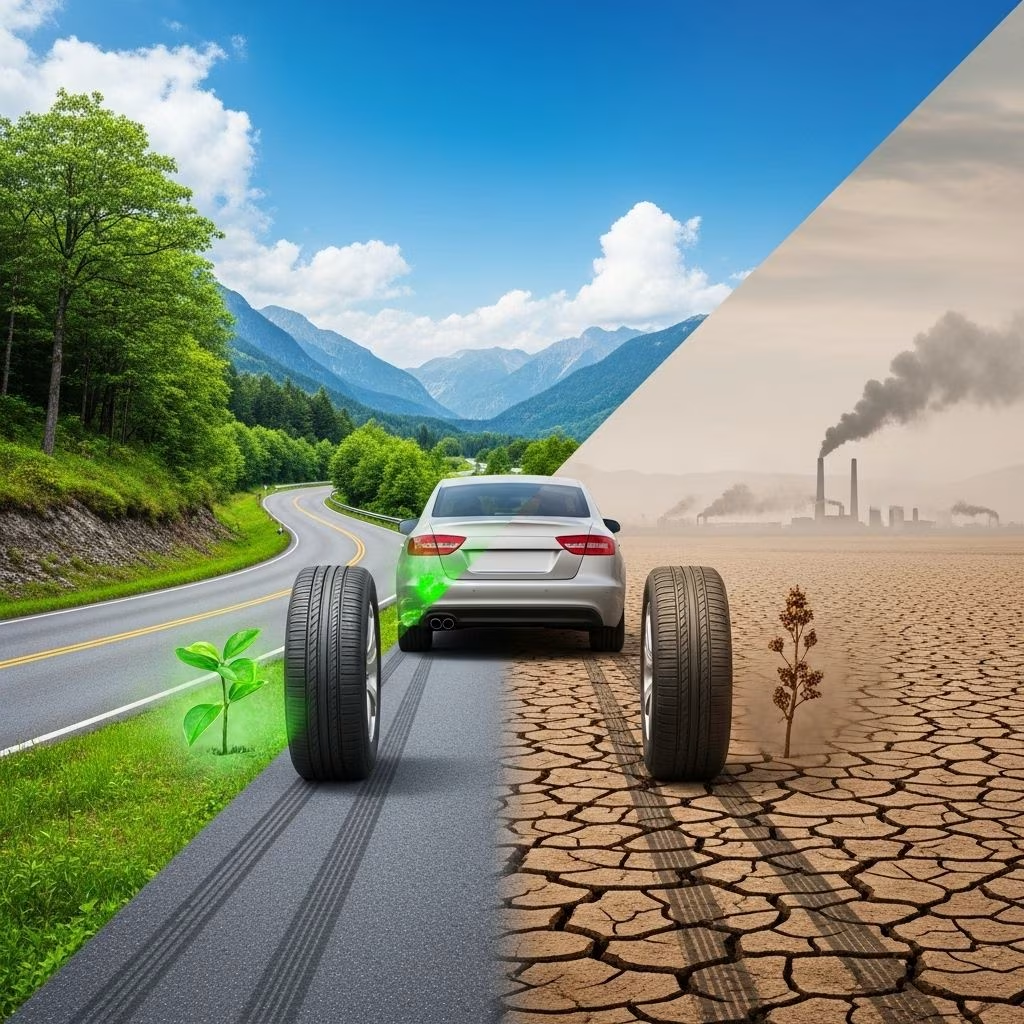
Why Proper Tire Inflation Matters—for Drivers and the Planet
Tires are the crucial link between your vehicle and the road, directly impacting your fuel efficiency, safety, and environmental impact. While often overlooked, maintaining correct tire pressure is a surprisingly impactful step for saving resources, reducing emissions, and improving driving safety. In this article, we explore how a simple habit—checking and inflating your tires—can help the planet, save you money, and make every drive safer.
The Big Picture: How Underinflated Tires Harm the Environment
At a glance, tire pollution might bring to mind abandoned tires or large piles of discarded rubber. Yet, the environmental impact of tires is far broader and extends through every phase of a tire’s life cycle: manufacturing, use, and disposal. A key, often ignored factor is tire inflation. Underinflated tires set off a chain of negative effects stemming from increased rolling resistance—the extra energy and fuel required to move your car down the road.
- Higher Fuel Consumption: Underinflated tires increase rolling resistance, forcing engines to work harder and consume more fuel.
- Increased Emissions: More fuel burnt means more tailpipe emissions, including carbon dioxide (CO2), nitrogen oxides, and particulates.
- Accelerated Tire Wear: Flat or soft tires wear unevenly and faster, leading to more frequent replacements and extra tire waste.
- Enhanced Microplastic Pollution: Tires that wear down prematurely contribute additional microplastics and toxic chemicals to the environment—especially in urban runoff, air, and waterways.
How Rolling Resistance Influences Fuel Use
Rolling resistance refers to the energy your car must exert to keep tires turning against the pavement. Tire pressure significantly affects this friction. When pressure drops, more of the tire presses against the road, and your engine has to use more energy—usually in the form of gasoline or diesel. For context, studies show underinflated tires can decrease fuel economy by up to 3% or more, depending on how low the pressure gets and the type of driving you do. On a global scale, those small increases in fuel use add up to millions of tons of CO2 emissions annually.
Global Impact of Tire Production and Use
Each year, the world manufactures over 3 billion tires, consuming massive natural resources and emitting pollutants. The environmental consequences include more than just rubber extraction or excessive tire litter:
- Massive resource use: Tire manufacturing consumes fossil fuels, water, and land for plantation rubber. This process is linked to deforestation and water depletion.
- Polluting emissions during production: Manufacturing emits carcinogens, radioactive compounds, and particulate matter into air and water.
- Heavy metals and persistent chemicals: Waste tires and tire crumb (used in mulch, playgrounds, and artificial turf) can leach metals and harmful compounds into the environment.
- Disposal problems: Over 800 million tires are disposed of or burned yearly, emitting fine particulates and hazardous chemicals if not recycled properly.
But among all these stages, tire use is the largest annual source of vehicle-related CO2 emissions aside from burning fuel. Keeping tires properly inflated can directly address this, reducing the amount of fuel needed to travel and consequently, the overall emissions from your car.
Tire Wear: A Hidden Source of Microplastic and Chemical Pollution
Most drivers associate pollution from cars with tailpipe exhaust. In reality, tire and brake wear rival (and sometimes exceed) tailpipe emissions in releasing particulate pollution and toxic substances into the environment.
Each tire loses about 1.2 to 6.7 kg of material over its lifetime—between 10% and 16% of its total weight. Tire fragments and dust become microplastics, mixing with dust and runoff, and finding their way into rivers, oceans, soils, and even the air we breathe. Research has found that globally, tires account for one of the top sources of microplastic pollution, shedding 6 million tons of particles per year, with hundreds of thousands of tons making it to oceans.
Proper tire inflation reduces this wear, extending tire life and keeping more of the tire on your car—and less in the environment.
The “Chemical Cocktail” Inside Tires
A typical tire is more than just rubber. Manufacturers use a proprietary blend of up to 200 chemicals, including:
- Hydrocarbons
- Heavy metals such as zinc and lead
- Plasticizers and stabilizers (some with known toxic effects)
- Industrial compounds for durability and flexibility, such as 6PPD, which can transform into highly toxic 6PPD-quinone (6PPD-Q) in the environment
- Other persistent organic pollutants
Most of these are not listed or disclosed, and as tires degrade, exposure increases—through skin contact, ingestion, and inhalation of tire dust, and via contamination of waterways and soil.
The Consumer’s Power: Fuel Savings and Safety from Tire Maintenance
For individuals, keeping tires correctly inflated is one of the simplest, lowest-cost actions to lower personal and collective environmental impact. The benefits are immediate and tangible:
- Lower Fuel Bills: Properly inflated tires reduce rolling resistance so your car can travel further on each gallon of fuel.
- Increased Tire Life: They wear evenly, extending tire life and saving you the cost and hassle of replacements.
- Lower Emissions: Reduced fuel use translates directly into fewer CO2 and pollutant emissions.
- Improved Road Safety: Proper inflation means better handling, shorter braking distances, and less chance of dangerous blowouts.
How Much Can You Save?
According to government and industry analyses:
- Fuel Economy Boost: For every 1 psi drop in average tire pressure, gas mileage can decrease by about 0.2%–0.3%. Keeping all four tires at the recommended pressure improves MPG by up to 3%.
- Annual Fuel Savings: For a typical family car, this means saving 15–20 gallons of gasoline per year—more if you drive an SUV, truck, or a vehicle with large tires.
- Lower Maintenance Costs: Getting an additional year or more out of each set of tires cuts both your expenses and overall waste in the system.
Practical Guide: How to Keep Tires Properly Inflated
Checking and maintaining tire pressure is quick and easy. Follow these steps:
- Find the Recommended Pressure: Look for the placard on your driver’s door jamb or in your owner’s manual—not the number on the tire sidewall.
- Use a Reliable Gauge: Purchase a quality tire pressure gauge. Don’t rely on how tires “look”; underinflation often isn’t visible.
- Check When Cold: Measure pressure when tires are cold (before driving more than a mile) to get an accurate reading.
- Top Up as Needed: Add air at a gas station or use a home compressor. Don’t overinflate—excessive pressure can be just as problematic.
- Check Monthly or with Weather Swings: Pressure drops about 1 psi per 10°F drop in air temperature, so check frequently in changing seasons.
Other Tips for Maximizing Tire Life and Efficiency
- Rotate tires regularly to prevent uneven wear.
- Avoid harsh driving (sudden starts, stops, and sharp turns) to reduce excessive stress on tires.
- Keep your wheels properly aligned and balanced.
- Replace aged or damaged tires promptly—inflation won’t help if the tire is near the end of its life.
Environmental Comparison: Proper vs. Improper Inflation
| Aspect | Properly Inflated Tires | Underinflated Tires |
|---|---|---|
| Fuel Economy | Optimal mpg; lowest emissions | Reduced mpg; increased emissions |
| Tire Wear | Slow, even; longer tire life | Faster, uneven; more frequent replacement |
| Microplastic Emissions | Minimized | Increased |
| Driving Safety | Best handling, braking, and control | Poorer handling; greater risk of blowout |
| Cost | Lower fuel and maintenance expense | Higher costs over time |
Broader Solutions: Industry Innovation and Policy Action
While consumer action is powerful, the tire pollution challenge also demands innovation and regulation:
- Tire Design Innovation: Manufacturers are developing longer-lasting tires, renewable materials for tire construction, and even airless tires to reduce environmental burdens and microplastic shedding.
- Recycling and Circular Economy: Retreading and improved recycling keep more material in use, reducing demand for new resources and stemming the tide of waste tires.
- Emission Controls: As tailpipe emissions have fallen due to regulation, scientists and governments are turning their attention to tire and brake emissions, seeking new standards and monitoring methods.
- Consumer Education Campaigns: Many governments and NGOs sponsor public awareness drives encouraging tire care, efficient driving, and proper disposal.
Frequently Asked Questions (FAQs)
Q: How often should I check my tire pressure?
A: Check your tires at least once a month and before long trips. Also, check whenever there’s a sharp temperature change, as tire pressure drops with cooler weather.
Q: Can overinflating my tires improve efficiency even more?
A: No. Overinflated tires have less contact with the road, which can compromise safety, reduce traction, and cause excessive central tread wear. Always use the manufacturer’s recommended pressure.
Q: Do electric vehicles require more frequent tire maintenance?
A: Yes. Because EVs are heavier and produce more torque, their tires can wear faster, shedding more microplastics and chemicals. Regular inflation checks and rotation are especially important for EV owners.
Q: How can I dispose of my old tires responsibly?
A: Many recycling centers and tire retailers accept old tires. Never dump or burn tires—these practices create hazardous pollution and waste valuable resources. Retreading or recycling is the best choice where available.
Q: Are the chemicals in tires dangerous to health?
A: Tire material contains a mix of natural and synthetic rubber, as well as heavy metals and industrial stabilizers. Over time, these break down into potentially toxic compounds, some of which have been linked to health and environmental risks.
Take Action: Small Habits, Big Results
Caring for your tires by keeping them properly inflated and maintained is a daily step that rolls out significant benefits for you, your wallet, and the wider world. With each trip, you are not only ensuring a smoother, safer ride, but actively cutting pollution and supporting a cleaner, more efficient future for all.


