Volvo’s Bold Step Towards Sustainability: Leather-Free and Electric Future
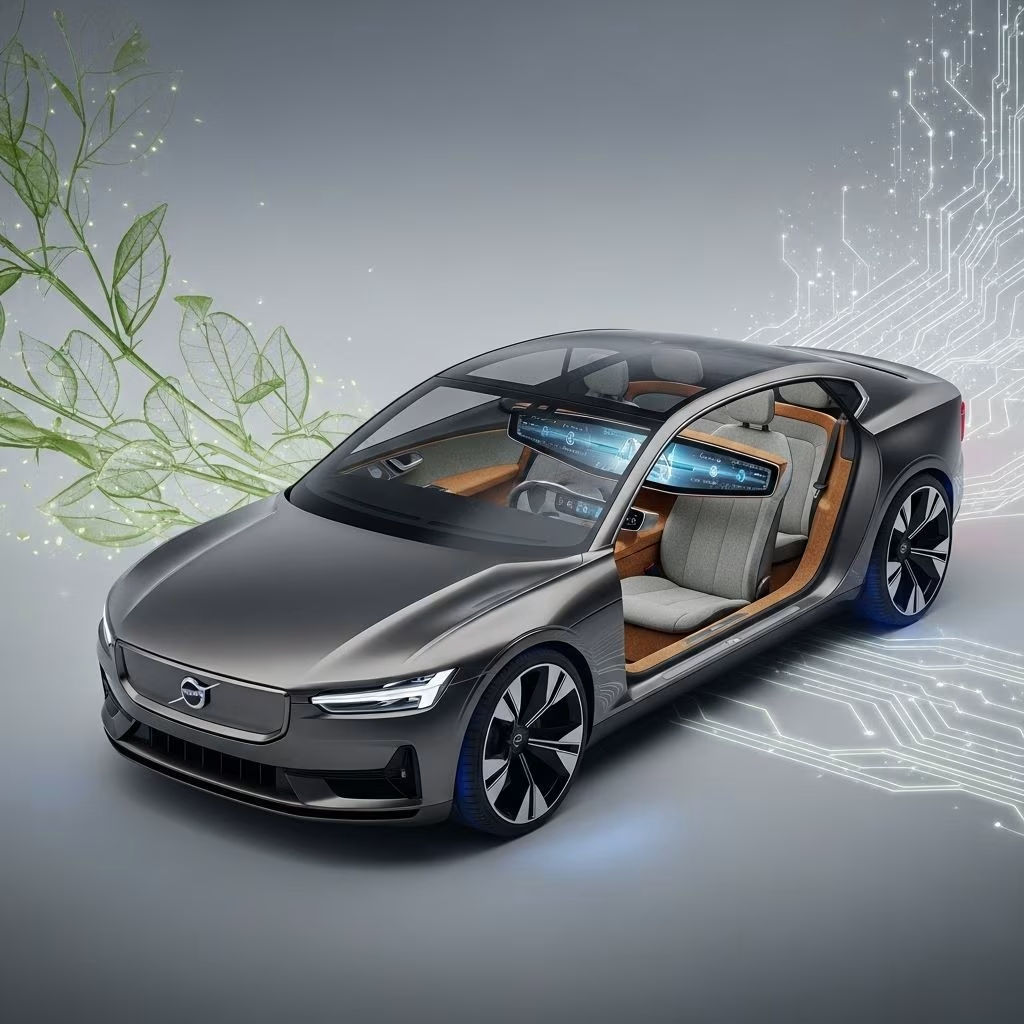
In an era defined by growing ecological awareness and ethical consumerism, Volvo Cars has staked its reputation on leading the automotive sector into a more sustainable, animal-friendly future. By announcing its commitment to eliminate leather interiors from all new fully electric vehicles by 2030, Volvo has signaled a profound transformation—not only for the materials it uses but for the very values underpinning its brand identity.
This ambitious goal is part of a comprehensive strategy which also includes an exclusive lineup of fully electric vehicles by 2030 and ensuring that both its products and supplier operations minimize environmental impact.
Why Volvo Is Going Leather-Free
Volvo’s leather phase-out is motivated by a combination of animal welfare concerns, the negative environmental impact of cattle farming, and growing consumer demand for ethical, sustainable products.
- Environmental Impact: Cattle farming contributes to deforestation and is responsible for approximately 14% of global greenhouse gas emissions—mainly from livestock production.
- Animal Welfare: The initiative supports humane sourcing practices and addresses issues within the broader supply chain, aiming to reduce demand for material derived from animal exploitation.
- Sustainable Innovation: Volvo’s vision aligns with shifting market expectations for corporate responsibility and holistic sustainability—including the materials used inside vehicles.
Material Innovations: What Replaces Leather?
Central to Volvo’s strategy is the development and deployment of high-quality, eco-friendly alternatives to leather. Rather than opting for traditional vinyl or plastics, Volvo is introducing proprietary and third-party sustainable materials:
- Nordico: A pioneering interior material made from recycled PET bottles, corks from the wine industry, and bio-attributed inputs from sustainably managed Scandinavian forests.
Nordico closely mimics the appearance and feel of leather but is entirely free from animal products. - Certified Wool Blends: Volvo will continue offering responsibly sourced wool blend options, only from suppliers who meet strict standards for animal welfare and supply chain traceability.
- Bio-Based & Recycled Content: Volvo intends for at least 25% of materials in its new vehicles to be recycled or bio-based by 2025, with a broader goal of moving towards a circular business model by 2040.
Comparative Table: Volvo Interior Materials Post-Leather
| Material | Source | Environmental Benefit | Ethical Assurance |
|---|---|---|---|
| Nordico | Recycled PET bottles, bio-based forest inputs, cork | Reduces landfill, low carbon footprint, renewable input | No animal products; full traceability |
| Wool Blend | Certified responsible suppliers | Renewable, biodegradable | Animal welfare certified, traceable supply |
| Bio-based Plastics | Plant sources (e.g., sugarcane) | Lower emissions, non-fossil | Vegan, sustainable |
Impact on the Wider Automotive Industry
Volvo’s declaration is emblematic of a broader shift sweeping through the auto sector, with iconic competitors like General Motors and Ford announcing their own plans to electrify fleets and minimize environmental footprints. Vegan and recycled material use is accelerating as automakers respond to stricter regulations and evolving global attitudes.
- General Motors aims for a fully electric vehicle range by 2035 and plans for carbon neutrality in its products and operations by 2040.
- Ford pledges that 100% of its passenger cars in Europe will be electric by 2030.
- Emergence of vegan leather alternatives and sustainable material sourcing as new industry standards.
Volvo’s Circular Economy Commitment
Transitioning from a linear, resource-intensive manufacturing model, Volvo is actively pursuing ‘circularity’—where resources are reused, recycled, and reprocessed to minimize waste and environmental harm.
- By 2025: 25% of all materials in new cars will be recycled or bio-based.
- By 2040: Volvo envisions becoming a ‘fully circular business’.
- Supplier Renewable Energy: Volvo aims for all its immediate suppliers, including those providing materials, to operate on 100% renewable energy by 2025.
Environmental and Ethical Benefits of Phasing Out Leather
- Reduced Deforestation: The need for cattle herds (for leather) contributes significantly to global deforestation, especially in vulnerable ecosystems.
- Lower Greenhouse Gas Emissions: Eliminating reliance on livestock products directly addresses one of the planet’s largest sources of methane and CO2 emissions.
- Animal Welfare: Sourcing alternatives to animal-derived materials supports Volvo’s ethical stance and aligns with consumer expectations regarding humane treatment.
- Innovation and Consumer Choice: Sustainable materials provide new tactile and aesthetic experiences for drivers, broadening choice and reducing negative impacts.
- Support for Circular Economy: Using recycled and bio-based inputs ensures resources are recirculated rather than wasted.
The Journey: Progress and Challenges
Volvo acknowledges that ‘going leather-free’ is an ongoing journey, not a finish line. The company is explicit that simply removing leather does not guarantee a vegan interior, given that some textiles and plastics may also have animal-derived additives. This transparency reflects the company’s careful, stepwise approach as it continues to source, innovate, and certify new alternatives.
- Continuous Innovation: Volvo is exploring new sustainable sources—including next-generation bioplastics and plant-based adhesives—that could one day allow for fully vegan, circular interiors.
- Supply Chain Complexity: Ensuring all suppliers meet strict standards for energy use, material traceability, and ethical sourcing is a significant but critical challenge.
- Industry Collaboration: Volvo’s leadership role pressures competitors and suppliers to enhance their own sustainability and ethical standards, creating positive change across the sector.
Frequently Asked Questions (FAQs)
What is the timeline for Volvo’s leather-free commitment?
Volvo plans for all new, fully electric vehicles launched from 2021 onward—including the C40 Recharge—to be leather-free, with a complete company-wide transition slated for 2030.
Will Volvo cars be completely vegan?
No. While leather will be phased out, full vegan certification has not yet been achieved, as Volvo still uses some animal-derived components. However, the company is steadily moving toward this goal.
What is Nordico and how is it different from leather?
Nordico is a new proprietary, leather-free interior material composed of recycled plastics (PET bottles), cork, and forest-based bio-materials. It looks and feels similar to leather but is fully vegan and sustainable.
How will this shift impact vehicle quality and luxury?
Volvo is investing in advanced materials to ensure new interiors match or exceed the comfort, durability, and aesthetic standards associated with luxury vehicles. Customer feedback on Nordico and certified wool blends has been positive.
Is Volvo’s commitment part of a larger industry trend?
Yes. Volvo’s announcement aligns with automotive industry efforts worldwide to phase out petrol engines, reduce the use of animal products, and increase circular, renewable material sourcing.
Summary Table: Volvo’s Sustainability Goals at a Glance
| Goal | Deadline | Status |
|---|---|---|
| All new electric cars leather-free | 2021 onward | Launched with C40 Recharge |
| All vehicles fully electric | 2030 | In progress |
| 25% recycled/bio-based materials | 2025 | In progress |
| 100% supplier renewable energy | 2025 | Ongoing |
| Fully circular business | 2040 | Planned |
Conclusion: Volvo’s Path Forward
Volvo’s commitment to eliminating leather from its interiors, electrifying its lineup, and embracing circular, renewable principles marks a pivotal moment in automotive sustainability. As these initiatives progress, customers, industry peers, and environmental advocates will closely watch how Volvo continues to balance luxury, innovation, and ethics to drive radical change—and forge a more sustainable future for mobility.
References
- https://www.fox6now.com/news/volvo-aims-for-all-cars-to-be-leather-free-and-fully-electric-by-2030
- https://www.kbb.com/car-news/volvo-commits-to-sustainable-interiors-no-leather-by-2030/
- https://www.innovationintextiles.com/leatherfree-interiors-pledge-by-volvo/
- https://www.volvocarspoole.co.uk/news/volvo-cars-to-go-leather-free-in-all-pure-electric-cars/110698
- https://vegconomist.com/company-news/volvo-reveals-all-new-cars-will-be-leather-free-and-will-use-100-renewable-energy/
- https://forum.leasehackr.com/t/volvo-will-phase-out-all-leather-by-2030/388581