What Is Food Apartheid?
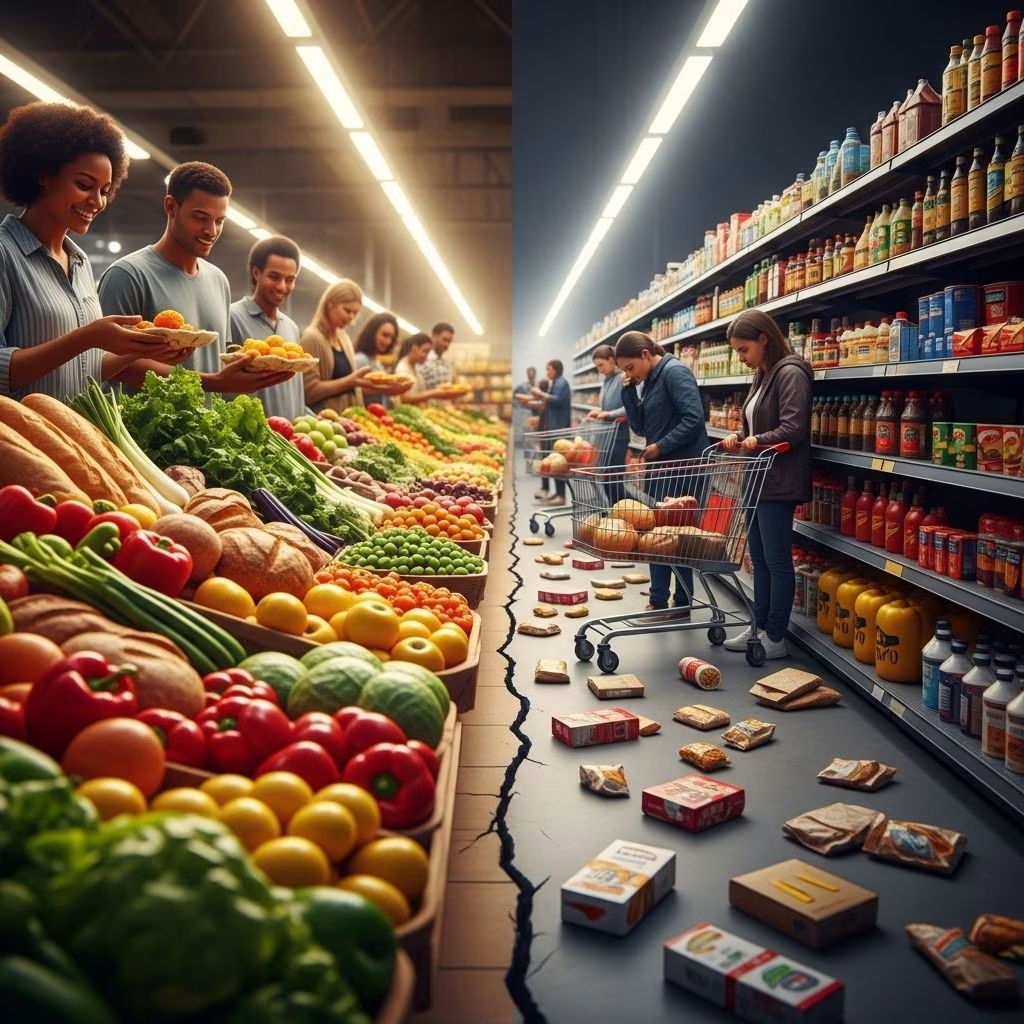
Food apartheid is a term coined by food activist Karen Washington to describe the structural inequities, rooted in racism and classism, that create and maintain unequal access to healthy, affordable food across communities. Unlike terms such as “food desert” or “food swamp,” which imply these conditions are natural or accidental, food apartheid recognizes the deliberate, historic, and ongoing social, economic, and political forces shaping food systems—especially at the expense of Black, Indigenous, and other marginalized communities.
Why “Food Apartheid” and Not “Food Desert”?
- Intentional framing: “Desert” and “swamp” evoke images of natural phenomena. By contrast, “apartheid” names a human-made system of segregation and oppression.
- Highlights systemic roots: The term forces attention on policies, historical practices, and socioeconomic decisions—such as redlining, segregational zoning, and discriminatory investment—which have shaped neighborhood food environments.
- Centers racial justice: Food apartheid directly connects food inequity to broader patterns of structural racism, rather than suggesting localized market failure or consumer choices.
Food apartheid thus pushes us to look beyond mere geography or proximity to grocery stores, demanding we confront the political, cultural, and economic landscapes that produce food inequities in the first place.
The Roots of Food Apartheid
Understanding food apartheid requires examining its deep policy and historical origins:
- Residential segregation: Decades of redlining, racist zoning laws, and predatory mortgage practices concentrated Black and Brown families in disinvested neighborhoods, limiting both home ownership and wealth-building opportunities.
- Supermarket “flight”: Markets, incentivized by government loans and ease of doing business, moved to wealthier suburban areas, leaving urban and rural neighborhoods under-served.
- Persistent commercial scarcity: Costly legal and economic barriers have deterred large grocers—and healthier food options—from establishing in lower-income, urban communities.
- Victim blaming and cultural erasure: Policy-makers have often blamed marginalized residents for unhealthy purchasing choices, overlooking how systemic neglect and marketing shape those options.
Together, these forces have designed a food system that delivers fresh, nutritious food to some, while flooding many Black, Indigenous, and low-income communities with cheap, highly processed, and unhealthy options.
Key Mechanisms That Sustain Food Apartheid
- Zoning and land use policies prevent Black and Brown communities from establishing urban gardens or food co-ops, reinforcing historical patterns of exclusion.
- Government subsidies favor industrial agriculture—primarily corn and soy production—while fruit and vegetable farmers (often of color) face barriers accessing capital and land.
- Retail and market discrimination: Supermarket redlining and a preference for more affluent clientele restrict market entry in communities most in need.
- Marketing practices: Fast food chains and junk food manufacturers heavily advertise in low-income and BIPOC neighborhoods, influencing dietary preferences and long-term health.
The Impact of Food Apartheid
Food apartheid has cascading effects on every aspect of life for affected communities:
- Health disparities: People living under food apartheid face higher rates of chronic illnesses linked to poor diet, such as obesity, diabetes, hypertension, and heart disease. Black Americans are 30% more likely to die from heart disease and Latinx people face twice the risk of diabetes complications compared with whites.
- Economic exploitation: The same workers underpaid to grow, harvest, or process food often cannot afford the nutritious produce they help supply. Structural inequities upstream in the food chain perpetuate poverty and poor health for workers and consumers alike.
- Environmental damage: Monoculture farming practices (focused on corn and soy) degrade soil, pollute waterways, and undermine biodiversity, compounding the effects of environmental racism.
- Community trauma: Generational poverty, displacement through gentrification, and lack of culturally relevant food options erode community ties and increase social stress.
Food Apartheid vs. Food Desert: What’s the Difference?
| Term | Meaning | Implication |
|---|---|---|
| Food Desert | Area with limited access to affordable, nutritious food (implies a natural scarcity) | Often treats lack as accidental, focuses mainly on consumer proximity to supermarkets |
| Food Apartheid | Systemic, deliberate racial and economic segregation of food access | Names structural, policy-driven inequities and calls for justice and systemic change |
In summary, food apartheid is preferred by many food justice advocates because it recognizes the role of power, politics, and racial injustice, while “food desert” risks obscuring these critical factors.
Consequences for Health and Wellbeing
Long-term food apartheid shapes individuals and families in profound ways:
- Frequent diet-related illnesses: People in food apartheid zones are more likely to develop obesity, diabetes, metabolic syndrome, and hypertension, due to overconsumption of highly processed, shelf-stable foods.
- Shorter lifespans, generational poverty: Poor nutrition and chronic disease compound pre-existing inequities, contributing to shorter life expectancy and cycles of poverty.
- Mental health toll: The daily stresses of financial insecurity, social marginalization, and lack of opportunity impact mental health and overall wellbeing.
How Communities Experience Food Apartheid
Food apartheid manifests at the local level through:
- Scarcity of full-service supermarkets and overabundance of fast-food outlets, liquor stores, and convenience shops
- Physical barriers: Infrastructural neglect (e.g., lack of public transit) further isolates residents from better food options.
- Gentrification: Urban revitalization efforts can displace long-term residents, increasing landlord control while eroding neighborhood ties.
- Worker exploitation: Agricultural, processing, and retail jobs often pay below-living wages, with dangerous working conditions disproportionately affecting immigrants and people of color.
Who Benefits from Food Apartheid?
- Corporate agribusiness: Large farm owners and industrial food processors earn large profits by underpaying workers and cutting costs via monoculture and mass production.
- Retail giants: Supermarkets and distributors often extract substantial profits from marginalized communities, while investing minimally and avoiding meaningful engagement
- Pharmaceutical industry: Health problems exacerbated by poor diet drive up reliance on medications, feeding profits for medical and insurance sectors.
The cyclical nature of this exploitation means the same forces causing food insecurity collect economic benefits while reinforcing community vulnerability.
Challenging Food Apartheid: From Oppression to Community Resilience
Despite these challenges, communities living under food apartheid are not passive victims. They are sources of innovation, resistance, and healing. Solutions arise from community organizing, cultural survival, and food sovereignty:
- Urban farming and community gardens: Reclaiming vacant lots for local food production increases healthy food access and builds neighborhood solidarity.
- Food co-operatives and mutual aid: Shared ownership and collective distribution foster empowerment.
- Advocacy for policy reform: Groups across the country fight for fair zoning, land access, SNAP (Supplemental Nutrition Assistance Program) improvements, and protections for migrant farmworkers.
- Cultural foodways: Efforts to reconnect Black, Indigenous, and immigrant communities with traditional crops and cuisines sustain both bodies and spirits.
What Can Individuals and Society Do?
- Support local producers: Buy from farmers markets, urban farms, and businesses owned by people of color.
- Advocate for just policies: Petition for fair land use laws, better wages for food workers, and ending supermarket redlining.
- Educate about roots of inequity: Shift conversations from blaming individuals to exposing structural forces shaping food access.
- Invest in community power: Fund grassroots efforts that are led by and accountable to impacted communities.
Frequently Asked Questions (FAQs)
Q: How is food apartheid different from food insecurity?
A: Food insecurity refers to the lack of reliable access to enough affordable, nutritious food. Food apartheid describes the historical and social structures that create this lack—emphasizing systemic causes rather than just individual circumstance.
Q: Can improving supermarket access eliminate food apartheid?
A: While bringing supermarkets to underserved areas may help, food apartheid will persist without tackling discriminatory policies, wealth inequities, worker exploitation, and cultural erasure at the root of systemic injustice.
Q: Who coined the term “food apartheid”?
A: Karen Washington, a renowned Black farmer and activist, is credited with popularizing the term to encourage a more holistic, justice-oriented view of food system inequality.
Q: What role do government policies play?
A: Government policies have historically contributed to food apartheid by enabling redlining, subsidizing industrial agriculture, and underfunding supportive services—prompting calls for comprehensive policy change.
Q: What are the first steps to dismantling food apartheid?
A: Recognizing the issue, supporting local, community-led solutions, advocating for policy change, and shifting resources to food justice organizations are fundamental steps toward systemic transformation.
References
- https://www.climatejusticecenter.org/newsletter/food-apartheid-explained
- https://groundedgrub.com/articles/deep-dive-food-apartheid
- https://straydoginstitute.org/food-apartheid/
- https://seas.umich.edu/news/food-desert-vs-food-apartheid-which-term-best-describes-disparities-food-access
- https://www.rmpbs.org/blogs/rocky-mountain-pbs/food-deserts-colorado-springs
- https://harvardpolitics.com/food-apartheid-boston-2/
- https://pmc.ncbi.nlm.nih.gov/articles/PMC11253559/