For centuries, the cast iron skillet has been a cornerstone of kitchen excellence. With unmatched durability, outstanding cooking performance, and eco-friendly qualities, it presents a compelling alternative to modern nonstick and stainless steel pans. If you’re seeking cookware that aligns with a sustainable lifestyle, elevates your cooking, and even benefits your health, the classic cast iron pan may be exactly what your kitchen needs.
The Enduring Appeal of Cast Iron
Cast iron cookware is revered for its timelessness and reliability. Generations of cooks have relied on the same pan, often passing it down as a treasured family heirloom. The reason? A well-seasoned cast iron skillet actually gets better with age.
- Longevity: With proper care, cast iron cookware can last for several lifetimes.
- Performance: Cast iron provides even heat distribution and unparalleled heat retention, perfect for searing, frying, roasting, baking, and more.
- Natural Nonstick Surface: Over time, the seasoning process develops a slick coating—without synthetic chemicals.
Unlike nonstick pans, which lose performance and need replacing every few years, cast iron’s performance improves with regular use and care.
Why Replace Nonstick with Cast Iron?
Modern nonstick pans are often made with polytetrafluoroethylene (PTFE, known as Teflon) and chemicals like perfluorooctanoic acid (PFOA) or PFAS. These substances bring risks when overheated, including fumes and residues linked to health concerns such as hormonal disruption and increased cancer risk.
- No Harmful Chemicals: Cast iron contains only iron—no synthetic coatings that can degrade and contaminate food.
- High Heat Cooking: Cast iron can handle any cooking temperature, from low simmers to high-temperature searing, without breakdown.
- Safe Cooking for All Foods: Even acidic ingredients may increase iron content but don’t release artificial compounds.
For those aiming to reduce exposure to toxic chemicals in cookware, cast iron stands out as the healthiest and safest option.
How Cast Iron Supports Mindfulness and Well-Being
Caring for a cast iron pan is a rewarding ritual. The act of seasoning—cleaning, oiling, and heating the pan—becomes more than maintenance. It’s a mindful, focused process that can bring a sense of relaxation and accomplishment to daily life. Studies have shown that such repetitive, hands-on tasks promote mindfulness, alleviate stress, and foster a sense of connection with your kitchen and food.
A Sustainable Choice: Environmental Benefits of Cast Iron
The durability and simplicity of cast iron cookware contribute significantly to a greener lifestyle:
- Reduces Waste: A single cast iron pan can last generations, cutting down on replacement waste.
- Resource Efficiency: With minimal need for manufacturing replacements, cast iron reduces the environmental footprint of kitchenware.
- Minimal Packaging: Cast iron pans, especially vintage, come with little or no packaging and demand fewer resources in overall lifecycle.
Choosing cast iron over disposable, coated pans helps lower your household’s environmental impact for decades to come.
Cooking Versatility: What Can a Cast Iron Pan Do?
Perhaps the most compelling reason to keep a cast iron pan within arm’s reach is its incredible versatility:
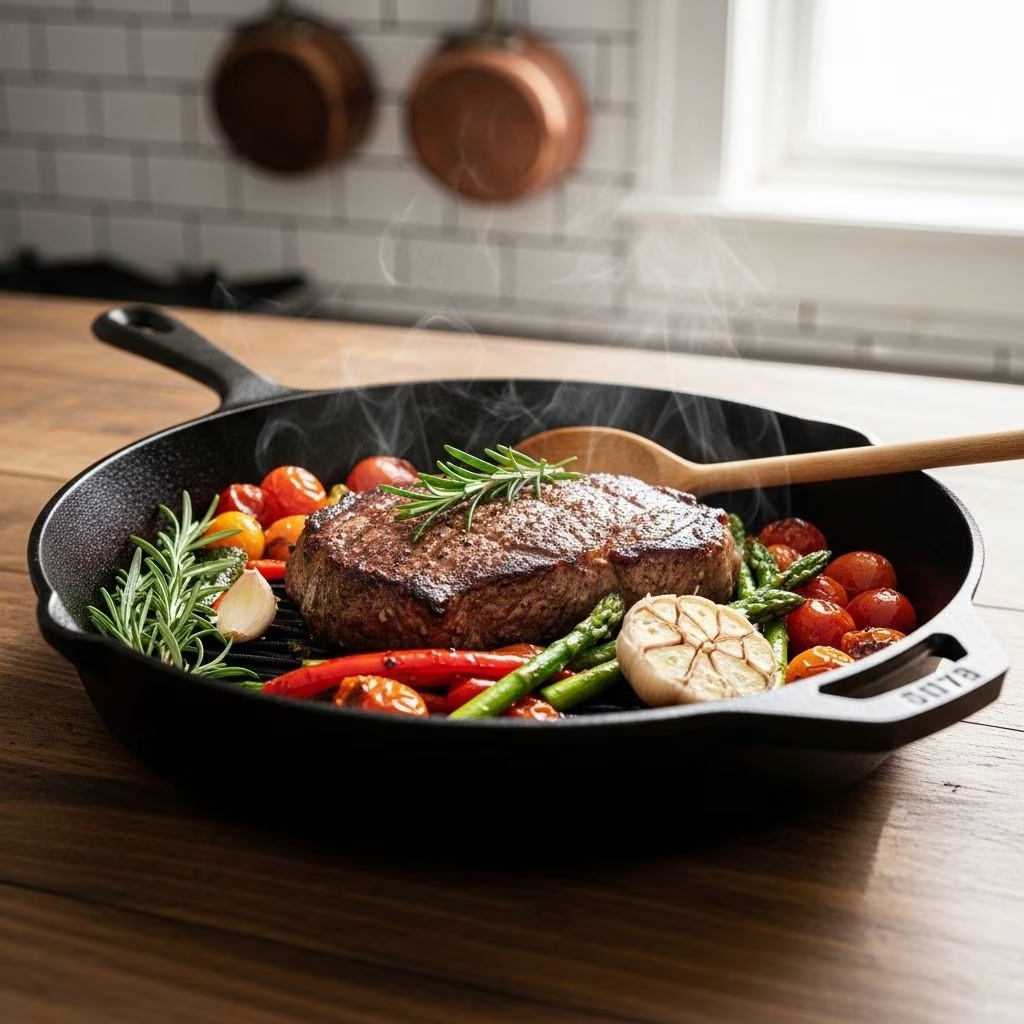
- Sear steaks or vegetables to perfect caramelization thanks to intense heat retention.
- Bake breads, cakes, or even pizza right in the pan.
- Roast meats and vegetables, either on the stove or straight in the oven.
- Fry eggs or pancakes on a naturally nonstick surface.
- Sauté onions and garlic for flavorful stews and curries.
- Simmer tomato sauces, stews, or soups, benefiting from steady, even heat.
One pan, endless possibilities. Unlike single-purpose nonstick pans, cast iron adapts to nearly every cooking challenge.
How to Season a Cast Iron Pan the Right Way
Seasoning is the foundation of cast iron care. It’s a simple process, and the more you do it, the better your pan performs.
- Wash: Scrub your new cast iron pan with hot, soapy water. This is the only time soap is recommended.
- Dry Thoroughly: Wipe the pan dry with a towel. A little towel discoloration is normal.
- Oil: Apply a thin coating of neutral vegetable oil or melted shortening to the entire surface (inside and out).
- Heat: Preheat your oven to 350°F (175°C). Place the pan upside down on the oven’s top rack and a foil-lined baking sheet beneath it to catch drips.
- Bake: Bake for one hour, then turn off the oven and allow the pan to cool inside.A sheen will develop—this is your nonstick coating!
This “season” protects against rust, increases nonstick properties, and locks in flavor over time.
Daily Cast Iron Care: Cleaning, Storing, and Maintaining
Maintaining a cast iron pan is straightforward and becomes second nature with regular use:
- No Soap Needed: Normally, stick to hot water and a plastic scrub brush after cooking. Soap can strip away the seasoning.
- Dry Immediately: Avoid rust by drying with a towel right after washing. Some prefer to briefly warm the pan on the stovetop to ensure dryness.
- Re-Season Lightly: Wipe the surface with a tiny amount of oil before storing, especially after cleaning.
- No Lids: Store the pan uncovered to allow air flow and prevent trapped moisture.
With these quick habits, your cast iron will remain slick, resilient, and rust-free for decades.
Health Benefits: Cooking and Iron Intake
Cooking in cast iron does more than avoid harmful nonstick chemicals—it can actually benefit your health. Scientific studies show that cooking acidic and moist foods in cast iron (like tomato sauce or chili) can slightly increase the iron content of your meal. This is especially beneficial for people with iron deficiency or anemia.
Note: Those with conditions leading to excess iron (like hemochromatosis) should consult a doctor before regular use..
| Feature | Cast Iron Pan | Nonstick Pan |
|---|---|---|
| Longevity | Can last for generations | Generally 1-5 years |
| Chemical Safety | No synthetic coatings | May contain PTFE, PFOA, PFAS |
| Temperature Tolerance | Very high heat—no risk | Risks over 500°F (260°C) |
| Maintenance | Needs seasoning, but easy | Does not require seasoning |
| Health Benefits | Can boost dietary iron | No health benefits |
| Eco-Friendliness | Highly sustainable | Frequent disposal needed |
Common Myths and Misconceptions
- Myth: Cast iron is hard to care for.
Reality: With daily use, maintenance becomes effortless and rewarding. - Myth: Cast iron is only for frying.
Reality: It’s suitable for baking, roasting, grilling, braising, and more. - Myth: Soap ruins cast iron.
Reality: Occasional soapy cleaning is fine, as long as you promptly re-season the pan.
Upcycling: The Eco-Friendly Bonus of Secondhand Cast Iron
Found an old, rusty skillet at a thrift store or flea market? With a little time and patience, even the most neglected cast iron pans can be restored to their original glory. Stripping off rust and re-seasoning transforms waste into a prized kitchen tool that continues its lifecycle, further reducing environmental impact.
Frequently Asked Questions (FAQs)
Q: Can I use soap on my cast iron pan?
A: Yes, occasional use of mild soap is safe—especially if you plan to re-season afterwards. Regularly, just hot water and a plastic brush are best for maintaining seasoning.
Q: Why does my cast iron pan become sticky?
A: Sticky residue can occur from applying too much oil during seasoning or not heating it long enough. Thin, even oil layers and proper baking help prevent this.
Q: Will acidic foods damage my pan?
A: Prolonged exposure to highly acidic foods in a new pan may wear down the seasoning, but a well-seasoned pan handles them fine and can even boost dietary iron content.
Q: How do I remove rust from cast iron?
A: Scrub the affected area with steel wool or a stiff brush, rinse, dry thoroughly, and re-season. Persistent rust can be treated with a vinegar-water soak before scrubbing.
Q: Is cast iron heavy to handle?
A: Yes, cast iron is weightier than most pans. However, many find the heft manageable and appreciate its stability during cooking.
Tips for Getting Started with Cast Iron
- Start with a medium-sized skillet (10-12 inches) for daily versatility.
- Buy from reputable brands or reclaim vintage pans for quality and sustainability.
- Don’t stress about perfection—each use and seasoning makes your pan better.
- Embrace the unique patina your pan develops: it’s a sign of love and regular use.
The Cast Iron Pan: A Kitchen Essential for Life
Countless professional chefs and home cooks praise the humble cast iron pan as their most reliable and beloved kitchen tool. With remarkable durability, practical health and environmental benefits, and the ability to cook nearly anything, it’s clear that cast iron earns its place as a kitchen essential for anyone seeking quality, sustainability, and beauty in simple things.
References
- https://recipes.howstuffworks.com/cook-with-cast-iron.htm
- https://tangieco.com/blog/what-cast-iron-pans-did-to-my-brain/
- http://houstonwilderness.org/s/Final-HW-RCP-Policy-paper-on-Regional-Carbon-Sequestration-Feb-2020.pdf
- https://pmc.ncbi.nlm.nih.gov/articles/PMC9885455/
- https://home.howstuffworks.com/home-improvement/household-hints-tips/cleaning-organizing/how-to-clean-cast-iron.htm
- https://blog.londolozi.com/2017/06/04/how-trees-heal-people/
- https://pmc.ncbi.nlm.nih.gov/articles/PMC12372215/
- https://www.internationaloaksociety.org/sites/default/files/files/oak_news/IOS%20Newsletter%202015-1.pdf