


Why Peat Bogs Matter
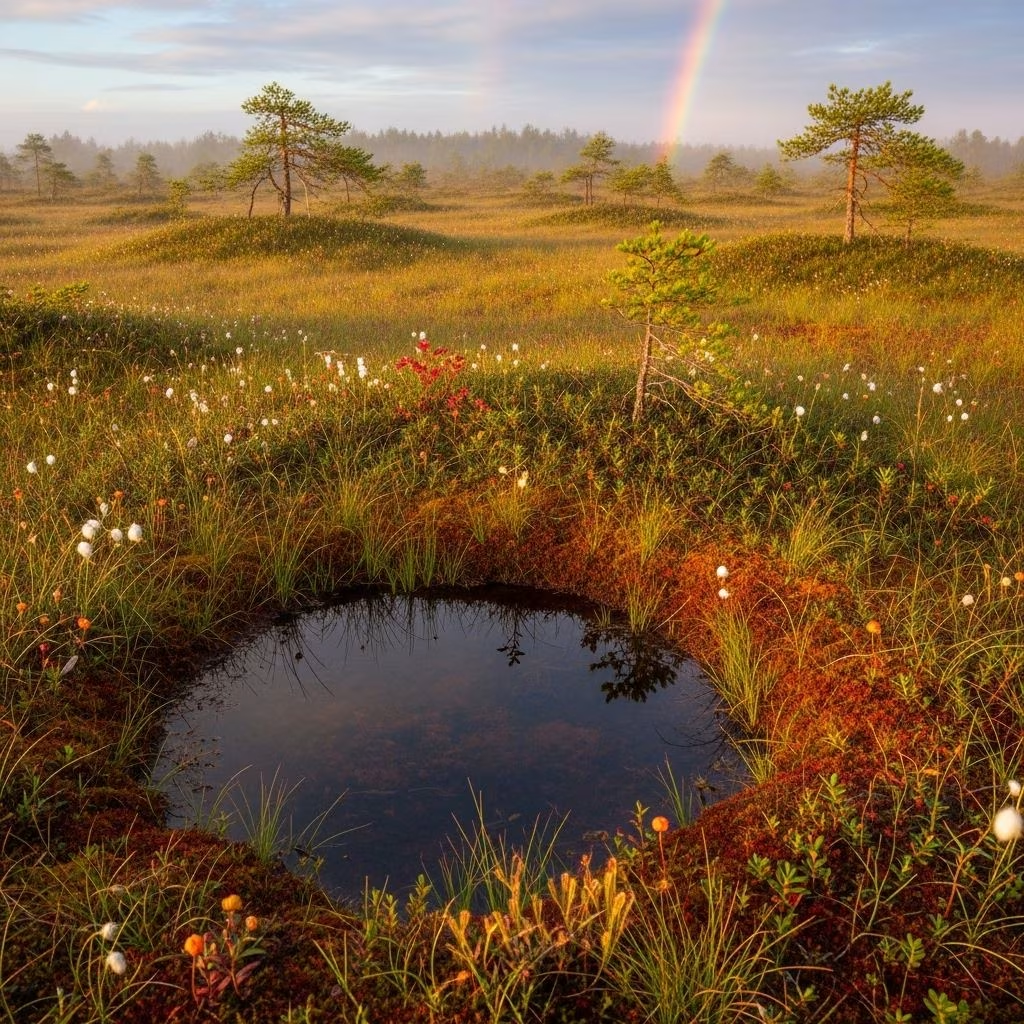
Often overlooked, peat bogs rank among the world’s most valuable ecosystems. These permanently waterlogged lands, formed over thousands of years by slow accumulation of partially decayed plant material, are critical to the health of the planet. Bogs—also known as peatlands—sequester vast amounts of carbon, support astonishing biodiversity, prevent flooding, filter water, and offer sanctuary for rare and endangered species. Understanding why peat bogs matter is the first step in safeguarding their future.
What Is a Peat Bog?
Peat bogs are a type of wetland defined by constantly saturated soil and the accumulation of peat—a dense, sponge-like layer of partially decomposed plants, primarily mosses like sphagnum. As vegetation dies, it fails to fully decompose under these anoxic (oxygen-poor) conditions, layering into peat over centuries.
- Peat forms extremely slowly, just one millimeter per year on average.
- Bogs often appear as spongy, flat landscapes dominated by mosses, sedges, and unique flora.
- Variants include fens (fed by groundwater) and raised bogs (rain-fed).
The Importance of Peatlands: Carbon Champions
Peatlands cover about 3% of the Earth’s land surface, yet they store nearly a third of global soil carbon—more per unit area than any other ecosystem, including tropical rainforests. This makes peat bogs critical carbon sinks in the fight against climate change.
- Just one square meter of Canadian peatland stores five times the carbon as a square meter of Amazon rainforest.
- Globally, peat bogs hold an estimated 550 gigatons of carbon.
- When peatlands are damaged or drained, they release large amounts of carbon dioxide and methane—potent greenhouse gases—into the atmosphere.
Climate Regulation
Healthy peat bogs act as buffers against climate volatility:
- Carbon sequestration: Locked carbon in peat is kept out of the atmosphere for millennia.
- Climate stabilization: Restoring peatlands helps to mitigate climate change and offset carbon-emitting land uses.
- Flood mitigation: Peat bogs absorb excess rainwater, reducing flood damage during extreme weather events.
Biodiversity Hotspots
Peat bogs are unique habitats supporting a wealth of plant, insect, and animal species found nowhere else.
- Rare birds such as red-throated divers, lapwings, and skylarks breed in bogs.
- Carnivorous plants: Sundews and bladderworts have evolved to trap insects, supplementing nutrients in nutrient-poor soils.
- Invertebrates and butterflies: The large heath butterfly and dragonflies are bog specialists.
- Mammals and reptiles: Peat bogs provide food and shelter for species like woodland caribou, red wolves, and even Massasauga rattlesnakes.
Plant Diversity of Bogs
| Common Name | Ecological Role | Unique Adaptations |
|---|---|---|
| Sphagnum Moss | Peat creation, water retention | Spongy structure absorbs and holds water |
| Sundew | Carnivorous plant, insect control | Sticky tentacles capture prey |
| Bog Rosemary | Ground cover | Tolerant of nutrient-poor, acidic soils |
| Cranberry | Fruit production, wildlife food | Thrives in saturated environments |
| Bog Cotton | Host plant for caterpillars | Woolly seed heads assist dispersal |
Peat Bogs and Water Management
Peat bogs play several important roles in regulating local and regional water cycles:
- Water purification: Slow movement through peat naturally filters pollutants, improving downstream water quality.
- Flood prevention: Acting as natural sponges, bogs buffer against heavy rainfall, holding water and releasing it gradually.
- Supporting aquifers: Bogs maintain regional water tables and can feed surrounding surface waters.
Peatlands in Action: Case Studies
- Sibbald mountain fen, Alberta: Retained floodwater during the historic 2013 floods, minimizing downstream devastation.
- Kielder Forest, England: 55 peat bogs make up the Border Mires, vital not just for peat but for diverse flora and fauna.
- Central Congo: The world’s largest tropical peatland storing billions of tons of carbon discovered in 2017.
Threats to Peat Bogs
Despite their value, peat bogs face numerous risks from human activities and climate change:
- Draining for agriculture and development: Lowering water tables releases stored carbon and destroys peat-forming mosses.
- Peat extraction: Harvesting for fuel, horticulture, and gardening depletes bogs and emits greenhouse gases.
- Afforestation: Tree planting on bogs dries soils and alters habitat, sometimes making them unsuitable for bog species.
- Wildfire: Dry peat is highly flammable, and fires can smolder underground, releasing massive emissions.
- Climate change: Altered precipitation patterns and warming lead to drying and further degradation.
Global Losses
In some regions, notably the UK, more than 80% of peatland habitats have been lost or damaged—primarily due to drainage, development, and inappropriate land management. The loss of peat bogs accelerates biodiversity loss and climate change, creating a dangerous feedback loop.
Restoring Peatlands: A Urgent Task
The degradation of peat bogs is not wholly irreversible. Restoration is both possible and essential:
- Blocking drainage ditches raises water tables and allows sphagnum moss and other peatland plants to return.
- Removing trees or invasive species can revive natural bog conditions.
- Rewetting peatlands quickly reduces carbon emissions and restarts peat accumulation.
- Community and expert engagement: Restoration often involves government, conservationists, local communities, and scientists working together.
- Policy action: National and international measures are needed for sustainable management, protection, and funding.
Successful Restoration Example: Border Mires, Kielder Forest
Recovery of England’s largest bog complex has involved:
- Decades spent removing non-native trees.
- Blocking drains to restore high water levels.
- Recolonization by sphagnum moss, bog rosemary, sundews, and rare butterflies.
- Designation as Sites of Special Scientific Interest and National Nature Reserve.
Surprising Services from Peat Bogs
- Wildfire mitigation: Waterlogged peat prevents wildfires from spreading rapidly.
- Rare refuges: Bogs provide safety and den sites for endangered animals like caribou and Massasauga rattlesnakes.
- Habitat for reintroduction: Peatlands are crucial for recovery of critically endangered species such as the red wolf.
- High-elevation bogs: In the Rocky Mountains, rare fens at high elevations support unique species and ecological processes.
What You Can Do for Peat Bogs
- Support conservation and restoration projects in your area or globally.
- Buy peat-free products for gardening or landscaping; alternatives include coconut coir, composted bark, and wood fiber.
- Advocate for policies protecting wetland habitats and regulating land use.
- Educate others on the value of peat bog ecosystems.
Bogs in Popular Culture and History
Peat bogs have featured in folklore and science because of their mysterious nature and their ability to preserve organic material. Famous bog bodies, unearthed after centuries in the acidic, cold, and anoxic peat, provide glimpses into ancient civilizations. Bogs have also inspired literature, art, and conservation movements across Europe and North America.
Frequently Asked Questions (FAQs)
Q: How long does it take to form a peat bog?
A: Peat accumulates very slowly, often less than 1 millimeter per year, so mature bogs can be thousands of years old.
Q: Do peat bogs only occur in cold climates?
A: No. Bogs and other peatlands can be found in tropical regions (like the Central Congo), temperate climates, and high mountain elevations.
Q: Can damaged peat bogs be restored?
A: Yes. By rewetting and restoring vegetation, peatlands can recover, revive their ecosystem functions, and begin sequestering carbon again.
Q: What’s the difference between a bog and a fen?
A: Bogs are rain-fed and very acidic, while fens receive nutrients from ground or surface water, often hosting greater plant diversity.
Q: Why are sundews important in bogs?
A: Sundews are carnivorous plants that help control insect populations and thrive in nutrient-poor peat bog conditions.
Conclusion: Peat Bogs—Nature’s Unsung Heroes
Peat bogs are irreplaceable allies in the fight against climate change, biodiversity loss, and water crises. Their preservation and restoration are among the most impactful environmental actions available. As ancient yet fragile landscapes, peat bogs deserve our attention, care, and respect.
References
- https://forestryandland.gov.scot/what-we-do/biodiversity-and-conservation/peatlands
- https://www.forestryengland.uk/blog/protecting-peatlands
- https://e360.yale.edu/features/why-saving-worlds-peatlands-can-help-stabilize-the-climate
- https://friendsoftheearth.uk/climate/why-peat-good-climate-and-nature
- https://www.plymouth.ac.uk/discover/why-are-peatlands-important


