


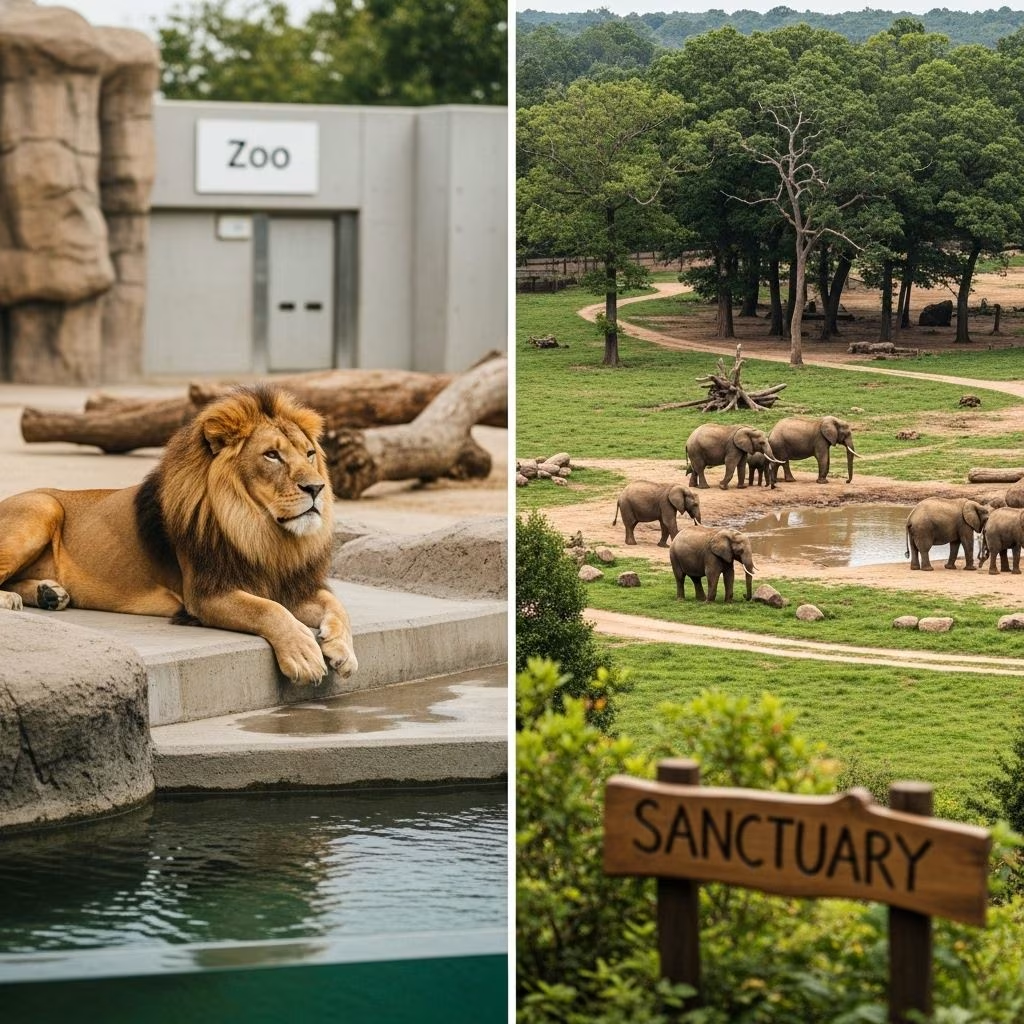
Zoo vs. Sanctuary: Understanding the Key Differences in Animal Care
At first glance, zoos and animal sanctuaries both house animals, offer opportunities for public engagement, and claim missions of conservation or education. Yet, their underlying philosophies, day-to-day operations, and treatment of animals are fundamentally different. This article explores the crucial distinctions between zoos and sanctuaries, providing a comprehensive look at their goals, ethical approaches, species management, public access, and impacts on animal welfare. By understanding these differences, individuals can make more informed decisions about supporting organizations that align with their values regarding compassionate and ethical animal care.
Definitions: What Are Zoos and Sanctuaries?
Zoos are facilities that house and exhibit animals, typically open to the public and operated for recreation, education, or conservation. Zoos display animals in enclosures that range from traditional cages to more modern, naturalistic habitats. Their primary purpose is to provide public entertainment and education, often prioritizing visitor engagement and revenue generation.
Animal sanctuaries are non-profit organizations offering lifelong homes to animals rescued from abuse, abandonment, neglect, or exploitation. Sanctuaries prioritize animal welfare above all else, providing environments that allow animals to live as naturally and comfortably as possible, without breeding, trading, or selling for profit. Public access to sanctuaries is often limited, and educational efforts focus on advocacy and respect rather than entertainment.
| Characteristic | Zoo | Sanctuary |
|---|---|---|
| Primary Mission | Entertain & educate the public | Rescue & rehabilitate animals |
| Animal Source | Captive-bred or acquired, often for display | Rescued from abuse, neglect, or abandonment |
| Breeding | Often breed animals for exhibit | No breeding, focuses on care |
| Profit Motivation | For-profit or government-run, revenue-driven | Non-profit, donation-funded |
| Public Access | Open, high visitor traffic | Limited, controlled educational access |
Missions and Philosophies
The difference in philosophy is stark. Zoos see animals as resources for recreation, marketing, and education. They often showcase exotic species as attractions, competing for novelty and increased ticket sales. While modern zoos may engage in conservation programming, this is usually wrapped in the broader context of public entertainment.
Sanctuaries, by contrast, prioritize ethical care, rehabilitation, and retiring animals from exploitative situations. Their mission rarely includes breeding or trading animals. Instead, sanctuaries focus on animal physical, psychological, and emotional well-being.
- Zoos: Primary goals are public attraction, education, revenue generation, and at times scientific research.
- Sanctuaries: Focus on rescue, rehabilitation, long-term care, and advocating for animal rights and welfare.
For example, cows rescued from industrial farms live out their days grazing freely in sanctuaries, forming social bonds and enjoying natural diets, unlike the confined environments of zoos.
Animal Care and Welfare Standards
The quality of animal care varies dramatically between zoos and sanctuaries. While both are subject to minimum welfare regulations like the Animal Welfare Act, sanctuaries generally exceed these standards by offering more space and prioritizing psychological well-being.
- Sanctuaries: Animals enjoy large, naturalistic habitats, opportunities for natural behaviors, and enrichment activities tailored to individual needs. Veterinary care is prioritized, trauma is addressed, and stressful public exposure is minimized.
- Zoos: Enclosures may simulate natural habitats, but space is often restricted, and diets may not be authentic. The focus can drift to visual aesthetics and easy observation rather than genuine welfare. Animals are at times bred or acquired for display purposes, and older or unprofitable animals may be euthanized.
Sanctuaries represent a “gold standard” in welfare: animals heal from past hardships, their emotional and physical needs are at the forefront. Zoos often struggle to balance animal welfare against financial imperatives and public demand for entertainment.
Species Management: Rescue vs. Breeding
Species management and population strategies differ profoundly between the two institution types.
- Sanctuaries: Do not breed, buy, sell, or trade animals. Residents are rescued from harmful backgrounds, like captivity, exploitation, or lack of survival skills in the wild.
- Zoos: Often run breeding programs to sustain animal populations for display, sometimes participating in species survival plans, especially for endangered animals. However, these efforts are controversial, as critics argue that reintroducing captive-bred animals into the wild is rare and that money would be better spent preserving wild habitats.
Sanctuaries focus on individual animal stories—rehabilitating those who cannot survive in the wild due to disability, age, or prior human interference. Zoos pursue population maintenance and exhibit turnover as priorities.
Visitor Experience and Public Access
From the visitor’s perspective, zoos and sanctuaries offer radically different environments and access protocols.
- Zoos: Designed for mass attendance; open daily, wide pathways, frequent close-up views of animals. Human interaction is maximized, and entertainment is prioritized.
- Sanctuaries: Visitor access is restricted, often by guided tours or elevated walkways that minimize disturbance. Sanctuaries emphasize respectful observation, education, and limited human-animal contact.
At sanctuaries, public interaction with animals is discouraged, protecting animals from stress and allowing them to live freely. Zoos may allow physical contact, feeding, or petting in some cases, which can undermine animal welfare.
Conservation, Education, and Advocacy
Both zoos and sanctuaries claim missions related to conservation and education, but their approaches and outcomes diverge:
- Zoos: Support conservation projects, breed endangered species, and participate in research. Yet, critics argue captivity rarely results in meaningful reintroduction to the wild, and that education is sometimes superficial, focused on entertainment rather than true understanding.
- Sanctuaries: Advocate for animal rights, oppose exploitation, model ethical alternatives, and educate about the realities of captivity. Sanctuaries may release animals back to the wild when possible, prioritizing rehabilitation over display.
Increasingly, animal welfare advocates argue that sanctuaries are a more ethical choice for supporting conservation—prioritizing education about natural behaviors and the impacts of captivity, over simply showing animals behind glass.
Ethical Dilemmas and Controversies
The debate between supporting zoos versus sanctuaries is rife with ethical complexity. Zoo supporters cite their role in awareness, conservation, and funding vital research. Critics focus on the discomfort, boredom, and suffering animals may endure in captivity, often for the sake of profit and entertainment. Sanctuaries face challenges of funding, space, and the difficulty in re-releasing animals, but their mission is rooted in minimizing exploitation and suffering.
Some controversy surrounds both: recent events at sanctuaries, where animals have been euthanized due to health or facility limitations, highlight the practical challenges of animal retirement and care. Zoos face criticism for prioritizing “cute” animals, high turnover, and for supporting breeding programs that may not truly benefit endangered species long-term.
Choosing Ethical Animal Experiences
An informed choice between zoos and sanctuaries comes down to alignment with the philosophy of animal welfare, ethical treatment, and long-term impact. Consider these tips for ethical animal experiences:
- Support organizations with transparent missions focused on rescue, rehabilitation, and advocacy—not entertainment.
- Look for sanctuaries that limit breeding and trading, provide large, natural habitats, and prioritize emotional as well as physical wellbeing.
- Question educational claims: Is information accurate, species-focused, and free from marketing spin?
- Ask about protocols: Does the organization discourage touching, feeding, or unnatural displays of animal behavior?
Real animal sanctuaries never breed, buy, sell, or trade animals, rarely allow touching, and always prioritize animal needs over human convenience or entertainment. By understanding these distinctions, you can help shift public support toward organizations that truly put animals first.
Frequently Asked Questions (FAQs)
Q: What is the main difference between a zoo and a sanctuary?
A: Zoos exist to entertain and educate the public by displaying animals, often bred or acquired for exhibits, whereas sanctuaries focus on rescuing, rehabilitating, and caring for animals without breeding or displaying for profit.
Q: Can animals from sanctuaries be released back into the wild?
A: While some sanctuaries do rehabilitate and release animals, many residents are too injured, disabled, or lack survival skills. Sanctuary care provides a lifelong alternative to captivity or euthanasia.
Q: Do all zoos breed animals for display?
A: Most zoos participate in breeding programs to maintain populations and exhibit variety. These programs are sometimes justified by conservation claims but often prioritize attracting visitors.
Q: Are sanctuaries regulated by law?
A: Sanctuaries must comply with local and federal animal welfare laws, but private sanctuaries not open to the public may face fewer regulations. Ethical sanctuaries follow strict standards for habitat, care, and veterinary support.
Q: Is public interaction with animals allowed in sanctuaries?
A: Genuine sanctuaries restrict public interaction to protect animal welfare. Tours are guided, and contact with animals is minimized or prohibited.
Q: Do sanctuaries and zoos work together?
A: Collaboration is rare due to differing philosophies; however, some animals may be transferred from zoos to sanctuaries when they can no longer be exhibited or bred.
Final Thoughts
The contrast between zoos and sanctuaries reveals a spectrum of ethical standards, care philosophies, and impacts on individual animals. As society grows more conscious of animal welfare and rights, the preference is shifting towards sanctuaries—organizations devoted to giving animals the dignity they deserve after trauma or exploitation. By supporting sanctuaries, advocating for authentic education, and questioning entertainment-based captivity, individuals can make positive choices for animal welfare and conservation. Ultimately, making a difference starts with understanding these distinctions and choosing compassion over convenience.
References
- https://www.befriendcows.org/blog/sanctuaries-vs-zoo
- https://frostfund.org/2023/09/25/the-pronounced-differences-between-zoos-and-animal-sanctuaries/
- https://www.youtube.com/watch?v=d8gJzhK6zvI
- https://reflector.uindy.edu/2017/10/11/sancuaries-not-zoos/
- https://www.greenwoodwildlife.org/distinctions-between-zoo-sanctuary-and-wildlife-rehabilitation-centers/
- https://www.petakids.com/save-animals/real-animal-sanctuary-or-zoo/


