5 Simple Exercises to Boost Blood Circulation Instantly
If you often find your hands or feet feeling cold, tingly, or numb, poor blood circulation could be part of the problem. Optimal circulation isn’t just about comfort—it’s crucial for heart health, energy levels, and even wound healing. One of the most effective ways to immediately enhance circulation is through smart, targeted movement. Below, you’ll find five expert-recommended exercises that anyone can do at home, each designed to get your blood moving and support your overall well-being.
Why Circulation Matters
Blood circulation delivers oxygen and nutrients to every cell in your body and helps remove waste products for disposal. Healthy blood flow:
- Reduces fatigue and increases energy
- Helps prevent blood clots and swelling in limbs
- Supports brain health and concentration
- Promotes healing and immune system function
- Contributes to heart and vascular health
Simple exercises activate muscles, pump blood more efficiently, and often also mobilize the lymphatic system, further supporting detoxification and immune defense.
1. Squat-to-Row with Resistance Band
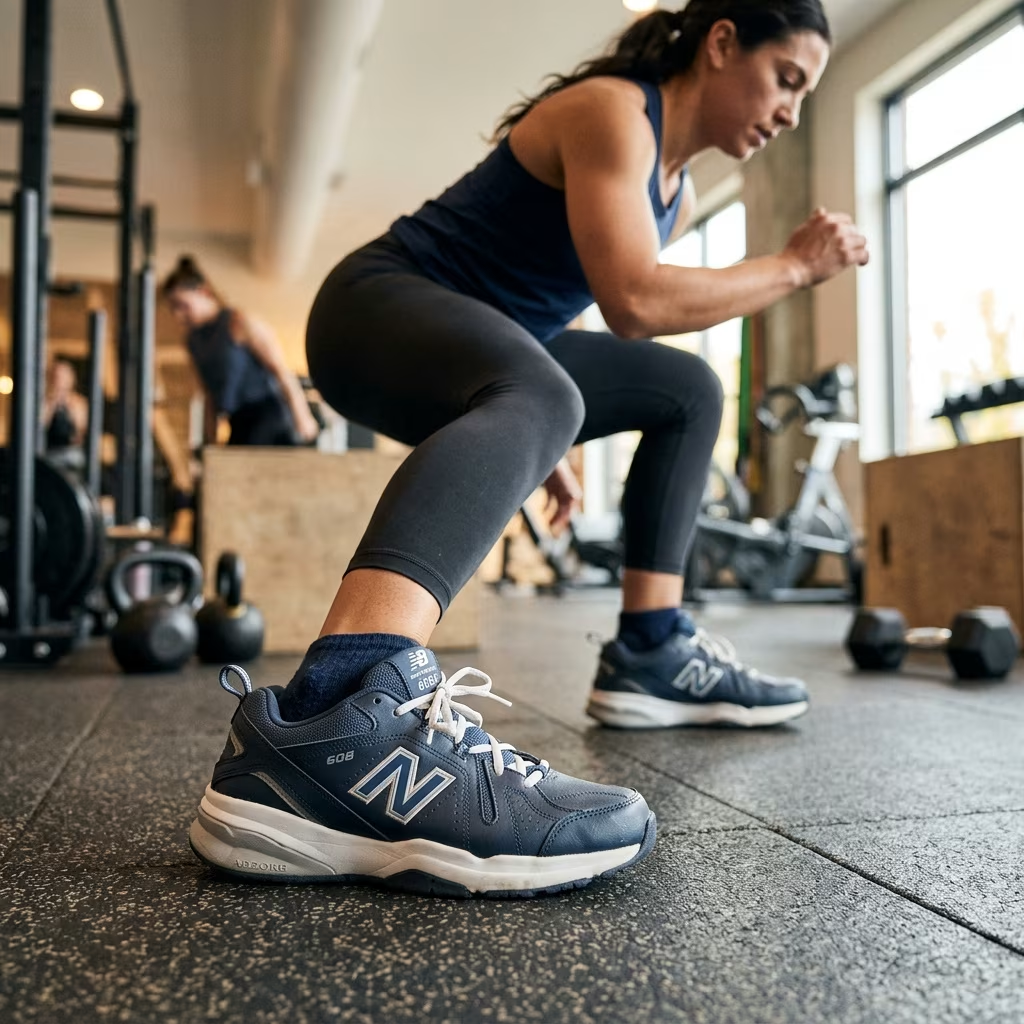
This powerful movement combines leg work (squat) with upper-back pulling (row). Using a resistance band turns it into a hybrid of strength and cardio exercise, getting your heart rate up while also challenging key muscle groups like your hamstrings, glutes, and lats.
How to Do It
- Setup: Secure a resistance band to a fixed object (like a sturdy column or doorknob) at stomach height.
- Hold both ends and take a step back, creating gentle tension in the band. Stand with feet hip-width apart.
- Lower into a squat: push your hips back as if sitting in a chair, arms fully extended forward, keeping your back flat.
- Rise to standing, pulling the band towards your torso, elbows close to your body and squeezing your shoulder blades together.
- Return to starting position and repeat.
- Reps: 3 sets of 10–15 reps
Tip: Focus on explosive upward movement for a cardio boost. Keep your core engaged throughout.
2. Push-Ups
This foundational exercise isn’t just for building upper-body strength. Because push-ups use major muscle groups and raise your heart rate, they double as both cardio and strength work, boosting overall blood flow.
How to Do It
- Position: Start in a plank, hands shoulder-width apart, feet hip-width. Your body should form a straight line from head to heels.
- Bend your elbows, keeping them close or angled out slightly (never flared wide), and lower your chest towards the floor.
- Push back up to plank position.
- Reps: 3 sets of 10–15 reps
Modification: If full push-ups are too challenging, place your hands on an inclined surface such as a bench or countertop. This allows your core to remain engaged and prevents loss of form, which can occur on knees.
Push-ups provide a ‘double-whammy’ by working the arms, chest, shoulders, and core, all while stimulating the cardiovascular system—driving blood to where your muscles need it most.
3. Ankle Pumps
Often overlooked, the ankle pump is crucial for lower leg health, especially if you spend a lot of time sitting or standing. The calf muscle acts as a ‘second heart,’ helping to push blood back up from your lower extremities to your torso and heart. Regular ankle pumping helps combat blood pooling, swelling, and even reduces risk of clots.
How to Do It
- Standing or seated: Keep your feet flat on the floor.
- Raise your heels off the ground, transferring weight onto the balls of your feet, and contract your calf muscles for one second (not too tightly to avoid cramps).
- Lower your heels smoothly; repeat this controlled, up-and-down motion.
- Reps: 3 sets of 20 reps
Tip: Add ankle pumps anytime you’ve been sitting for a while, on long flights, or during desk work to help reduce swelling and stimulate circulation.
4. Diaphragmatic Breathing
This surprisingly potent exercise harnesses the movement of your diaphragm—a large, dome-shaped muscle under your lungs—to pump blood and lymph fluid more efficiently through the body. Deep belly breathing increases oxygen flow, stimulates the lymphatic system, and supports the removal of metabolic waste.
How to Do It
- Lie down on your back in a comfortable position, knees bent if needed for back support.
- Place one hand on your chest and the other on your belly.
- Slowly inhale through your nose, focusing on inflating your belly so only the lower hand rises—your chest should stay relatively still.
- Exhale through pursed lips and let your belly sink.
- Duration: Practice for 5 minutes, breathing as slowly and deeply as comfortable.
This technique also helps lower stress and, over time, may help control blood pressure—making it a worthy daily ritual.
5. Punch-and-Twist
This dynamic move marries fast, repetitive arm movements with subtle trunk rotation for an energizing burst of full-body circulation. The punching action pumps blood through the arms and shoulders, while twisting engages the core and further ramps up metabolic demand. Plus, exhaling forcefully as you punch stimulates the diaphragm, adding another layer of circulatory benefit.
How to Do It
- Stand with feet wider than hip-width, posture tall.
- Punch one arm out in front of you, twisting your torso slightly to add rotation (your back foot may pivot).
- As you return your arm, twist and punch out the opposite hand.
- Continue alternating, keeping your movements controlled but brisk.
- Reps: 3 sets of 20 punches per arm
Pro tip: Exhale with each punch—an audible breath can further stimulate circulation via diaphragmatic contraction.
How Exercise Improves Circulation
Exercise activates your muscles, which act as powerful pumps for both the blood and lymphatic fluids in your body. As muscles contract and relax, they compress blood vessels and lymph channels, pushing blood out of limbs and up toward your heart. Vigorous movement also prompts your heart rate to rise and blood vessels to dilate, delivering more oxygen and nutrients to working tissues. Over time, habitual exercise:
- Strengthens the heart as a pump
- Encourages growth of new blood vessels (angiogenesis)
- Improves flexibility and strength of vessel walls
- Reduces blood pressure and risk for clot formation
Even low-impact forms of movement—like brisk walking or using resistance bands—provide circulatory rewards without the need for intense effort or equipment.
When to Prioritize Circulatory Exercise
People at risk of poor circulation may benefit the most from these exercises. Consider adding circulation-boosting moves to your daily routine if you:
- Sit or stand for long periods (desk jobs, travel, frontline work)
- Experience swelling, numbness, or coldness in extremities
- Have family history of cardiovascular issues, varicose veins, or deep vein thrombosis
- Are healing from injuries or surgeries that limit movement
Add these exercises as a daily or near-daily routine to enjoy greater comfort, energy, and sustainable health benefits.
Tips for Healthy Circulation Beyond Exercise
- Stay Hydrated: Dehydration can thicken blood slightly, impeding flow.
- Eat for Heart Health: Include plenty of leafy greens, healthy fats, and antioxidants in your diet.
- Avoid Smoking: Smoking damages blood vessel walls and greatly restricts circulation.
- Compression Wear: Consider graduated compression socks (especially on long trips or for standing jobs) to aid venous return.
Sample Daily Circulation Routine
| Exercise | Sets | Reps (or Time) | Best Time |
|---|---|---|---|
| Squat-to-Row | 3 | 10–15 reps | Morning/Anytime |
| Push-Ups | 3 | 10–15 reps | Morning/Anytime |
| Ankle Pumps | 3 | 20 reps | During long sitting/Evening |
| Diaphragmatic Breathing | 1 | 5 minutes | Morning/Before Bed |
| Punch-and-Twist | 3 | 20 reps per arm | Warm-up/Anytime |
Frequently Asked Questions (FAQs)
What causes poor blood circulation?
Poor circulation is often related to inactivity, dehydration, chronic conditions like diabetes or cardiovascular disease, or even sitting or standing for extended periods. Other causes may include blood vessel disorders, obesity, or smoking.
Can these exercises help with varicose veins?
Yes, regular movement—especially calf exercises like ankle pumps and walking—can relieve pressure in the veins, promote healthier blood flow, and may reduce the symptoms or progression of varicose veins. However, these exercises cannot reverse existing vein damage fully.
How quickly will I notice benefits?
Many people report increased warmth or tingling in their extremities immediately after performing these circulation exercises. With consistent daily practice, you may experience improvements in swelling, energy, and general comfort within a week or two.
Are there risks to these exercises?
These five movements are gentle and suitable for most people. However, if you have a history of blood clots, heart conditions, or persistent leg pain, consult your healthcare provider before starting a new regimen.
Which other activities support healthy blood flow?
Besides the exercises listed, activities like brisk walking, swimming, cycling, jumping on a mini-trampoline, and even regular stretching can greatly benefit circulation. Yoga and tai chi are also known for supporting healthy vascular function.
Conclusion: Move for Your Blood, Move for Your Life
Whether you’re looking to revive cold hands, reduce swelling, or simply maintain optimal health as you age, making these five simple exercises a daily habit is one of the most effective steps you can take for your entire circulatory system. Stay consistent, listen to your body, and enjoy the benefits of better blood—and better health!
References
- https://www.prevention.com/fitness/a20438930/5-simple-exercises-to-improve-circulation/
- https://drmotionsocks.com/blogs/blog-posts/5-stretches-and-exercises-to-improve-blood-circulation
- https://www.youtube.com/watch?v=I9yGTLbOmOY
- https://texaseva.com/posts/health-lifestyle/5-easy-ways-to-improve-circulation/
- https://www.bangkokhospital.com/en/bangkok/content/8-exercises-to-prevent-clogged-veins
- https://www.bhf.org.uk/informationsupport/heart-matters-magazine/medical/improve-circulation
- https://www.advancedtacticalmed.com/blog/employee-resource-5-minute-exercise-routine-to-boost-circulation-and-reduce-fatigue