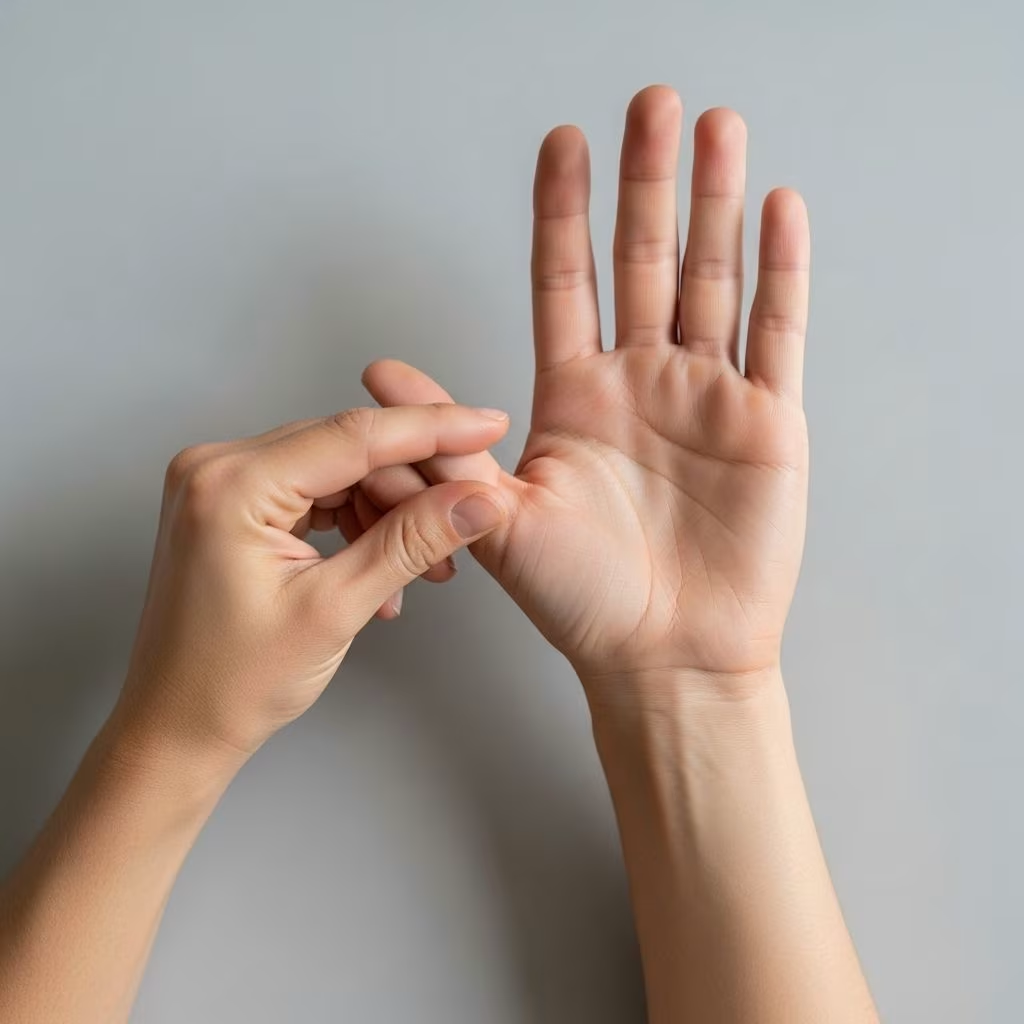
With our reliance on computers, smartphones, and other devices, hand and wrist pain are more common than ever. If you experience tingling, numbness, or weakness in your hands, you may be dealing with carpal tunnel syndrome—an inflammatory nerve disorder caused by repetitive hand use, injury, or underlying health conditions. The right stretches can relieve symptoms and help boost mobility, whether you’re facing carpal tunnel syndrome or simply want to prevent future discomfort.
Understanding Carpal Tunnel Syndrome
Carpal tunnel syndrome (CTS) emerges when the median nerve—passing through a narrow corridor in your wrist called the carpal tunnel—becomes compressed or irritated. This nerve supplies sensation to the thumb, index, middle, and part of the ring finger, and controls several small hand muscles. Common causes of CTS include:
- Prolonged or repetitive wrist movements, like typing and texting
- Injury to the wrist, such as sprains or fractures
- Inflammatory conditions, such as rheumatoid arthritis or osteoporosis
- Medical conditions like diabetes, hypothyroidism, menopause, or pregnancy
The main symptoms to watch for include:
- Numbness or tingling in the thumb, index, or middle fingers
- Pain that radiates from the wrist up the arm or down to the fingers
- Weakness or clumsiness, especially in gripping objects
- Worsening symptoms after repetitive activities or at night
According to health experts, lifestyle adjustments and regular stretching can help prevent and reduce CTS symptoms .
5 Stretches to Relieve Carpal Tunnel Pain
Below are five professionally recommended stretches to increase wrist flexibility, reduce tension, and relieve carpal tunnel symptoms. For best results, perform these stretches daily, especially after long periods of hand use. Remember: stretches should be gentle, never forced. Stop any exercise if you feel sharp pain, and consult a professional if symptoms persist.
1. Forearm Stretch
The forearm stretch targets the muscles and tendons running from your wrist to your elbow. These soft tissues can tighten with repeated hand use, leading to pressure on the median nerve. This stretch improves circulation and relieves tension. Try the following steps:
- Stand or sit upright. Extend one arm straight out in front of you at shoulder height, palm facing down.
- With your opposite hand, gently pull your fingers back and down toward the floor until you feel a stretch across the underside of your forearm and wrist.
- Hold this stretch for 20 to 30 seconds, keeping your elbow straight but not locked.
- Release, rest for a moment, then repeat on the other arm.
Repeat this stretch two to three times for each arm during your stretching routine.
2. Wrist Extension Stretch
This stretch focuses on the flexor muscles inside your forearm, which often become tight from activities like typing or gripping. Follow these steps to safely stretch these flexors:
- Begin seated or standing, arm extended with your palm facing up and fingers pointing upward.
- With your opposite hand, gently grasp your extended fingers and pull them back toward your body, stretching the underside of the wrist.
- Keep your elbow straight, but do not forcefully hyperextend the joint.
- Hold for 20 to 30 seconds, then switch hands and repeat.
You may feel a gentle pull along the heel of your hand and through your wrist flexors.
3. Finger Flexion and Extension
This versatile stretch improves the strength and flexibility of the fingers, combating stiffness and “tightness” that can come from hours of repetitive tasks. Here’s how to perform this exercise:
- Begin with your hands open, fingers extended and relaxed.
- Slowly make a gentle fist with each hand, wrapping your fingers around your thumb.
- Hold the fist for 2–3 seconds, then slowly open your hand and stretch your fingers as wide as possible.
- Repeat 5 to 10 times per session.
This exercise can be done at your desk or anywhere you have a few minutes to spare.
4. Wrist Flexion and Extension Stretch
This move helps balance the flexibility between the wrist’s flexor and extensor muscles, which is important for reducing pressure in the carpal tunnel. Try either a seated or standing position:
- Start with your right arm extended in front of you, palm facing down.
- With your left hand, gently press the back of your right hand downward, flexing your wrist toward the floor. You should feel a stretch on the top side of your wrist and hand.
- Hold for 20 to 30 seconds, then release and switch to the left hand.
- Next, flip your hand so that your palm faces up. Using your opposite hand, gently bend your fingers and hand upward, stretching your wrist extensors. Again, hold for 20–30 seconds and repeat on the other side.
Perform this flexion-extension cycle two to three times for each wrist.
5. Nerve Gliding or Median Nerve Mobilization
Nerve gliding exercises can help move the median nerve back and forth within the carpal tunnel, potentially relieving pressure and reducing adherence from inflamed tissues. Here’s a basic, effective approach:
- Begin with your upper arm at your side, elbow bent to 90 degrees, and palm facing upward.
- Slowly extend your wrist and fingers, straightening your arm out to the side at shoulder level.
- As you straighten your elbow, gently tilt your hand backward, fingers pointing up (like a stop sign).
- Hold the stretch for 5–10 seconds, then return to the starting position. Repeat 5–10 times on each side.
These gentle gliding exercises help maintain the health and flexibility of the structures inside the carpal tunnel without causing irritation.
Additional Tips for Managing Carpal Tunnel
- Take frequent breaks: Change activities and stretch your hands every 30–60 minutes during repetitive work.
- Use ergonomic tools: Keyboard trays, cushioned mouse pads, or split keyboards can reduce wrist strain.
- Keep wrists in a neutral position: Avoid bending your wrists up or down for long periods.
- Apply ice after exercise: Use an ice pack after stretching if you notice swelling or aching, to calm inflammation.
- Consult a professional: If your pain, numbness, or weakness persists or worsens, see a physical therapist or medical doctor.
When to Seek Medical Attention
While light to moderate symptoms often respond to self-care, persistent symptoms may indicate nerve damage and require medical evaluation. Seek medical attention if you experience:
- Constant or worsening numbness
- Severe or radiating pain up your arm
- Noticeable weakness in your hand or fingers
- Symptoms not relieved by stretching and rest
Early intervention can prevent long-term complications.
Common Risk Factors for Carpal Tunnel
Certain life factors and health conditions elevate your risk of developing carpal tunnel syndrome:
- Manual labor or jobs involving repetitive hand motions
- Inflammatory arthritis or wrist injuries
- Medical conditions, such as obesity, diabetes, hypothyroidism, kidney failure, or hormonal changes (pregnancy, menopause)
- Family history or anatomic factors, like a square-shaped wrist
Frequently Asked Questions (FAQs)
Q: Can stretching alone cure carpal tunnel syndrome?
A: For many, regular stretching combined with lifestyle changes can significantly ease mild carpal tunnel symptoms and improve function, but more severe or advanced cases may require medical interventions, such as splinting, steroid injections, or surgery.
Q: How often should I do these stretches?
A: Aim to perform the full set of stretches two to three times daily, especially before and after tasks that strain your hands. Even short breaks with one or two exercises can help during busy periods.
Q: Should I stop if I feel pain while stretching?
A: Yes. Stretches should create a gentle pulling sensation but never sharp or burning pain. Discontinue any that aggravate symptoms and consult a professional if discomfort persists.
Q: Are specialized tools or devices helpful for carpal tunnel relief?
A: Ergonomic keyboards, padded wrist rests, and wrist splints can help some people reduce pressure in the carpal tunnel, especially during sleep or repetitive work.
Q: Who is most at risk for carpal tunnel syndrome?
A: People who use their hands frequently in work or hobbies (e.g., typists, assembly line workers, musicians) or who have medical conditions like diabetes, hypothyroidism, rheumatoid arthritis, or are pregnant, are at higher risk.
Summary Table: Stretches and Their Benefits
| Stretch Name | Primary Target Area | Main Benefit | Frequency |
|---|---|---|---|
| Forearm Stretch | Forearm and wrist flexors | Reduces tension, boosts flexibility | 2–3 reps per arm, daily |
| Wrist Extension Stretch | Wrist flexors | Relieves forearm tightness | 2–3 times per hand, daily |
| Finger Flexion & Extension | Fingers and palm | Improves mobility, reduces stiffness | 5–10 reps each session |
| Wrist Flexion & Extension | Wrist extensors and flexors | Balances wrist tension | 2–3 reps per wrist, daily |
| Nerve Gliding | Median nerve, wrist/forearm | Reduces adherence, improves nerve mobility | 5–10 reps per arm, daily |
Takeaways & Next Steps
Integrated stretching, regular breaks from repetitive hand usage, and ergonomics form the cornerstone of carpal tunnel prevention and relief. These five easy stretches can not only help reduce your pain but may also increase your productivity and comfort—at the office, at home, or wherever life leads. If self-care does not bring relief, seek guidance from a healthcare provider for additional management options tailored to your situation.
References
- https://www.osquadcities.com/about/news-events/exercises-help-prevent-carpal-tunnel
- https://www.prevention.com/fitness/g20506238/5-stretches-that-can-ease-your-carpal-tunnel-pain/
- https://health.clevelandclinic.org/worried-about-carpal-tunnel-try-these-3-stretches-video
- https://www.ncbi.nlm.nih.gov/books/NBK448179/
- https://orthoinfo.aaos.org/globalassets/pdfs/a00789_therapeutic-exercise-program-for-carpal-tunnel_final.pdf
- https://www.prevention.com/health/a20480815/prevent-carpal-tunnel-syndrome/
- https://www.mayoclinic.org/diseases-conditions/carpal-tunnel-syndrome/expert-answers/carpal-tunnel-exercises/faq-20058125
- https://www.cham.org/health-library/article?id=tn9041