Rebel Wilson’s Weight Loss Journey: Why Walking Was the Game-Changer
Rebel Wilson, acclaimed actress, writer, and producer, has made headlines for her dramatic 75-pound weight loss transformation—a journey she calls her “year of health.” Far from relying solely on grueling workouts or strict diets, Wilson credits simple, consistent daily walking as her core strategy. Her testimony offers inspiration and practical advice for anyone considering meaningful, sustainable lifestyle changes.
Finding Motivation: Health, Fertility, and Self-Discovery
Wilson candidly shared that her initial push sprang from health concerns, including fertility challenges and a diagnosis of Polycystic Ovarian Syndrome (PCOS)—a condition known to inhibit weight loss. She explained, “I knew deep down that I wasn’t the healthiest version of myself because of work commitments.” Advice from her doctor—that improving her health would boost her fertility—gave her a new sense of purpose.
- Polycystic Ovarian Syndrome: A hormonal disorder that makes weight loss particularly challenging.
- Doctor’s advice: Prioritize health, not just appearances, for both physical and reproductive well-being.
- Year of Health: Wilson declared 2020 her transformational year, setting clear, achievable goals.
Walking for Weight Loss: Rebel’s Approach
Contrary to popular belief that only high-intensity training brings substantial results, Wilson’s journey highlights the underestimated power of steady, moderate activity. She embraced the advice of an Austrian doctor who told her, “You don’t have to do high-intensity or uphill workouts—just walk an hour a day.”
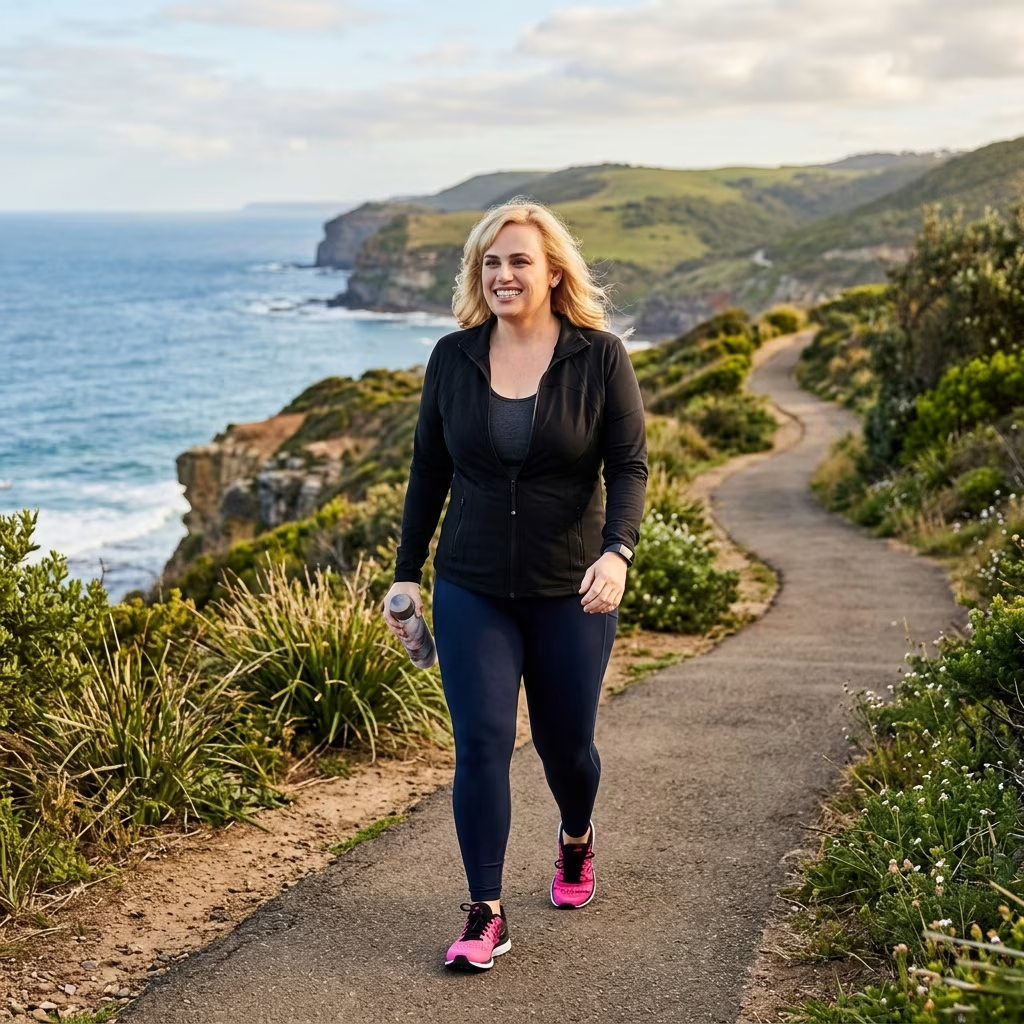
- She committed to walking one hour a day, six days a week.
- The majority of her weight loss happened through walking—sometimes complemented by more intense sessions, but always rooted in moderation.
Wilson found that walking was not just good for the body—it was kind to it. “Sometimes the simplest thing like getting out and walking for an hour a day is the kindest thing to your body, and your body will respond to that,” she explained.
How Walking Improved Her Health
- Gradual, sustainable weight loss—over 75 pounds in a year.
- Improved stamina and aerobic fitness.
- Reduced stress and improved mental clarity.
- Increased motivation to continue healthy habits.
Supporting Lifestyle Changes: Beyond the Walk
While walking was Wilson’s foundation, she complemented her daily steps with other intentional health strategies.
Nutritional Adjustments
- Focus on wholesome, high-protein foods for satiety and muscle maintenance.
- Minimized processed sugars and unhealthy fats.
- Hydration and mindful eating practices.
Strength and Conditioning Workouts
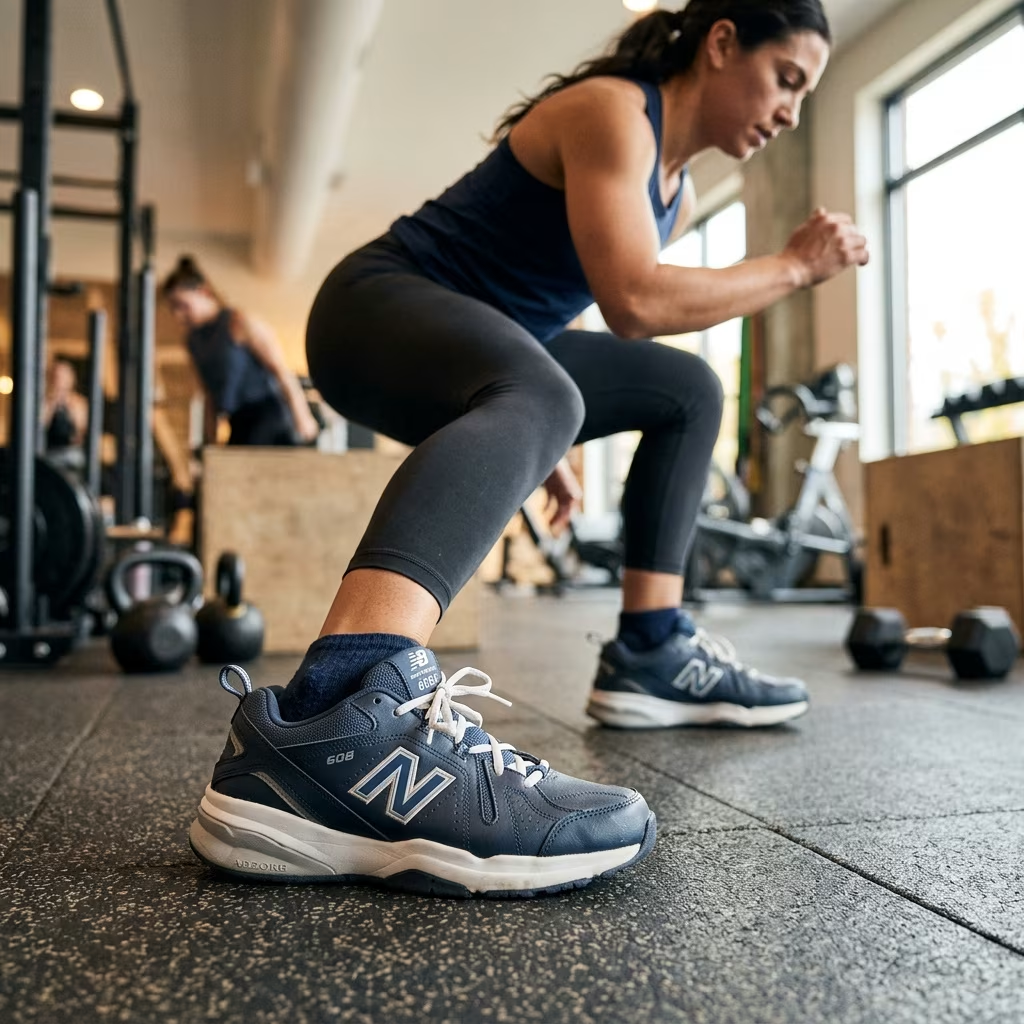
Although she minimized intense workouts, Wilson did occasionally incorporate:
- High-Intensity Interval Training (HIIT)—short bursts of effort interspersed with recovery.
- Weightlifting and resistance exercises, recommended by her trainer.
- Use of simple equipment: dumbbells, kettlebells, resistance bands.
Embracing a Holistic Approach: Mental and Emotional Health
Wilson emphasizes that physical health cannot be separated from mental well-being. “For me, it was the emotional element that I’d never looked at. I’d kind of been, like, ‘Emotions…Ugh. I don’t want to talk about things.’”
- She realized that lasting change requires emotional introspection—addressing stress, self-doubt, and mental patterns around food and exercise.
- Wilson engaged in mindfulness, positive self-talk, and self-compassion.
- Built resilience after setbacks, including gaining weight back during high-stress periods.
Health Retreat: A Turning Point
Central to Wilson’s transformation was her visit to an Austrian health retreat. Here, she immersed herself in holistic practices, learned to cleanse her body of toxins, and discovered the power of moderate walking.
- Participated in personalized health education.
- Gained new insights into nutrition, fitness, and self-care.
Sample Weekly Fitness Routine
| Day | Exercise Focus |
|---|---|
| 1 | HIIT + Mobility |
| 2 | Weightlifting & Resistance |
| 3 | HIIT |
| 4 | HIIT |
| 5 | HIIT + Weightlifting |
| 6 | Recovery (Walk, Stretch) |
| 7 | HIIT |
Technology as a Motivator: Apple Fitness+ and Smart Devices
Technology became an unexpected ally in Wilson’s journey. Her episode on Apple Fitness+ Time to Walk allows fans to connect with her story while hiking the same Los Angeles trails.
- Apple Watch: Used for health tracking, workout logs, and motivation.
- Virtual fitness episodes with personal stories.
- Accessible walks for all fitness levels.
Lifestyle Takeaways: Kindness Over Intensity
Wilson’s experience stands in contrast to conventional weight loss advice focused on intensity and deprivation.
- Gentle persistence: Walking consistently beats sporadic bursts of hardcore exercise.
- Self-compassion and patience are key for long-term change.
- “There’s no magic fix.” Sustainable change is gradual and requires emotional investment.
Handling Setbacks and Plateaus
Wilson openly discusses regaining weight after initial losses—especially during stressful periods. Her advice?
- Accept that setbacks are part of any journey.
- Refocus on what matters: health, happiness, and self-worth.
- Seek support when needed and reset goals as life changes.
Expert Opinions: Why Walking Works
Wilson’s doctor, trainer, and health retreat experiences align with research that identifies walking as one of the safest and most effective methods for fat loss, especially for those with health challenges.
- Walking regulates blood sugar, cholesterol, and blood pressure.
- Supports weight loss without overwhelming joints.
- Boosts mental health and stress relief.
How to Start Your Own Walking Routine
- Start slow: Begin with 20–30 minutes daily and gradually work up to an hour.
- Choose comfortable routes—parks, neighborhoods, scenic trails.
- Track your progress using fitness apps or wearable devices.
- Invite friends or listen to inspiring content during walks.
Frequently Asked Questions
Q: Can walking really help you lose weight?
A: Yes. Consistent, moderate walking is highly effective for burning calories and reducing body fat while also improving cardiovascular health.
Q: What was Rebel Wilson’s diet like during her weight loss?
A: She prioritized wholesome, high-protein foods and minimized processed sugar and fatty foods.
Q: Did Rebel Wilson only walk, or did she use other forms of exercise?
A: While walking was foundational, Wilson also participated in HIIT, strength training, and occasional guided workouts.
Q: What role did mental health play in her transformation?
A: Wilson stresses that emotional well-being and self-kindness were essential, helping her create lasting results beyond physical fitness.
Q: How did Rebel Wilson stay motivated?
A: Apple Fitness+ features, health retreats, and tracking progress via smart devices provided structure and encouragement.
Actionable Tips Inspired by Rebel Wilson
- Prioritize gentle, consistent activity—don’t underestimate simple walking.
- Set achievable goals and celebrate steady progress.
- Focus on holistic health—not just outward appearance or scale numbers.
- Stay resilient through setbacks and remember that transformation takes time.
- Utilize technology and community to stay inspired and accountable.
Conclusion: Rebel Wilson’s Story as a Blueprint for Sustainable Change
Rebel Wilson’s weight loss story brings attention back to the power of simplicity, mindfulness, and endurance. Her focus on walking—a kind, accessible activity—demonstrates that sustainable fitness doesn’t require extremes. Instead, progress results from self-compassion, informed choices, and celebrating every step of the journey.
References
- https://www.prevention.com/fitness/workout-clothes-gear/a38710262/rebel-wilson-weight-loss-walking/
- https://www.youtube.com/watch?v=HcJNRS3v0p0
- https://www.shefinds.com/collections/rebel-wilson-trainer-6-week-plan-weight-loss/
- https://celebwell.com/how-rebel-wilson-lost-80-pounds/
- https://www.womenshealthmag.com/weight-loss/a30811784/rebel-wilson-weight-loss/
- https://new-beauty.com/sg-en/blog/slimming-treatments/rebel-wilson-weight-loss/