Dark Chocolate vs. Milk Chocolate: Everything You Need to Know
Chocolate is one of the world’s most beloved treats, adored for its irresistible taste, creamy texture, and bliss-inducing qualities. But when you’re standing in front of shelves stacked with dark chocolate and milk chocolate, do you really know what separates one from the other? If you’ve ever wondered which is healthier or why they taste so different, this comprehensive guide provides a side-by-side look at the differences, nutritional benefits, and considerations of dark and milk chocolate.
Understanding the Basics: What Is Chocolate?
Chocolate starts with the cacao bean, harvested from cacao trees and transformed into various products through roasting and grinding. The two main types of chocolate—dark and milk—share a common origin but have distinct differences thanks to their unique blends of cacao solids, cocoa butter, sugar, and other ingredients.
The Ingredients: Dark vs. Milk Chocolate
| Component | Dark Chocolate | Milk Chocolate |
|---|---|---|
| Cacao Content | 50–90% | 10–50% |
| Milk Ingredients | None | At least 12% milk solids (liquid, powder, or fat) |
| Sugar | Lower | Higher |
| Cocoa Butter | Present | Present |
| Other Additives | Sometimes vanilla, lecithin | Sometimes vanilla, lecithin, additional cream |
The biggest differences boil down to three ingredients:
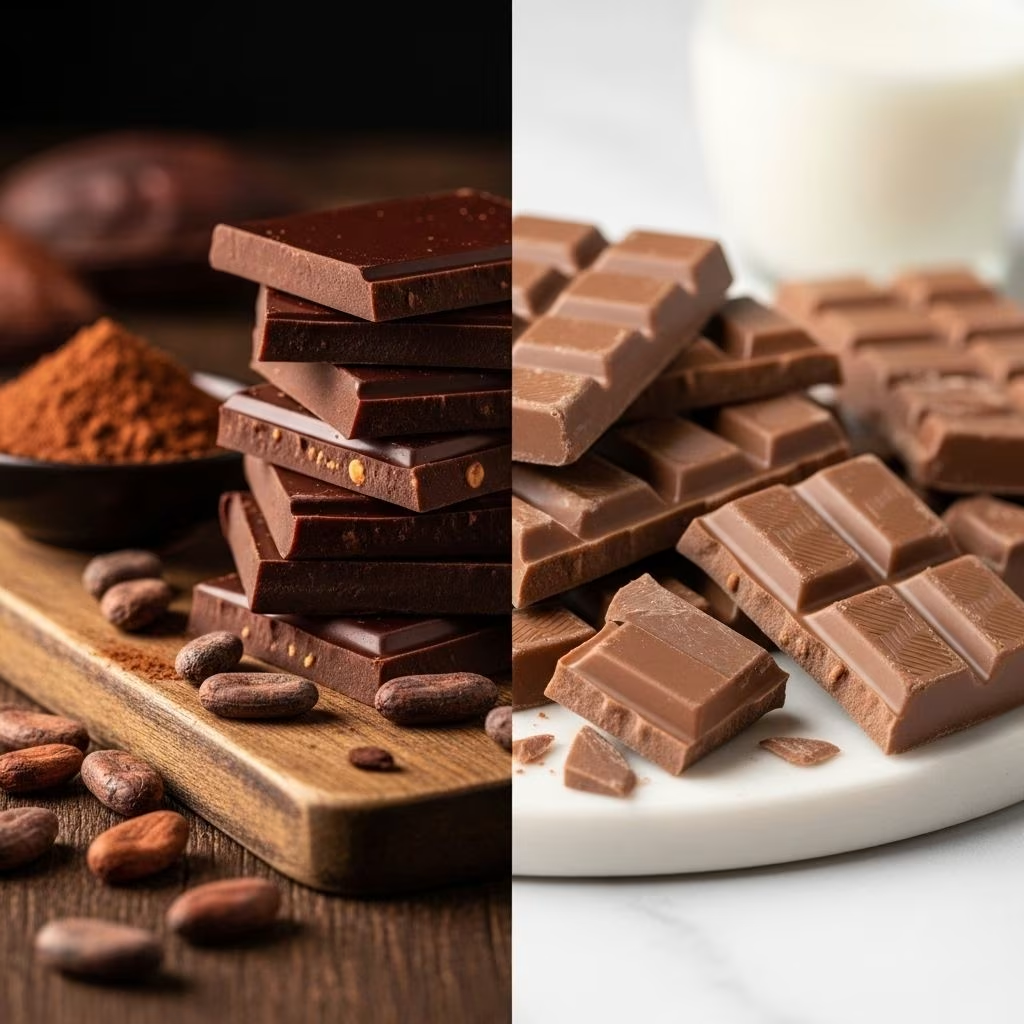
- Cacao: Dark chocolate contains a higher percentage of cacao, which gives it a more intense, bitter flavor and increased antioxidant content. Milk chocolate has less cacao, resulting in a sweeter, milder taste.
- Milk: As the name suggests, milk chocolate contains milk or milk solids, creating a creamier, smoother texture. Dark chocolate lacks milk, making it firmer and more robust.
- Sugar: Higher sugar levels in milk chocolate enhance its sweetness, while dark chocolate uses less sugar to highlight the cocoa’s depth.
How Chocolate Is Made: The Process
Both dark and milk chocolate start with the same raw ingredients—cacao beans are fermented, dried, roasted, and ground to create a thick paste known as chocolate liquor. The chocolate is then blended with various proportions of sugar, cocoa butter, and (for milk chocolate) milk solids.
- Dark Chocolate: The chocolate liquor is combined with sugar and cocoa butter but no milk. The mixture is refined, conched (a special mixing process), and molded into bars or confections.
- Milk Chocolate: Milk solids (liquid, powder, or fat) are blended in with sugar and cocoa butter to produce a smoother, softer texture and lighter color.
Taste and Texture: What’s the Difference?
The contrasts in taste and mouthfeel are immediately noticeable:
- Dark chocolate offers a more complex, bold flavor profile—often described as bittersweet or earthy—thanks to its high cacao content. Its firm snap and thicker texture provide a satisfying bite.
- Milk chocolate is milder, creamy, and very sweet. The higher proportion of milk and sugar makes it smoother on the palate and less intense, with a melt-in-your-mouth quality that appeals to many.
Nutritional Value: Comparing Dark and Milk Chocolate
Chocolate can be a source of essential nutrients, but the type you choose matters. Here’s how dark and milk chocolate stack up:
| Nutrient (per 1 oz/28g) | Dark Chocolate (70–85% cacao) | Milk Chocolate |
|---|---|---|
| Calories | ~170 | ~150 |
| Total Fat | 12g | 8.5g |
| Saturated Fat | 7g | 5g |
| Sugar | 6–8g | 15–18g |
| Fiber | 3g | 0.5g |
| Caffeine | 23mg | 6mg |
| Calcium | 2% | 8% |
| Iron | 19% | 2% |
Dark chocolate is a better source of fiber and iron, while milk chocolate delivers more calcium. Many of the health benefits attributed to chocolate stem from its cacao content; the greater the percentage, the more beneficial antioxidants and minerals you’ll consume.
Health Benefits: Does One Chocolate Outshine the Other?
- Antioxidants and Flavonoids: Dark chocolate is a powerful source of antioxidants—specifically flavonoids—which help protect your cells from damage, support heart health, and may reduce inflammation. The higher the cacao content, the more antioxidants you’ll find.
- Heart Health: Some studies link dark chocolate consumption with lower blood pressure and improved heart function, likely due to its flavanol content. Milk chocolate, because of higher sugar and lower cacao, offers fewer of these benefits.
- Mood and Brain Benefits: Both types of chocolate can trigger the release of endorphins and serotonin, helping to improve mood. The buzz you feel after eating chocolate is partly due to these compounds and small amounts of caffeine.
- Minerals: Dark chocolate is particularly rich in iron, magnesium, copper, and manganese.
Is Dark Chocolate Always Better?
Dark chocolate’s reputation as the “healthier” option largely comes from its higher cacao content and antioxidant levels. It typically contains less sugar, so it can be incorporated more easily into a balanced diet. However, if you’re craving a sweet treat and calcium boost, milk chocolate is still a reasonable occasional indulgence.
Potential Drawbacks: What to Watch Out For
- Added Sugars: Milk chocolate contains substantially more sugar, which has been linked to increased risk of weight gain, tooth decay, and other health issues when consumed in excess.
- Saturated Fat: Both chocolates have saturated fat, but moderation is key. Look for chocolates made without trans fats or unhealthy additives.
- Allergies & Intolerances: Milk chocolate contains lactose, so it’s not suitable for those with lactose intolerance or milk allergies. Dark chocolate is usually dairy-free, but always check the label for possible cross-contamination or added milk products.
- Caffeine Sensitivity: Dark chocolate contains more caffeine—a consideration for those who are sensitive to stimulants.
How to Choose the Best Chocolate for Your Needs
- Read the Label: Look for short ingredient lists and a high percentage of cacao (ideally above 65%) for the greatest health benefits.
- Opt for Quality: Premium chocolates use real cocoa butter, fewer additives, and higher-quality milk or plant-based alternatives.
- Control Portions: Stick to a small serving—about an ounce per day—to satisfy your cravings without overindulging.
- Experiment: Dark chocolates vary widely in flavor and intensity, so sample different percentages to find your preferred taste.
Bonus: What About White Chocolate?
White chocolate differs dramatically from dark and milk chocolate. It contains no cacao solids—just cocoa butter, milk solids, and sugar. This gives it its pale color and smooth, sweet, creamy flavor. While not a significant source of antioxidants and lacking most of the beneficial compounds found in dark chocolate, white chocolate can still be enjoyed as a dessert or in baking for its unique qualities.
FAQs: Dark Chocolate vs. Milk Chocolate
Q: Is dark chocolate vegan?
A: Most dark chocolate is naturally dairy-free, but always check the label for added milk ingredients or potential cross-contamination.
Q: Which chocolate is best for heart health?
A: Dark chocolate, due to its high flavonoid content, is considered more beneficial for heart health when consumed in moderation.
Q: Does chocolate contain caffeine?
A: Yes, but the amount varies—dark chocolate has more caffeine per serving than milk chocolate, though still less than a cup of coffee.
Q: Does milk in chocolate block the absorption of antioxidants?
A: Some studies suggest that milk proteins may bind to flavonoids and reduce their absorption, but the evidence is mixed and more research is needed.
Q: How can I store chocolate for maximum freshness?
A: Keep chocolate in a cool, dry place (ideally between 60–70°F), away from light and strong odors. Avoid refrigeration, as this can cause chocolate to bloom (develop a whitish, powdery surface).
Key Takeaways
- Dark chocolate has more cacao, less sugar, and is richer in beneficial antioxidants and minerals.
- Milk chocolate is sweeter, creamier, and higher in sugar and calcium.
- Moderation is crucial; both types can be part of a healthy diet when enjoyed responsibly.
- Premium quality and a higher cacao percentage in chocolate usually correlate with more flavor and health benefits.
Final Thoughts: Which Should You Choose?
Choosing between dark and milk chocolate is ultimately a matter of personal taste and dietary priorities. If your goal is maximum health benefit and a richer flavor experience, dark chocolate—with at least 65% cacao—should be your pick. If sweetness and creaminess are your top priorities and you’re looking for a gentle treat, milk chocolate is a wonderful option. Either way, savor your chocolate mindfully for the best enjoyment and health effect!
References
- https://www.stmaryshealthcaresystem.org/blog-articles/milk-chocolate-vs-dark-chocolate-one-healthier-other
- https://tcho.com/blogs/news/dark-chocolate-vs-milk-chocolate-what-s-the-difference
- https://us.venchi.com/blog/different-chocolate-types-dark-vs-milk-vs-white-chocolate
- https://www.choc-affair.com/news/the-difference-between-milk-white-dark-chocolate/
- https://now.tufts.edu/2023/02/14/dark-chocolate-healthier-milk-chocolate
- https://www.stefanelliscandies.com/blogs/stefanellis-specialties/dark-chocolate-vs-milk-chocolate-whats-the-difference
- https://fastachi.com/blogs/nut-lovers/dark-chocolate-vs-milk-chocolate