The Ultimate Canned Pumpkin Taste Test: Which Brand Is Best?
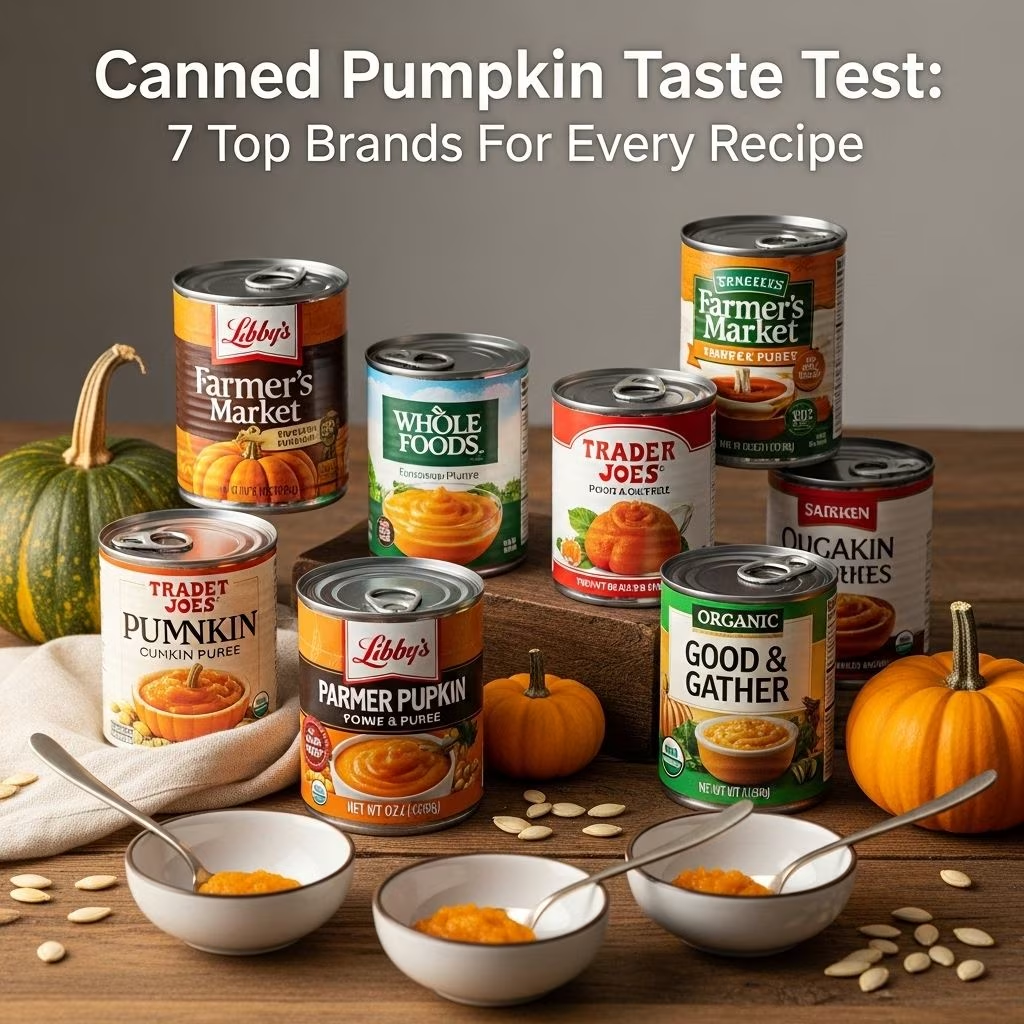
For anyone passionate about fall baking, the hunt for the best canned pumpkin is a familiar seasonal ritual. Whether you’re planning to craft the perfect pumpkin pie for Thanksgiving, whip up a classic loaf of pumpkin bread, or explore savory pumpkin soups, the quality of your pumpkin puree matters. We’ve conducted an in-depth taste test of popular canned pumpkin and pumpkin pie filling brands available in supermarkets, evaluating them for flavor, texture, color, and versatility. Our findings will guide you to the best picks for both holiday classics and creative pumpkin recipes year-round.
Why Canned Pumpkin Matters for Baking
Canned pumpkin is a staple for both convenience and consistency. Unlike fresh pumpkin puree, which can vary dramatically in color, water content, and sweetness, canned pumpkin offers home bakers a reliable product that’s ready to use straight from the tin. However, not all canned pumpkins are created equal. Differences abound between brands in taste, mouthfeel, and even what vegetable they actually contain—sometimes, you’re getting a blend of squashes rather than pure pumpkin!
- Flavor: Impacts the richness and depth of pumpkin-forward dishes.
- Texture: Determines pie smoothness, bread moisture, and soup silkiness.
- Color: Affects the appearance of pies, breads, and batters.
- Ingredients: Some brands add sweeteners and spices while others are pure squash or pumpkin.
How the Canned Pumpkin Taste Test Was Conducted
To offer a fair and thorough comparison, we selected a cross-section of widely available canned pumpkin brands and pumpkin pie fillings. Each was tasted straight from the can and baked into a classic pumpkin pie using a standardized recipe, as well as sampled in sweet and savory applications. Testers evaluated the pumpkins on the following criteria:
- Raw flavor and aroma
- Cooked (baked pie) flavor
- Smoothness and consistency
- Color intensity and visual appeal
- Ability to integrate with spices and sweeteners
We specifically distinguished between canned pumpkin puree (unsweetened, unspiced) and canned pumpkin pie filling (pre-sweetened and pre-spiced) for accuracy and relevant usage tips.
What Exactly Is in Your Canned Pumpkin?
It might surprise you to know that the contents of a can labeled “pumpkin” aren’t always the traditional orange jack-o’-lantern pumpkin. According to U.S. regulations, “pumpkin” on a label can include a range of orange-fleshed winter squashes, especially varieties such as Dickinson and butternut, known for their dense, sweet, and less stringy flesh—traits that make for better pie filling.
- Many brands use a proprietary blend of squashes for flavor and texture consistency.
- The resemblance to classic field pumpkins is often minimal in taste and appearance.
- This blending isn’t a trick, but rather a deliberate choice to deliver the best baking results.
Brands of Canned Pumpkin and Pumpkin Pie Filling Tested
| Brand | Type | Key Details |
|---|---|---|
| Libby’s | Pumpkin Puree | Most popular, classic for pie, 100% pumpkin/dickinson squash |
| Farmer’s Market | Pumpkin Puree | Organic, deep color, richer flavor, pure pumpkin (varied squash blend) |
| 365 by Whole Foods Market | Pumpkin Puree | Organic, value-priced, labeled as “pumpkin,” blend possible |
| Trader Joe’s | Pumpkin Puree | Seasonal, organic, vibrant color, slightly thicker texture |
| One-Pie | Pumpkin Puree | Northeast favorite, classic heritage brand, pure pumpkin |
| Libby’s Pumpkin Pie Filling | Pumpkin Pie Filling | Pre-sweetened/spiced, pie-ready |
| Kroger Pumpkin Pie Mix | Pumpkin Pie Filling | Pre-sweetened/spiced, less expensive, supermarket staple |
Tasting: Straight from the Can
Before hitting the oven, each puree and pie filling was sampled directly from the can. This stage emphasized differences in raw flavor, texture, and aroma that can impact both baking and cooking outcomes.
- Libby’s Puree: Balanced flavor, smooth consistency, subtle earthy aroma—classic and versatile.
- Farmer’s Market: Deep, robust flavor, darker orange color, slightly thicker–favored by those preferring a pronounced pumpkin taste.
- 365/WFM & Trader Joe’s: Slightly milder, fresher aroma, less intense flavor but good, reliable texture.
- One-Pie: Traditional pumpkin profile, lighter in color, slightly grainier but classic in pies.
- Pumpkin Pie Fillings (Libby’s, Kroger): Obvious sweetness and spice, ready-to-eat dessert-like quality, thinner texture compared to purees.
Tasting: Baked in Pumpkin Pie
Baking is the real test. Mixing each puree into a standard pumpkin pie recipe, we evaluated the resulting pies for flavor depth, custard smoothness, moisture level, and overall pumpkin impact:
- Libby’s: Maintains traditional flavor, reliable set, perfect for nostalgic pies. Pleasantly earthy, not too sweet; blends seamlessly with spices.
- Farmer’s Market: Rich, almost caramelized profile after baking; makes for a more intense, slightly less sweet pie. Great for those who like strong squash notes.
- Trader Joe’s & 365: Both produce lighter, milder pies, ideal for those who want pumpkin to play more of a supporting rather than starring role. Good for muffins and quick breads too.
- One-Pie: Classic diner-style pumpkin pie—lighter color, balanced flavor, slightly rustic texture.
- Pumpkin Pie Fillings: Produce very sweet, highly spiced pies; convenient for quick desserts but overpowering spice can mask pumpkin flavor.
Color and Consistency Across Brands
Visual appeal plays a significant role in pumpkin desserts. The brands showcased a range of shades from pale tan to deep orange. Farmer’s Market and some organic options have the richest color, while One-Pie and basic store brands trend lighter.
- Thicker Purees: Farmer’s Market, Trader Joe’s (create sturdy pumpkin breads and hold up in thick pumpkin cheesecakes).
- Smoother, Creamier: Libby’s, 365 (easier integration for classic pies and silky-smooth batters).
- Canned Pie Fillings: Thinner by design; require no extra ingredients other than eggs and milk for pie.
Fresh Pumpkin vs. Canned Pumpkin: Does It Matter?
The debate between fresh pumpkin puree and the canned stuff is perennial. While fresh puree can yield wonderful results—especially when made with the right kind of pumpkin or squash—canned options are preferred by many bakers for ease and consistent outcome. Canned pumpkin is usually denser, less watery, and delivers a reliably smooth, concentrated pumpkin flavor.
- Fresh Puree: Brighter flavor, sometimes lighter color, and can have a more pronounced squash aroma. Texture is often thicker and less processed.
- Canned Pumpkin: Denser, easy to store, always ready. Neutral flavor that’s easily complemented by spices and other ingredients.
- Main Advantage: Convenience. Canned pumpkin eliminates guesswork for baking proportions and moisture content.
Best Uses for Each Type of Canned Pumpkin
- Libby’s: Best all-purpose, especially for classic pies, muffins, and pumpkin roll cakes.
- Farmer’s Market: Top pick for gourmets, deep pumpkin soups, and intense-flavored breads.
- Trader Joe’s/365: Good for lighter pies, pancakes, and kid-friendly treats where subtlety is preferred.
- Pie Fillings: Time-saving option for holiday emergencies, convenient for inexperienced bakers or last-minute desserts.
Pro Tips: Getting the Most Out of Canned Pumpkin
- For smoother pies, strain puree through cheesecloth to remove excess water and fibers.
- Toast your spices before mixing to intensify flavor and upgrade store-bought fillings.
- Don’t be afraid to add your own spin: blend canned pumpkin with a bit of butternut squash puree, or stir in brown butter for depth.
- Label confusion? Check the ingredient list. “Pumpkin” may mean squash, but that’s no bad thing!
Frequently Asked Questions (FAQs)
Q: Can I use canned pumpkin and pumpkin pie filling interchangeably?
A: No. Canned pumpkin is pure pumpkin (or squash) with no added sugar or spices. Pumpkin pie filling has sweeteners and spices already mixed in. Exchange carefully and adjust recipe sweetness/spicing accordingly.
Q: Why does my canned pumpkin sometimes look or taste different year to year?
A: Pumpkin crops and squash blends vary by season, affecting flavor, color, and consistency. Manufacturers work to keep results consistent, but some variation is natural.
Q: How can I make canned pumpkin taste more like fresh?
A: For fresh flavor, try combining canned pumpkin with roasted pureed butternut or kabocha squash, or add a pinch of salt and cinnamon to brighten the flavor profile.
Q: Is canned pumpkin as nutritious as fresh pumpkin?
A: Canned pumpkin is packed at peak ripeness and is nutritionally dense—high in vitamin A, beta carotene, and fiber. Canned forms may even be more concentrated than fresh puree thanks to water evaporation in processing.
Q: Can I freeze leftover canned pumpkin?
A: Yes. Portion into airtight containers or zip bags and freeze for up to 3 months. Thaw and stir before using to reincorporate any separated liquid.
Final Verdict: The Best Canned Pumpkin for Your Kitchen
After extensive tasting, it’s clear Libby’s remains the gold standard for pumpkin pie lovers seeking classic results every time. Farmer’s Market is a favorite for adventurous bakers wanting deeper squash notes, while organic and store brands offer solid, mild alternatives. Pumpkin pie fillings are best reserved for when time is short or you prefer a sweet, spiced shortcut. No matter your choice, knowing what’s in the can—and how it performs—means you’ll make the most of this essential fall ingredient in all your pies, cakes, cookies, and beyond.