The Definitive Guide to the Best Cuts of Beef for Stew and Braising
When it comes to comfort food, few dishes deliver the soul-warming satisfaction of a rich beef stew or slow-cooked braise. Yet, for many home cooks, one key decision can make the difference between tough, dry meat and meltingly tender, flavorful bites: choosing the right cut of beef.
Why Choosing the Right Cut Matters
Not all beef is created equal when it comes to methods like stewing and braising. The magic of tender, flavorful beef comes from understanding meat structure, collagen, fat, and how they behave during slow cooking.
- Stewing and braising break down tough connective tissue (mainly collagen) over low, moist heat, transforming it into luscious gelatin that enriches both the beef and the braising liquid.
- Leaner cuts, often from muscles less used by the animal, can dry out and lose flavor because they lack collagen and fat.
- Well-marbled, collagen-rich cuts reward patience with juicy, rich results.
Understanding the Science: Muscle, Fat, and Collagen
To understand why certain cuts excel in stews and braises, let’s quickly break down what matters most:
- Muscle fibers: The basic building blocks of meat—packed tightly in working muscles.
- Connective tissue: Includes tough, ropey collagen (which melts to gelatin), elastin (remains tough), and fat.
- Fat: Marbling within meat adds juiciness, flavor, and tenderness.
During long, moist cooking:
- Collagen breaks down into gelatin, giving classic stew its unctuous texture.
- Muscle fibers shrink and lose water, which can create dryness if connective tissue and fat aren’t present to compensate.
- Fat melts, adding moisture and flavor throughout the process.
The Three Stages of Braised Beef Texture
| Stage | Description | Culinary Result |
|---|---|---|
| Primary Breakdown | Intramuscular fat and some collagen melt; meat is juicy but still holds its shape. | Best for classic stews with tender chunks that retain structure. |
| Secondary Breakdown | More connective tissue weakens; muscle fibers begin to separate. | Ideal for shredded or “ropa vieja”-style beef dishes. |
| Tertiary Breakdown | Muscle fibers themselves collapse; meat turns “pulpy” and dry. | Result of overcooking—avoid for stews and braises. |
For the best stew texture, aim for the “primary breakdown” stage: tender, juicy, and succulent chunks that don’t fall apart.
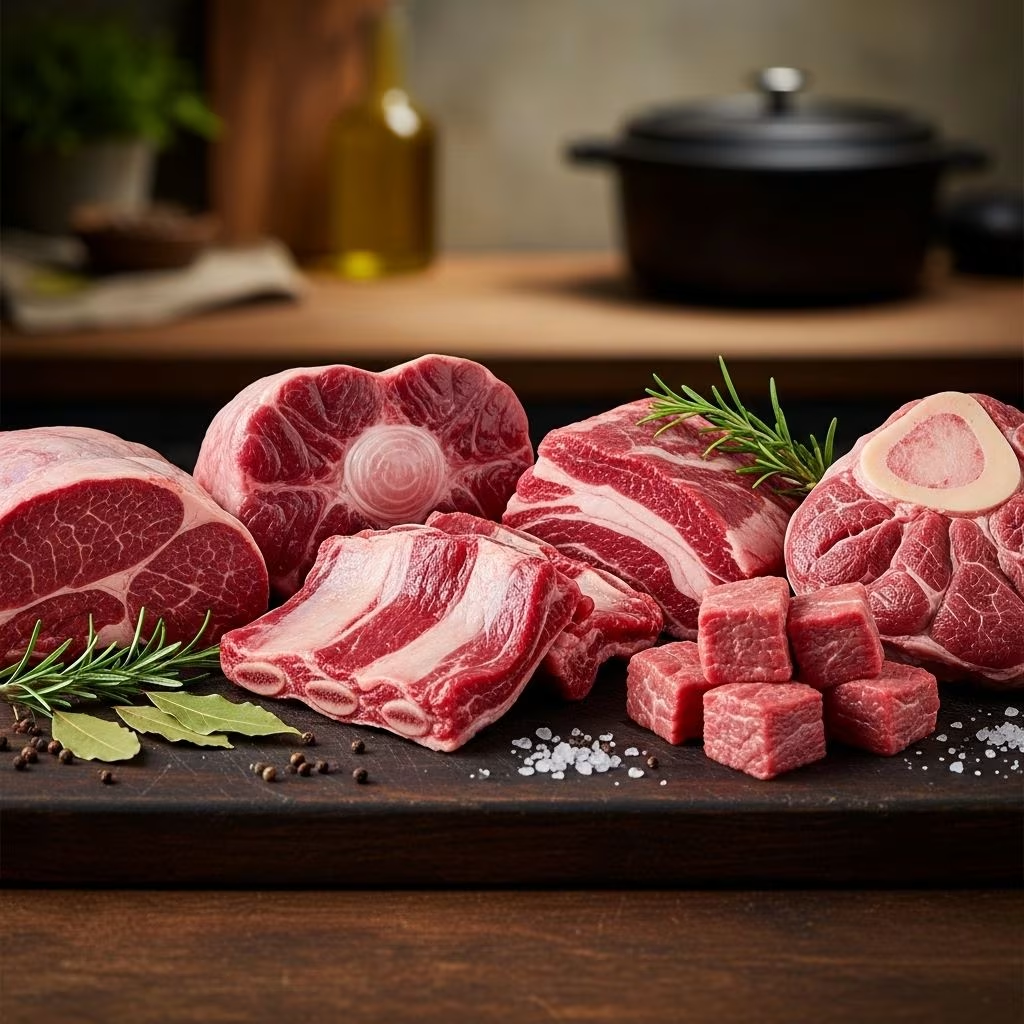
Top Cuts of Beef for Stew and Braising
Here are the best choices, with a deep dive into why each shines:
-
Chuck
- Location: Shoulder section of the cow.
- Why it works: Rich in collagen and marbled with fat, chuck transforms into fork-tender, intensely flavored pieces after slow cooking. It’s affordable, widely available, and classic for stews.
- Other names: Chuck roast, shoulder clod, chuck eye, English roast, blade roast.
- Recommended for: All types of stew, pot roast, and braises.
-
Short Rib
- Location: Lower rib section, near the plate and brisket.
- Why it works: Marbled with fat and packed with connective tissue, short ribs deliver deep, beefy flavor and fall-apart tenderness when cooked low and slow. The bones contribute extra richness.
- Recommended for: Fancier stews, Korean galbi jjim, French daube.
-
Oxtail
- Location: The tail of the cow, naturally packed with gelatin-rich collagen.
- Why it works: Oxtail shines in stews for its exceptional unctuous texture and an abundance of flavor the bones bring. However, it delivers lower yield and can be pricier per pound.
- Recommended for: Hearty stews, traditional dishes like oxtail soup.
-
Brisket
- Location: The chest/breast region.
- Why it works: Brisket is dense, flavorful, and packed with collagen, ideal for long braises. The downside is it can be stringier and a bit greasier than chuck.
- Recommended for: Jewish-style braised brisket, some beef stews.
-
Shank
- Location: The leg portion, both fore and hind shanks.
- Why it works: Shank is loaded with connective tissue and tends to be extra-lean. When cooked very slowly, it yields a silky, gelatinous stew. However, it can seem dry if not combined with fattier cuts.
- Recommended for: Osso buco, mixed with chuck for rich stews.
Cuts to Avoid for Stew and Braising
Not every cut is suitable. Avoid these for best results:
- Round/Top Round/Bottom Round (also known as “stew meat” in some grocery stores): These cuts come from the rear leg, are lean with minimal connective tissue, and can end up dry, firm, and lacking flavor after stewing. They shrink and toughen, not soften.
- Sirloin: While tender for quick-cooking (like grilling), it turns stringy and bland when stewed.
- Ribeye or Tenderloin: Expensive, delicate cuts wasted in stews; best saved for quick, high-heat cooking.
Choosing Beef at the Store: What to Look For
- Look for well-marbled meat—small flecks and veins of white fat running through the red muscle.
- Firm, reddish-pink flesh with a clean, fresh smell.
- Buy whole roasts and cube them yourself to control size and quality—avoid pre-cubed “stew beef” that may mix subpar cuts.
- Combine leaner cuts (like shank) with chuck for texture and balance.
Prepping and Cutting: Maximizing Flavor and Texture
- Trim excess fat and sinew. Remove hard, waxy fat and silver skin, but keep plenty of marbling.
- Cut into uniform chunks. Typically 1.5- to 2-inch cubes work well for stew—small enough to become tender without disintegrating.
- Season generously. Salt your beef before browning for deeper flavor.
Browning Is Essential
Searing beef deeply before braising builds layers of flavor, thanks to the Maillard reaction (the browning of proteins and sugars). For maximum impact:
- Pat beef dry for the best sear.
- Brown in batches; don’t crowd the pan.
- Use high heat—but avoid burning for bitterness.
After browning, scrape any browned bits (“fond”) from the pan with wine or stock—these are flavor gold.
Mastering the Braise: Temperature and Time
Low-and-slow is key for stewing:
- Oven over stovetop: The oven’s ambient heat means gentler, more even cooking and avoids scorching or sticking.
- Temperature: 275°F to 300°F (135°C to 150°C) gives optimal results—hot enough for collagen breakdown, cool enough to prevent boiling and drying out.
- Timing: 2.5 to 3 hours for 1.5- to 2-inch cubes, or until fork-tender. Cook just to the point of primary breakdown for best texture.
- Don’t overcook: As outlined in the three stages, excessive braising breaks down even the fibers, resulting in pulpy meat.
The Role of Gelatin and Why It Matters
Good stew and braise are all about gelatin. Slow cooking turns collagen into gelatin, creating:
- A rich, silky mouthfeel in the sauce.
- Juicy, succulent meat even after lengthy simmering.
- Better adherence of sauce to beef and vegetables.
If your stew seems watery, add more collagen-rich cuts (like oxtail or shank), or reduce the braising liquid to concentrate gelatin.
Beyond Beef: Mixing Cuts and Other Proteins
- Mixing cuts (chuck plus shank, or chuck plus short rib) brings complexity: melting fat, collagen, and varied textures.
- Some regional stews may include pork shoulder or lamb shank for additional flavor and richness—be sure to adjust cooking times as needed.
Tips for Ultimate Beef Stew
- Add vegetables late: Root veggies should go in the last hour, leafy greens in the final 10 minutes.
- Skim fat: Letting the stew rest makes it easy to remove excess fat for a cleaner texture.
- Let it rest: Stews taste even better the next day after flavors meld—plan for leftovers.
- Don’t forget seasoning: Salt and acid (like vinegar or lemon) brighten heavy, rich stews just before serving.
Frequently Asked Questions (FAQs)
What is the difference between stewing and braising?
Both are moist-heat cooking methods, but stewing typically means the meat is fully submerged in liquid, while braising covers the meat only partially. Both methods rely on long, slow cooking for tender results.
Why does my stew meat get tough instead of tender?
Toughness usually results from one of two things: using the wrong kind of beef (like lean round instead of collagen-rich chuck) or cooking at too high a temperature. Gentle, prolonged heat and cuts with plenty of connective tissue ensure tenderness.
Can I use pre-cut “stew meat” from the grocery store?
You can, but quality varies. Stew meat is often a mix of less desirable cuts (like round). For tastier results, buy a whole chuck roast and cube it yourself.
Should I brown the meat before stewing?
Yes. Searing beef adds deep, savory flavor to both the meat and the braising liquid.
How do I avoid a greasy stew?
Trim hard external fat from your beef rather than all marbling. Skim any rendered fat from the finished stew before serving.
Can I make stew in a slow cooker or Instant Pot?
Yes, but results may differ slightly. Sear your beef and aromatics in a pan first, then cook on low in your slow cooker (6-8 hours) or on the braise/stew setting in an Instant Pot.