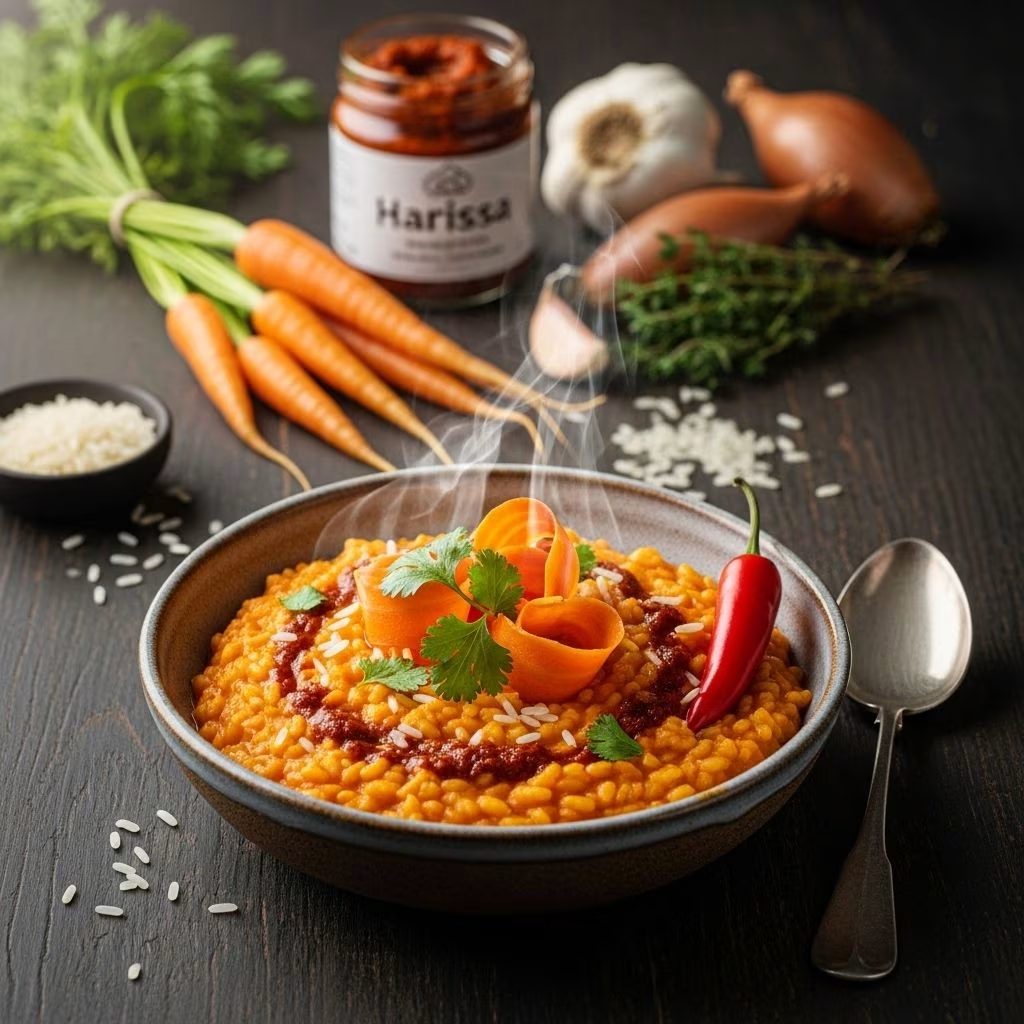
Risotto, with its creamy embrace and comforting bite, is a beloved staple of Italian cuisine. Traditionally brimming with delicately toasted rice, butter, wine, and cheese, the classic table-setting risotto has often seen the world through the color of pale rice and golden stock. But what if we dared to push beyond the expected, blending bold, North African harissa with the natural sweetness of carrots? Enter: Carrot and Harissa Risotto—an exuberant, vegetable-forward twist that proves risotto doesn’t have to be predictable. In this guide, we’ll explore the principles behind the dish, detailed step-by-step instructions, essential tips for achieving perfect texture and flavor, and thoughtful variations for every table.
Why Make Carrot and Harissa Risotto?
Carrots, often relegated to background roles in stews or as an afterthought in salads, are the stars here. Their gentle sweetness and vibrant color create the foundation of the dish. Harissa, a piquant and aromatic North African chili paste, imbues the risotto with complexity and a hint of gentle heat, transforming a comforting classic into something entirely new. The end result is not just another bowl of creamy rice, but a hearty, warming meal with a character all its own.
- Vegetable-forward: Carrots add both color and nutrition, playing a lead role in both the stock and the risotto base.
- Dynamic flavor profile: Harissa offers a bright, spicy edge, complemented by aromatic shallots, garlic, and a touch of lemon.
- Creamy comfort: Arborio or Carnaroli rice delivers the classic risotto texture, with a sauce that feels rich but not heavy.
- Versatile: The dish is vegetarian-friendly and can be made fully vegan with a few swaps.
The Inspiration Behind the Recipe
The idea for Carrot and Harissa Risotto stems from an intersection of Italian and North African cuisines. Vibrant vegetable purées are classic in Mediterranean risotti—the beloved Milanese risotto alla zucca (with pumpkin or squash) being one example. Meanwhile, North African cuisine employs harissa as a flavor-packed staple, particularly in Tunisian soups and stews. Combining these ideas, the natural sweetness of carrots pairs perfectly with the smoky, spicy notes of harissa, and the creaminess of the risotto rice ties it all together.
Key Ingredients Explored
- Carrots: The star of the dish, lending both body and sweetness. Use the freshest, brightest carrots you can find.
- Harissa: A chili paste from North Africa; available in mild or hot varieties. It brings heat, tanginess, and depth.
- Risotto Rice: Arborio and Carnaroli are classic choices, valued for their ability to absorb liquid and release starch for a creamy texture.
- Vegetable Stock: Enhanced with carrot trimmings, giving the dish its vivid color and reinforcing flavor.
- Shallots and Garlic: Provide aromatic depth as the rice is sautéed.
- Parmesan (or Vegan Substitutes): Melds the risotto together, adding umami and creaminess at the finish.
Nutritional and Dietary Considerations
This risotto is inherently vegetarian and can be adapted for vegan diners by substituting plant-based butter and cheese. Carrots are rich in beta-carotene, vitamins A and K, and fiber, while harissa brings antioxidants derived from its mix of chilies and spices. The risotto base, though creamy, is lighter than traditional versions thanks to the vegetable purée, allowing for indulgent flavor without the heaviness.
Step-by-Step: Making Carrot and Harissa Risotto
1. Prepare a Carrot-Infused Stock
The depth of flavor comes from a homemade vegetable stock simmered with carrot peels, tops, and aromatics. This not only maximizes the carrots’ sweetness but reduces waste—a nod to mindful cooking.
- Save the peels and tops from your carrots after scrubbing and peeling.
- Simmer them with onions, celery, bay leaf, and water for 30–45 minutes.
- Strain and keep warm to use in the risotto base.
2. Make a Carrot Purée
This is the secret to color, flavor, and creaminess—all without heavy cream. Simply steam or boil peeled, chopped carrots until tender, then blend with a ladle of stock until silky-smooth.
- Simmer carrot pieces in the stock until fork-tender (about 10–15 minutes).
- Blend into a purée with some of the warm stock.
- Set aside; you will fold this into the risotto later.
3. Toast the Rice
Classic technique calls for toasting the rice grains in olive oil (or butter) with chopped shallots and a bit of garlic. This gives the rice a slight nutty flavor and ensures even cooking.
- Heat olive oil in a wide, heavy saucepan.
- Add finely diced shallots and a pinch of salt. Sauté until translucent.
- Stir in chopped garlic and cook until fragrant, about 1 minute.
- Add rice, stirring to coat. Toast until edges of grains are translucent (2–3 minutes).
4. Deglaze with Wine
A splash of dry white wine (optional, but highly recommended) brings acidity and aroma. Stir continuously until the wine is mostly absorbed by the rice.
5. Gradually Add the Warm Carrot Stock
This is the key to achieving authentic risotto texture. Add the hot stock, one ladleful at a time, stirring gently until each addition is mostly absorbed before adding more. Maintain a gentle simmer and continue until the rice is al dente (about 17–20 minutes).
6. Fold in the Carrot Purée and Harissa
When the rice is nearly done, stir in the reserved carrot purée and a spoonful of harissa (to taste). Blend well so the vibrant orange color and flavors are evenly distributed.
7. Finish with Cheese and Butter
Once the rice is creamy with a slight bite, remove from heat. Stir in grated Parmesan cheese (or vegan cheese) and a pat of cold butter, folding rapidly for extra richness and shine. Taste and season with salt, pepper, and more harissa as desired.
Ingredient Table
| Ingredient | Quantity | Notes |
|---|---|---|
| Carrots (peeled and chopped) | 1.25 lbs (about 570g) | Reserve peels and tops for stock |
| Shallots (minced) | 2 medium | Or one small yellow onion |
| Garlic (minced) | 2–3 cloves | Fresh, not powdered |
| Arborio or Carnaroli Rice | 1.5 cups (about 300g) | Short-grain risotto rice |
| Harissa Paste | 1 to 3 tbsp | To taste, mild or spicy |
| Dry White Wine | 1/2 cup (optional) | Such as Pinot Grigio or Sauvignon Blanc |
| Olive Oil or Butter | 4 tbsp | Plant-based for vegan |
| Vegetable Stock | About 1.5 quarts (1.4L) | Homemade with carrot trimmings preferred |
| Parmesan Cheese (grated) | 3/4 cup | Or vegan parmesan |
| Lemon Zest & Juice | 1 lemon | Brightens the finish |
| Salt and Black Pepper | To taste | |
| Herbs (dill, cilantro) | for garnish | Optional, adds freshness |
Troubleshooting Texture and Doneness
- Too firm? Add a little more hot stock and continue to stir; risotto rice should be al dente but not crunchy.
- Too soupy? Simmer for a minute or two longer, stirring gently until thickened.
- Too stiff? Add a splash of hot stock or warm water to loosen just before serving—the perfect risotto spreads slightly on a plate.
Tips for Perfect Risotto Every Time
- Keep your stock gently simmering throughout; cold stock slows the cooking and can shock the rice.
- Stir frequently, but not constantly. Give the rice enough movement to release starch and prevent sticking, but avoid overmixing, which can break down the grains.
- Add harissa in increments, tasting along the way to avoid overwhelming the sweetness of the carrots.
- Always finish risotto off the heat with cheese, butter, and lemon for the most luxurious texture and vibrant flavor.
Suggested Garnishes and Pairings
This risotto is visually stunning on its own, but the following toppings make it truly company-worthy:
- Chopped fresh herbs (dill, cilantro, flat-leaf parsley)
- Extra dollops of harissa for those who like more heat
- Toasted pine nuts or sliced almonds for a delicate crunch
- Crumbled feta or tangy goat cheese in place of Parmesan, especially for a Mediterranean flair
Serve alongside a crisp green salad and simple roasted vegetables for a balanced, vibrant meal.
Variations and Optional Add-Ins
- Vegan Version: Use vegan butter and cheese, and check that your harissa paste is plant-based.
- Other Root Vegetables: Substitute part of the carrots with parsnip, sweet potato, or golden beet for a new dimension of flavor.
- Protein Additions: Top with soft-boiled eggs, roasted chickpeas, or sautéed shrimp for extra substance.
- Spice Levels: Adjust harissa to be mild or hot—the recipe is forgiving and flexible.
Frequently Asked Questions (FAQs)
Can I make this risotto ahead of time?
Risotto tastes best fresh, but you can prepare the carrot purée and infused stock a day ahead. If you need to make risotto for a crowd, undercook the rice slightly, spread on a tray to cool, then finish with stock and garnishes just before serving.
Is there a gluten-free option?
Yes! Arborio and Carnaroli rice are naturally gluten-free. Just double-check packaged harissa and cheese to ensure they’re gluten-free as well.
What’s the best substitute for harissa?
If harissa is unavailable, try a mix of smoked paprika, cayenne, and tomato paste. Adjust the ratio to your taste for spice and smokiness.
Can I use store-bought vegetable broth?
Yes, though homemade stock with carrot peels and tops is best for both color and flavor. If using store-bought, choose a low-sodium variety and infuse with some fresh carrot for extra sweetness.
How do I store and reheat leftovers?
Store risotto in an airtight container in the fridge for up to three days. Reheat gently on the stove, stirring in a splash of vegetable broth or water to loosen the texture. Risotto pancakes (fried patties from chilled leftovers) also make a great next-day lunch!
In Summary
Carrot and Harissa Risotto reinvents the familiar, combining the cozy hug of classic risotto with the exuberant color and complex flavor of carrots and harissa. Whether you’re an adventurous home cook or just seeking a nourishing weeknight recipe, this dish delivers drama and delight in every bite. A showstopper for dinner parties or an easy upgrade to everyday comfort food, this risotto will quickly earn a spot in your regular rotation.